
Enhancing fine motor skills Worksheets for Ages 4-7
4 filtered results
Difficulty Level
Grade
Age
-
From - To
Subject
Activity
Standards
Discover our tailored "Enhancing Fine Motor Skills" worksheets for ages 4-7 at Kids Academy! Designed to improve your child's dexterity and coordination, these engaging activities are ideal for young learners. Our printable worksheets feature a variety of tasks, from tracing and cutting to coloring and puzzles, ensuring fun while building critical hand-eye coordination. Perfect for parents and teachers, our resources support academic growth and everyday tasks. Contribute to your child's development with our expertly crafted worksheets that make learning enjoyable and effective for early learners. Start enhancing fine motor skills today!
Favorites
With answer key
Interactive
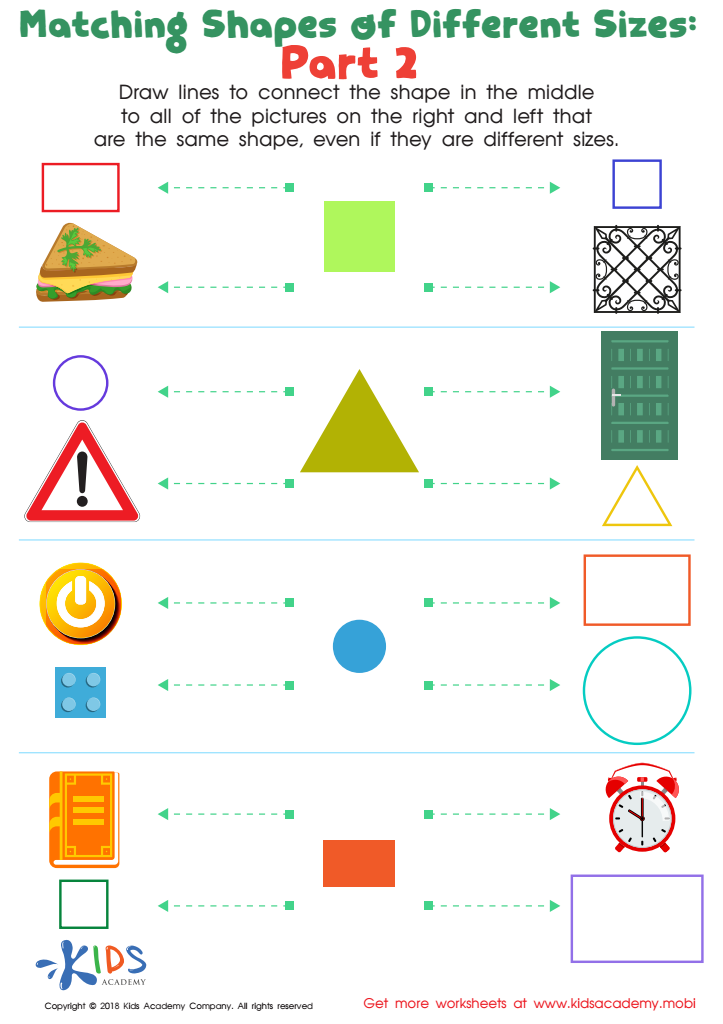
Geometry: Part 2 Worksheet
Third grade geometry gets a challenge with this free worksheet. Kids match shapes to everyday objects like sandwiches, alarm clocks and books for a better understanding of geometry in their lives. Printable pdf is included.
 Assign to My Students
Geometry: Part 2 Worksheet
Worksheet
Join Kids Academy for Free
Who is primarily going to use this learning content?


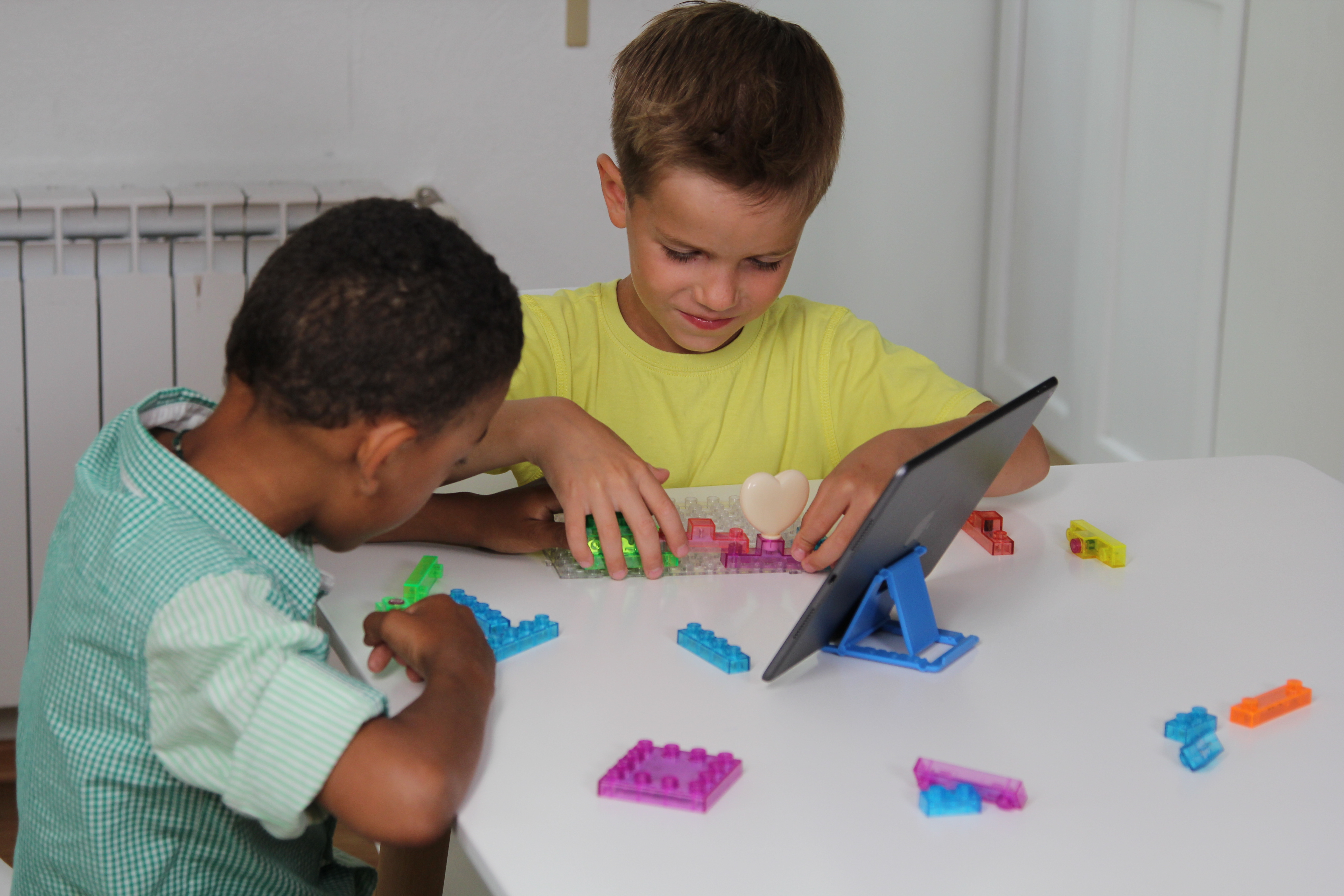




Enhancing fine motor skills in children aged 4-7 is crucial for several reasons, laying the foundation for academic success and personal independence. Fine motor skills involve the coordination of small muscles in the hands and fingers, critical for tasks like writing, buttoning, using scissors, and manipulating small objects. At this age, children are transitioning from simple play to more structured learning environments where these skills come into play frequently.
Firstly, building these skills early sets the groundwork for writing. Proper pencil grip and control are essential for legible handwriting, which impacts a child's ability to express their thoughts clearly on paper. Additionally, successful engagement in art and craft activities enhances creativity and boosts confidence, as children see projects through to completion.
Secondly, fine motor skills are directly linked to cognitive development. Tasks requiring precision bolster hand-eye coordination and enhance neural connectivity, aiding in problem-solving and critical thinking. There’s also a strong correlation between fine motor skills and literacy; activities like manipulating letter tiles can improve reading comprehension.
Lastly, fostering independence in self-care activities such as dressing and feeding oneself can significantly boost a child's self-esteem, encouraging a positive attitude toward learning and self-sufficiency. By prioritizing fine motor skills, parents and teachers support holistic child development, promoting success both inside and outside the classroom.








