Fine Motor Skills Worksheets for Ages 4-7 - Page 16
382 filtered results
-
From - To
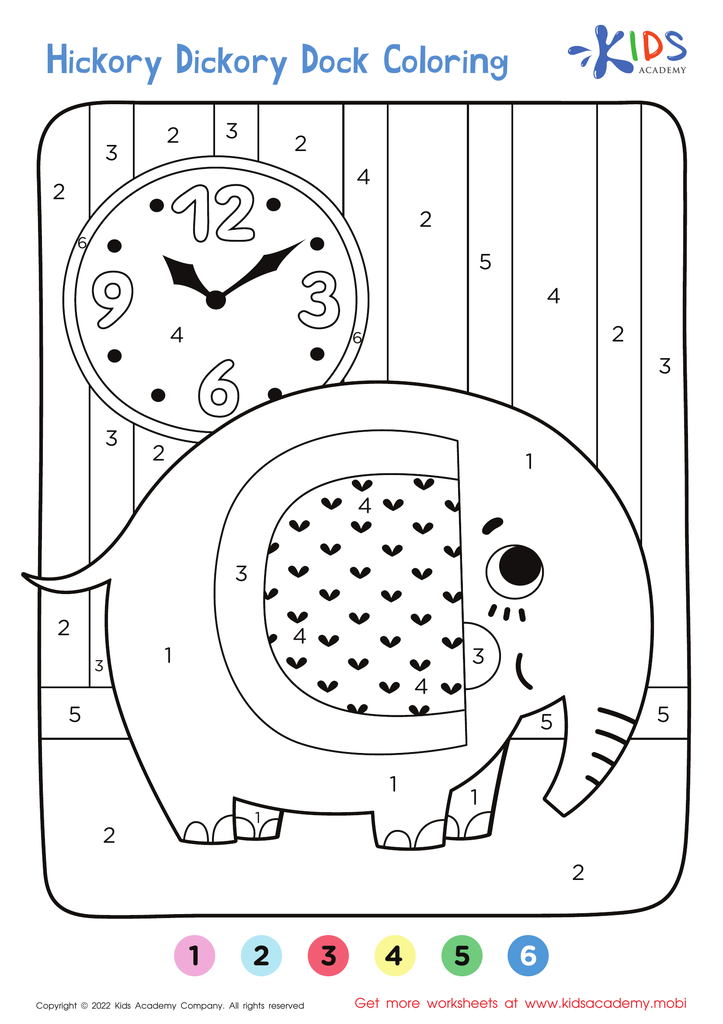
Hickory Dickory Dock – Coloring by Numbers
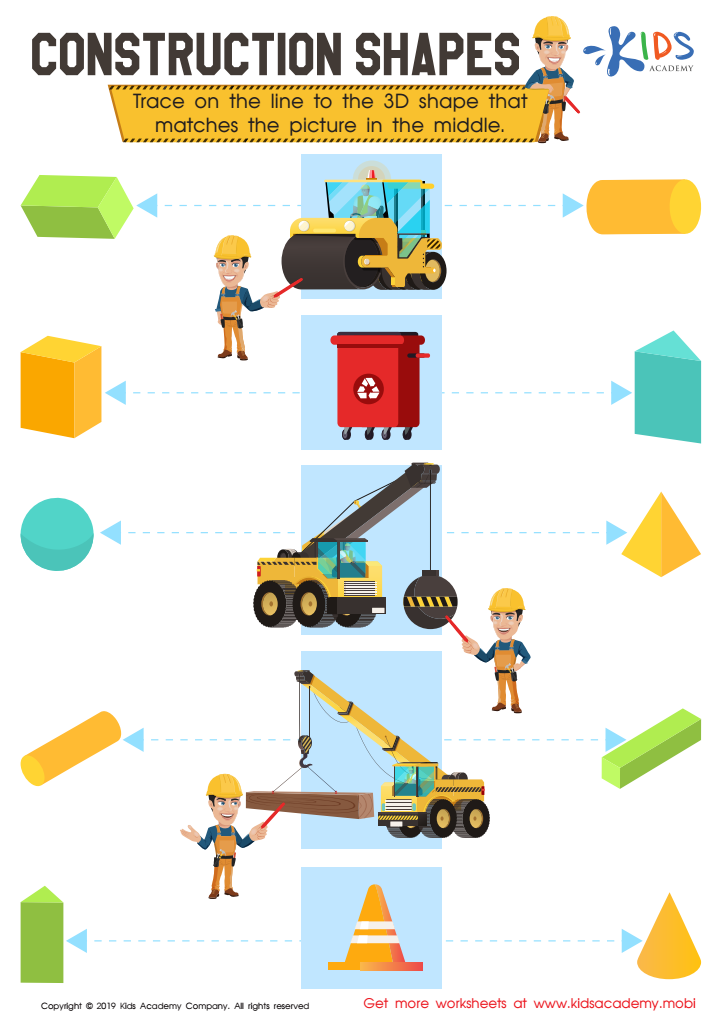
Construction Shapes Worksheet
 Assign to My Students
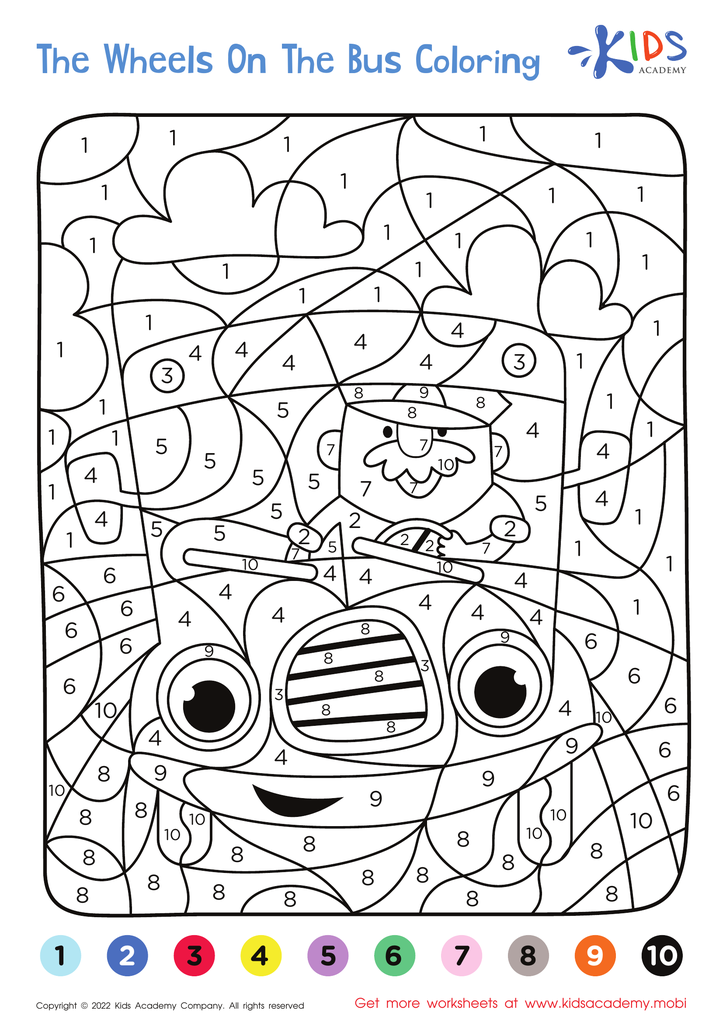
Wheels on the Bus – Coloring by Numbers
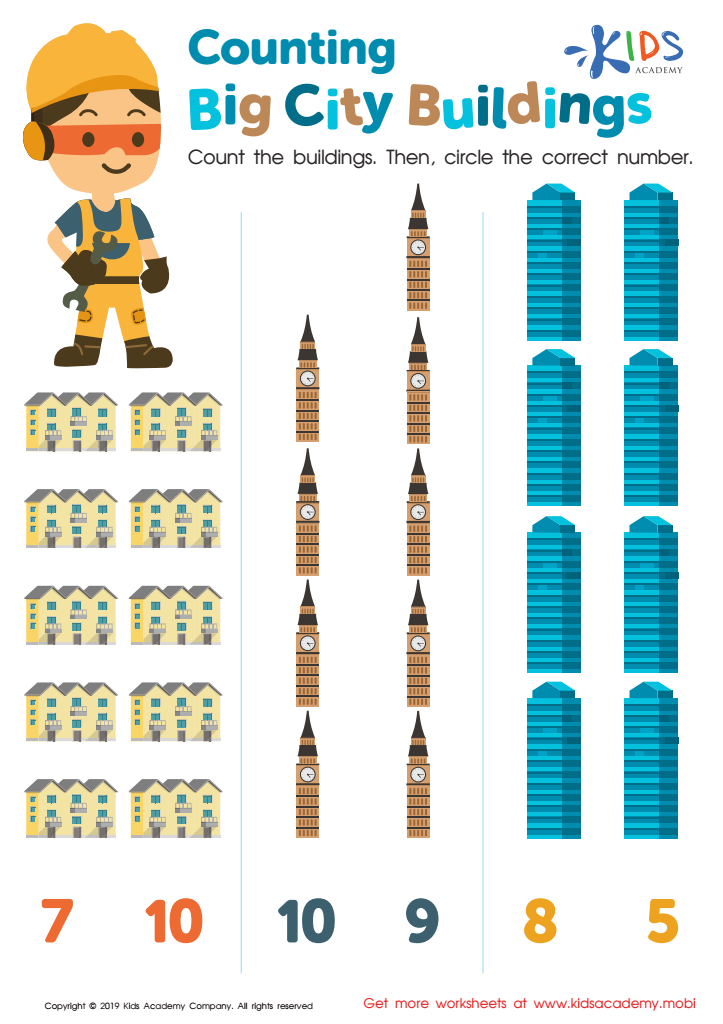
Counting Big City Buildings Worksheet

Night Sky Numbers Worksheet
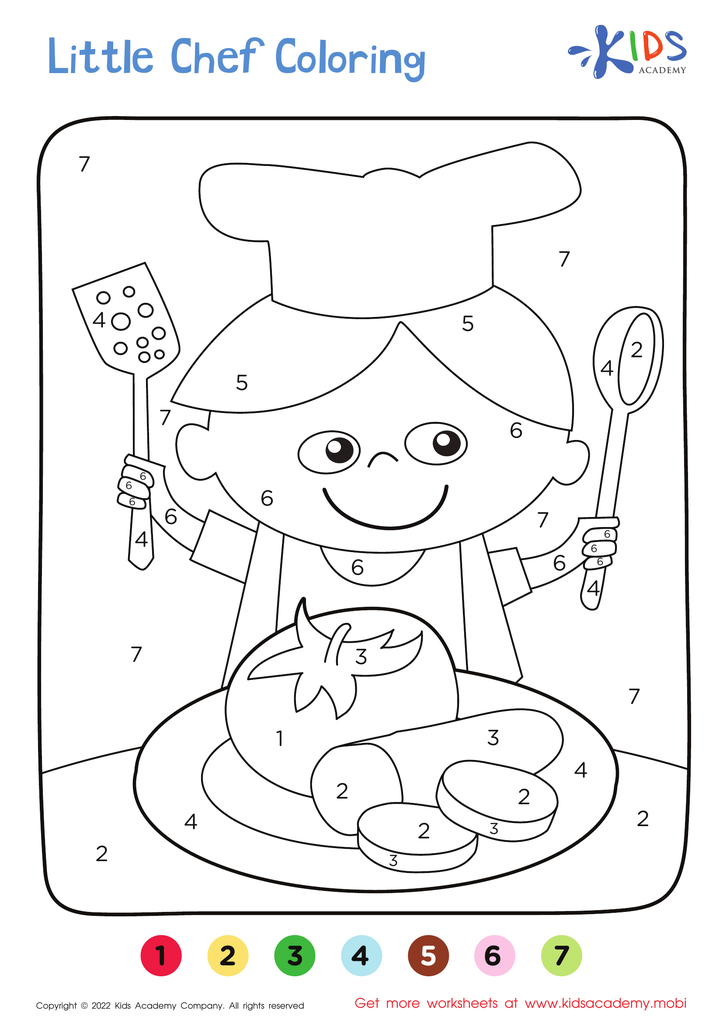
Little Chef – Coloring by Numbers
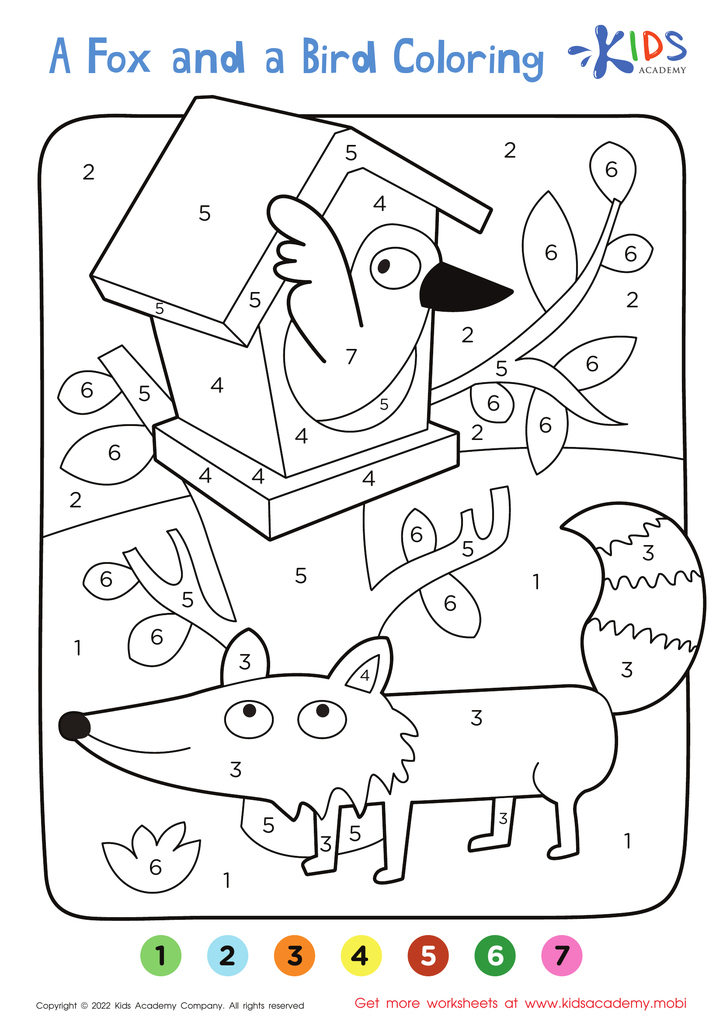
A Fox and a Bird – Coloring by Numbers
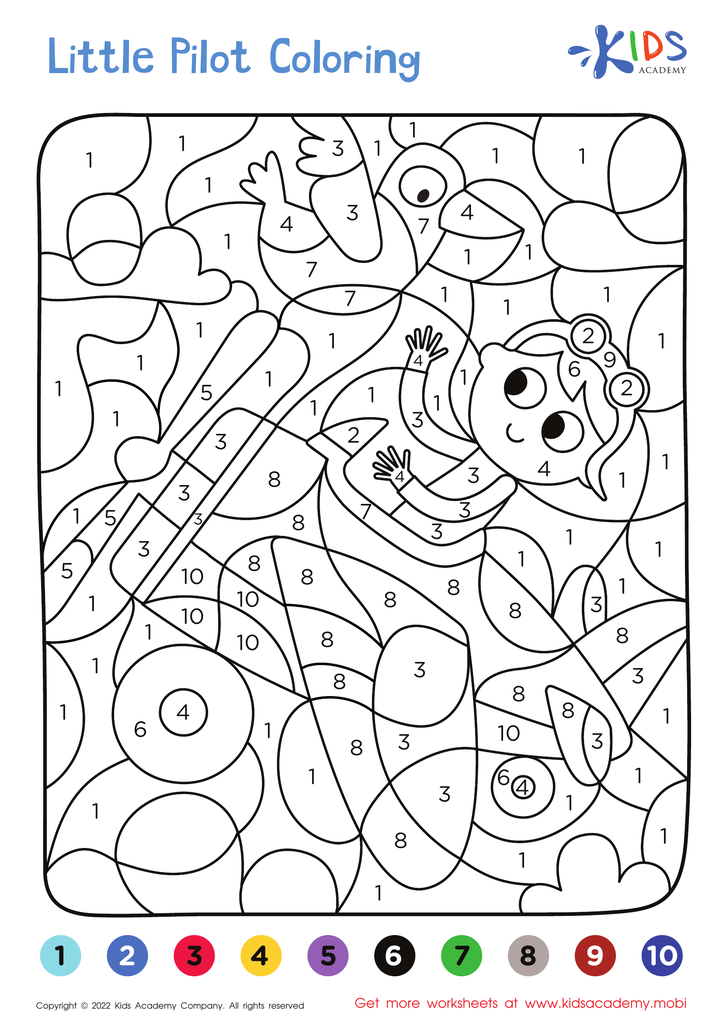
Little Pilot – Coloring by Numbers
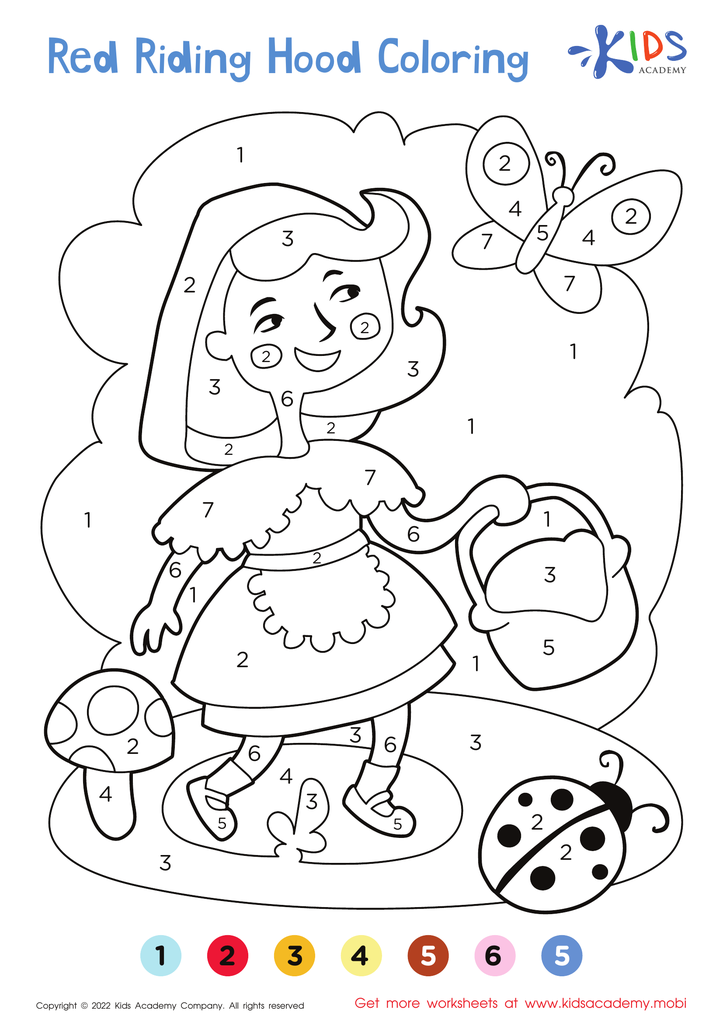
Little Red Riding Hood – Coloring by Numbers
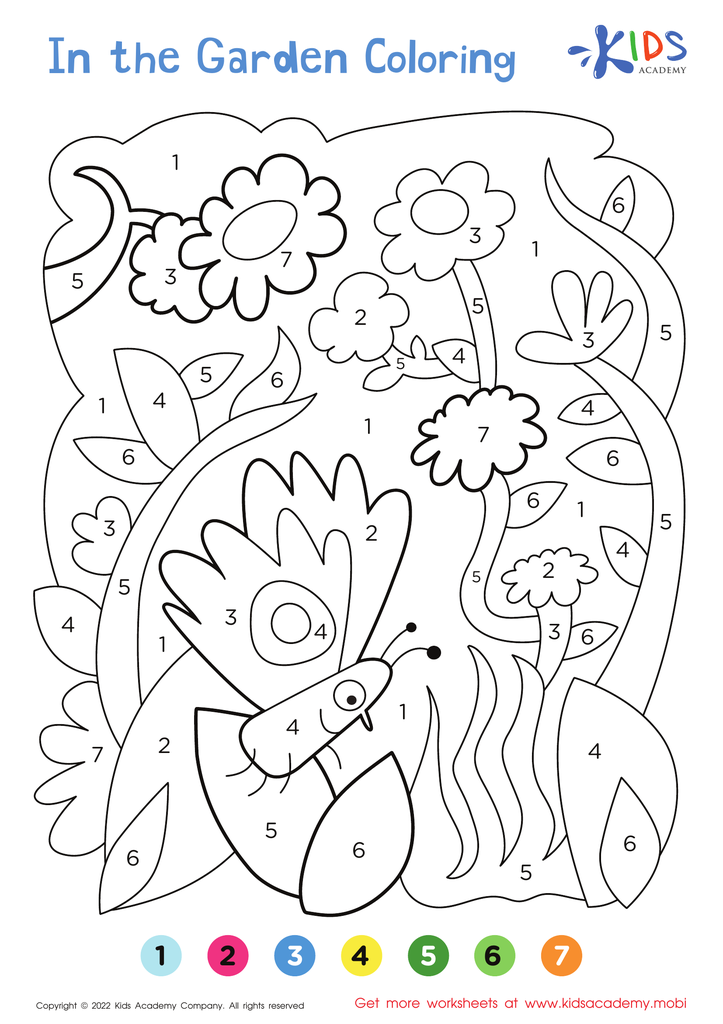
In the Garden – Coloring by Numbers








Fine motor skills are crucial for children aged 4-7 as they form the foundation for many essential tasks that are key to their development. These skills, which involve the coordinated use of small muscles in the hands and fingers, enable children to perform daily activities such as writing, drawing, fastening buttons, and using scissors. As children refine these skills, they gain confidence and independence, which in turn fosters a sense of accomplishment.
Parents and teachers should prioritize fine motor skill development because they are directly linked to academic success, particularly in the areas of literacy and math. For instance, the ability to hold a pencil correctly affects a child's writing legibility and fluency, while skills like cutting shapes can enhance understanding of spatial relationships and geometry.
Moreover, fine motor skills contribute to cognitive development, encouraging problem-solving, creativity, and critical thinking. Engaging children in playful activities like building with blocks, crafting, and using playdough can provide valuable opportunities for practice. When adults recognize and support the growth of fine motor skills, they not only promote children's physical dexterity but also support their overall emotional and intellectual development, setting the stage for lifelong learning.








