Geography knowledge Worksheets for Ages 4-7 - Page 2
28 filtered results
-
From - To
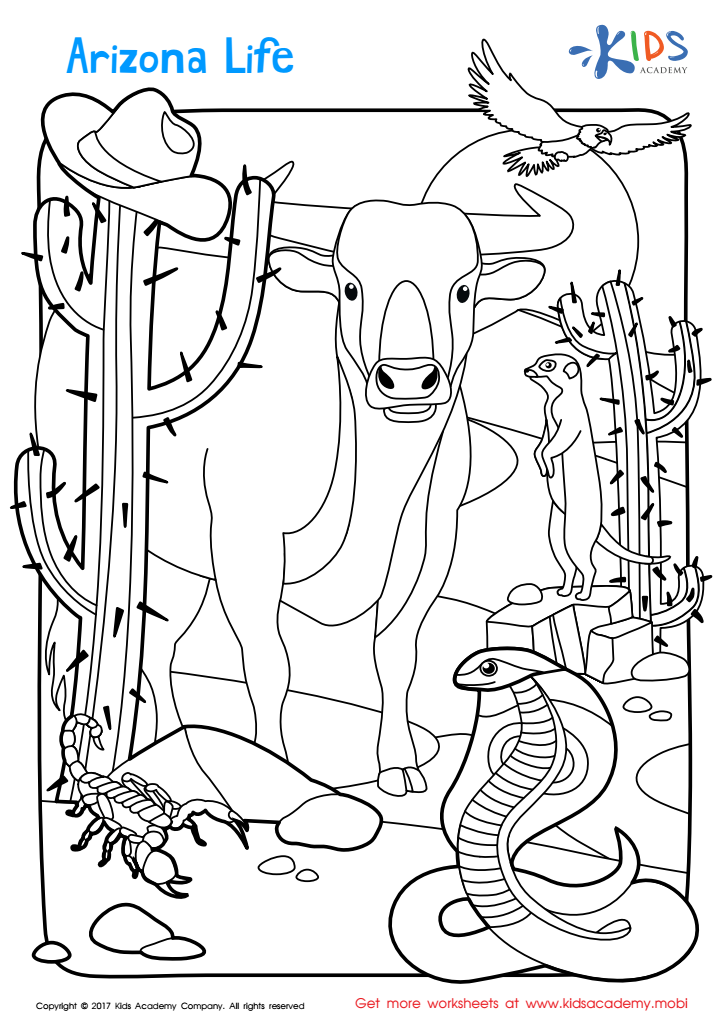
Arizona Coloring Page Worksheet
 Assign to My Students
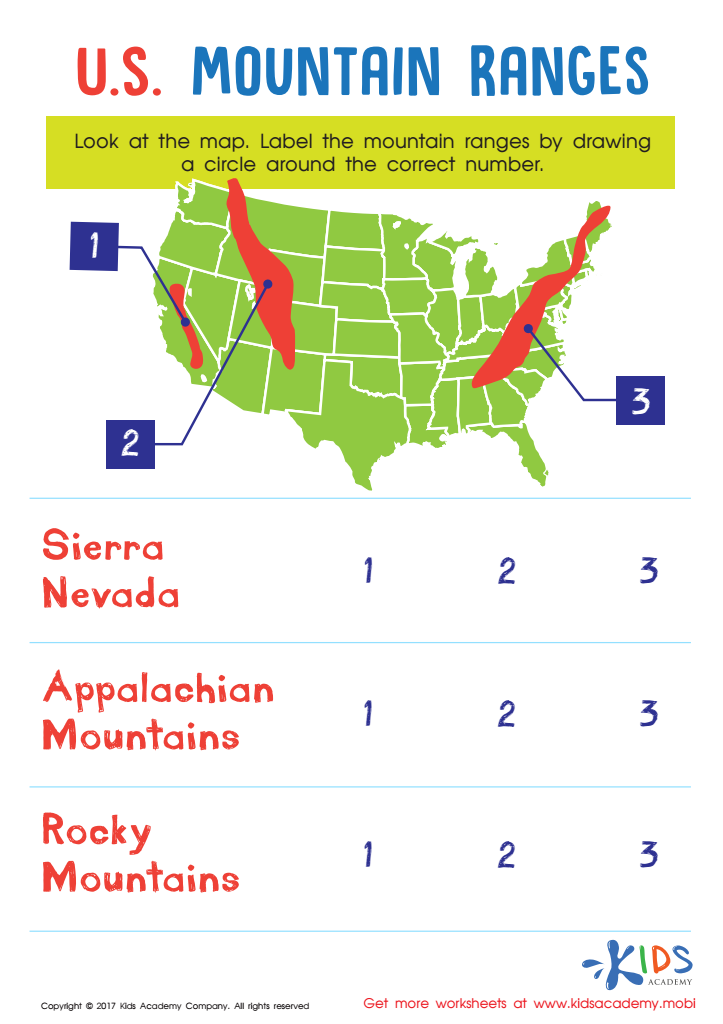
US Mountain Ranges Worksheet

Towns Worksheet
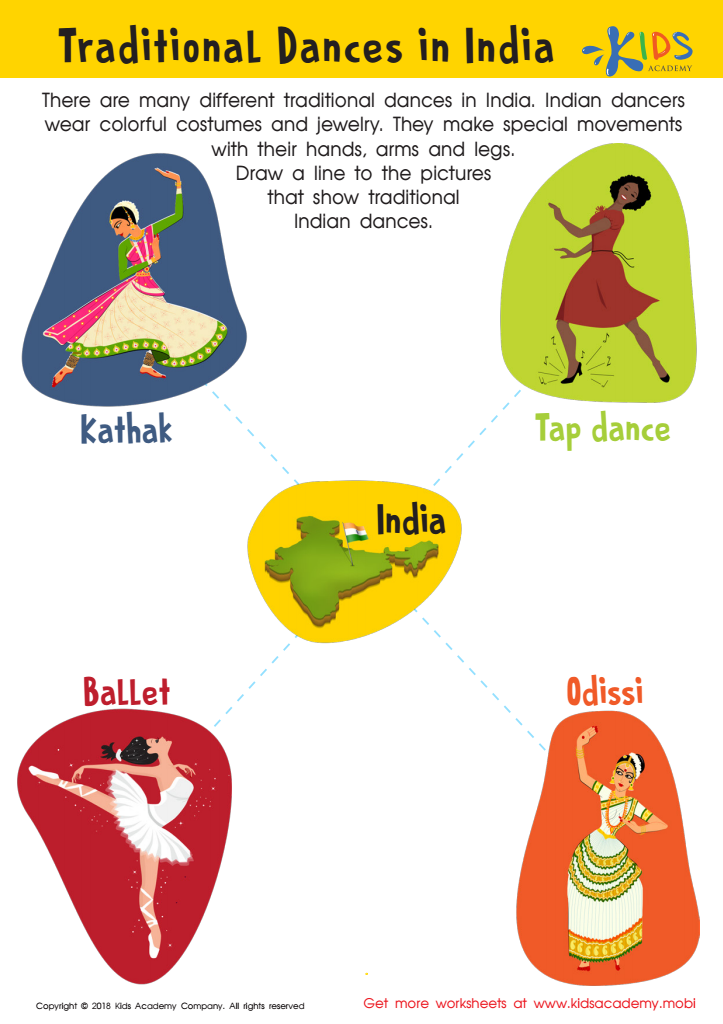
Traditional Dances in India Worksheet






Introducing geography to children aged 4-7 is integral for their overall cognitive development and understanding of the world. At this formative age, kids are naturally curious and have a remarkable ability to absorb new information. Geography nurtures this curiosity by providing context about the Earth's landscapes, cultures, and ecosystems, fostering an early appreciation for diversity and natural phenomena.
Learning geography helps children develop spatial skills and understand basic concepts like direction, distance, and location. This geographic awareness lays the groundwork for crucial life skills, such as navigation and map reading, enabling children to make sense of their surroundings.
Moreover, geography aids in cross-curricular learning. Through geographic exploration, children engage with fundamental concepts in science, like the water cycle, weather patterns, and animal habitats. Stories of different cultures enhance literacy skills, while discussion of continents, countries, and cities introduces mathematical ideas of size, comparison, and counting.
A solid grasp of geography can also promote empathy and responsible citizenship as children learn to appreciate cultural differences and become aware of global issues like deforestation, pollution, and climate change.
Parents and teachers who prioritize geography education are not just teaching facts; they are cultivating globally minded individuals equipped with essential skills and knowledge to navigate and respect our interconnected world.








