Identifying equivalent fractions Worksheets for Ages 4-7
8 filtered results
-
From - To
Discover our "Identifying Equivalent Fractions Worksheets for Ages 4-7" that make learning fun and engaging for young learners. Perfectly designed for early grade students, these worksheets help kids understand the concept of equivalent fractions using colorful, easy-to-follow activities. Our expertly crafted practice sheets feature visual aids and simple exercises to build a strong mathematical foundation. Ideal for classroom or home use, these resources enhance critical thinking and problem-solving skills. Download our free printable worksheets today and give your child a head start in mastering fractions through interactive and enjoyable practice. Ideal for ages 4-7.
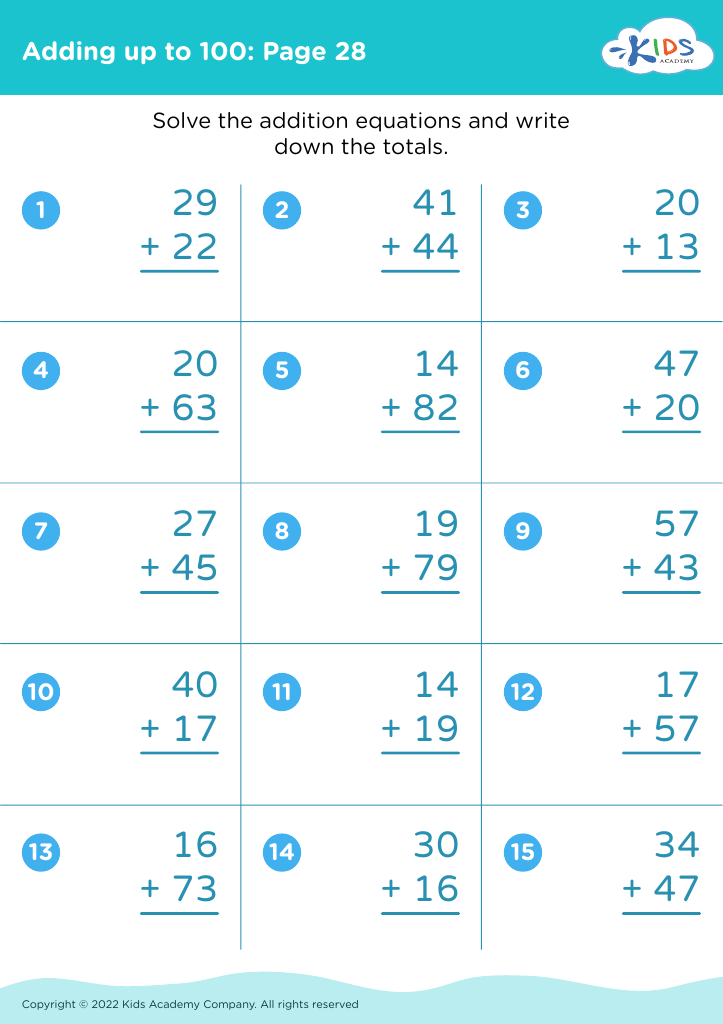
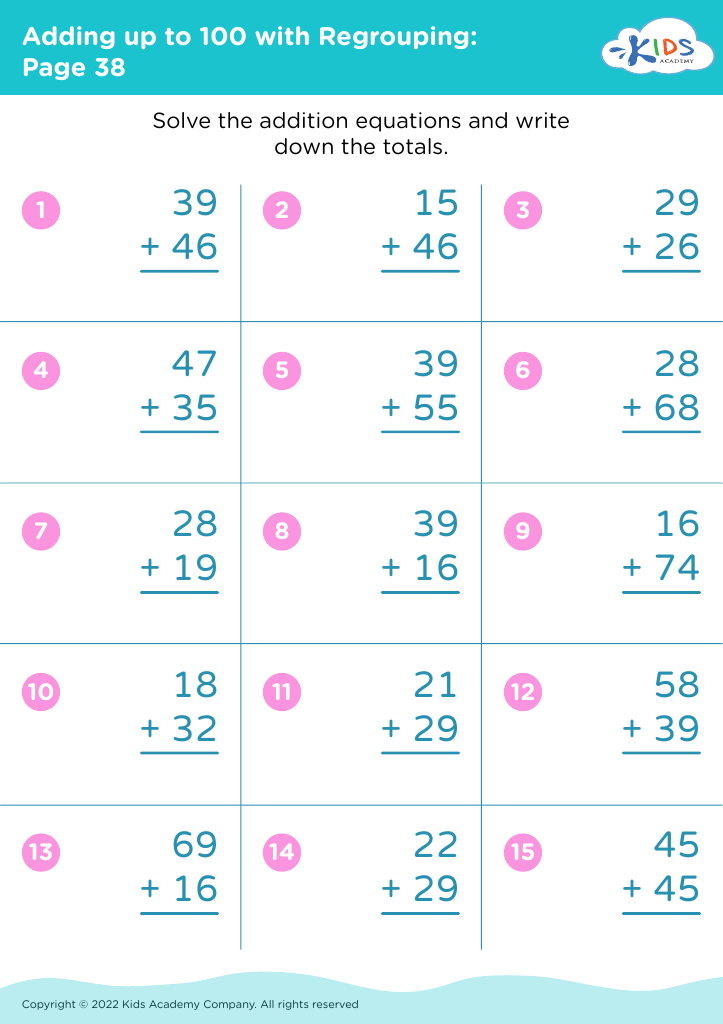
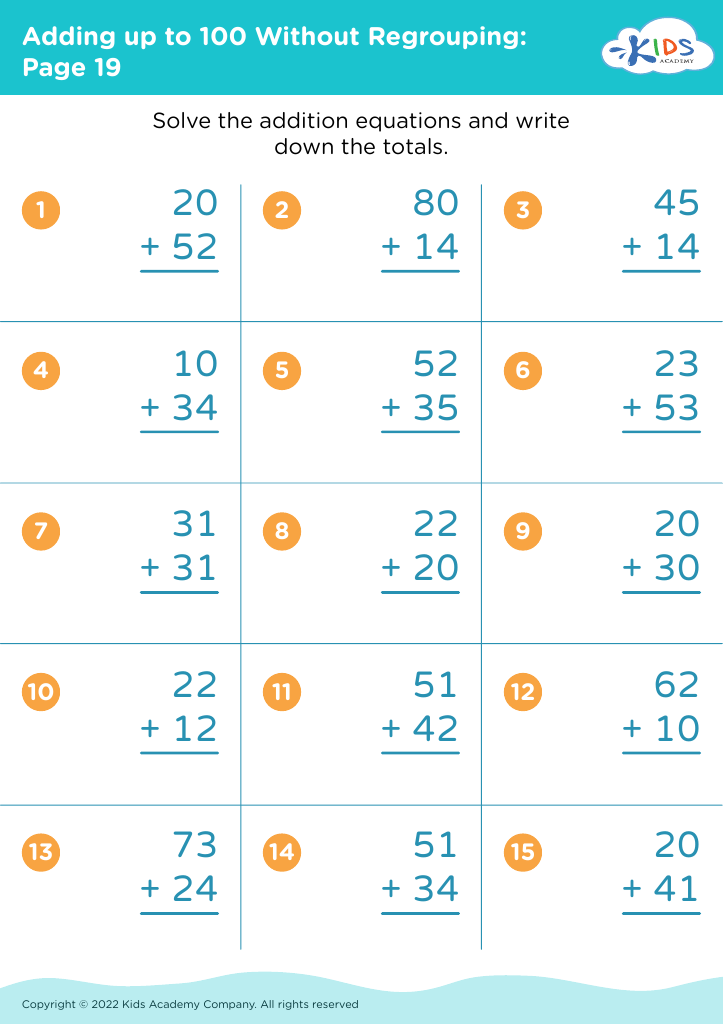
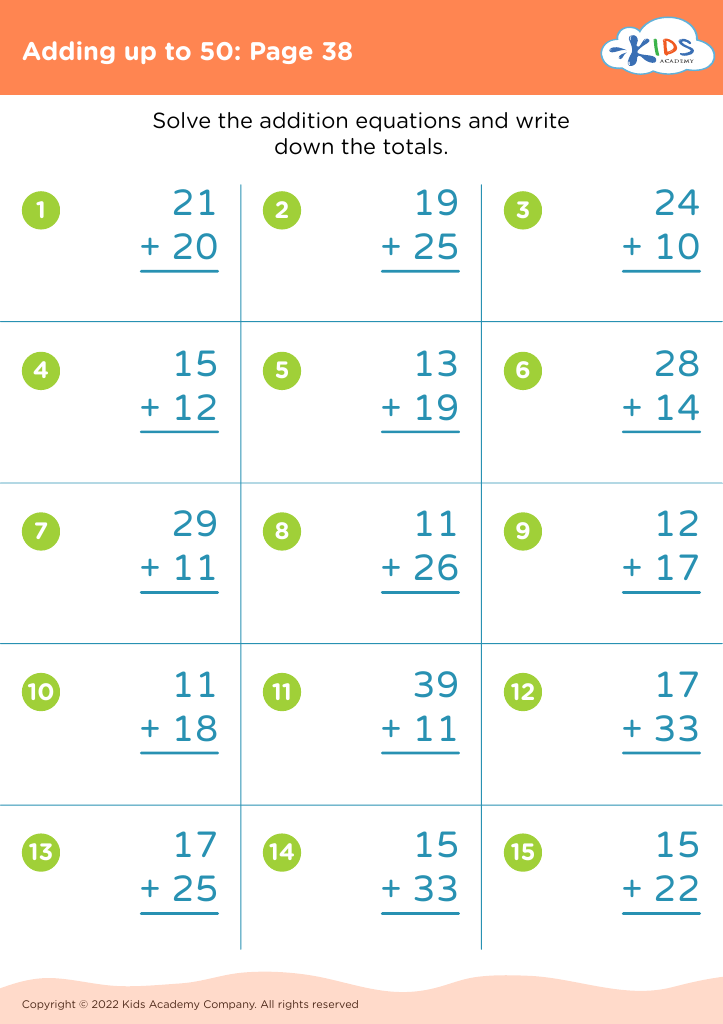






Understanding equivalent fractions is an essential building block in a child's mathematical development, even at the early age of 4-7. At this stage, children are just beginning to grasp the fundamentals of numbers and shapes. Identifying equivalent fractions accelerates their comprehension of how parts create a whole, promoting a stronger foundational understanding of numbers and division.
Parents and teachers should prioritize teaching children about equivalent fractions because it widens their problem-solving tools and supports higher-level math skills. By recognizing, for example, that 1/2 is the same as 2/4 or 3/6, children learn flexibility in thinking and appreciate numerical relationships. This early grasp is crucial for future math topics, such as simplifying fractions, comparing them, and tackling algebraic expressions.
Moreover, distinguishing equivalent fractions nurtures a child’s logic and reasoning abilities. When young learners resume daily activities related to sharing or equally dividing objects (like splitting an apple or dividing play blocks), they're likely to apply these principles unconsciously, reinforcing both social and cognitive development. Encouraging this understanding at a young age fosters confidence, reducing math anxiety and setting the stage for success across all STEM subjects. Engaged parents and attentive teachers are key catalysts in making this learning experience a natural and effective part of early education.








