Improve number recognition Worksheets for Ages 4-7
16 filtered results
-
From - To
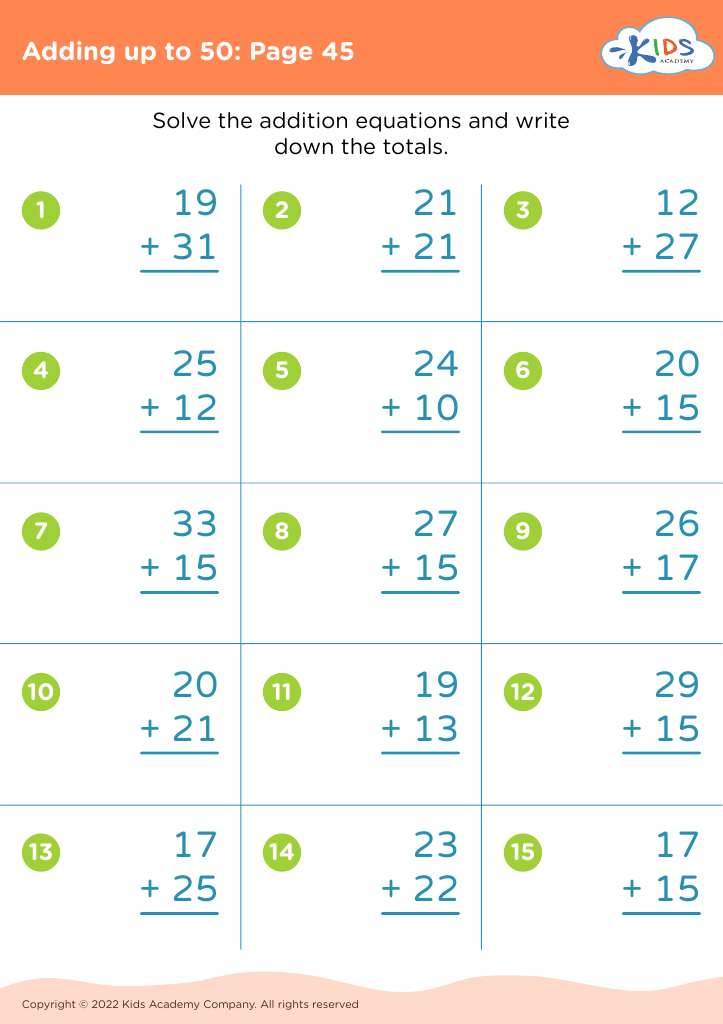
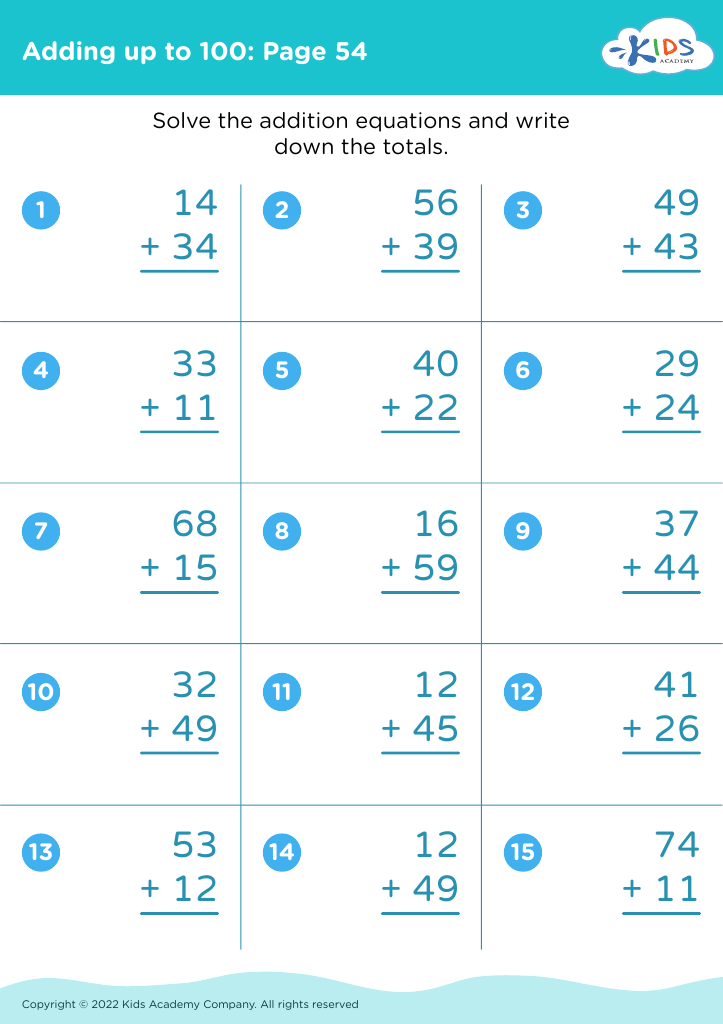
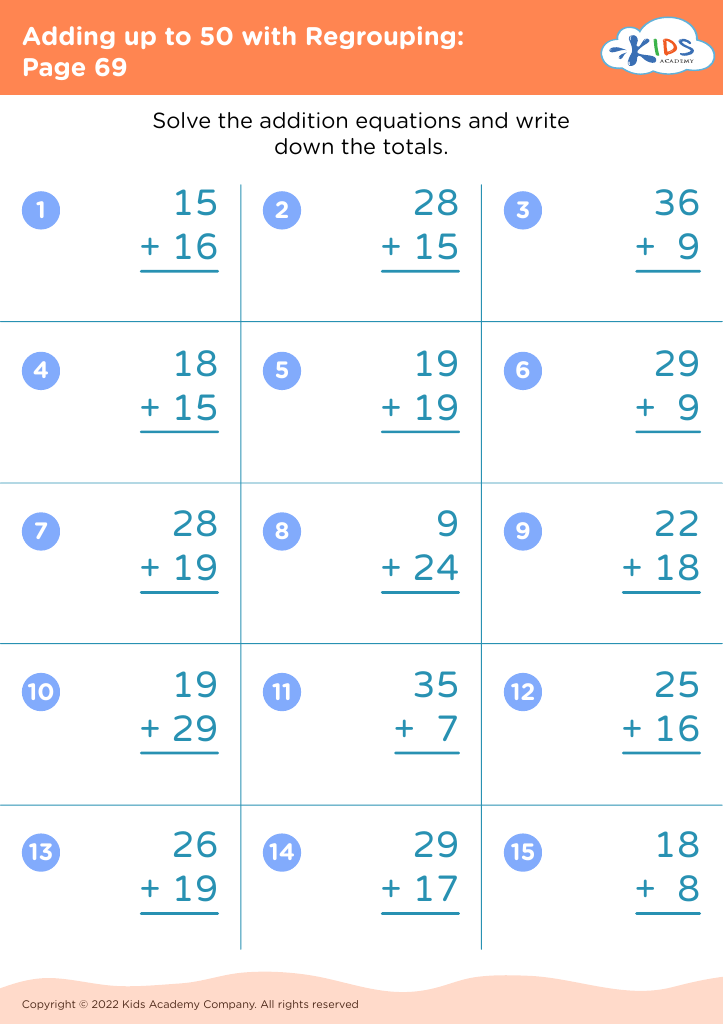
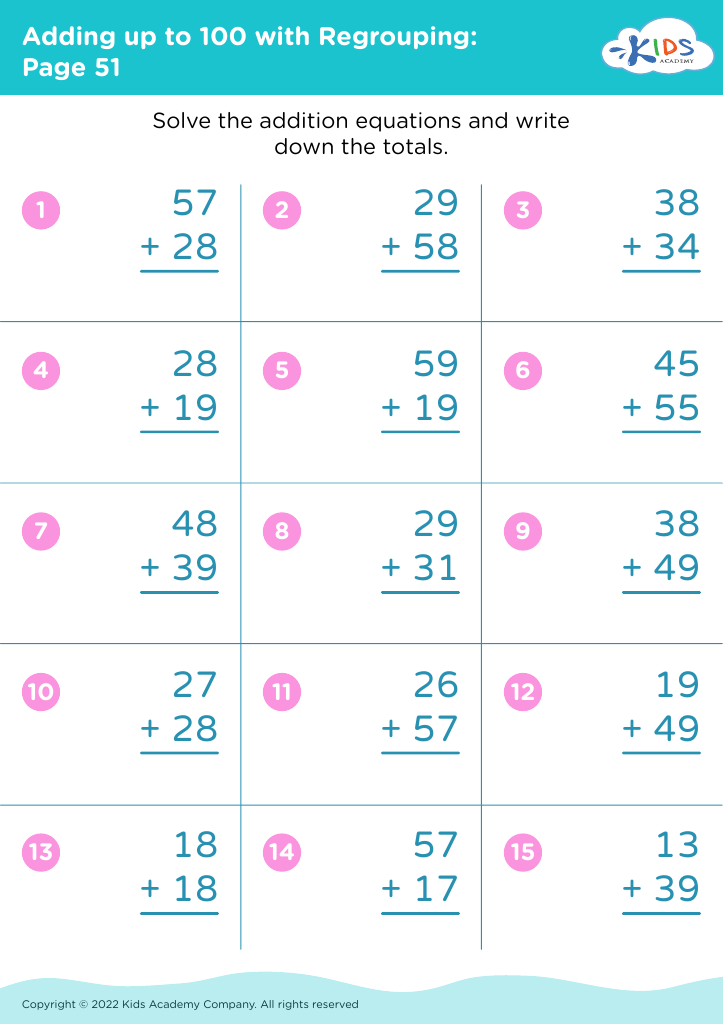
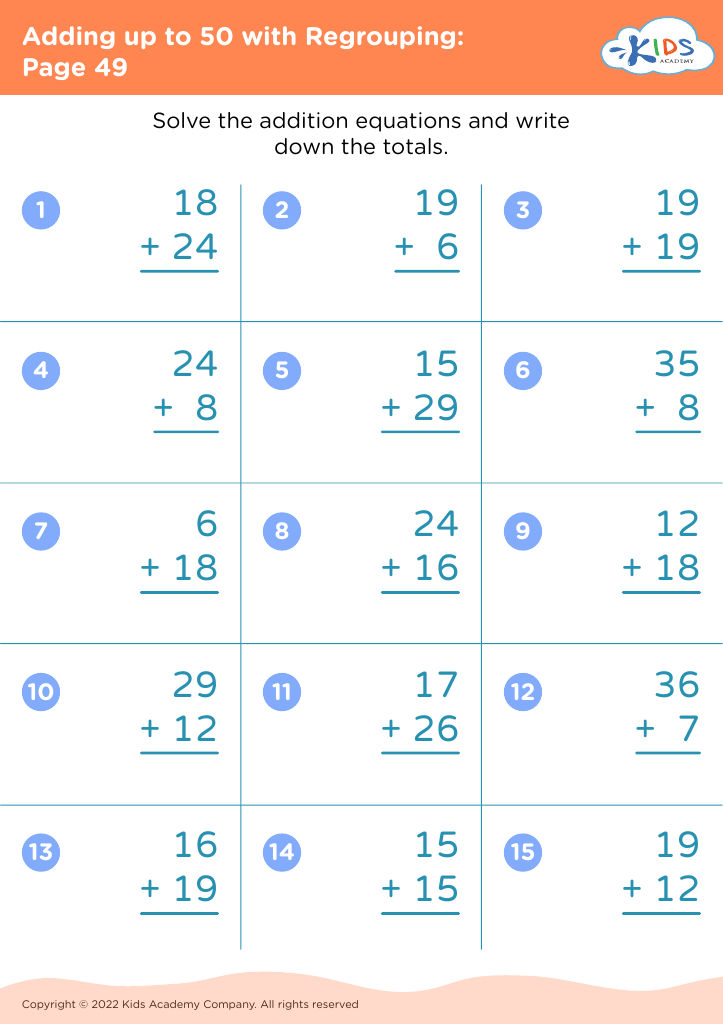
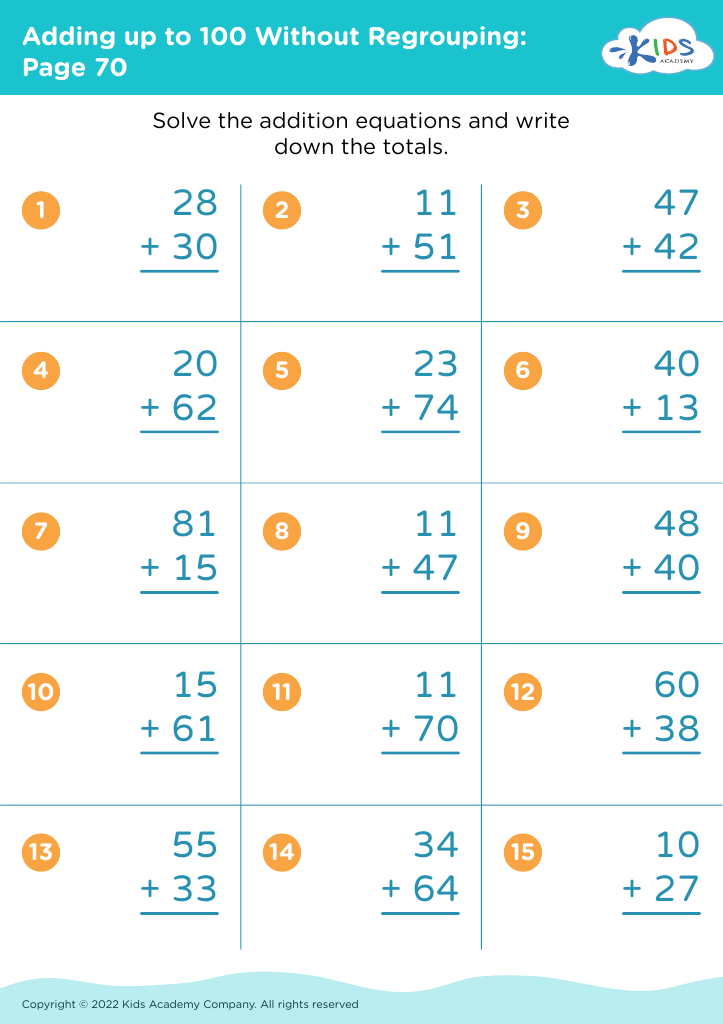
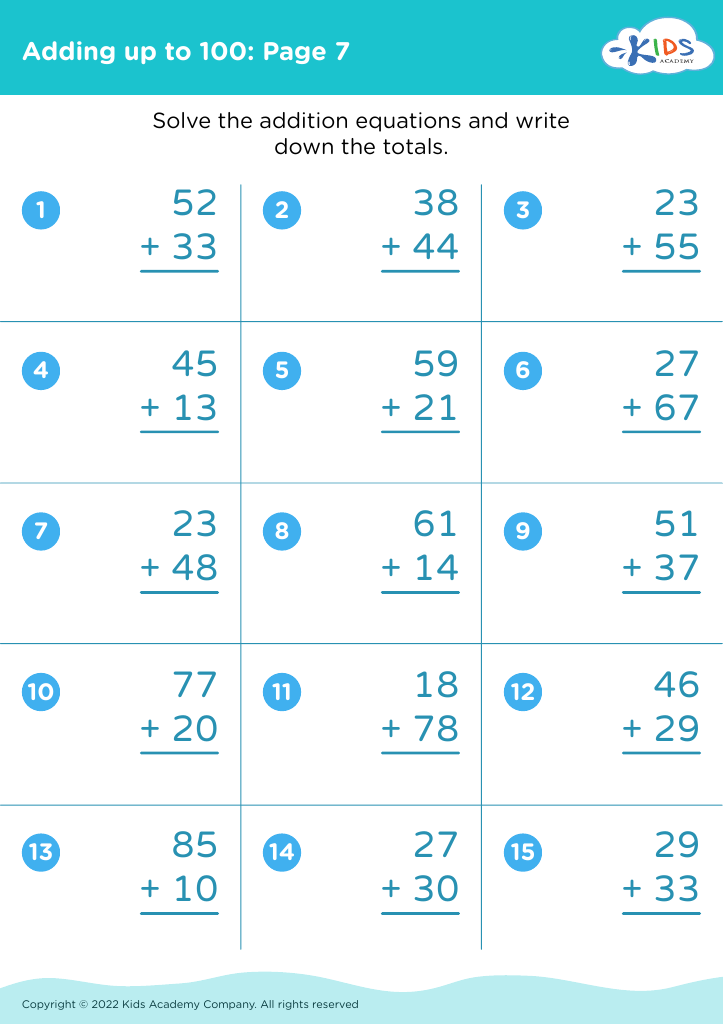
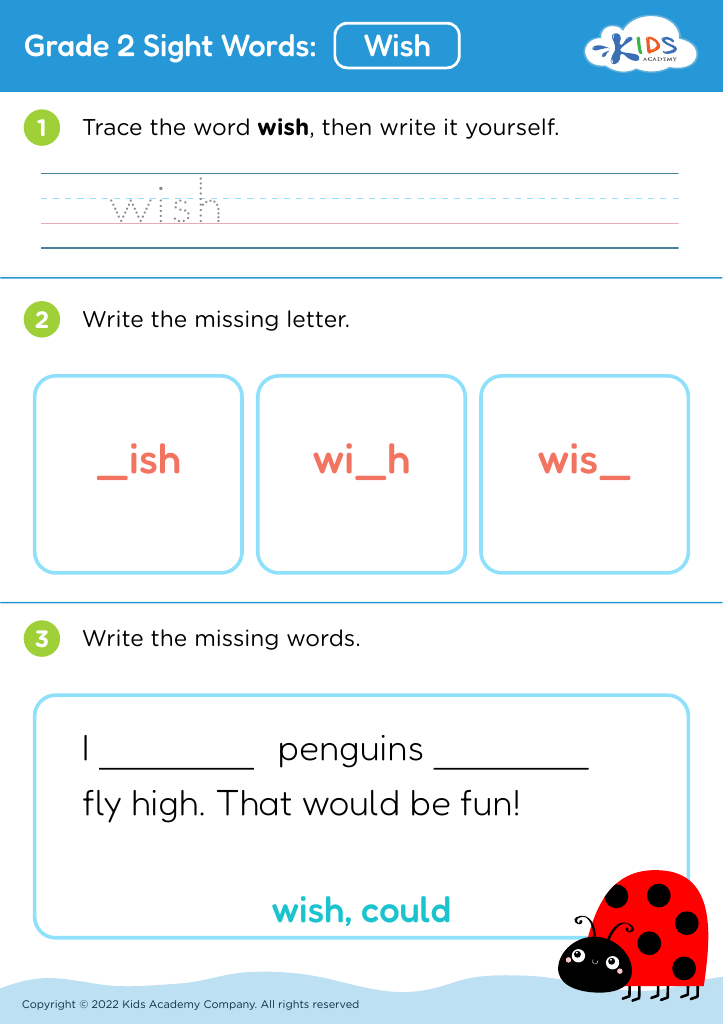
Enhance your child’s early mathematics skills with our "Improve Number Recognition Worksheets" designed specifically for ages 4-7. These engaging, printable worksheets support young learners in mastering number recognition through fun activities including coloring, tracing, and interactive games. Perfect for home or classroom use, our worksheets cater to various learning styles, promoting confidence and fluency in number identification. By developing essential skills, your child will build a strong foundation for future mathematical concepts. Explore our comprehensive collection today and watch your child’s number recognition abilities soar! Empower your little ones with the love of learning through playful, educational experiences.
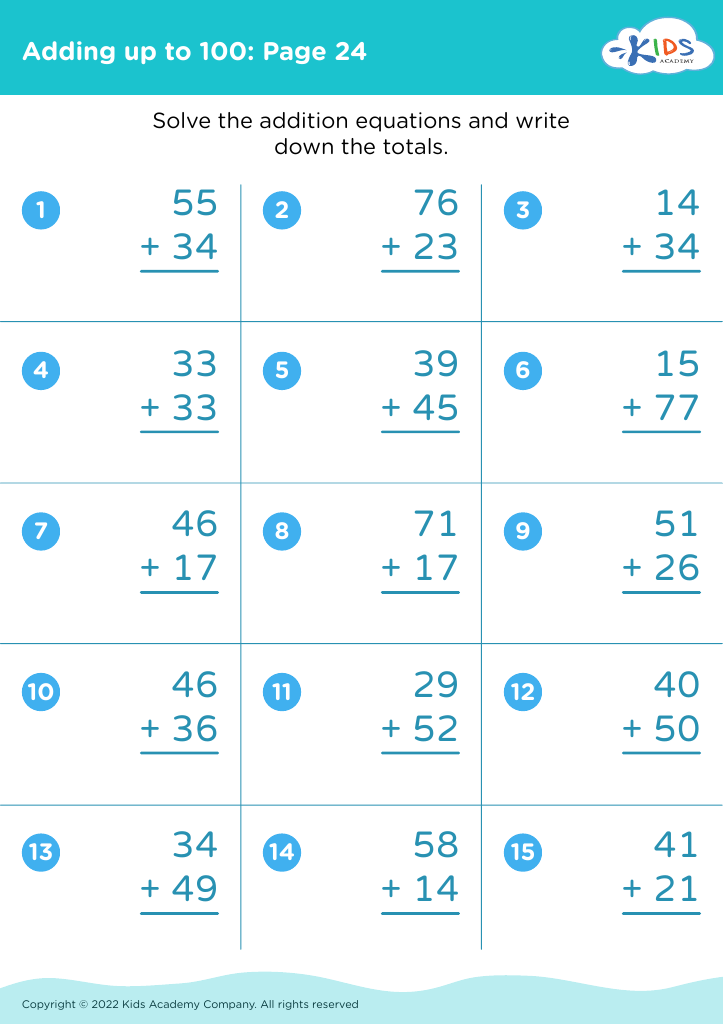
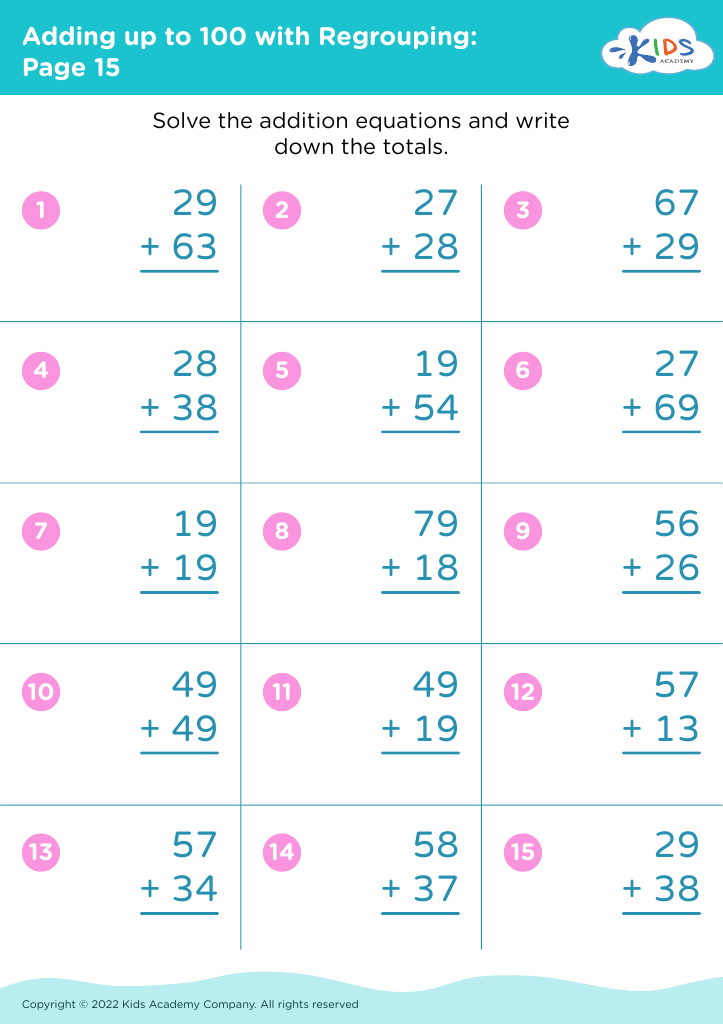
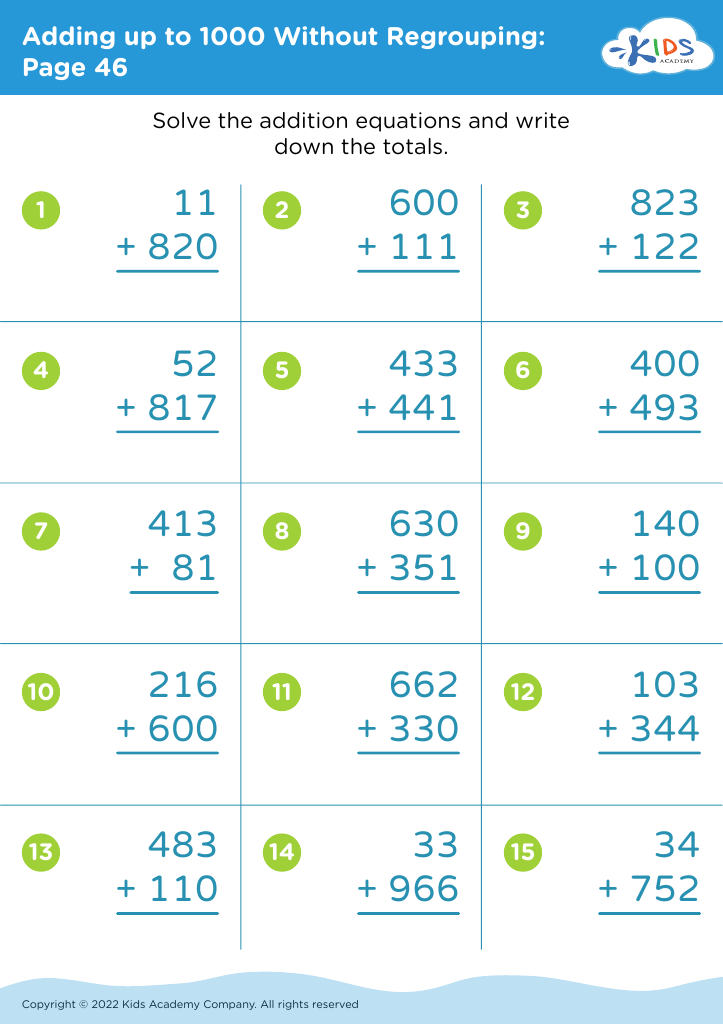
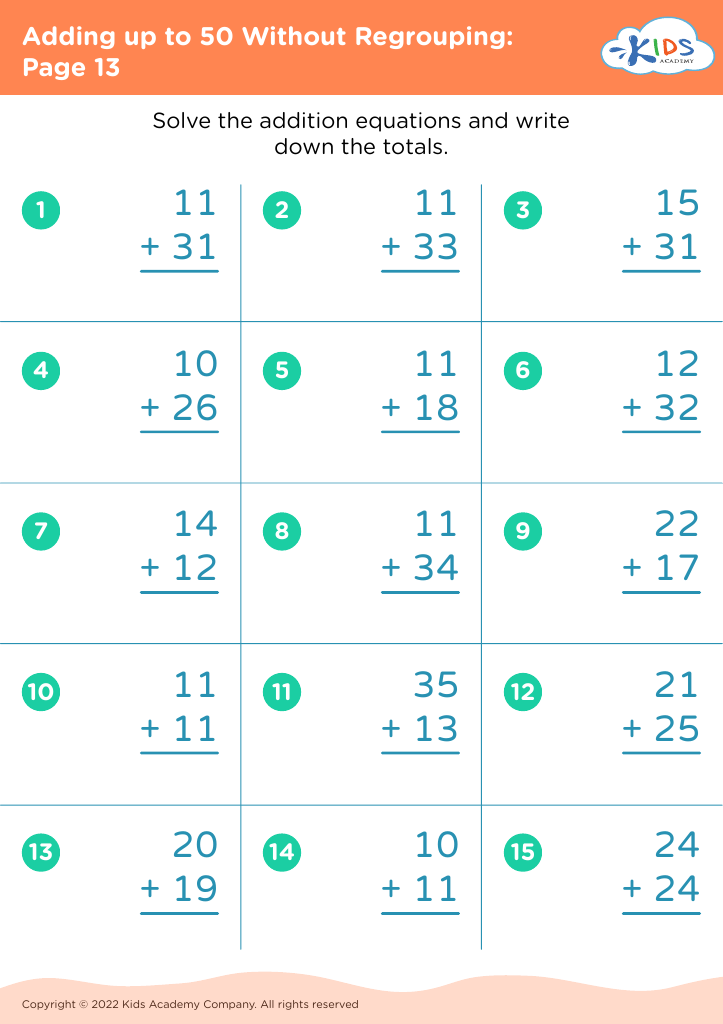
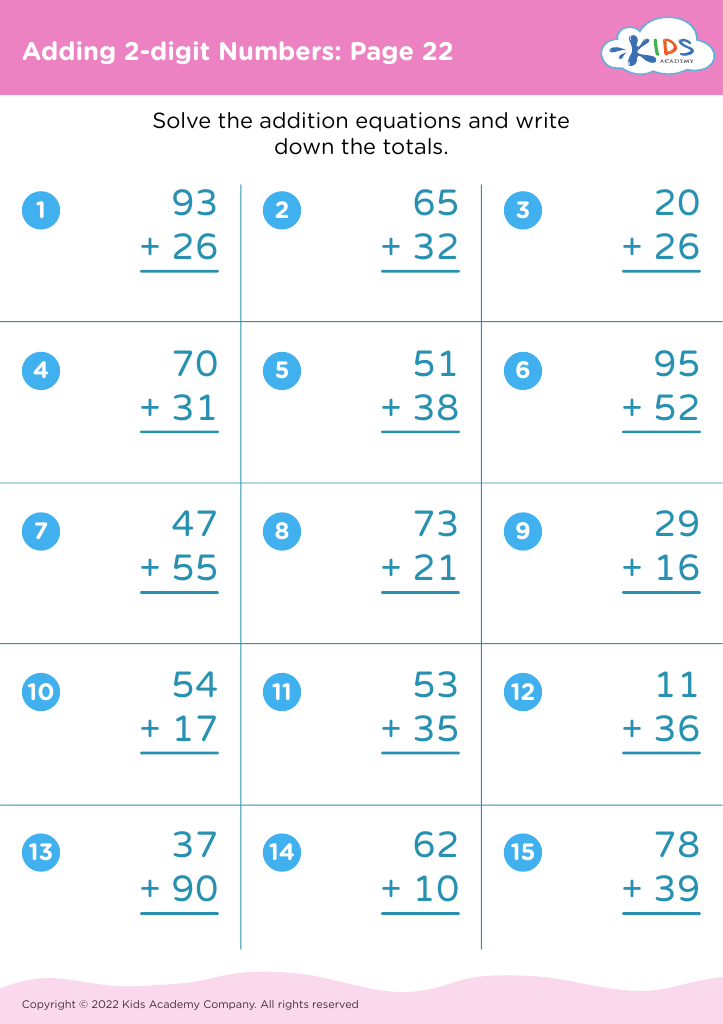
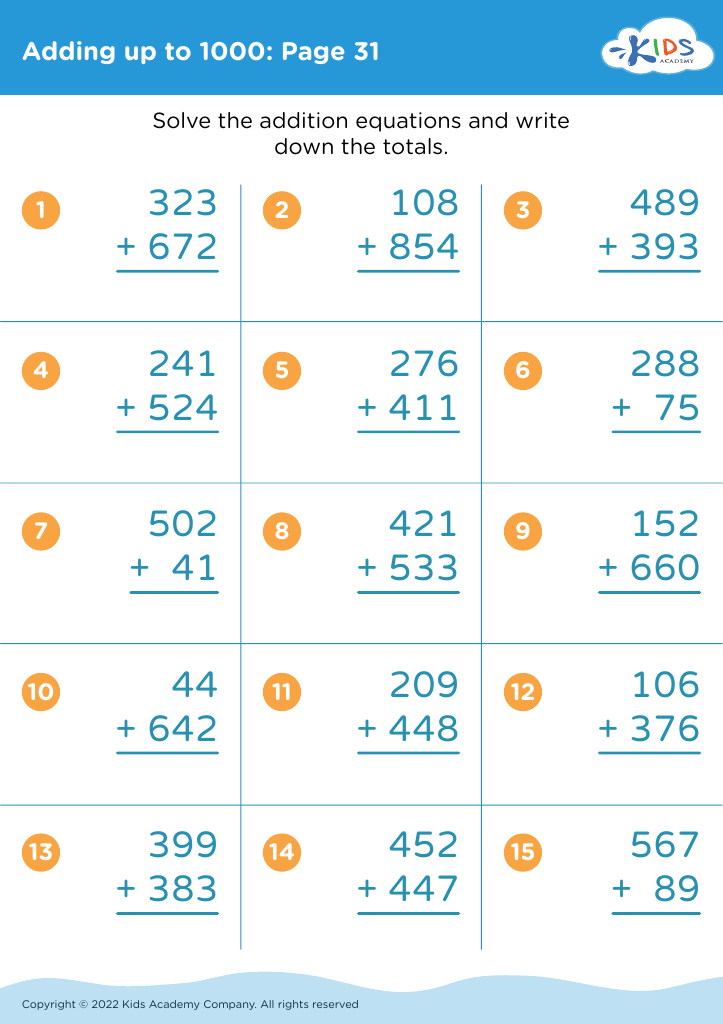
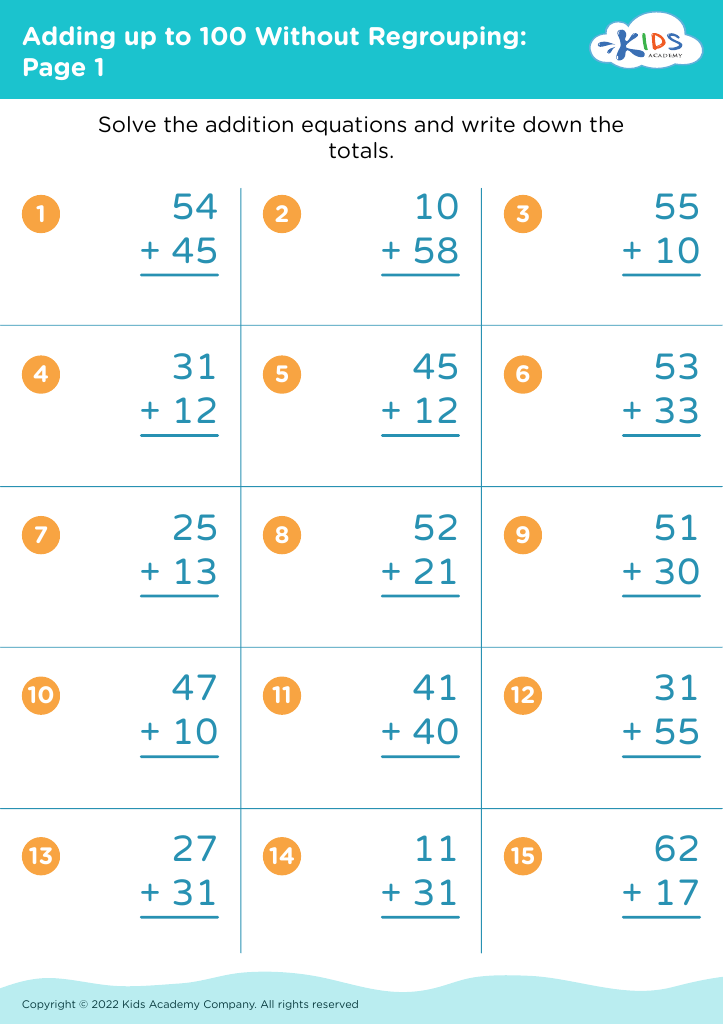
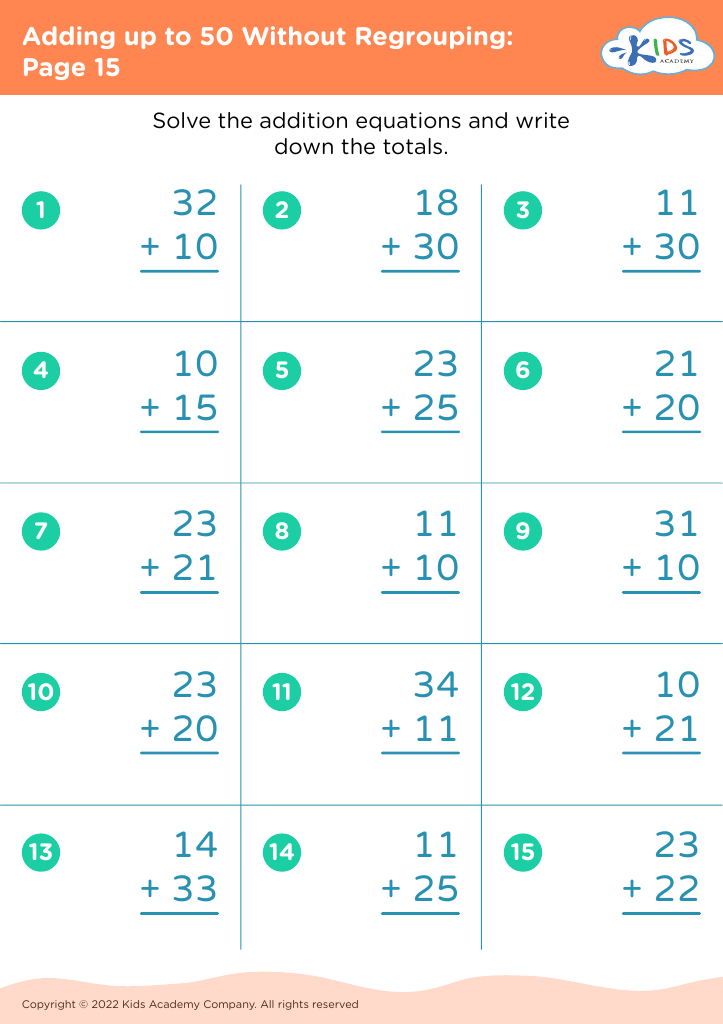







Improving number recognition for children aged 4 to 7 is crucial for several reasons that impact their overall academic development and confidence. During these formative years, children are building foundational skills that will serve them throughout their educational journey. Early number recognition is closely tied to later math skills, including counting, addition, and understanding numerical relationships. When children can recognize and understand numbers, they are better prepared to tackle more complex mathematical concepts as they progress in school.
Moreover, number recognition fosters problem-solving skills and critical thinking. As children learn to identify and manipulate numbers, they can better engage in everyday activities, such as budgeting, telling time, and measuring, which are essential life skills. Additionally, early mastery of numbers can enhance a child's self-esteem, motivating them to explore math with confidence rather than fear later.
Parents and teachers play a pivotal role in this development by employing engaging and interactive methods such as games, songs, and everyday math scenarios that make learning enjoyable. By prioritizing number recognition, adults equip children with essential skills that promote not just academic success, but holistic development, paving the way for lifelong learning and a positive attitude towards mathematics.








