
Improving categorization skills Worksheets for Ages 4-7
4 filtered results
Difficulty Level
Grade
Age
-
From - To
Subject
Activity
Standards
Enhance your child's learning with our "Improving Categorization Skills Worksheets" designed specifically for ages 4-7. These engaging and interactive worksheets aim to foster essential categorization skills, helping young learners sort and group objects, animals, and shapes. With a variety of colorful examples and fun activities, children will develop critical thinking and enhance their ability to make connections between different concepts. By incorporating these worksheets into their learning routine, parents and educators can make the process enjoyable and effective. Discover how categorization skills can boost overall cognitive development and set a solid foundation for future learning success!
Favorites
With answer key
Interactive
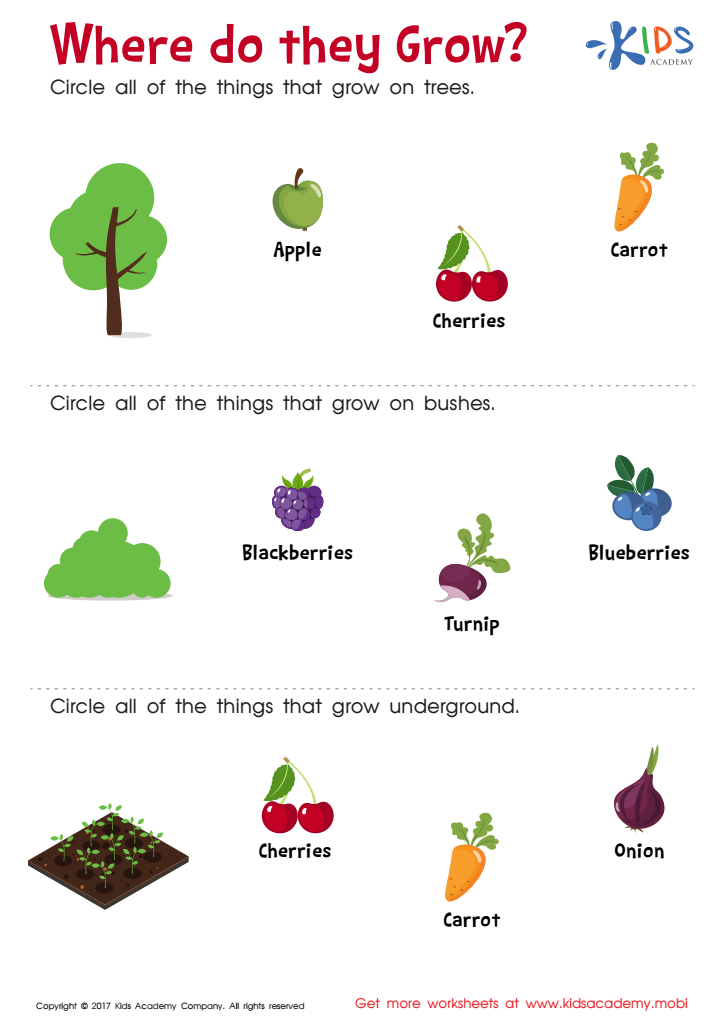
Where Do They Grow Worksheet
With this worksheet, your child can learn about apples, cherries, and blueberries and gain important science skills.
 Assign to My Students
Where Do They Grow Worksheet
Worksheet
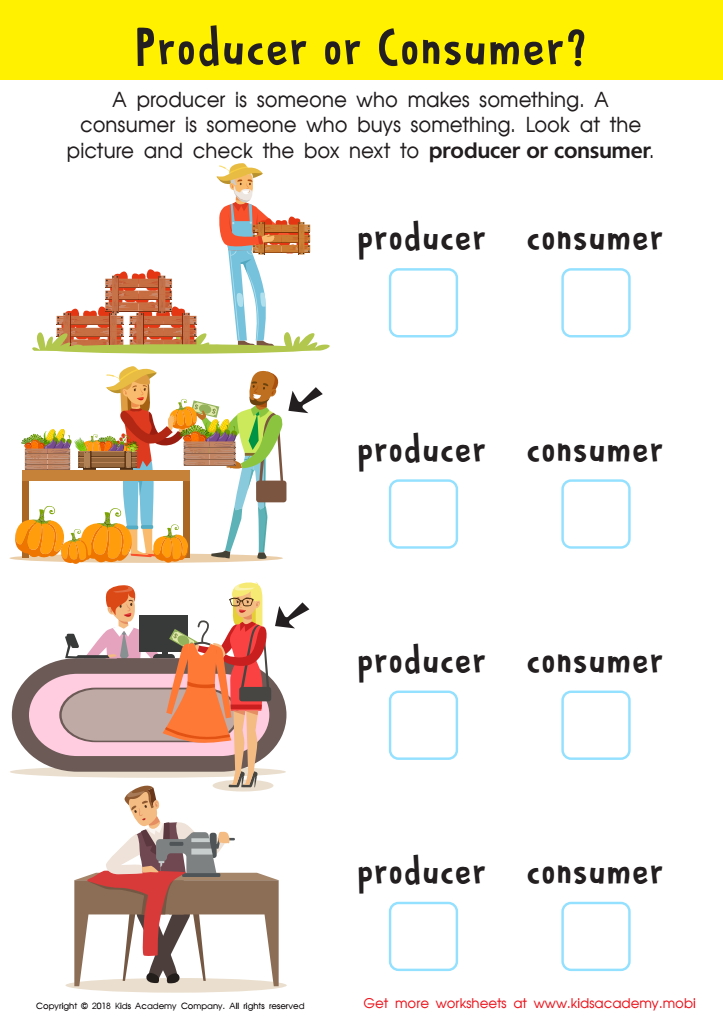
Producer or Consumer? Worksheet
Test your child's knowledge by asking who's a producer and consumer. Explain producer makes things and consumer buys them. Use a snack example. Look at the picture with your kids and help them check the box next to producer or consumer.
Producer or Consumer? Worksheet
Worksheet
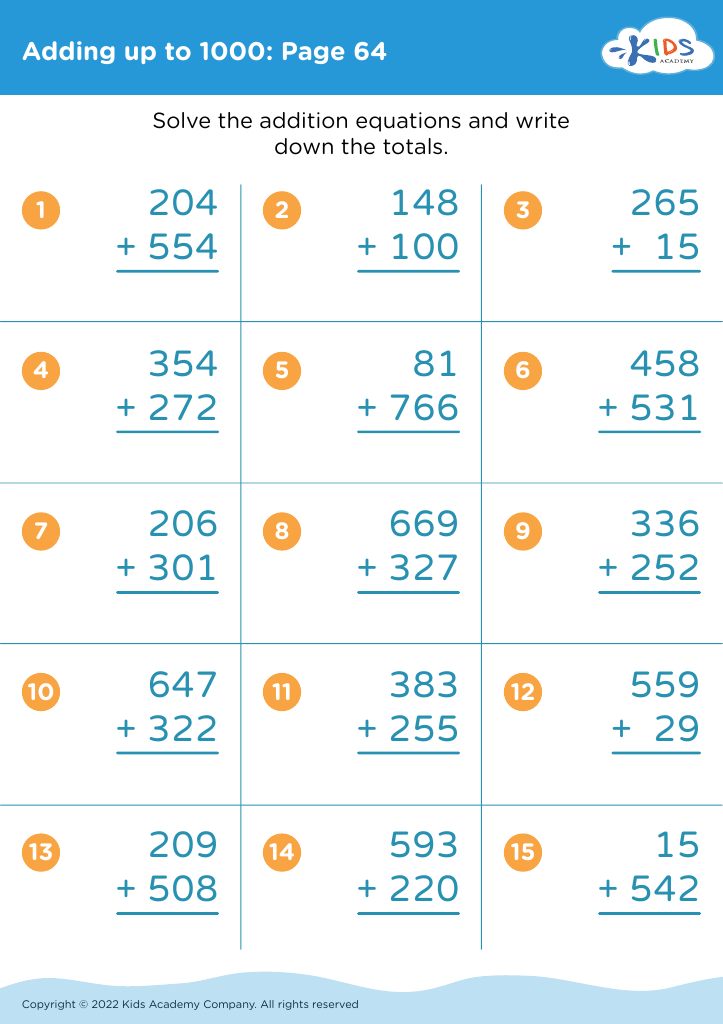
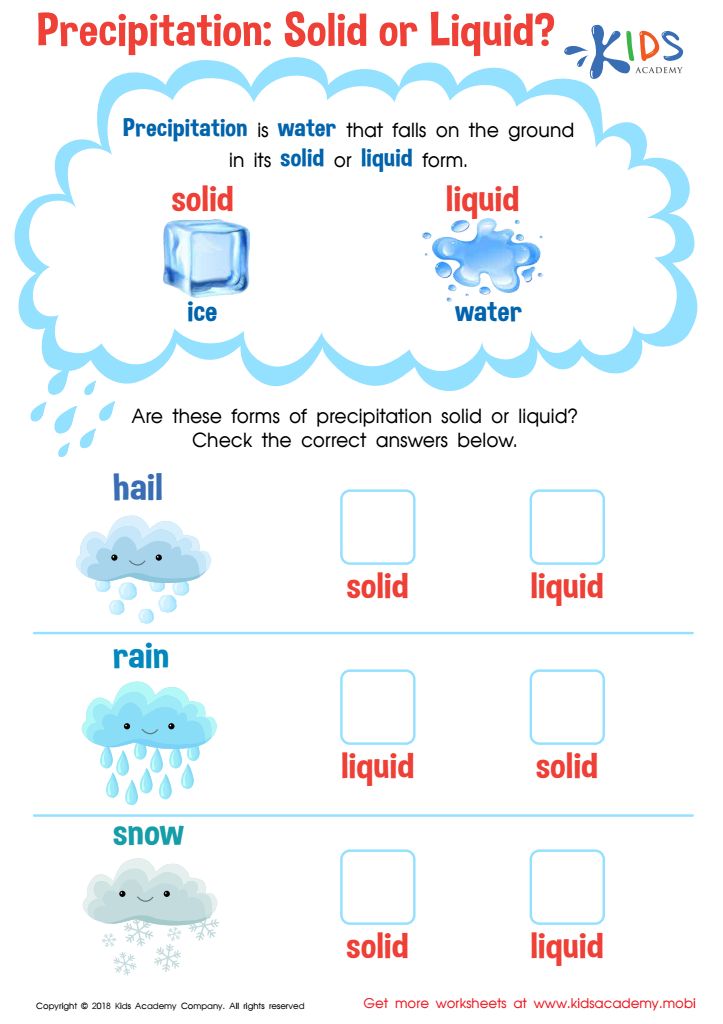
Precipitation: Solid or Liquid? Worksheet
Teach students that precipitation is water from the clouds/sky in either solid or liquid form, e.g. rain is liquid and snow is frozen. Use the worksheet with them to check if the forms of precipitation pictured are solid or liquid.
Precipitation: Solid or Liquid? Worksheet
Worksheet
Learning Skills
Join Kids Academy for Free
Who is primarily going to use this learning content?



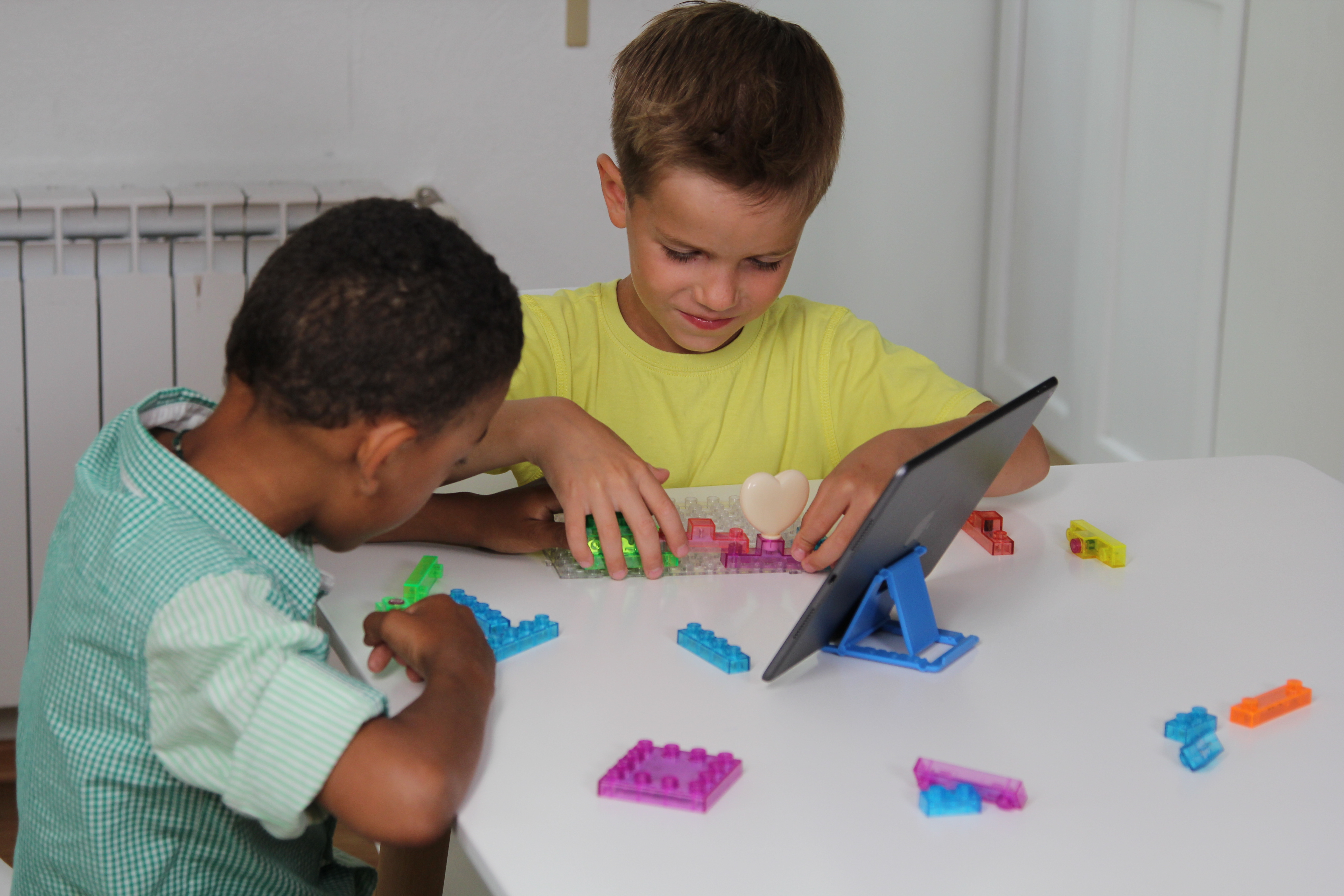



Improving categorization skills in children aged 4-7 is vital for their cognitive development and academic success. At this age, children's brains are rapidly developing, making it an opportune time to teach them how to observe, compare, and organize information. Categorization skills aid in critical thinking, helping children identify relationships and patterns in their environments.
For parents and teachers, fostering these skills can enhance a child’s ability to tackle more complex concepts later in life. Strong categorization skills assist in subjects like math and science, where understanding how to group objects and identify similarities is fundamental. Furthermore, these skills promote language development, as children learn new vocabulary through grouping and defining items.
Socially, being able to categorize helps children navigate their interactions with peers, as they begin to recognize different social groups and dynamics. It enables them to develop empathy by understanding differences and similarities among themselves and others. Whether it’s sorting blocks by color or categorizing animals, these activities can lead to enriched conversations, engagement, and discovery. Ultimately, prioritizing categorization skills sets a strong foundation for lifelong learning and problem-solving abilities, making it essential for the educational and personal growth of young children.








