
Improving handwriting Worksheets for Ages 4-7
3 filtered results
Difficulty Level
Grade
Age
-
From - To
Subject
Activity
Standards
Discover our engaging "Improving Handwriting Worksheets for Ages 4-7," specifically designed to enhance your child's writing skills. These versatile worksheets focus on developing fine motor abilities, letter recognition, and proper pencil grip, making learning fun and effective. Each worksheet includes a variety of activities such as tracing letters, connecting dots, and creative writing prompts, tailored to keep young learners motivated. Perfect for homeschooling, classroom use, or extra practice, these resources promote confidence in handwriting and foster a lifelong love for writing. Help your child flourish in their early education with our easy-to-use, printable worksheets. Start their handwriting journey today!
Favorites
With answer key
Interactive
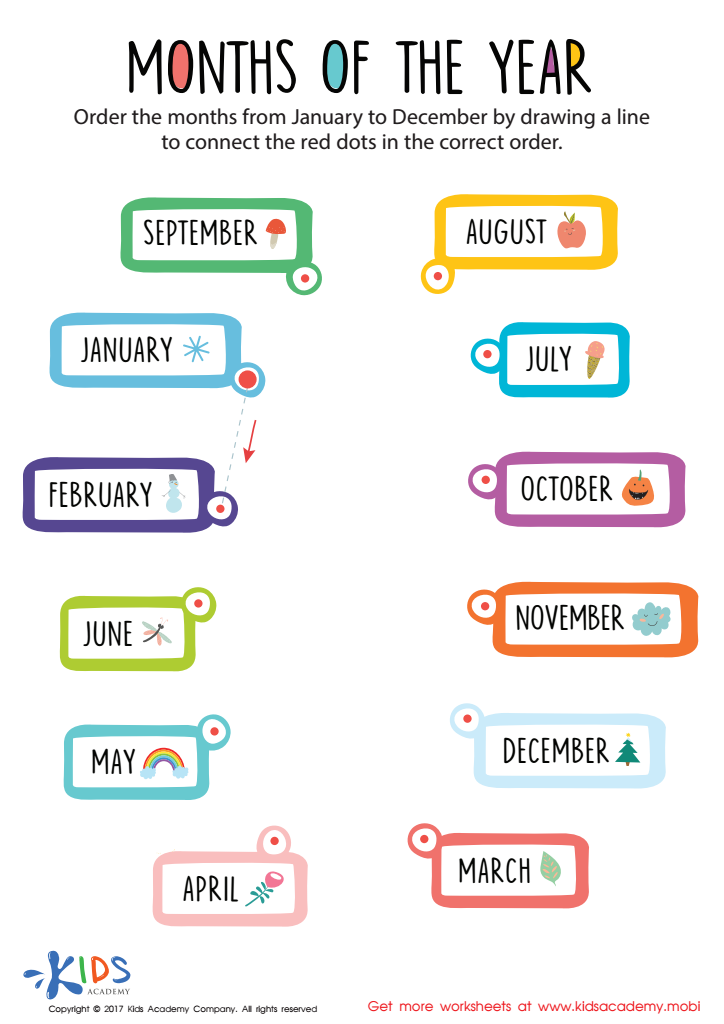
Months of the Year Worksheet
Challenge your child with this months of the year worksheet! Help them remember the yearly calendar by having them connect the dots from January to December. It's a fun way to test their knowledge of the twelve months and sharpen their memory!
 Assign to My Students
Months of the Year Worksheet
Worksheet
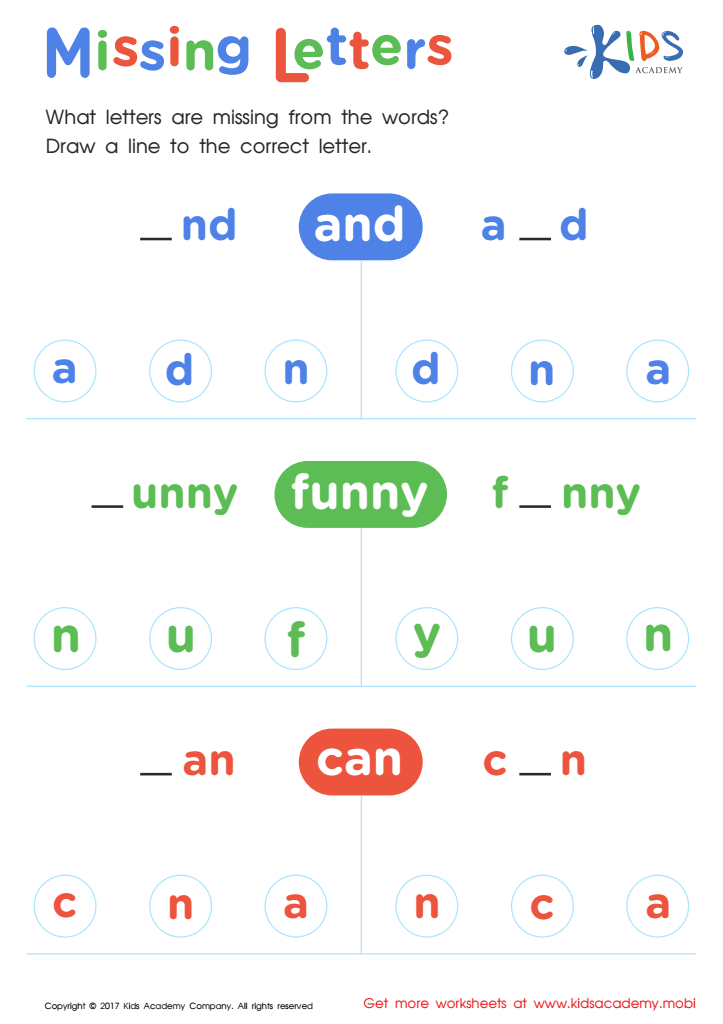
Missing Letters Worksheet
Review sight words with this fun matching worksheet from Kids Academy! Look at the sight words in the middle, read them aloud and find the missing letter on each side for each word. Draw a line to the correct letter to complete the sheet!
Missing Letters Worksheet
Worksheet
Join Kids Academy for Free
Who is primarily going to use this learning content?







Improving handwriting for children ages 4 to 7 is essential for several reasons. First, this developmental stage is critical for fine motor skills, which form the foundation of writing proficiency. When children focus on their handwriting, they engage their hand-eye coordination, dexterity, and muscle strength, all of which are vital for their overall physical development.
Secondly, legible handwriting boosts a child's confidence and encourages positive attitudes toward learning. Children who can write clearly feel more capable in their academic abilities, which can increase their motivation to engage with schoolwork. Improved handwriting can also lead to better grades, as clear communication of their ideas and knowledge is often reflected in their written assignments.
Additionally, writing is a fundamental skill that supports literacy development. If children struggle with handwriting, it can hinder their ability to express themselves fully and share their thoughts. Early intervention helps establish effective habits, promoting a deeper understanding of language structure and spelling conventions.
Finally, the digital age notwithstanding, handwriting remains an essential skill in everyday life, from note-taking to signing important documents. By prioritizing handwriting improvement, parents and teachers can equip children with the necessary skills to navigate both their academic journeys and life beyond the classroom effectively.








