Improving observation Worksheets for Ages 4-7
3 filtered results
-
From - To
Enhance your child's observational skills with our "Improving Observation Worksheets for Ages 4-7." Designed for early learners, these engaging worksheets help develop attention to detail, critical thinking, and cognitive abilities through fun and interactive activities. Children will explore various themes, from identifying differences in images to spotting hidden objects, all while building confidence and concentration. Our age-appropriate exercises make learning enjoyable and effective, fostering a love for exploration and discovery. Perfect for home or classroom use, these worksheets are an essential resource for nurturing young minds and paving the way for academic success. Download now and watch your child's skills flourish!
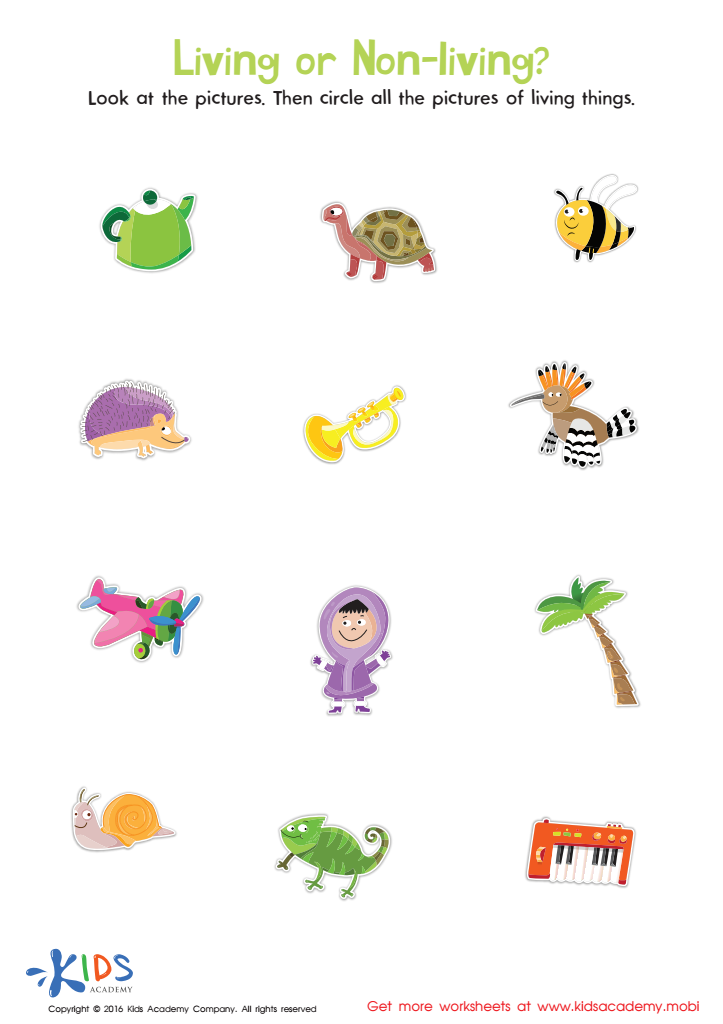
Identifying Living and Non–living Things Sorting Worksheet
 Assign to My Students
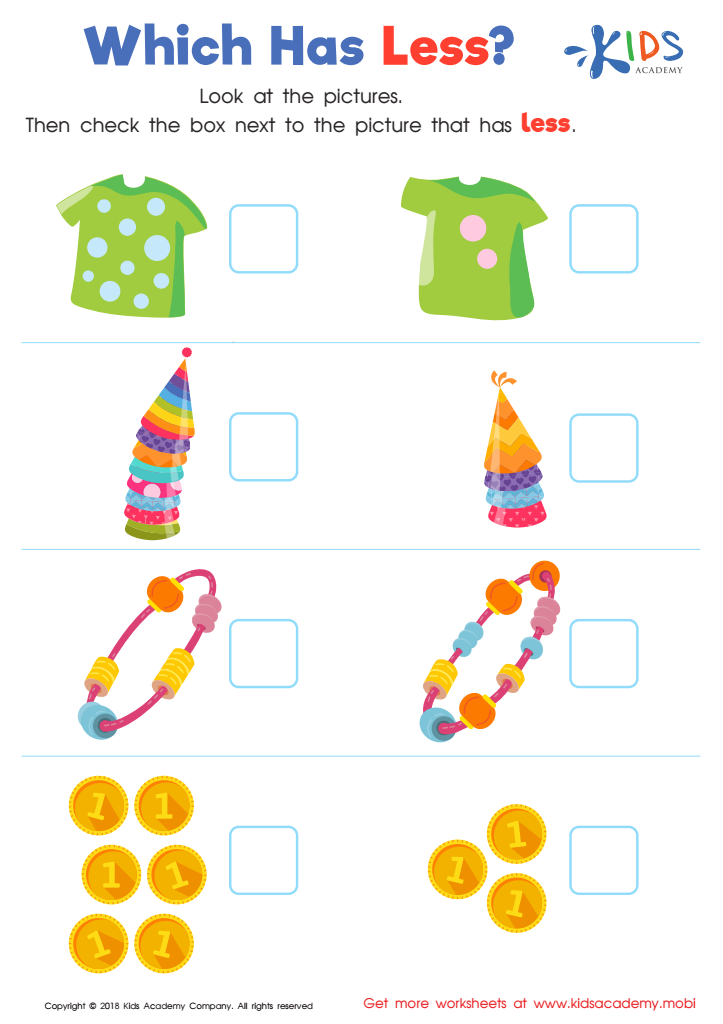
Which Has Less? Worksheet
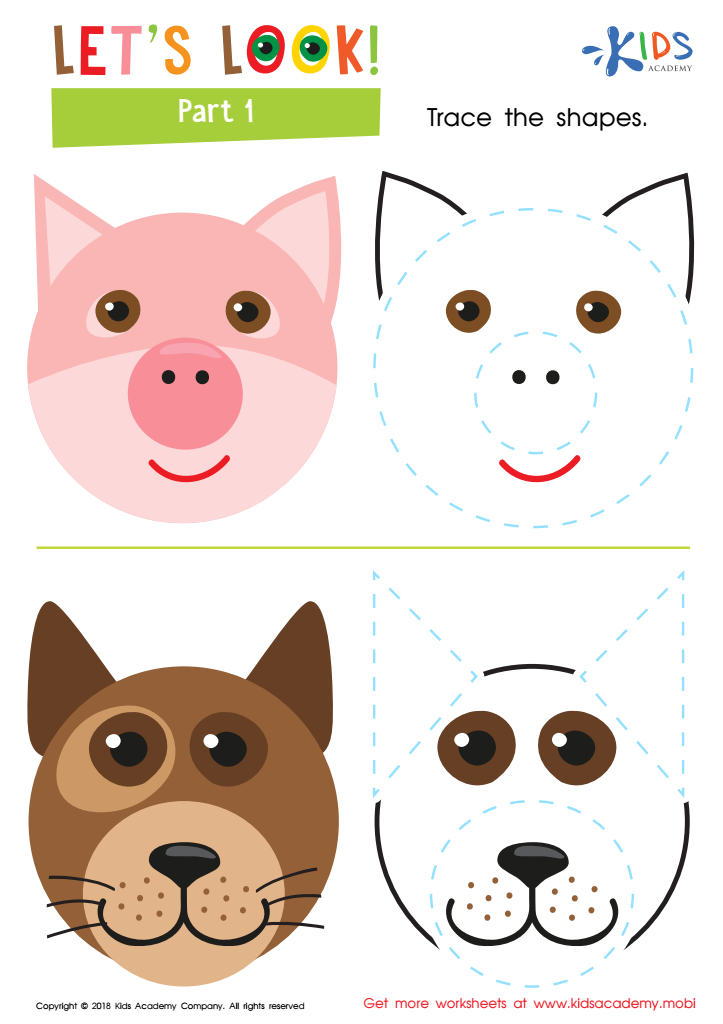
Let's Look! Part 1 Worksheet







Improving observation skills in children aged 4-7 is crucial for their holistic development. During these formative years, children are naturally curious and eager to explore their environments. By honing their observational skills, parents and teachers can foster critical thinking, creativity, and attention to detail. Observational experiences can promote better understanding of the world, as children learn to notice patterns, make connections, and form ideas based on what they see.
Furthermore, enhanced observation helps in developing language skills. When children articulate what they observe, they expand their vocabulary and improve communication abilities. Additionally, these skills can lead to stronger relationships; children learn empathy and social cues by observing the feelings and behaviors of others.
For educators, improved observation leads to customized teaching approaches, allowing them to identify the unique needs and strengths of each child. This understanding can inform lesson plans, making learning more engaging and effective. Parents also benefit, as they can better support their child's learning journey by reinforcing what they observe in various settings.
In summary, focusing on improving observational skills in young children lays a strong foundation for academic success, social-emotional development, and lifelong learning. It is an investment in their future.








