Letter-sound association Worksheets for Ages 4-7
13 filtered results
-
From - To
Introducing our Letter-Sound Association Worksheets for Ages 4-7, designed to make learning phonics fun and engaging! Perfect for early learners, these worksheets teach kids to recognize letters and connect them with their corresponding sounds. With vibrant illustrations, interactive activities, and age-appropriate challenges, children will develop essential reading skills while enjoying the process. Ideal for both parents and teachers, our worksheets support children in mastering the building blocks of literacy, enhancing their confidence in reading fluency. Give your young learners a head start on their reading journey with our expertly crafted educational resources!
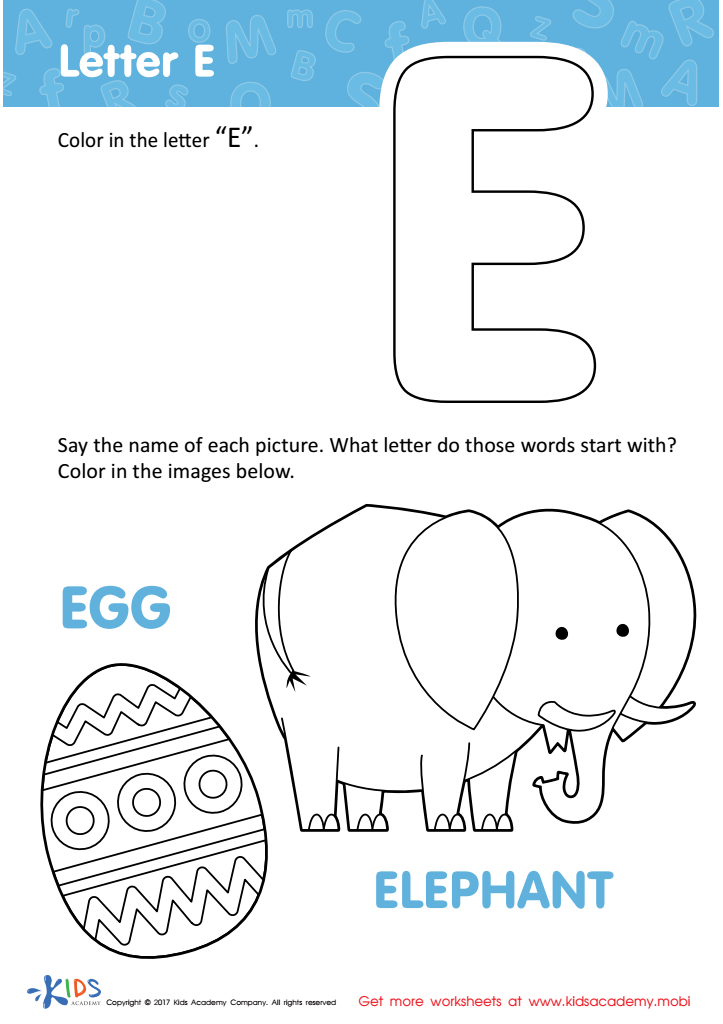
Letter E Coloring Sheet
 Assign to My Students
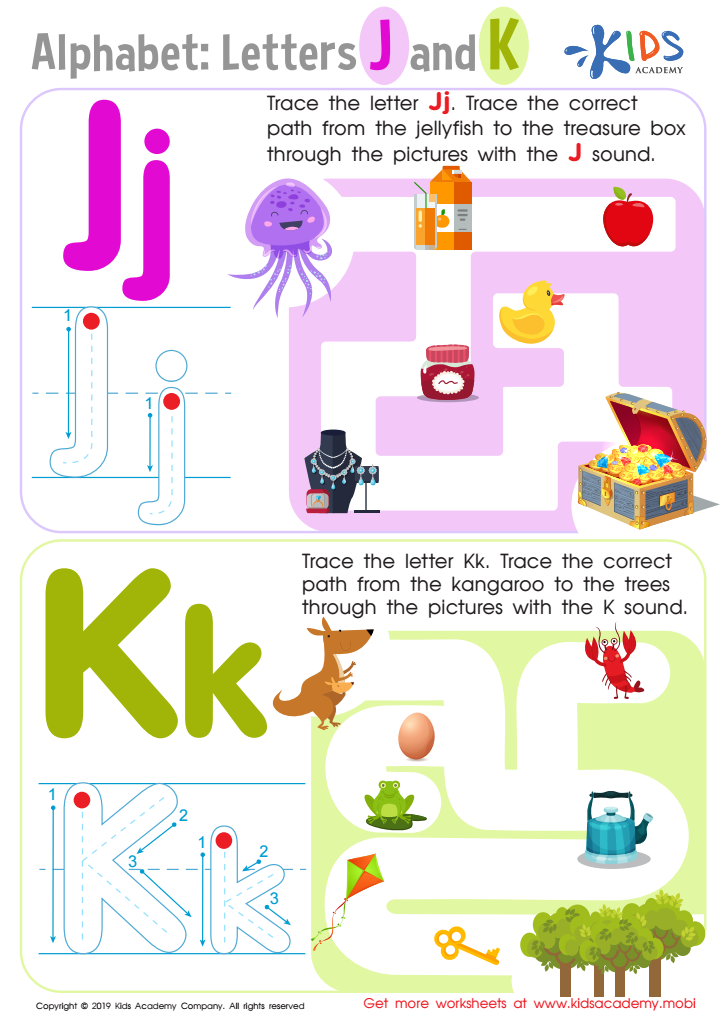
Letters J and K Tracing Worksheet
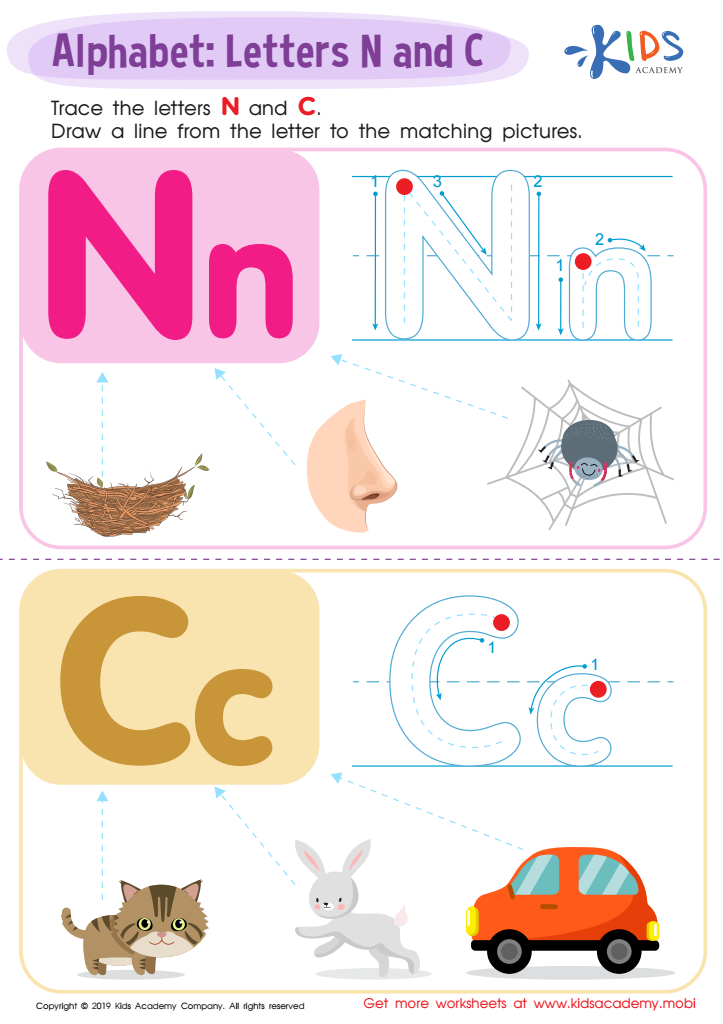
Letter N and C Tracing Worksheet
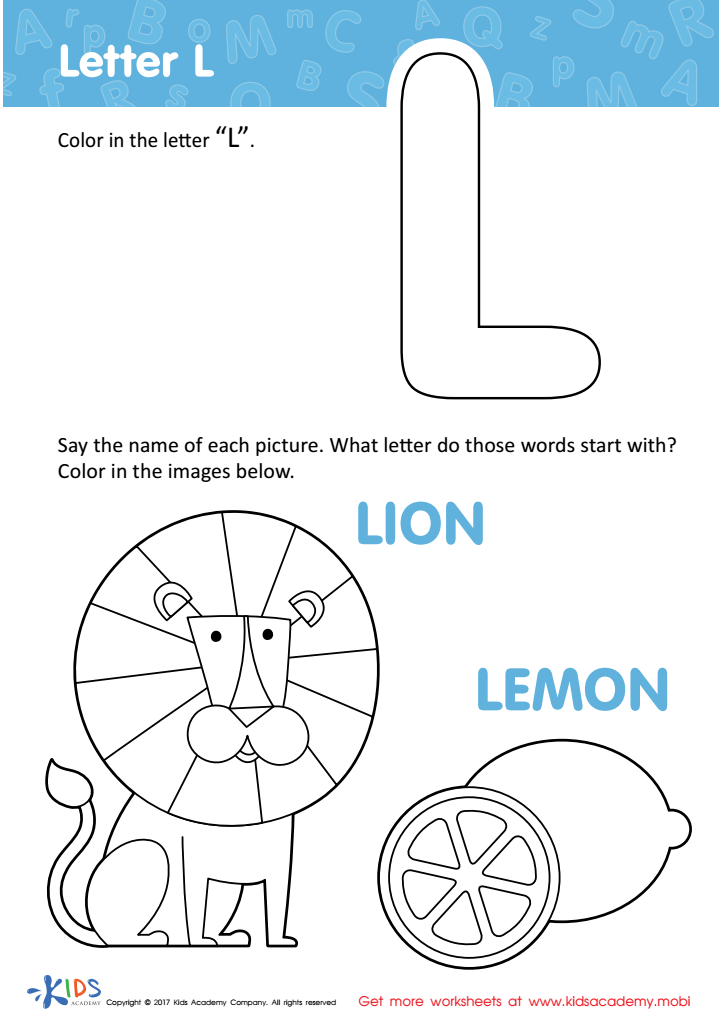
Letter L Coloring Sheet
Assign to My Students
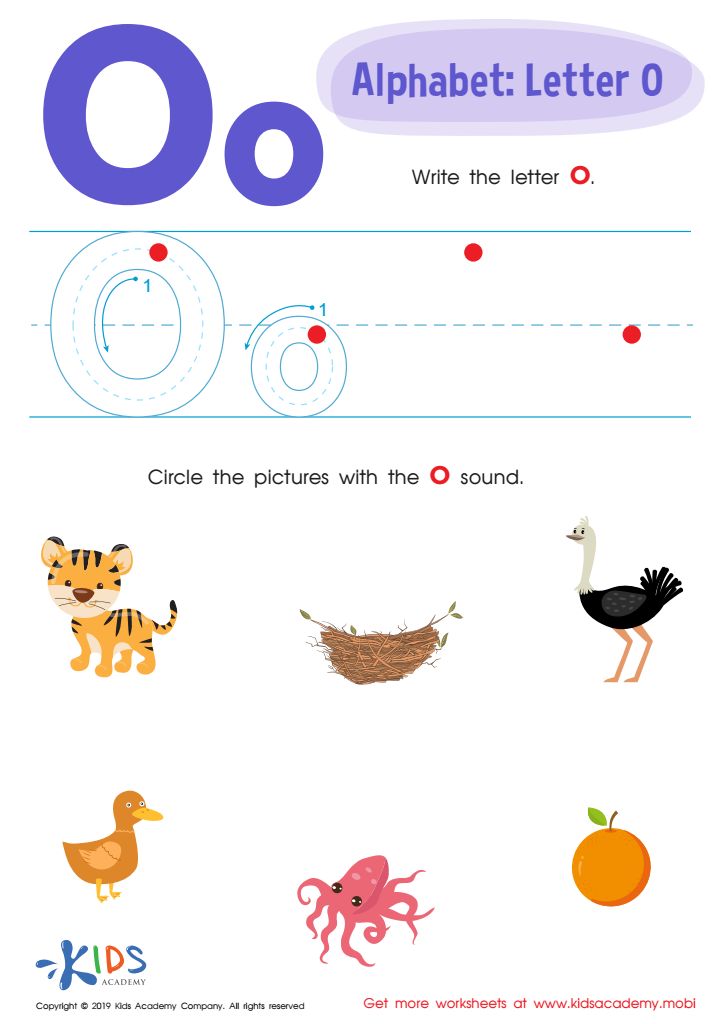
Letter O Tracing Worksheet
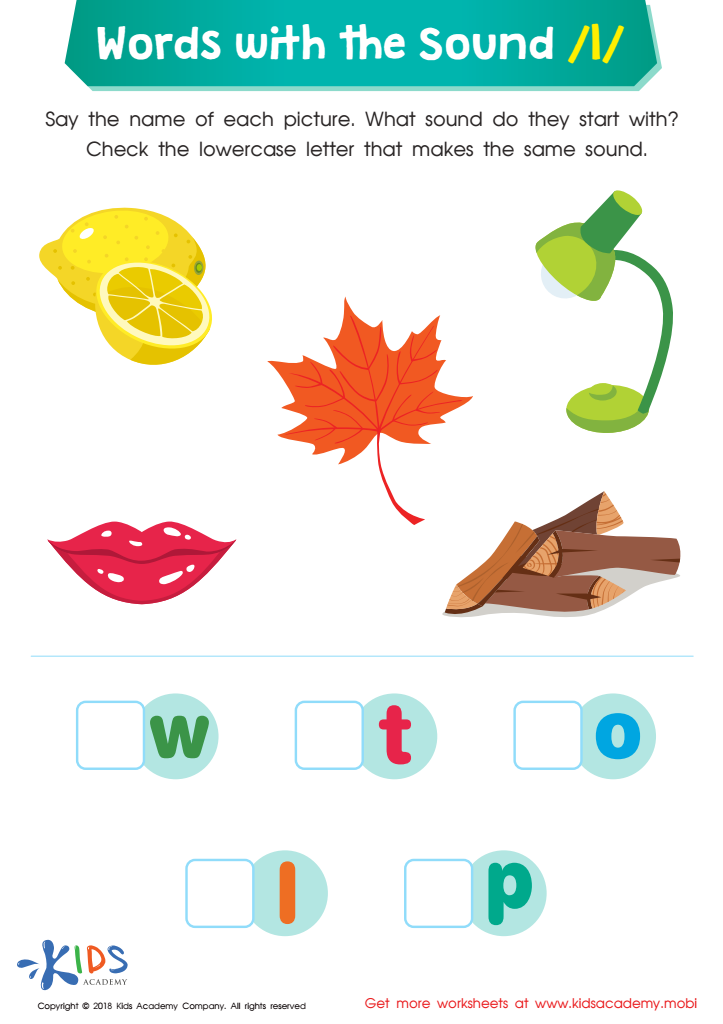
Words with Sound L Reading Worksheet
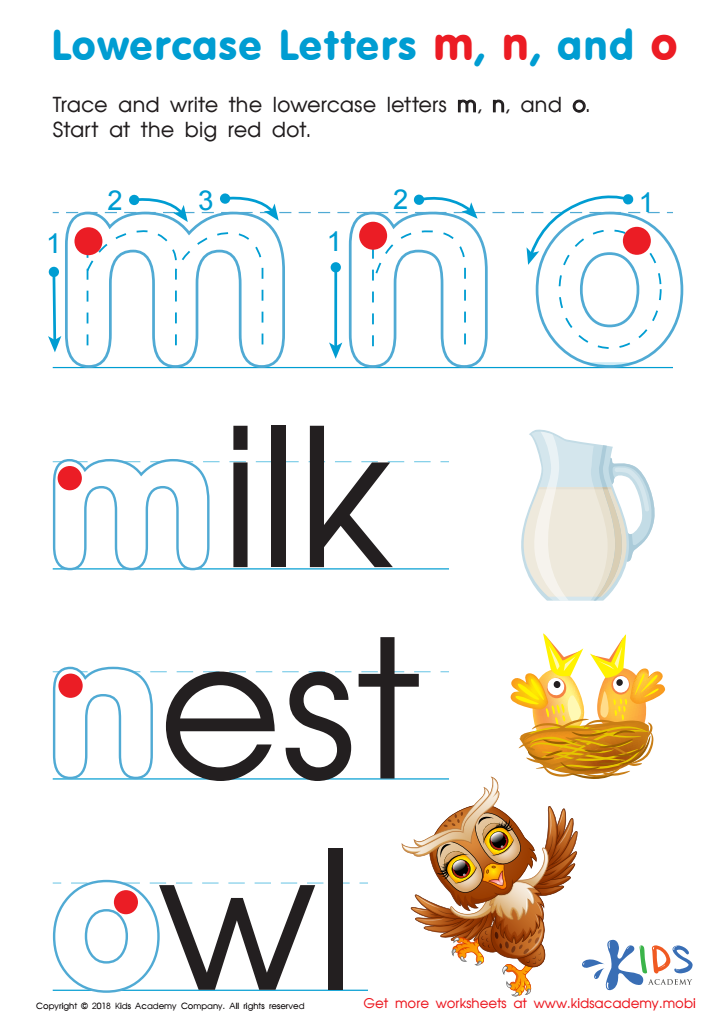
Lowercase Letters m n o Worksheet
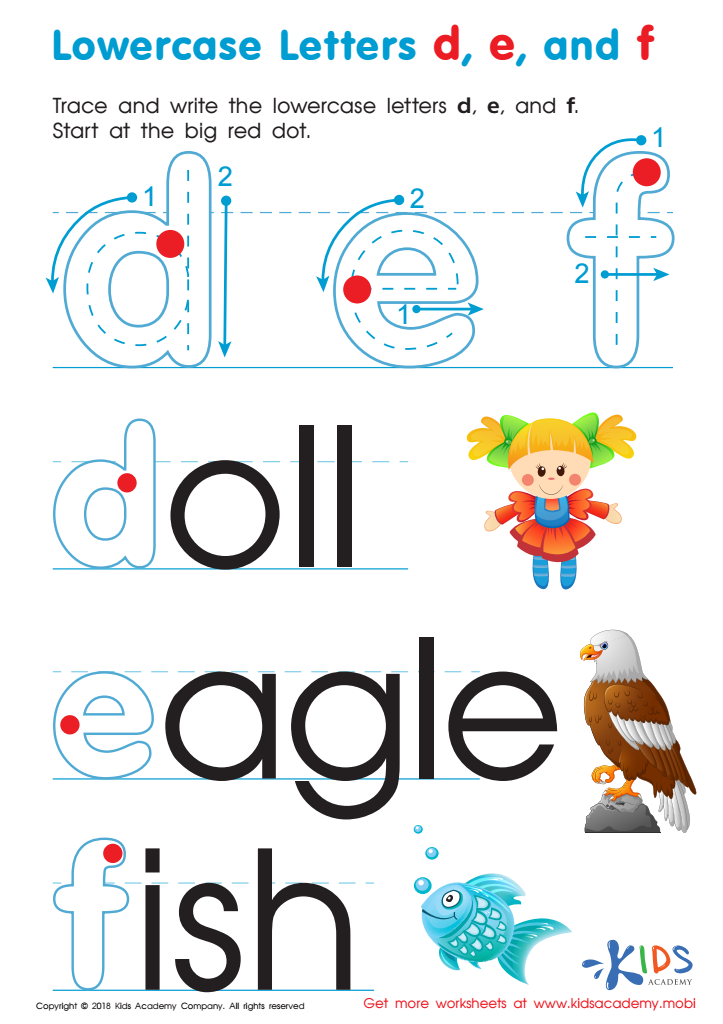
Lowercase Letters d e f Worksheet
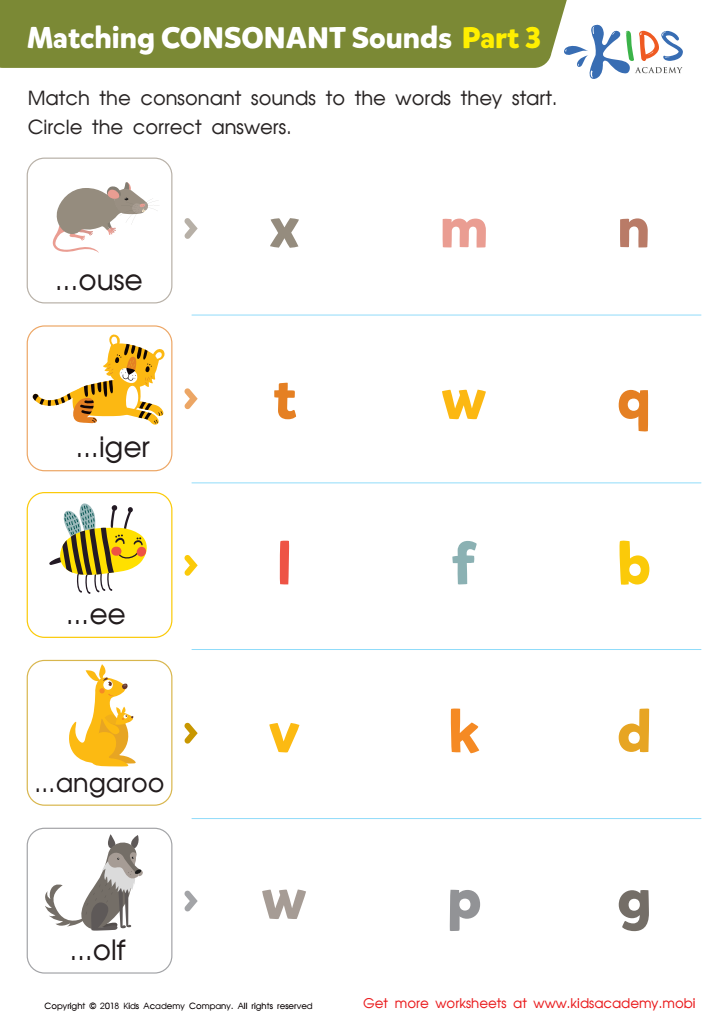
Matching Consonant Sounds: Part 3 Worksheet
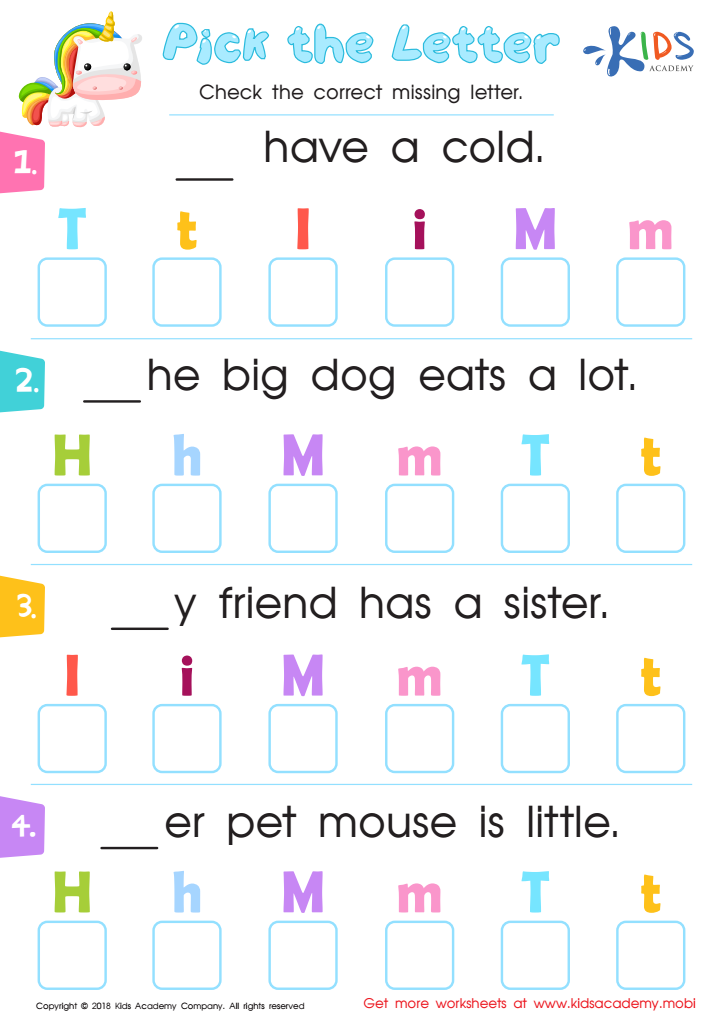
Pick the Letter Worksheet
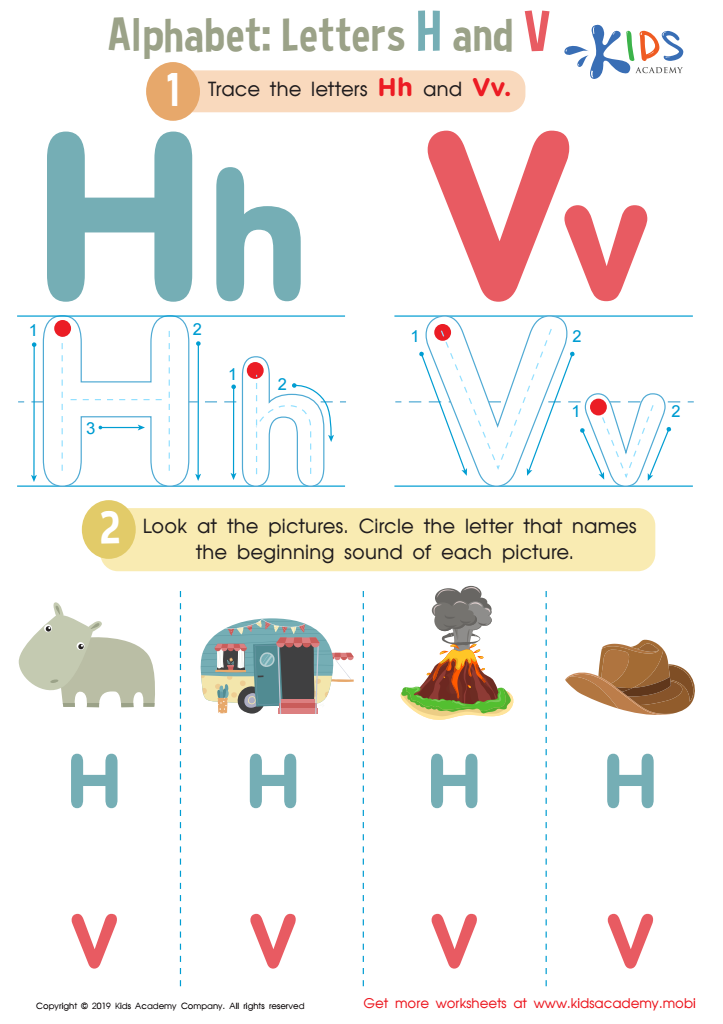
Letters H and V Tracing Worksheet
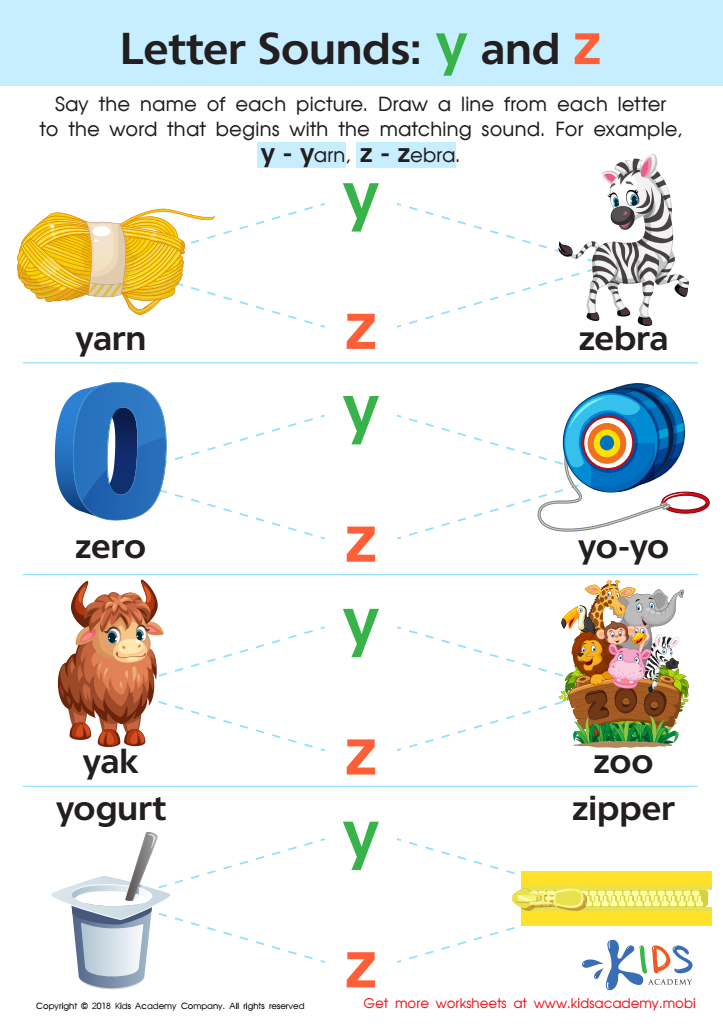
Letter Y and Z Sounds Worksheet






Letter-sound association is foundational for early reading skills, making it essential for parents and teachers to emphasize this concept with children aged 4-7. This age is a crucial period for neurological development, and strong letter-sound relationship skills enable effective decoding of words, the basis of reading fluency.
When children understand that letters represent specific sounds, they can begin to blend these sounds to form words and recognize patterns in language. This competence allows them not only to read simple texts but also to build a robust vocabulary and comprehension abilities. Struggles with letter-sound associations can hinder these essential literacy skills, leading to frustrations and a potential aversion to reading.
In addition, developing this literacy foundation early makes future learning across all subjects more accessible. When children read proficiently, they gain overall confidence, experience increased academic success, and foster greater self-esteem. Thus, by ensuring that children grasp letter-sound associations through engaging and diverse activities—such as phonics games, interactive reading, and hands-on letter manipulations—adults support a child's long-term literacy development. This solid foundation ultimately enhances communication, critical thinking, and problem-solving abilities necessary not just for school, but for everyday life. Investing time, energy, and resources into this aspect of early education pays dividends that can influence a child’s lifelong relationship with learning.








