Numeracy development Worksheets for Ages 4-7
5 filtered results
-
From - To
Our Numeracy Development Worksheets for Ages 4-7 are designed to provide young learners with a strong foundation in math skills. These engaging worksheets cover essential topics such as counting, number recognition, basic addition and subtraction, shapes identification, and pattern recognition. With vibrant illustrations and age-appropriate activities, children will happily immerse themselves in learning while developing their numeracy skills. Each worksheet is crafted to align with educational standards, ensuring your child progresses through a structured learning path. Perfect for both at-home practice and classroom use, these resources will ignite a love for math in your young learner. Unlock your child’s potential today!
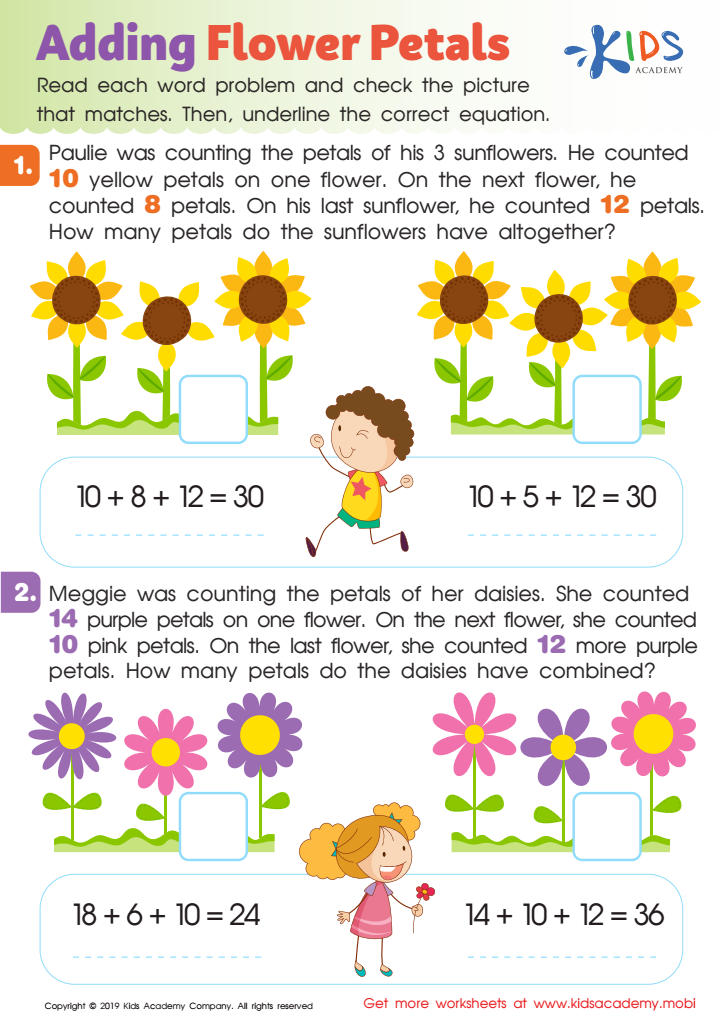
Adding Flower Petals Worksheet
 Assign to My Students
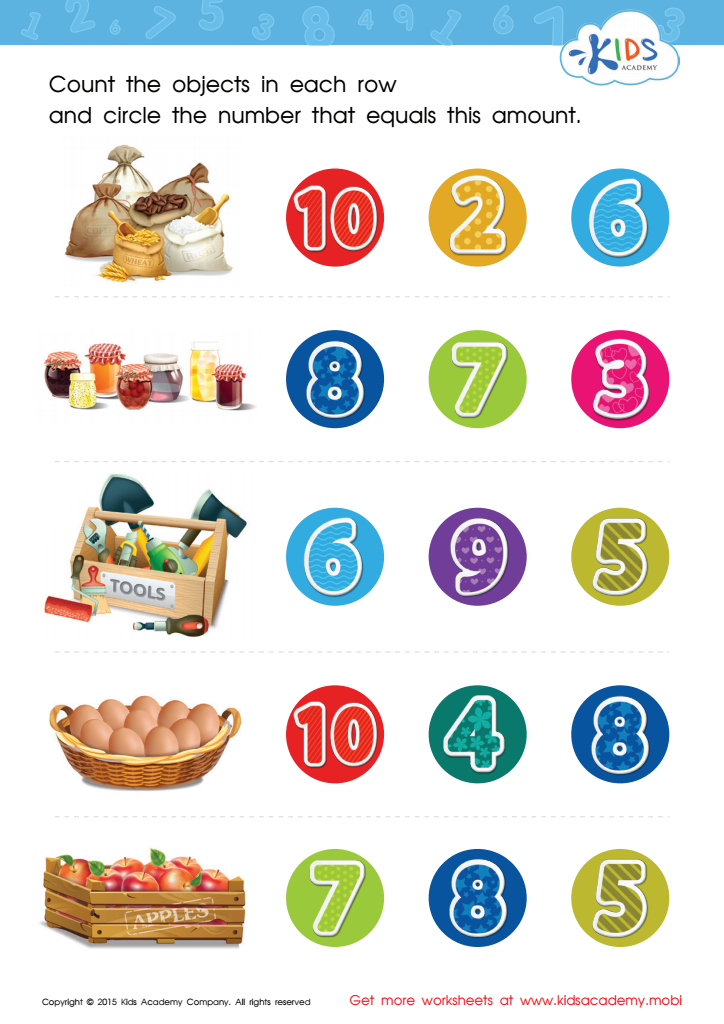
Count and Match 6 – 10 Math Worksheet
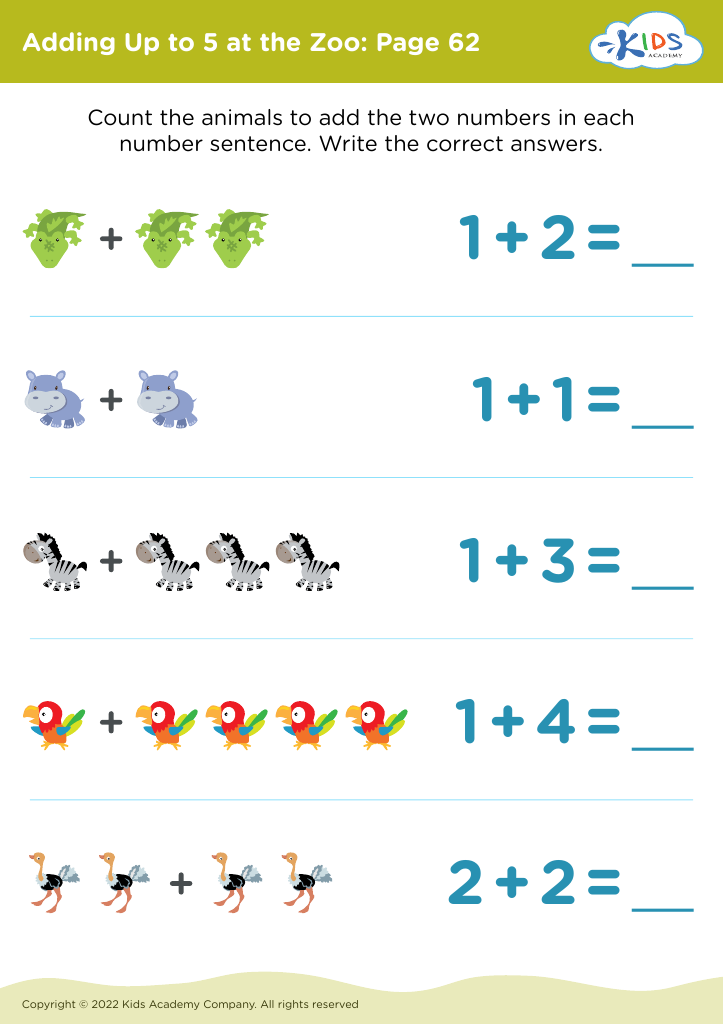
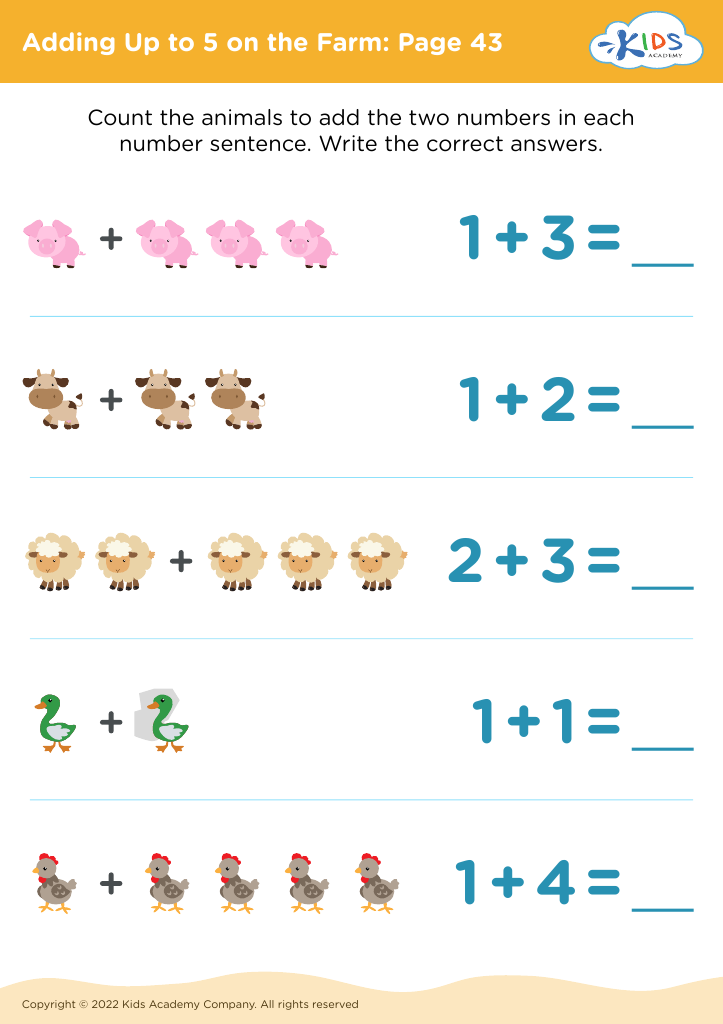

Sudoku Worksheet








Numeracy development for children aged 4-7 is crucial because it lays the foundation for future academic success and everyday life skills. During these formative years, children's brains are especially receptive to learning number concepts, patterns, and problem-solving techniques. By fostering a strong base in numeracy, parents and teachers empower children to grasp more complex mathematical concepts later on with greater ease and confidence.
Numeracy skills are not limited to arithmetic; they encompass understanding shapes, measurements, and logical reasoning. These abilities are vital for day-to-day activities such as telling time, handling money, and organizing tasks. Furthermore, early numeracy can boost self-esteem and reduce anxiety related to mathematics as children grow older.
Strong numeracy skills are also correlated with better performance in other academic areas. They enhance a child's ability to think critically, solve problems methodically, and make informed decisions. For parents and teachers, nurturing numeracy is not merely about immediate educational outcomes but about preparing children for a lifetime of informed and competent participation in society.
Beyond academics, numeracy encourages intellectual curiosity and an appreciation for learning, providing a platform for lifelong education and discovery. Thus, attentively developing these skills equips children with tools essential for both their current educational journey and future life endeavors.








