Observational skills Worksheets for Ages 4-7 - Page 2
29 filtered results
-
From - To
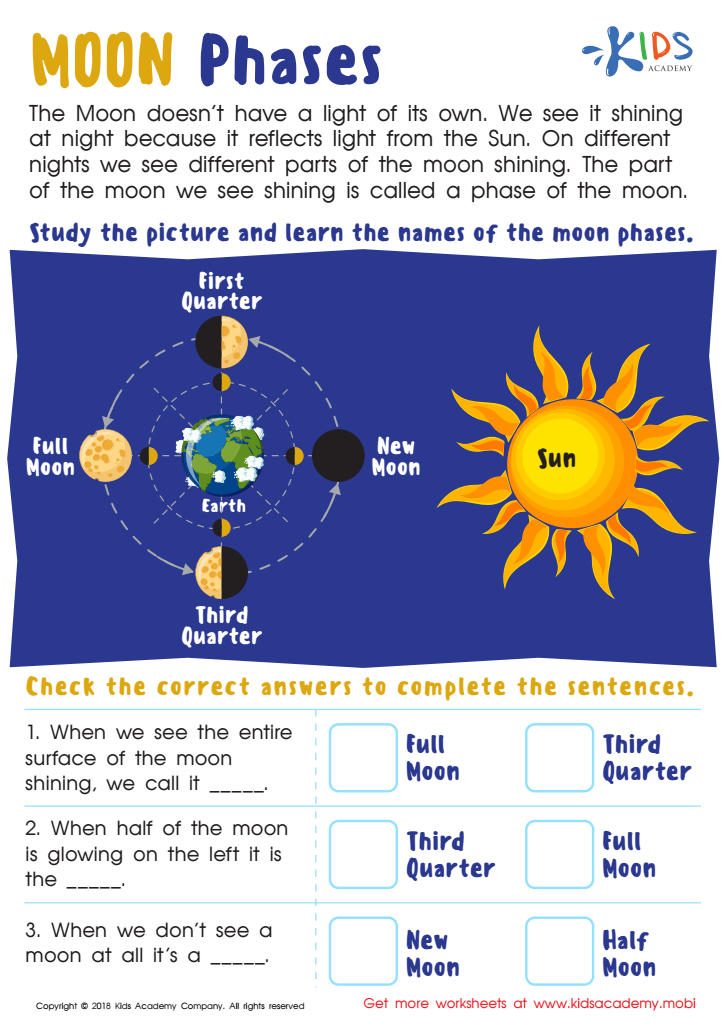
Moon Phases Worksheet
 Assign to My Students
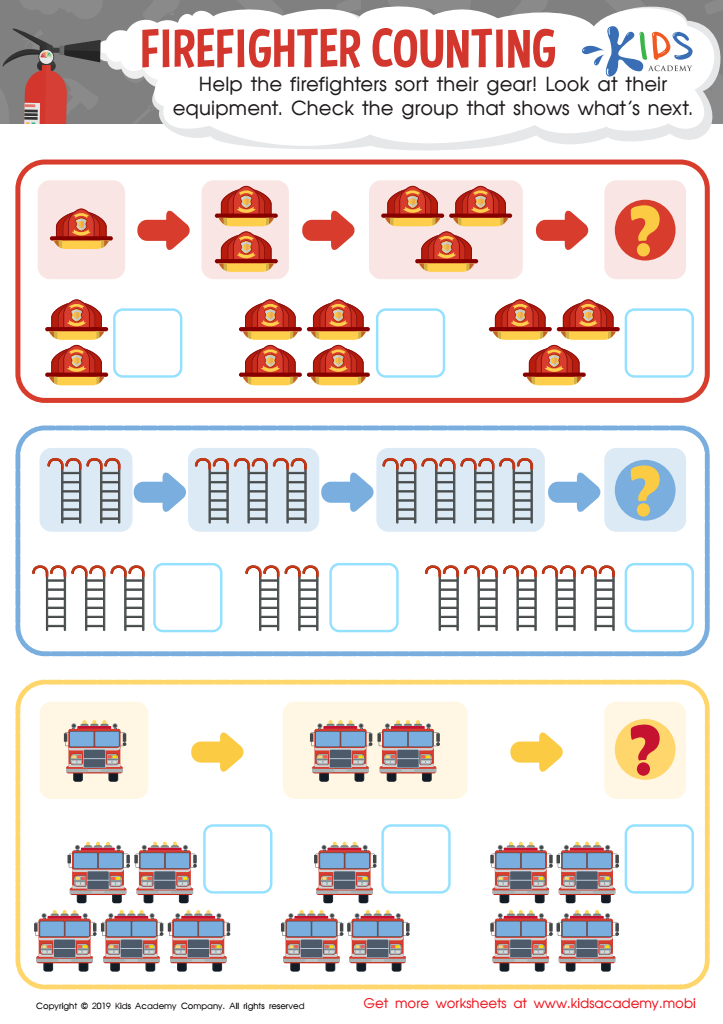
Firefighter Counting Worksheet
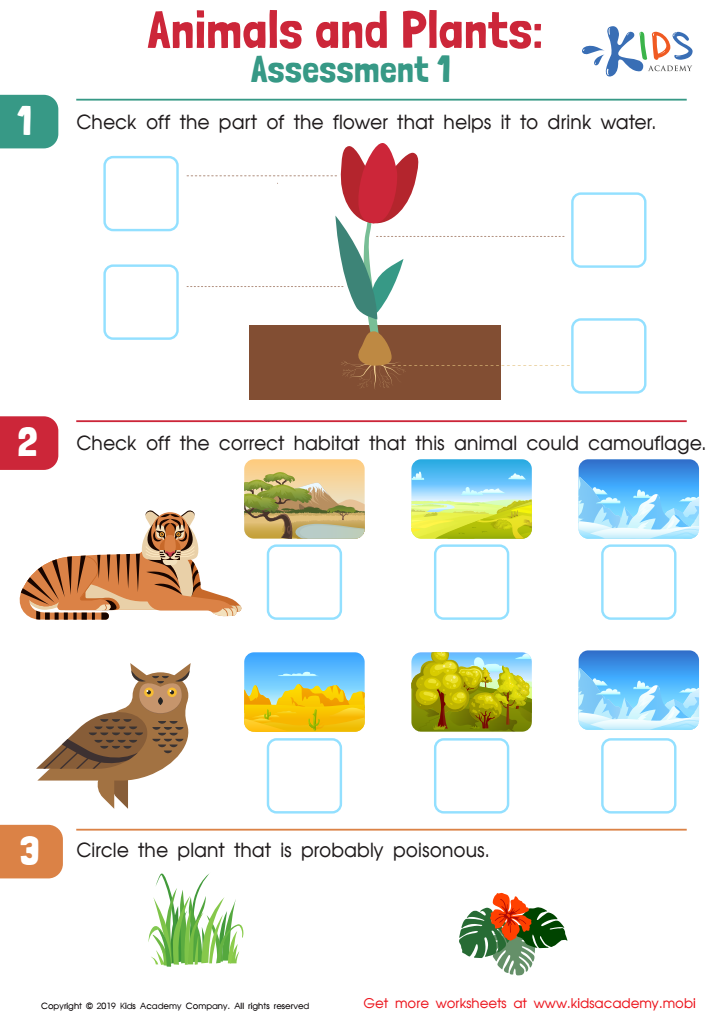
Animals and Plants: Assessment 1 Worksheet
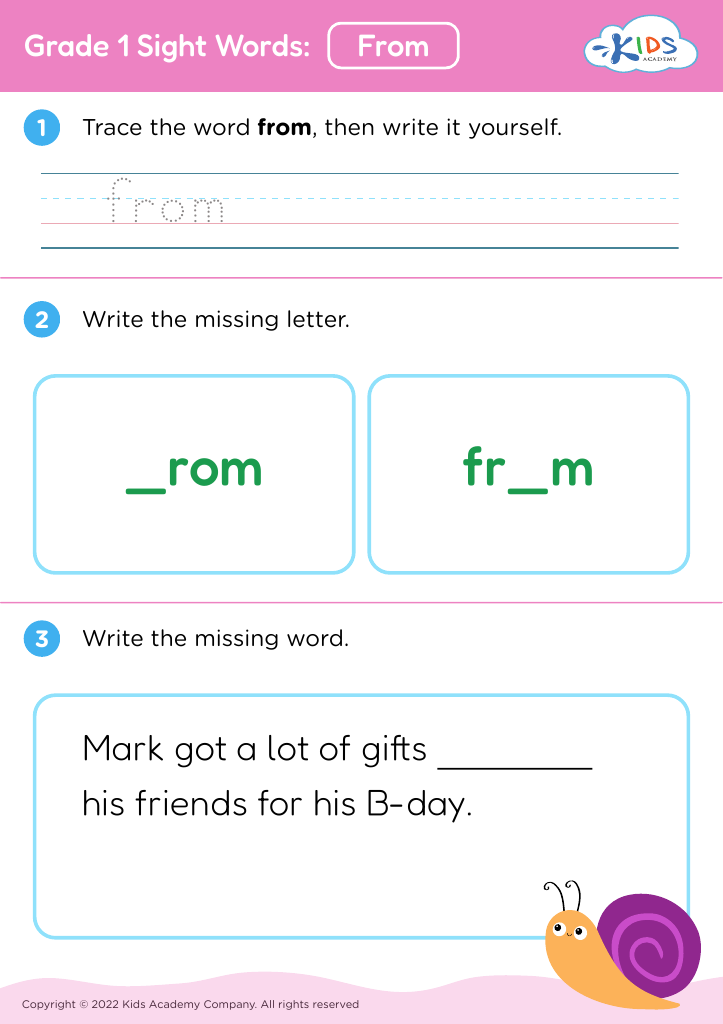






.jpg)
Observational skills are crucial for children aged 4-7 as they lay the foundation for learning, social interactions, and emotional development. During these formative years, children enhance their ability to notice, interpret, and respond to the world around them. Parents and teachers should prioritize the cultivation of these skills because they directly influence a child's cognitive and language development. Children with strong observational skills are more likely to engage in active learning, making connections between new concepts and prior knowledge.
By focusing on observational skills, caregivers can also support children's social skills. Noticing non-verbal cues, facial expressions, and body language are essential for developing empathy and understanding others' feelings. Additionally, children adept in observation can better navigate classroom settings and group activities, which fosters collaboration and teamwork.
Investing time in developing observational skills encourages curiosity and critical thinking. It helps children ask meaningful questions and seek answers, promoting a lifelong love of learning. For these reasons, parents and teachers play a crucial role in nurturing observational abilities, making a significant impact on children’s academic success and overall well-being. Engaging in everyday activities that encourage wondering and discovering will enrich a child’s educational journey and personal growth.








