Problem Solving Worksheets for Ages 4-7 - Page 2
42 filtered results
-
From - To
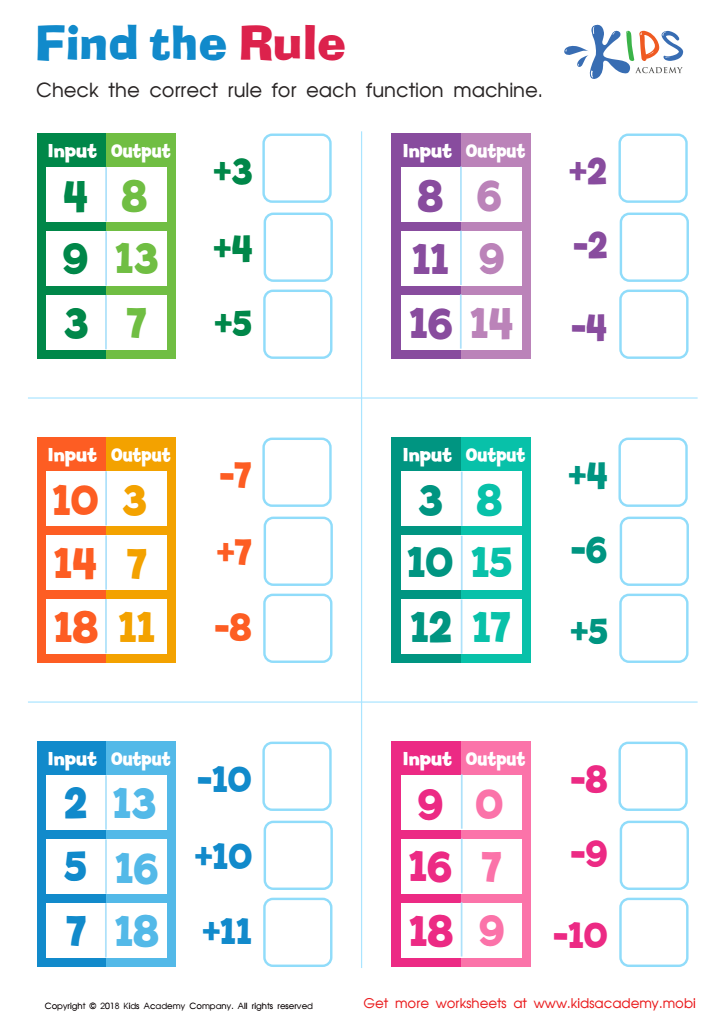
Find the Rule Worksheet
 Assign to My Students
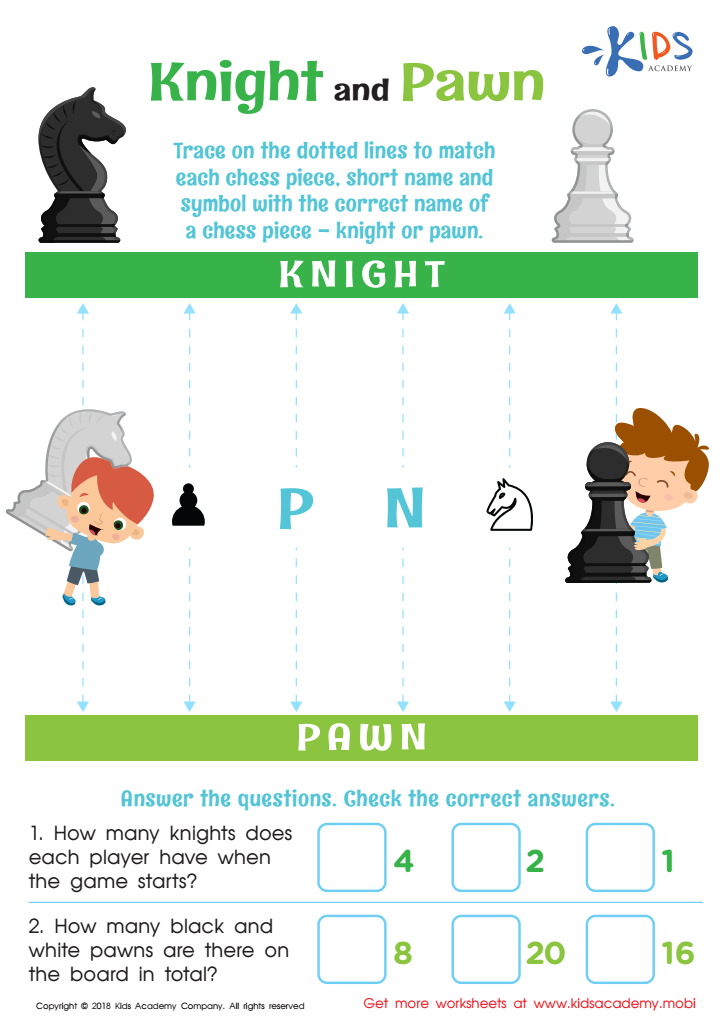
Knight and Pawn Worksheet
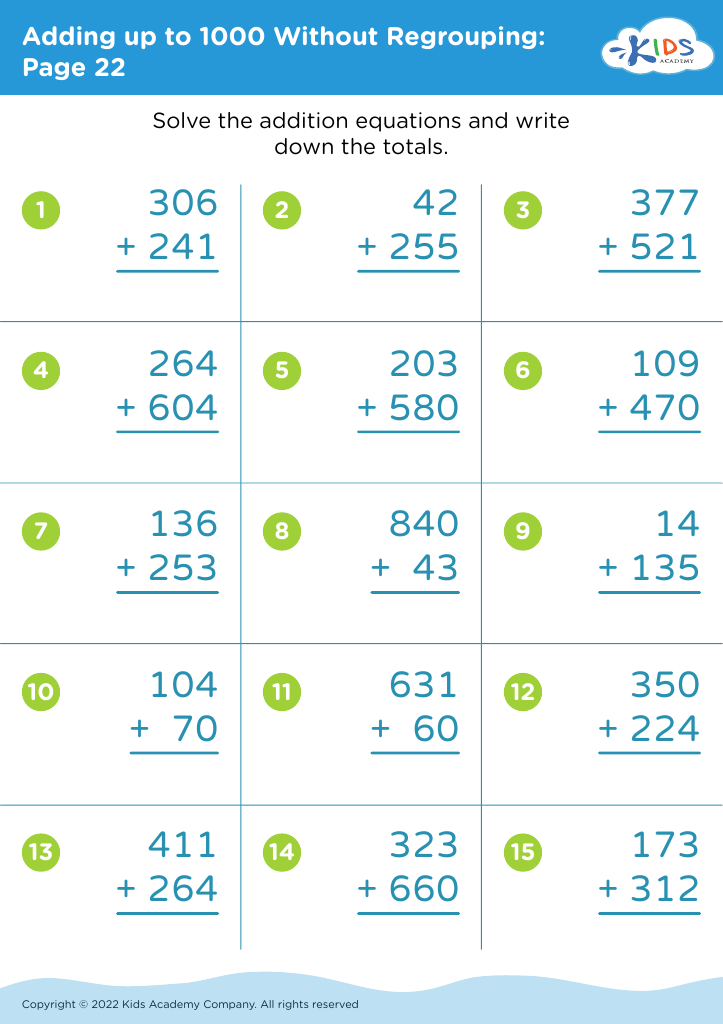
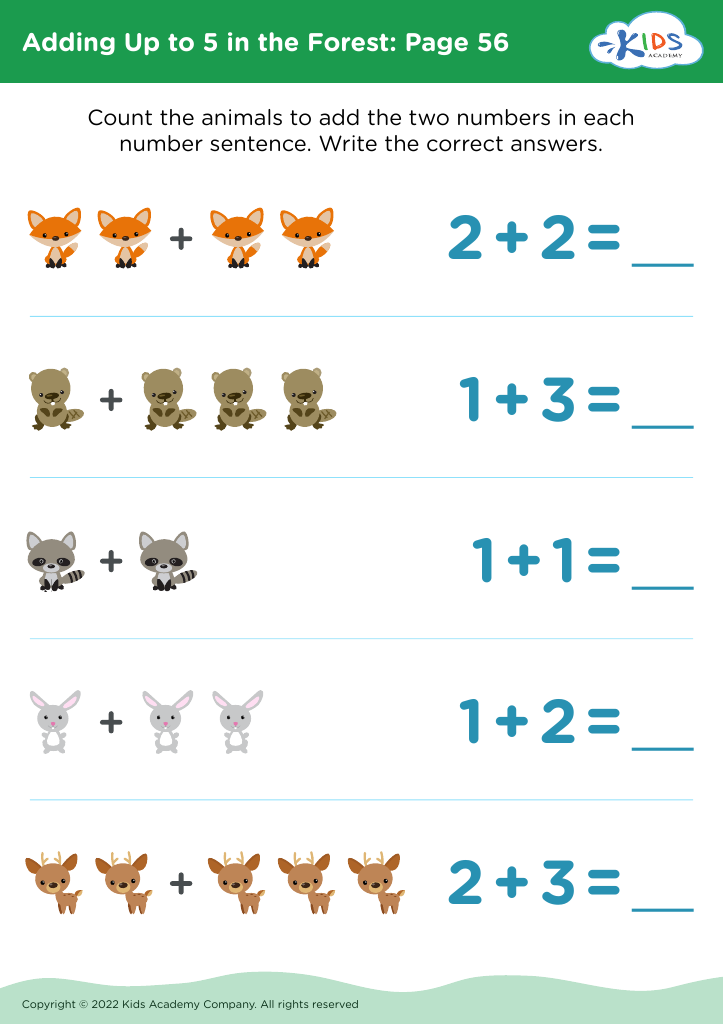
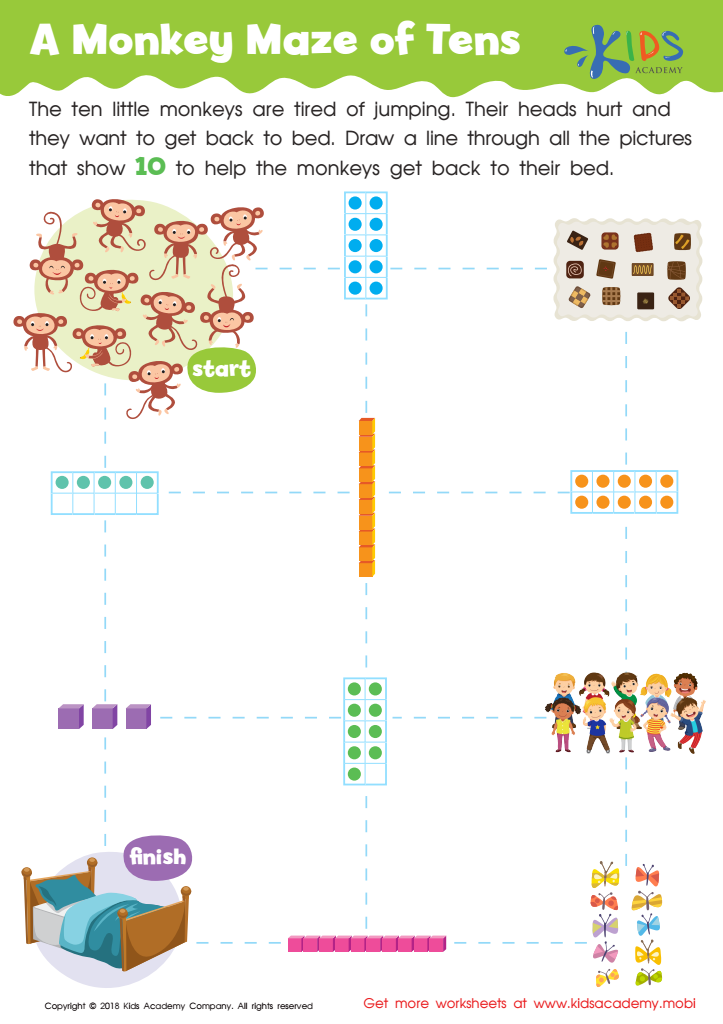
A Monkey Maze of Tens Worksheet
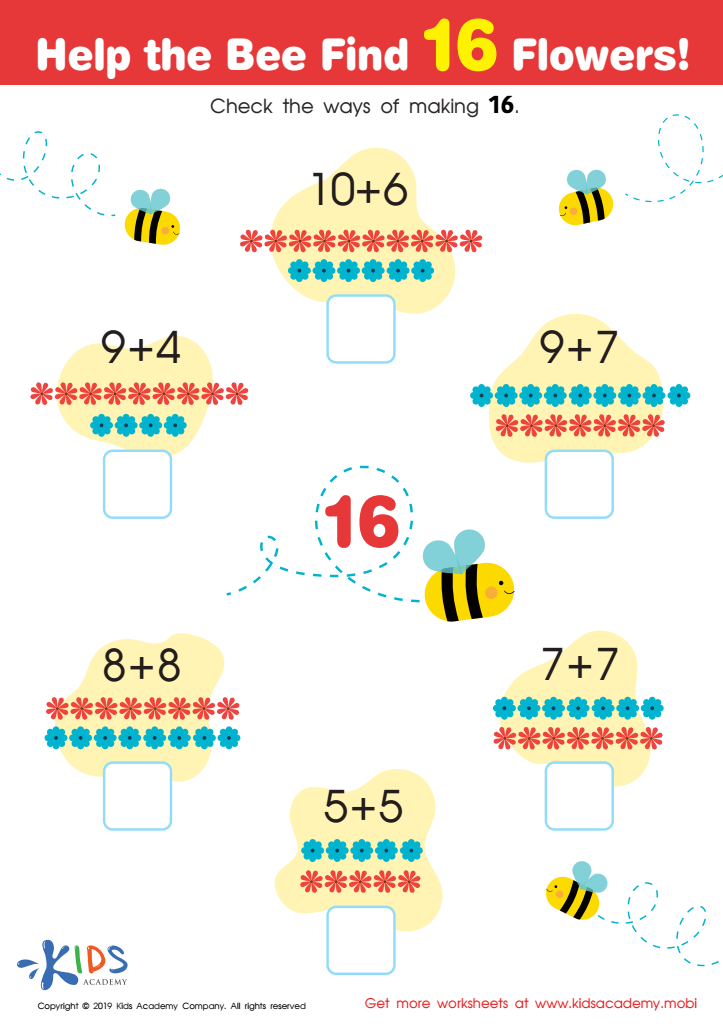
Help the Bee Find 16 Flowers Worksheet
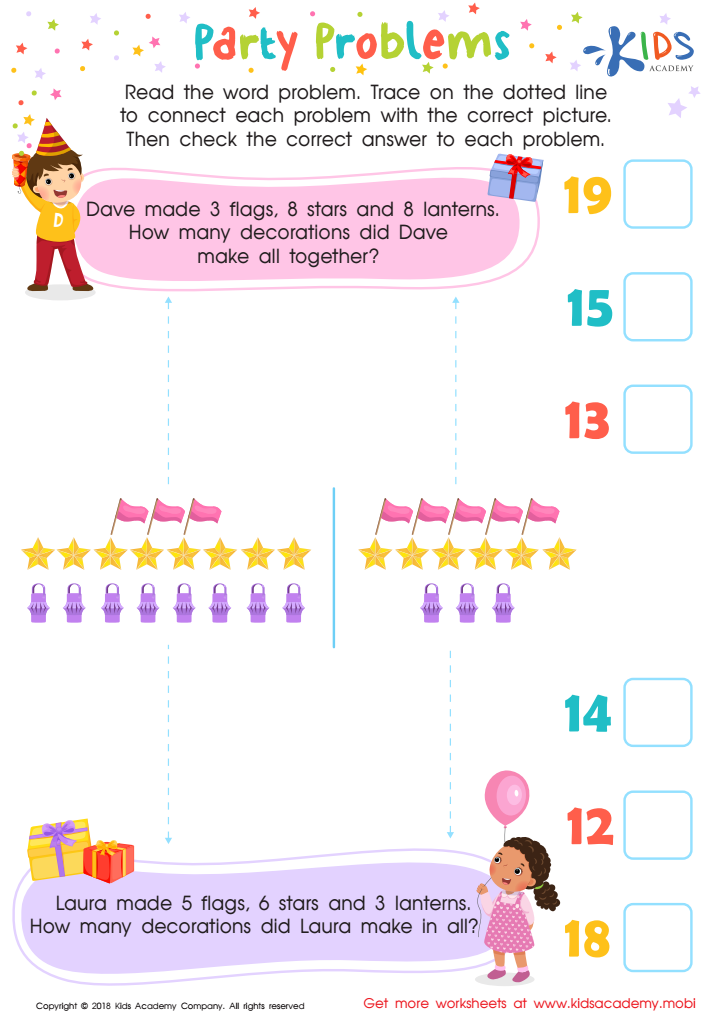
Party Problems Worksheet
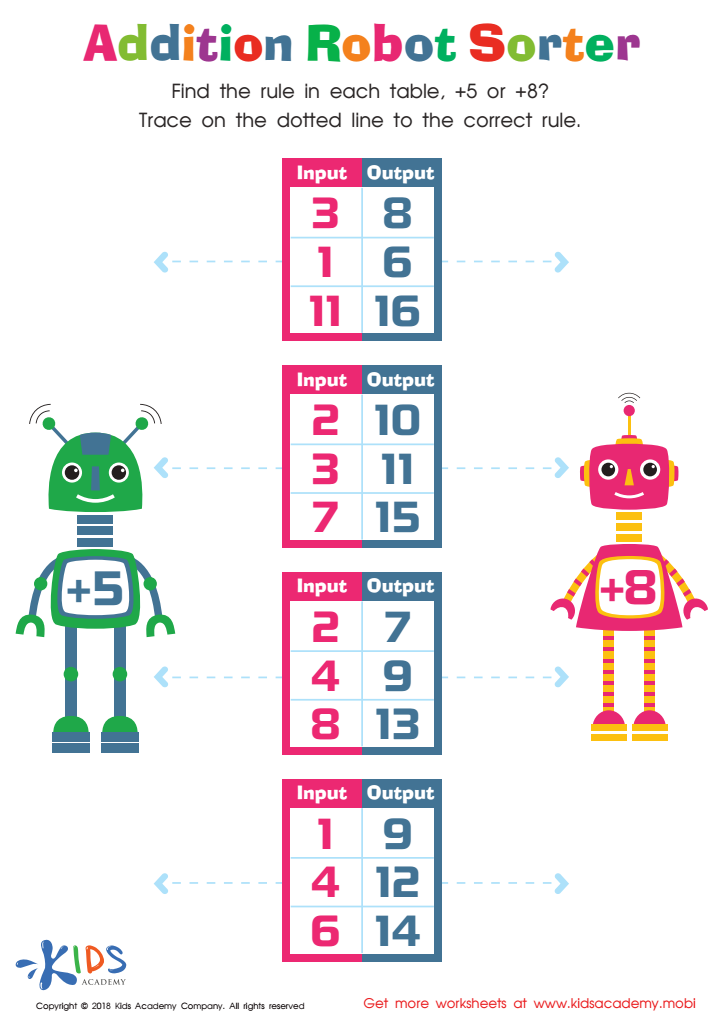
Addition Robot Sorter Worksheet
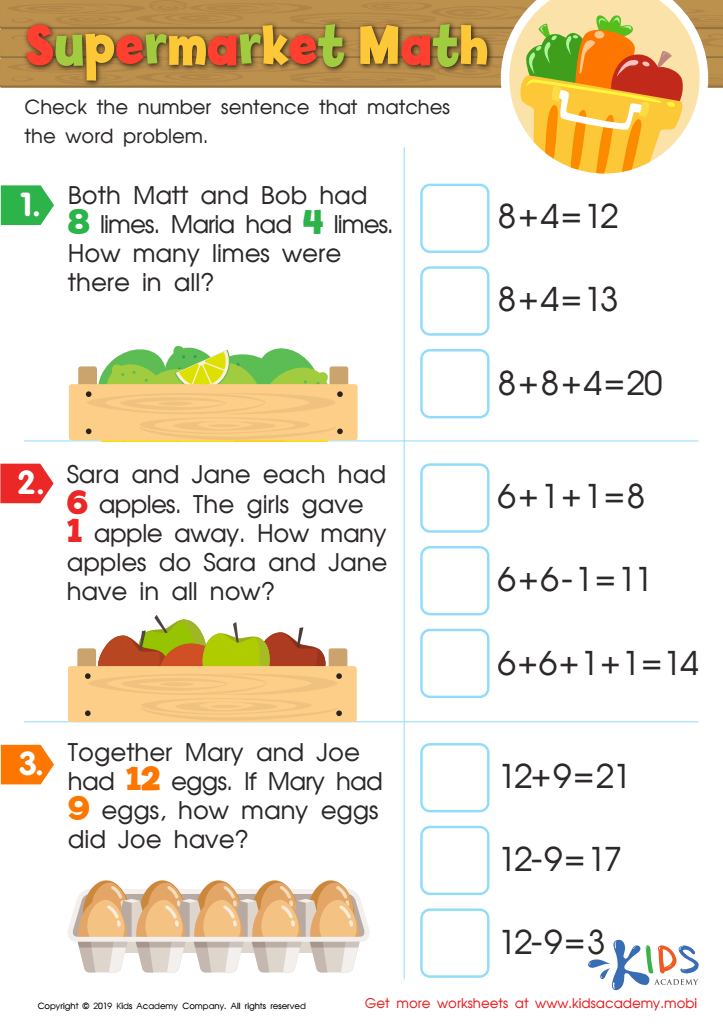
Supermarket Math Worksheet
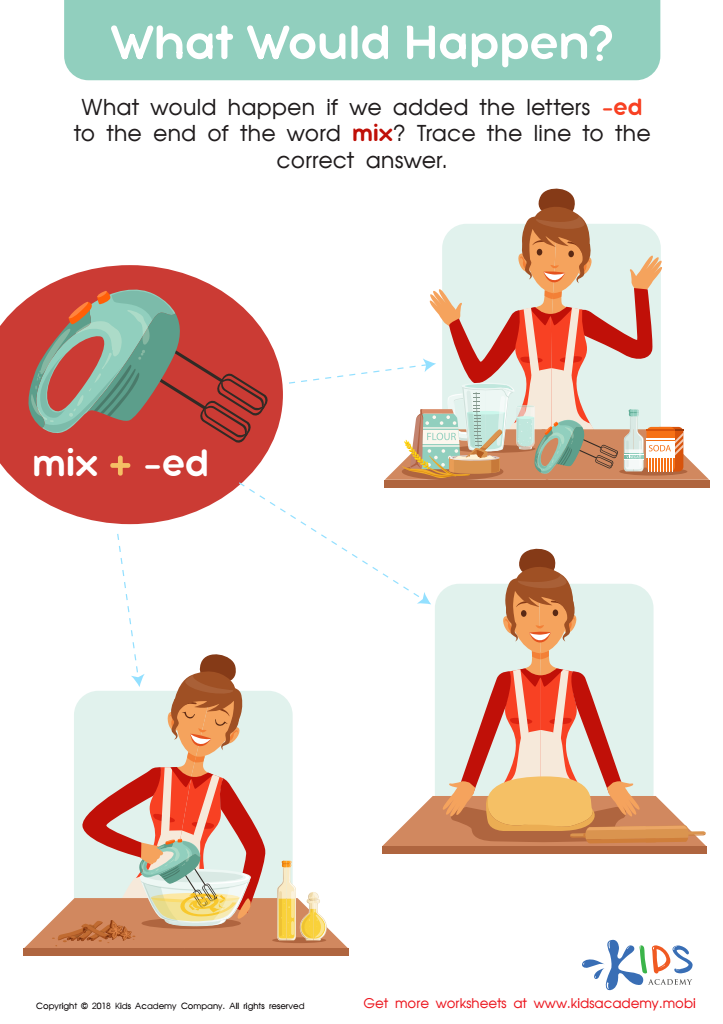
What Would Happen? Worksheet
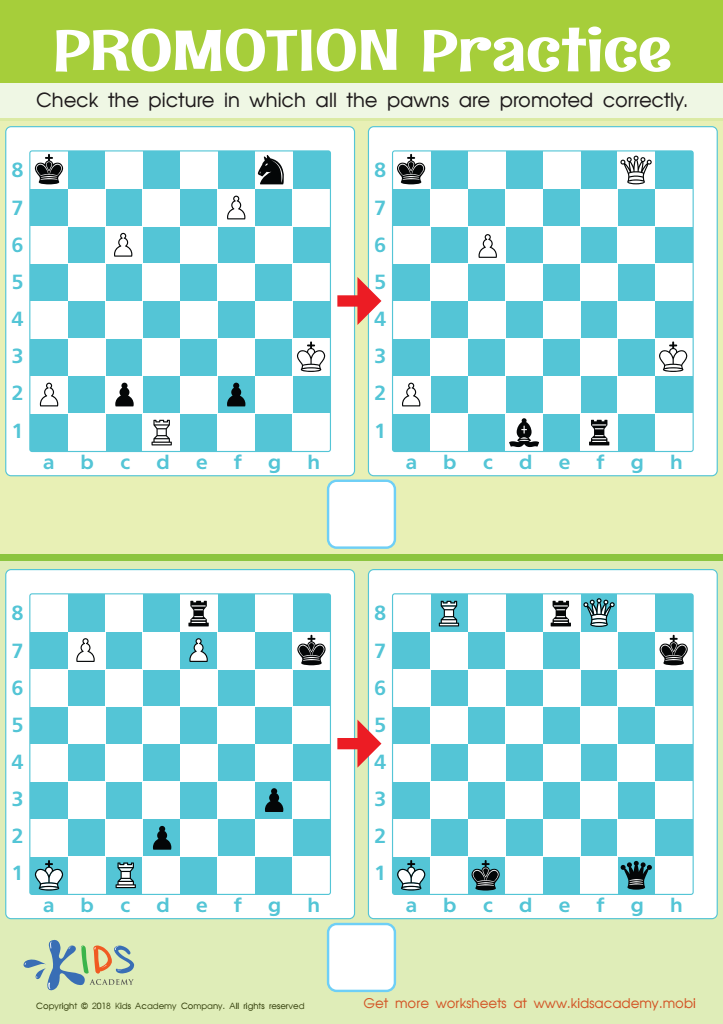
Promotion Practice Worksheet
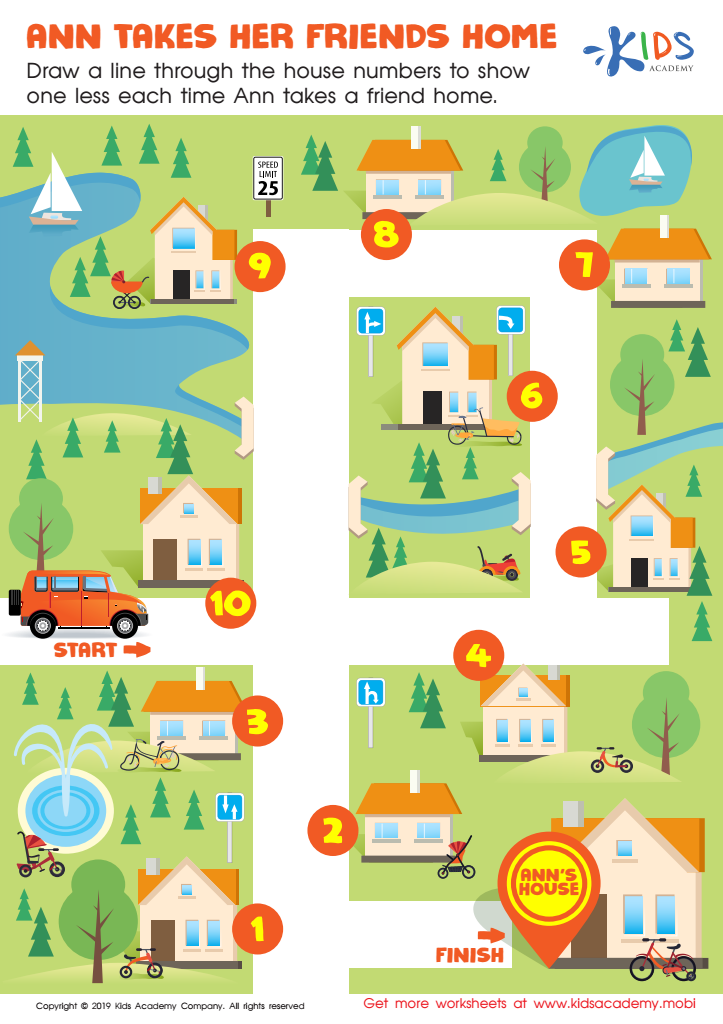
Ann Takes her Friends Home Worksheet
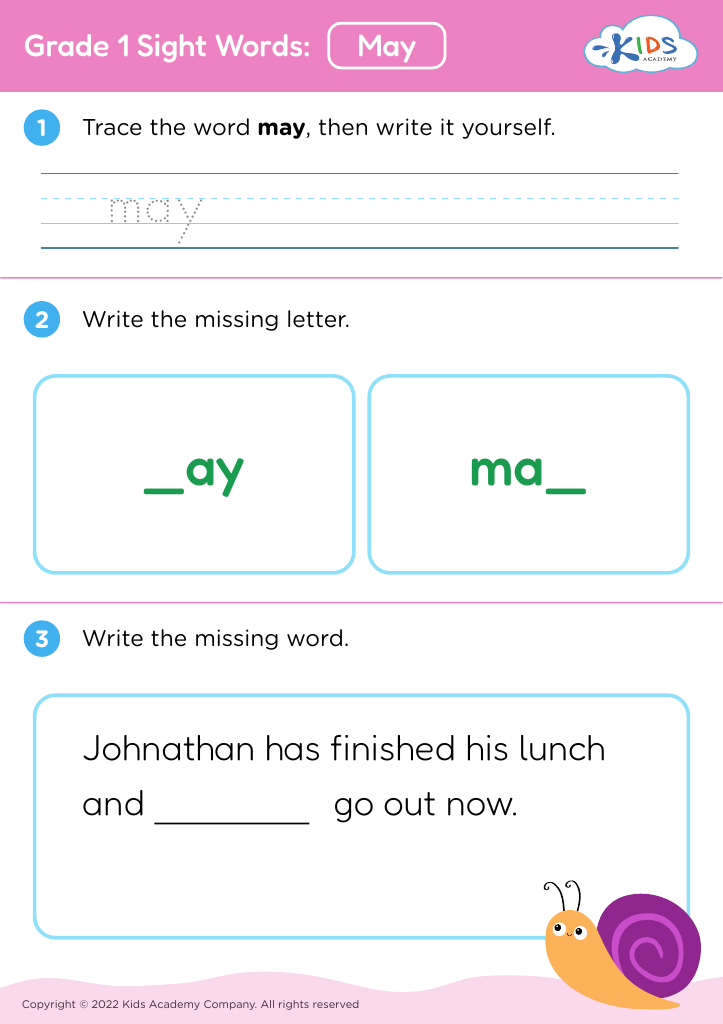








Parents and teachers should prioritize problem solving skills in children ages 4-7 because this developmental stage is crucial for cognitive growth. Engaging in problem-solving activities fosters critical thinking, creativity, and resilience. During these formative years, children learn to navigate challenges and explore solutions, establishing a foundation that influences their future academic success and life skills.
Children who practice problem-solving can better understand concepts in math and science, as they begin to grasp cause-and-effect relationships and logical reasoning. Additionally, as they work through challenges, they build confidence and learn to embrace failure as part of the learning process. It also encourages collaboration, as children often solve problems in pairs or groups, which enhances their communication and social skills.
Furthermore, problem-solving skills promote emotional intelligence by helping children manage frustration and develop persistence. It creates a safe space for them to express their thoughts, ask questions, and explore different ideas without the fear of making mistakes.
Overall, fostering problem-solving abilities equips children with essential life skills, enabling them to confidently face challenges as they grow, while nurturing a love for learning that lasts a lifetime. This foundational skill set is vital for both personal development and academic achievement, making it a priority for parents and educators alike.








