Recognize shapes Worksheets for Ages 4-7
12 filtered results
-
From - To
Discover our engaging "Recognize Shapes Worksheets" designed for children ages 4-7! These fun, interactive worksheets help young learners identify and understand various shapes, building a foundational skill for early mathematical understanding. Each worksheet is carefully crafted to enhance recognition of circles, squares, triangles, and more through coloring activities, matching games, and tracing exercises. Our educational materials nurture creativity while reinforcing spatial awareness in a playful manner. Ideal for at-home learning or classroom activities, these worksheets make mastering shapes enjoyable! Explore our diverse collection and support your child’s developmental journey in recognizing shapes with confidence and excitement.
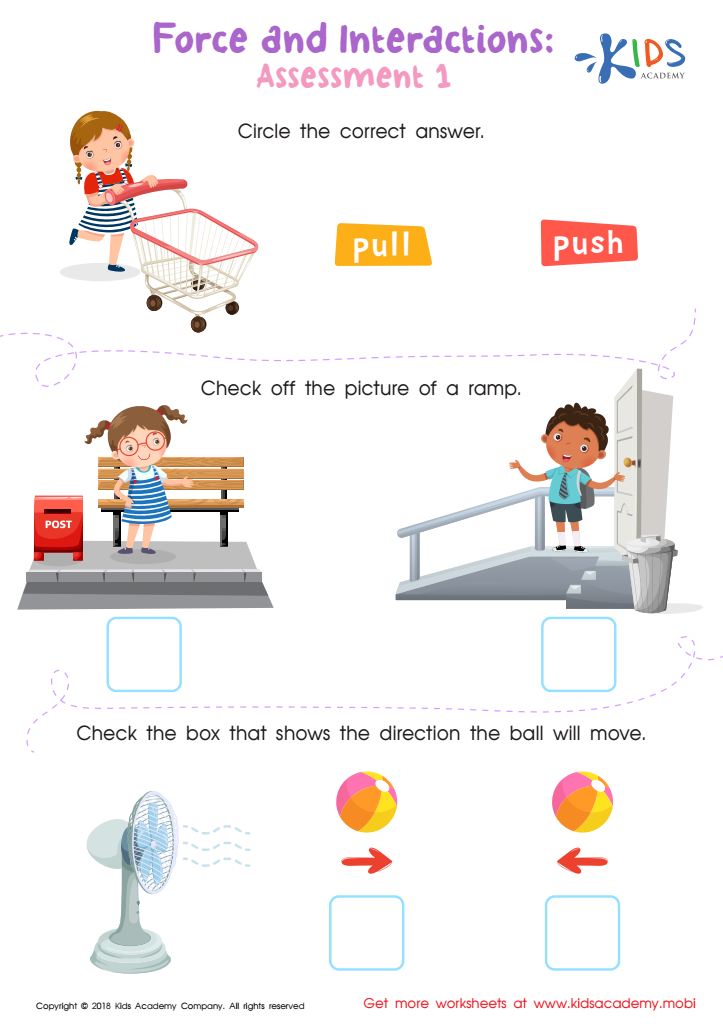
Force and Interactions: Assessment 1 Worksheet
 Assign to My Students
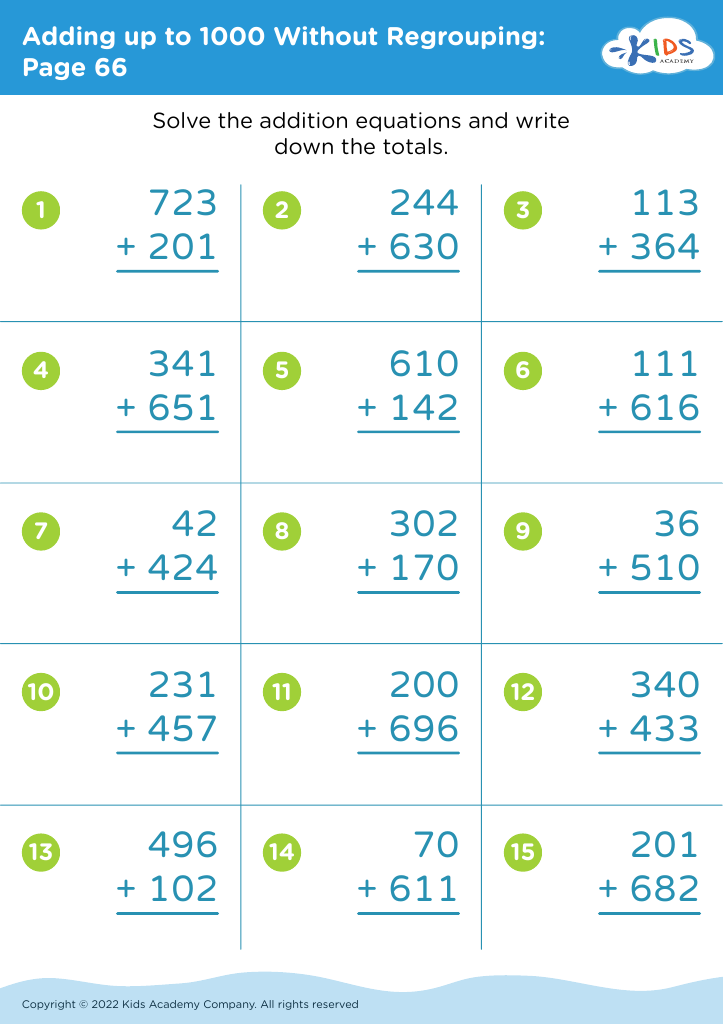
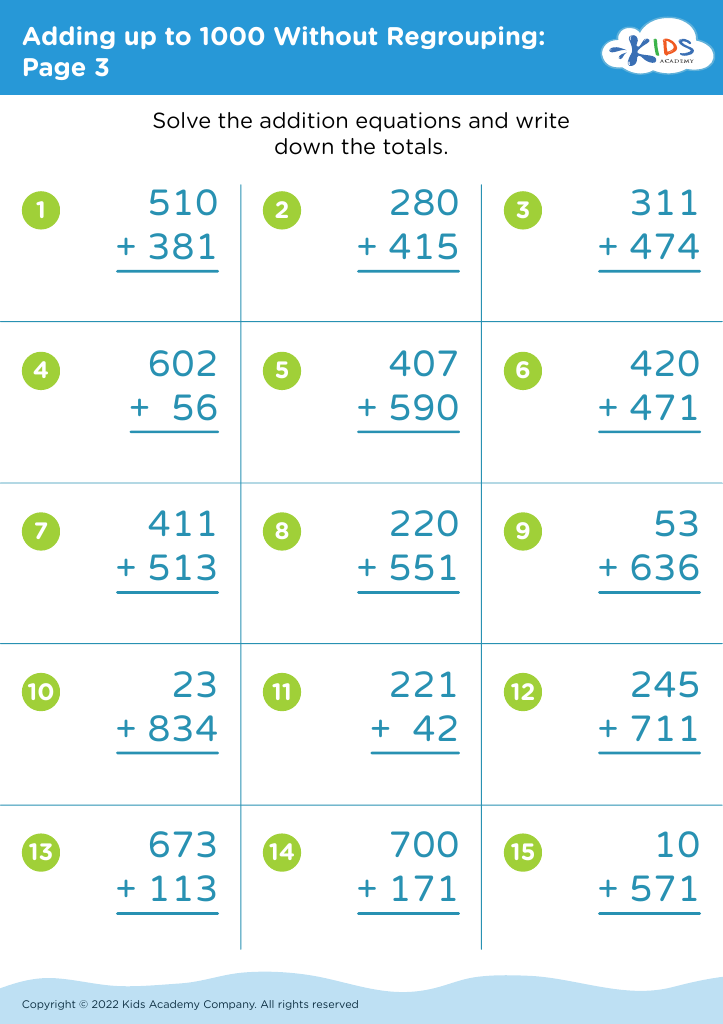
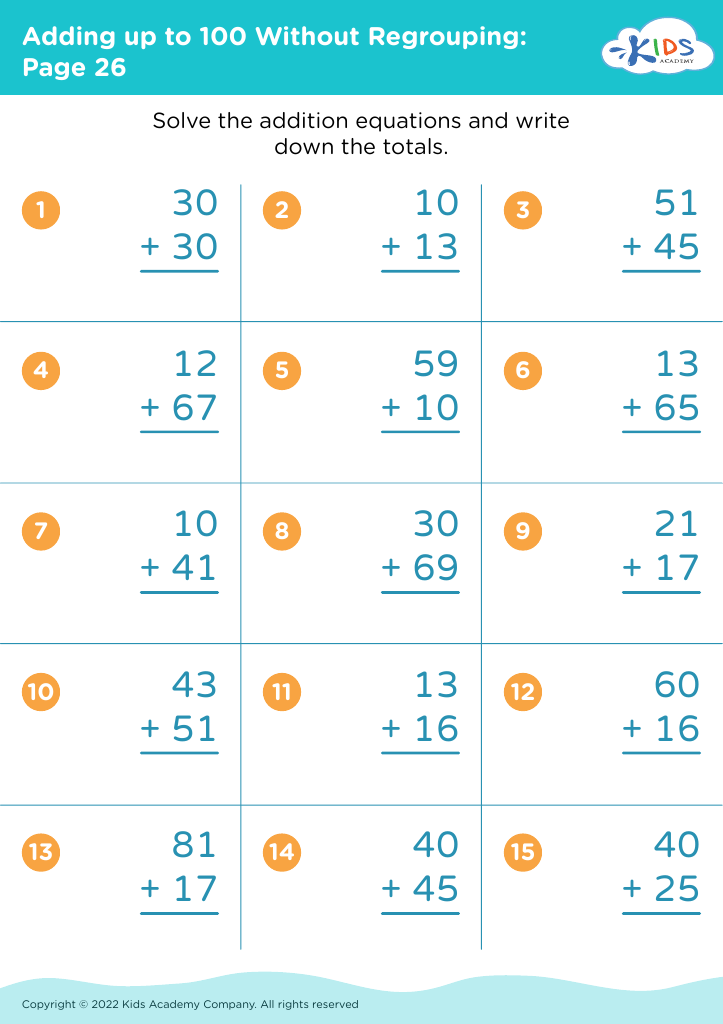
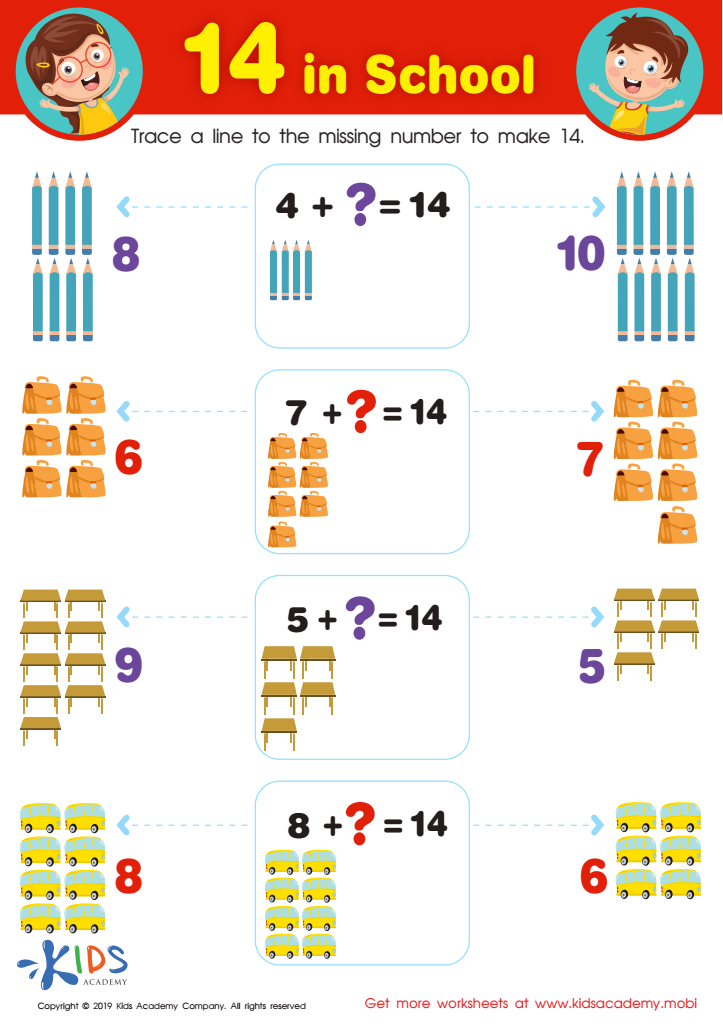
14 in School Worksheet
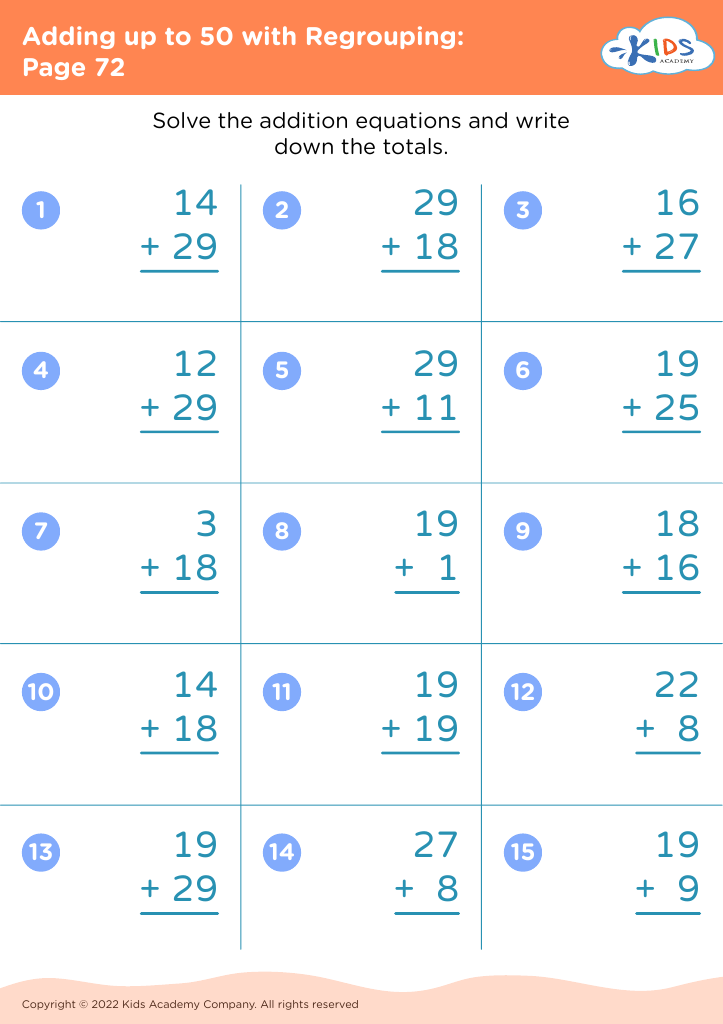
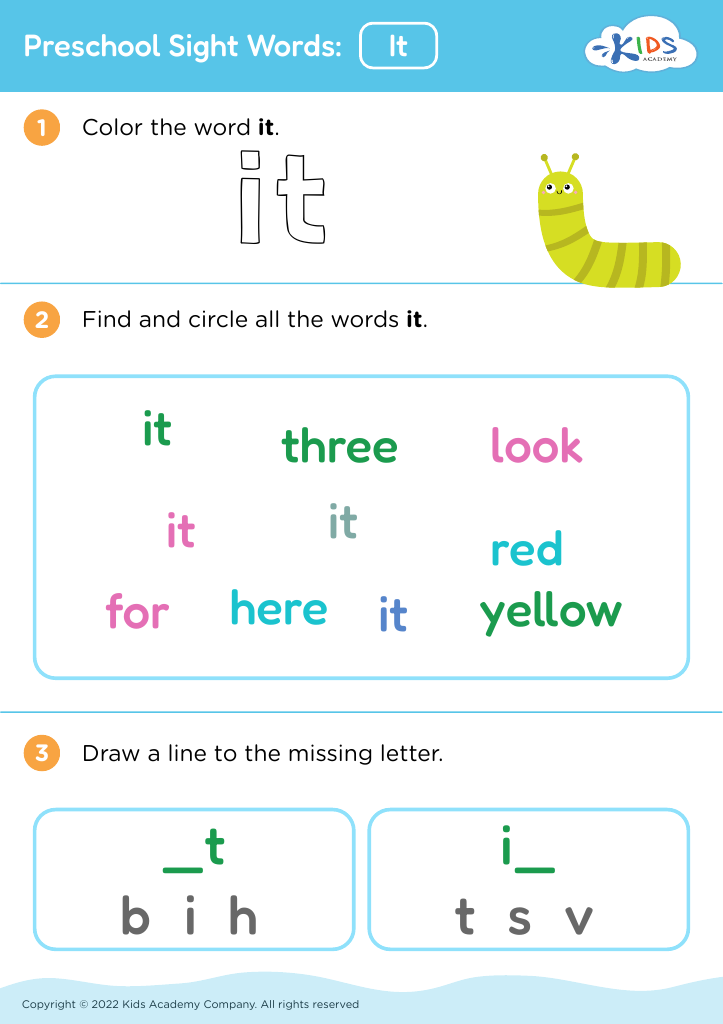
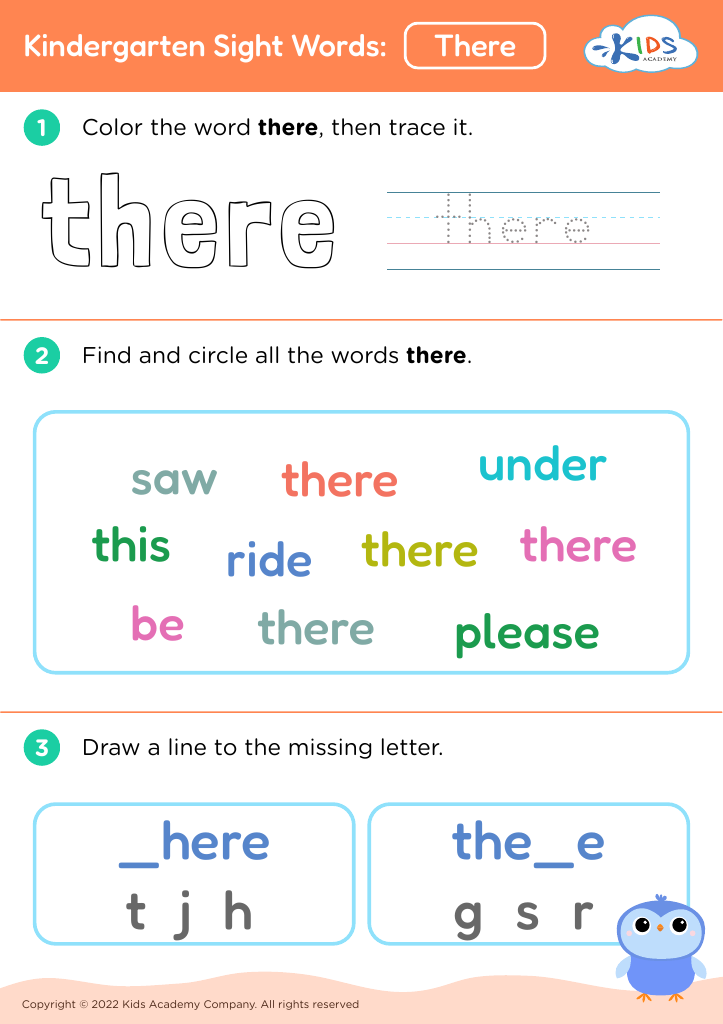








Recognizing shapes is crucial for children's cognitive development, particularly for ages 4-7. At this stage, children are not only learning about the world around them, but they are also developing foundational skills that will aid their understanding of more complex concepts later in life.
Understanding shapes enhances a child's spatial awareness, which is essential for skills in fine motor coordination, problem-solving, and critical thinking. Recognizing shapes helps children categorize and interpret sensory information, making sense of their environment.
Moreover, shapes play a vital role in early math education; for example, learning about angles, symmetry, and patterns stems from a solid foundation in shape recognition. This knowledge fosters a love for math, making it more approachable as they progress in their education.
Language development is also intertwined with shape recognition. When teachers and parents engage children in conversations about shapes, they enhance vocabulary and verbal skills, setting them up for success in both academic and social situations.
In summary, caring about shape recognition equips children with essential tools for lifelong learning, promotes cognitive skills, and inspires confidence at an early age, all of which are fundamental for future academic and personal success.








