Sequencing events Worksheets for Ages 4-7
5 filtered results
-
From - To
Discover our engaging Sequencing Events Worksheets for ages 4-7, designed to enhance early learning skills. Our printable activities help children understand the order of events, essential for reading comprehension and logical thinking. Through fun exercises, kids practice identifying sequences in stories and everyday situations. Brightly illustrated and easy to follow, these worksheets make learning enjoyable for preschoolers and early elementary students. Ideal for classroom use or at-home practice, our resources encourage critical thinking, improve narrative skills, and support Common Core standards. Unlock your child's potential with our expertly crafted sequencing worksheets.
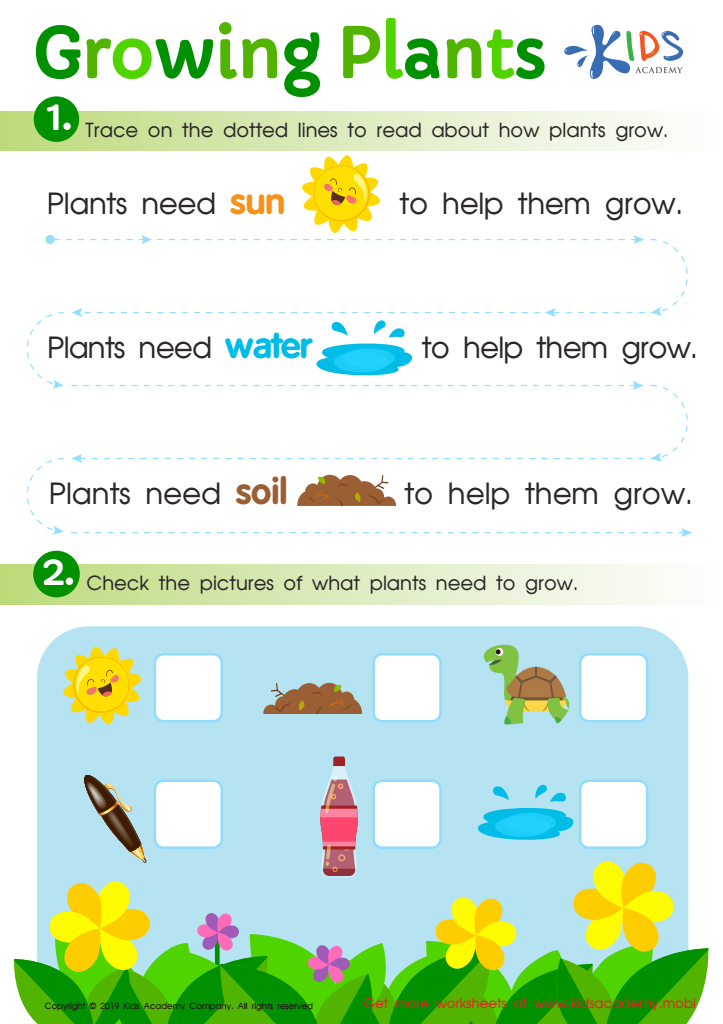
Growing Plants Worksheet
 Assign to My Students
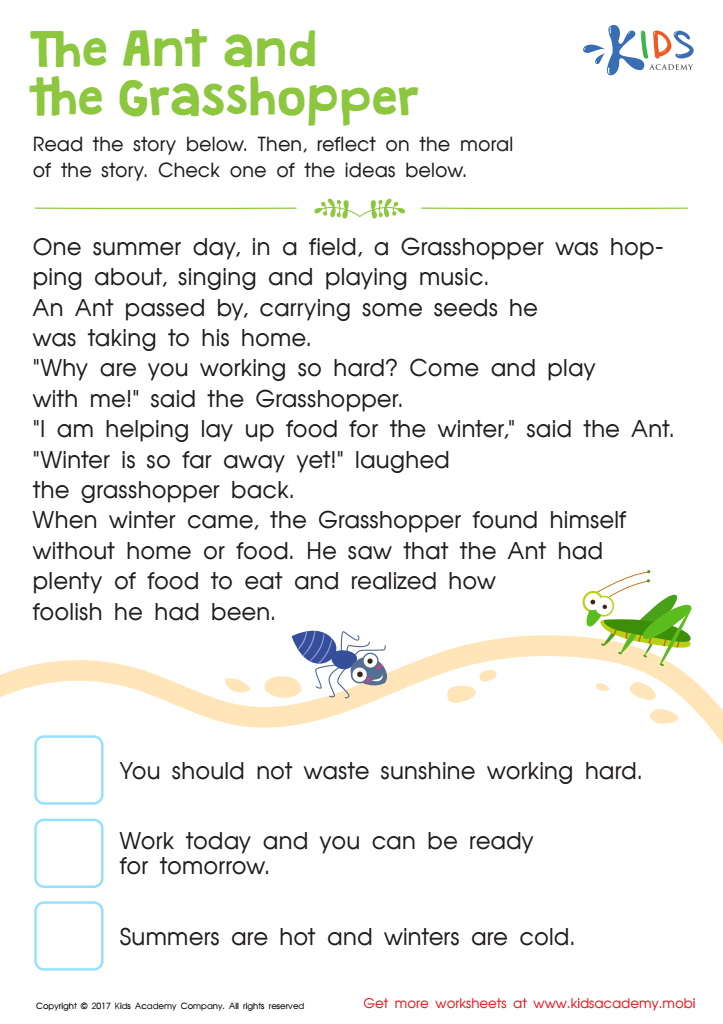
The Ant and The Grasshopper Printable

Emperor Penguin Journey Worksheet
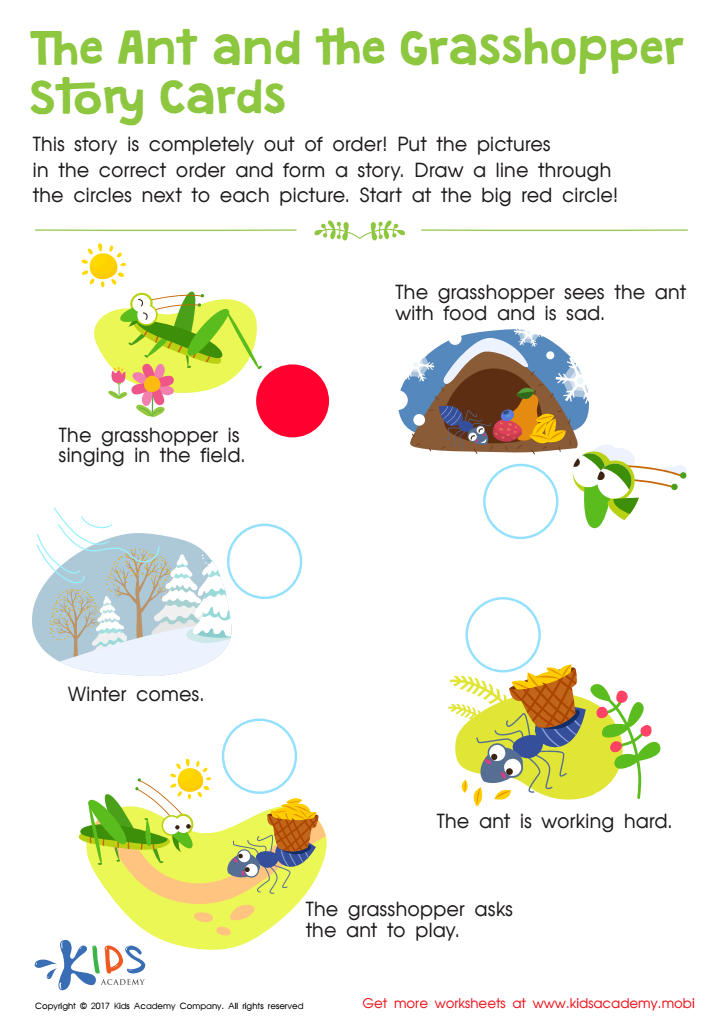
The Ant and The Grasshopper Worksheet
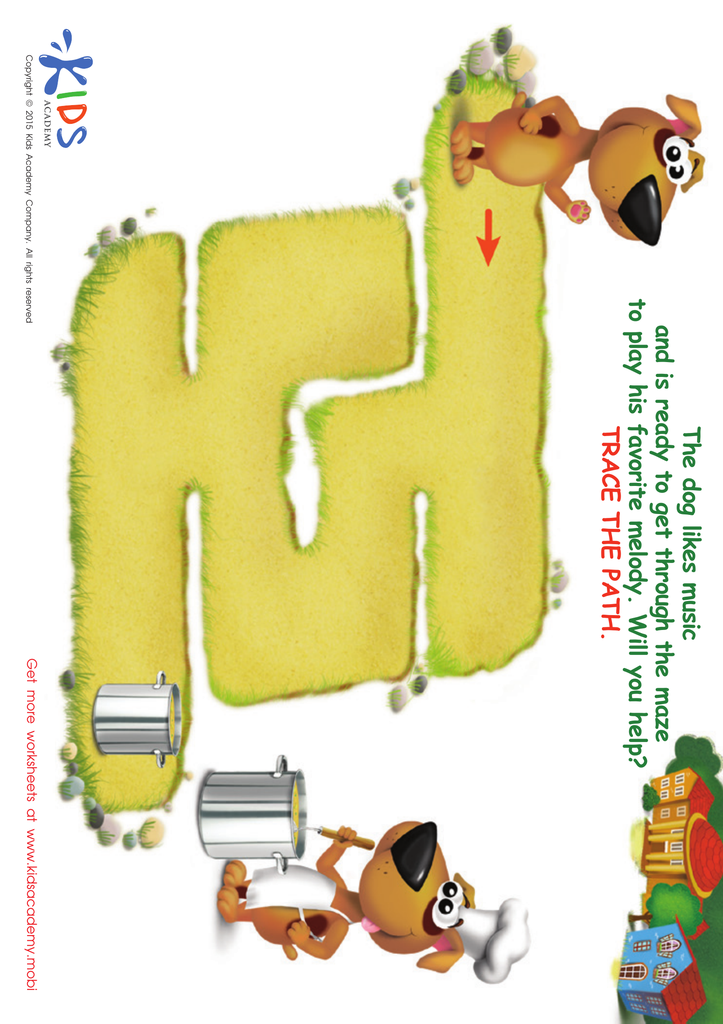
Cook Maze Worksheet







Sequencing events is crucial for children aged 4-7 as it lays the foundation for numerous cognitive and academic skills that contribute to their overall development. This early age group is in a prime developmental stage for learning fundamental concepts that will benefit them throughout their educational journey.
First and foremost, sequencing helps improve narrative skills. When children understand the order of events, they can better comprehend and retell stories, enhancing their reading comprehension. This skill is directly linked to their ability to follow instructions, process information, and think critically.
Additionally, sequencing promotes organizational skills and logical thinking. By sorting activities into a logical sequence, children learn the concept of cause and effect, which is essential for problem-solving and scientific thinking. This lays the groundwork for more complex subjects like mathematics and science.
Socially, sequencing can also impact cooperative play. When children participate in activities like storytelling, they develop listening skills and learn to appreciate different perspectives, boosting their empathy and cooperation with peers.
Finally, sequencing activities help refine fine motor skills through hands-on activities like arranging picture cards or drawing storyboards. These skills are vital for writing and other tasks that they will encounter as they progress in their education.
In summary, focusing on sequencing events enriches a child's cognitive, social, and motor skills, setting a solid foundation for future learning and daily life tasks.








