Filters

132 filtered results

Clear all filters
Favorites
With answer key
Interactive

132 filtered results

Difficulty Level

Grade


Check out this FREE "Shape Recognition" Trial Lesson for age 4-7!

Making a Whole

Favorites
With answer key
Interactive
  • 4-7
  • Shape Recognition
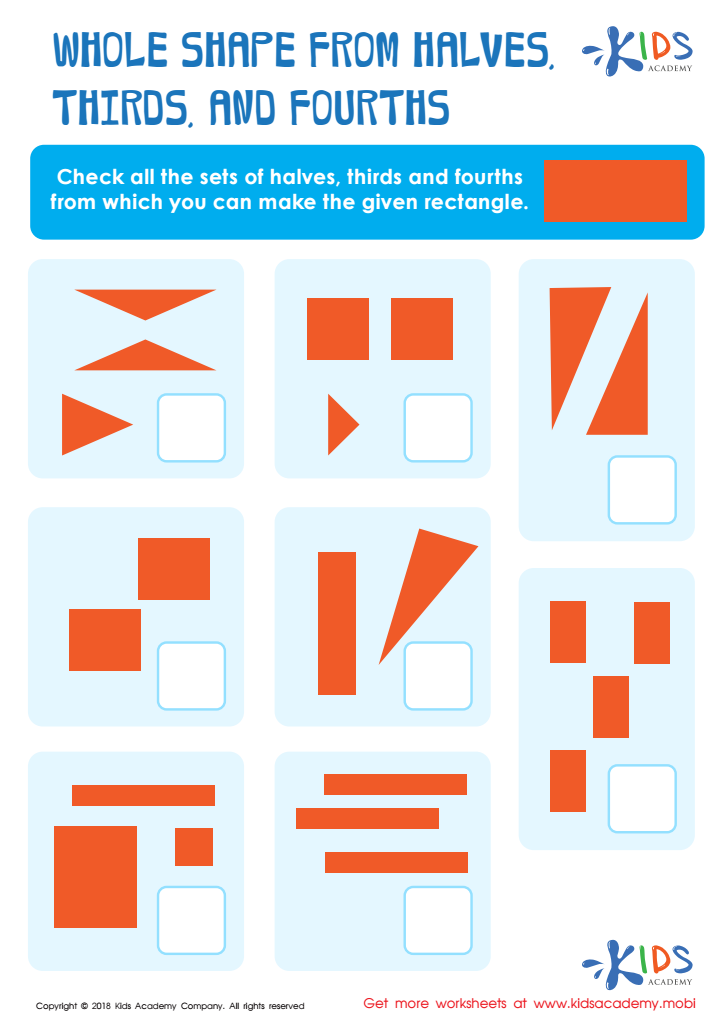
Whole Shape from Halves, Thirds and Fourths Worksheet

Whole Shape from Halves, Thirds and Fourths Worksheet

Explain to your students that they can make a new shape by combining halves, thirds, and fourths of a shape. Show them the worksheet with the rectangle at the top and ask them to find which sets of halves, thirds, and fourths make it. Have them check all the correct sets.
Whole Shape from Halves, Thirds and Fourths Worksheet
Worksheet
Dot to Dot Worksheets 11 to 20

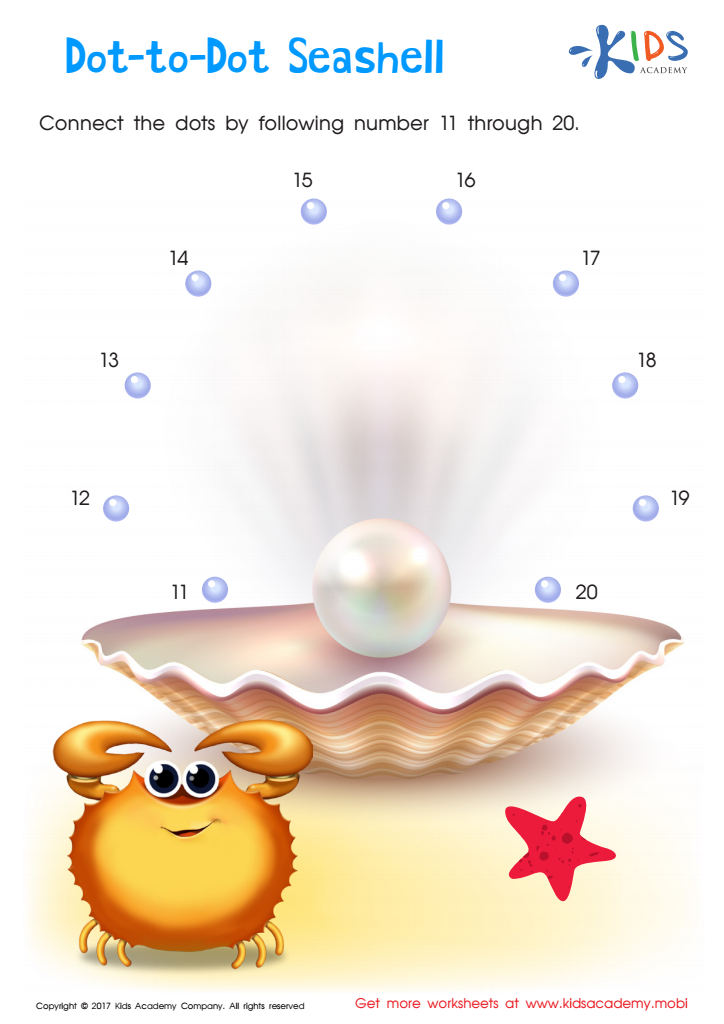
Ordering 11–20: Dot–to–dot Seashell Printable
Connecting the dots 11 to 20 is rewarding for kids, helping them practice counting, identifying numbers and gain cognitive and logical skills. Our worksheet features a vibrant image of a seashell, crab and sea star, and your child will feel rewarded creating it while honing their counting skills!
Ordering 11–20: Dot–to–dot Seashell Printable
Worksheet
Construction Shapes Worksheet

Construction Shapes Worksheet

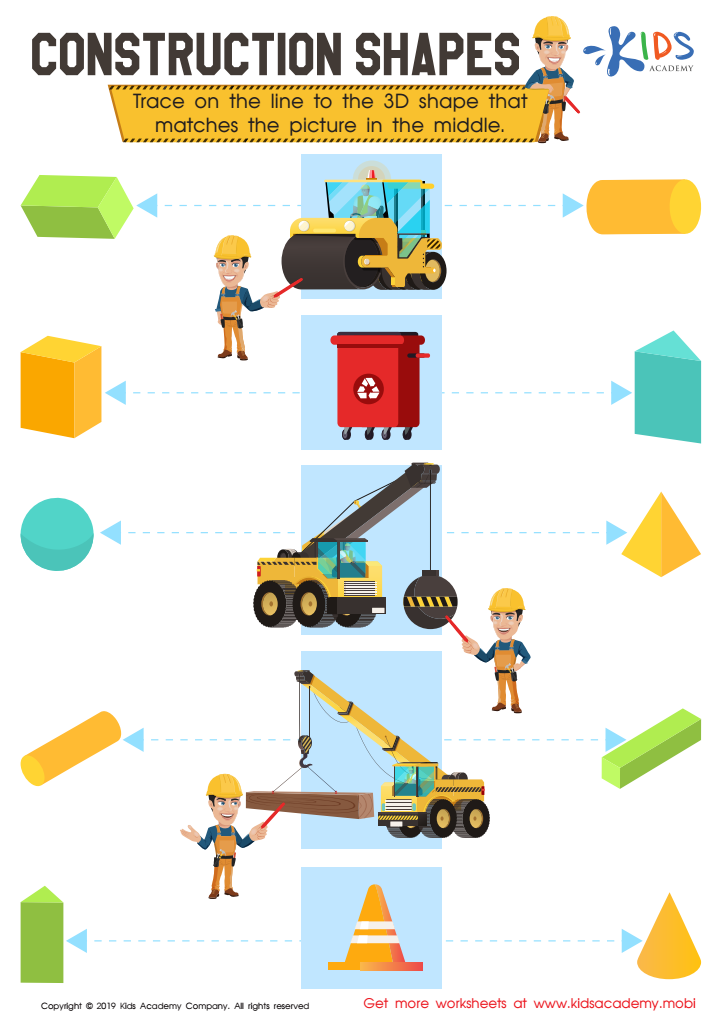
Construction workers are professionals who build structures like buildings. In this worksheet, kids will learn about shapes with the help of workers and their equipment. Help them trace the lines to the 3D shape that matches the picture in the middle.
Construction Shapes Worksheet
Worksheet
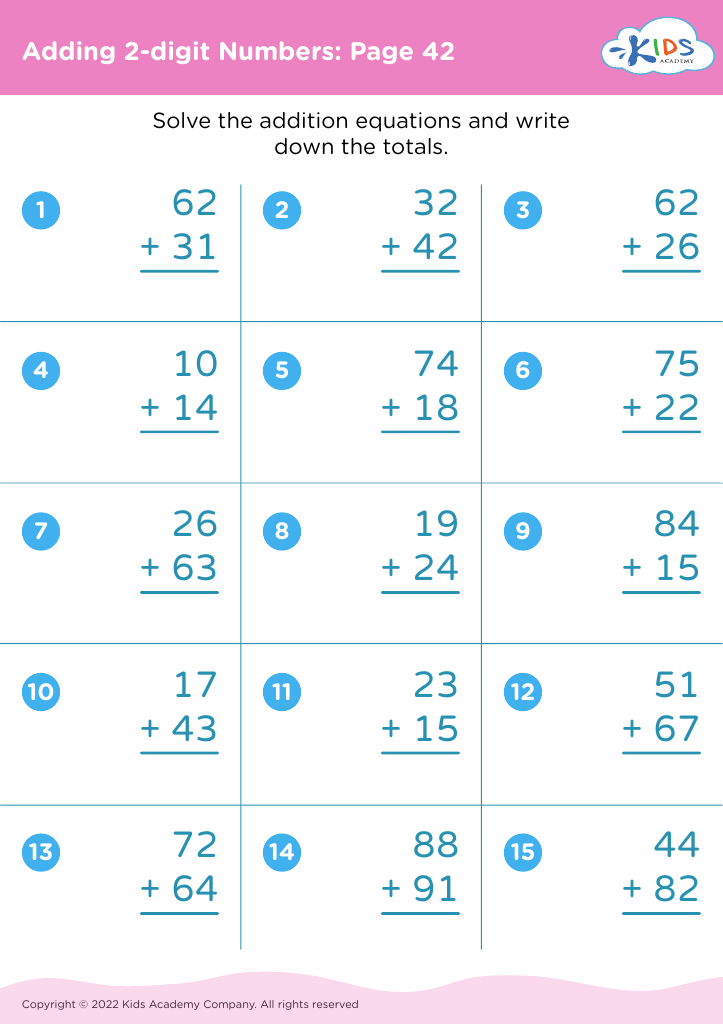
Adding 2-digit Numbers: Page 42

Adding 2-digit Numbers: Page 42

Adding 2-digit Numbers: Page 42
Worksheet
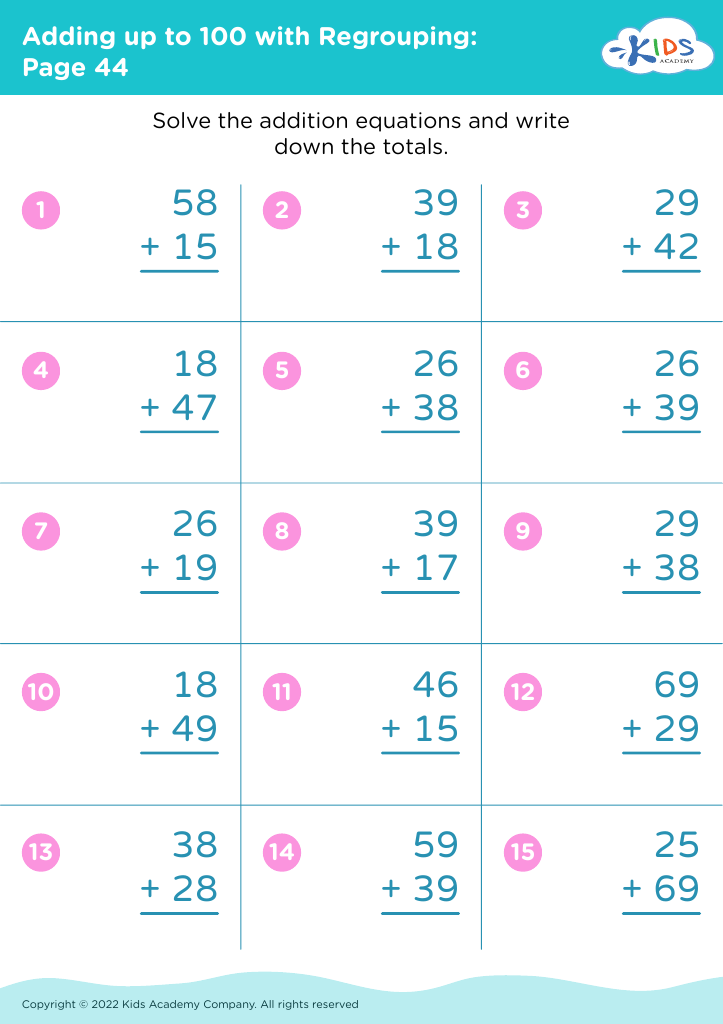
Adding up to 100 with Regrouping: Page 44
Worksheet
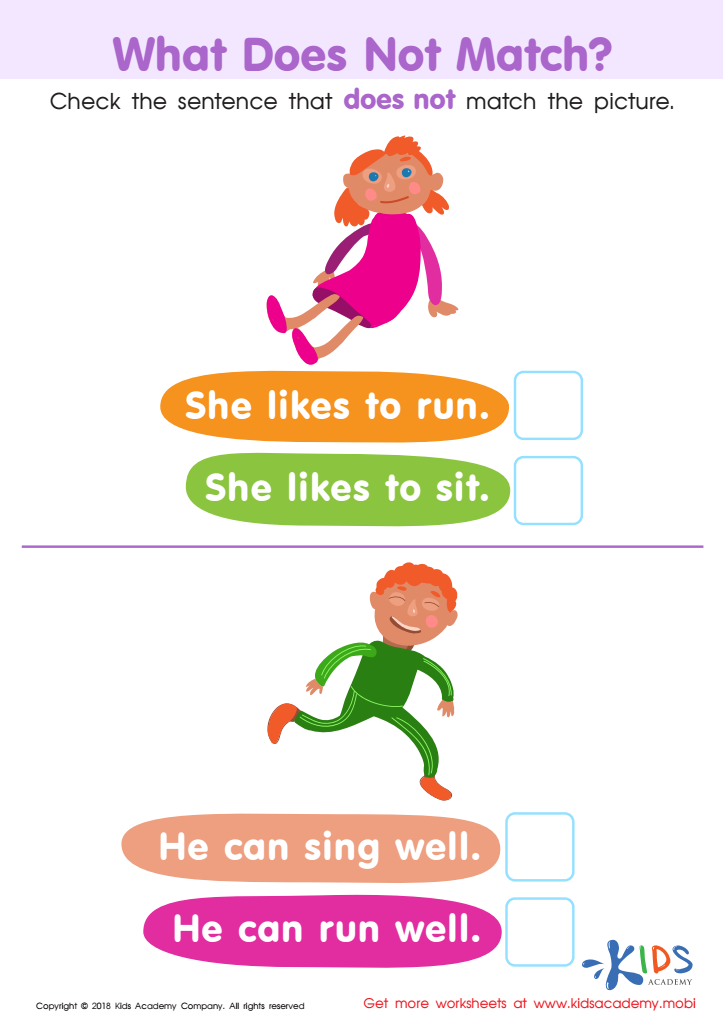
What Does Not Match? Worksheet
What Does Not Match? Worksheet
Emerging readers need to practice using visual cues and repetitive text. This colorful PDF provides them with an opportunity to look at pictures, use discrimination and discern which phrase does not match. It also enables them to gain familiarity with high-frequency words to aid decoding longer sentences.
What Does Not Match? Worksheet
Worksheet
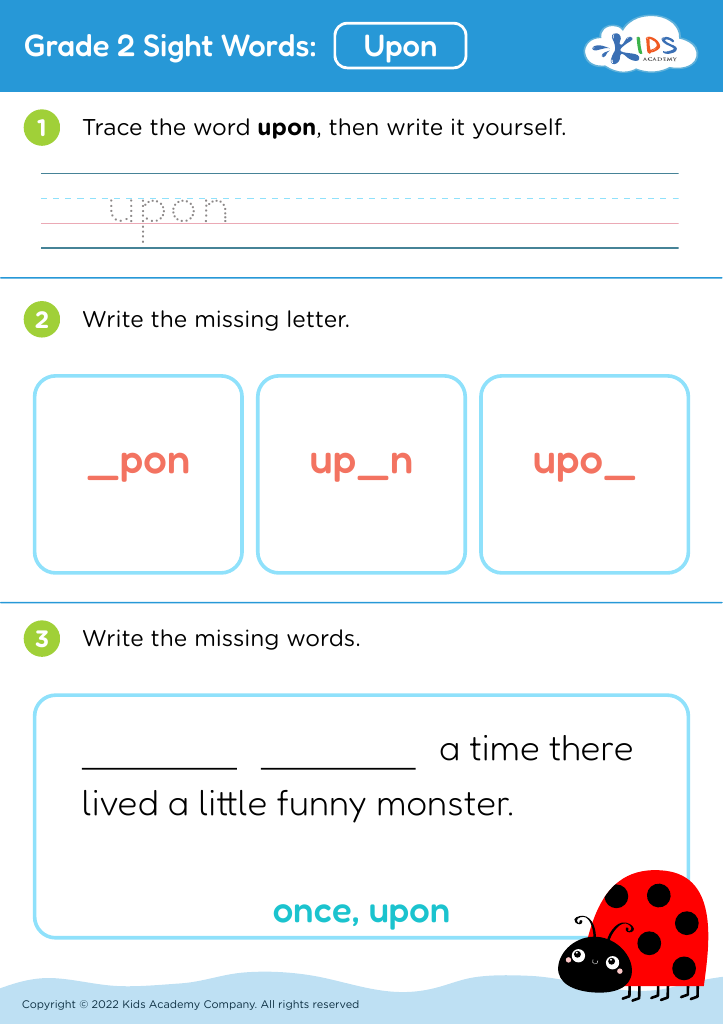
Grade 2 Sight Words: Upon

Grade 2 Sight Words: Upon

Grade 2 Sight Words: Upon
Worksheet
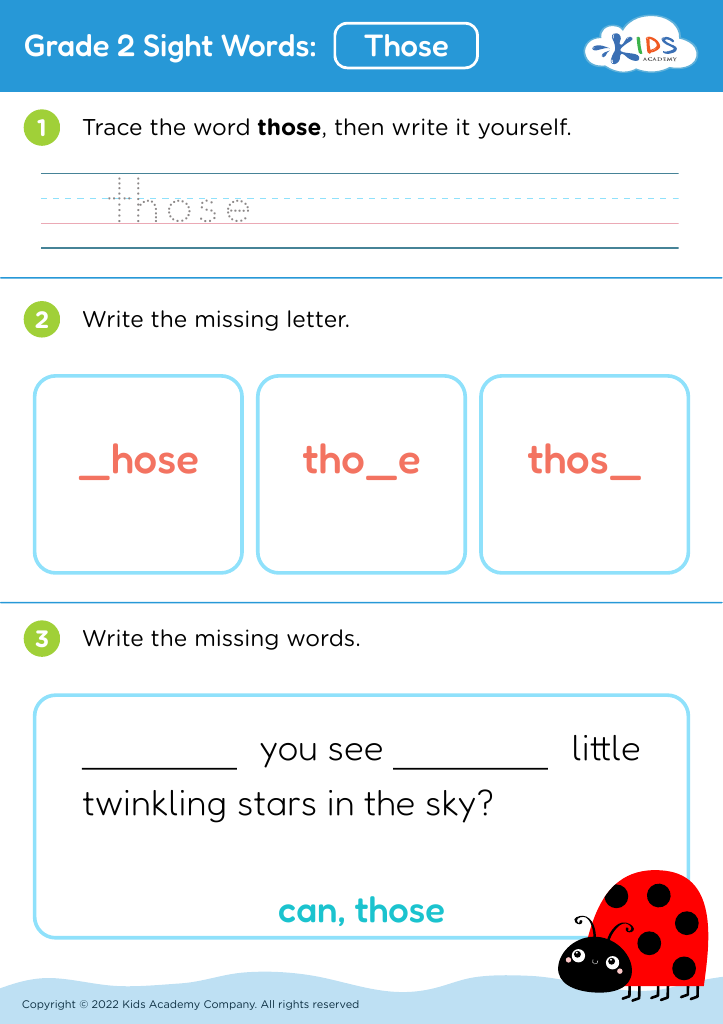
Grade 2 Sight Words: Those

Grade 2 Sight Words: Those

Grade 2 Sight Words: Those
Worksheet
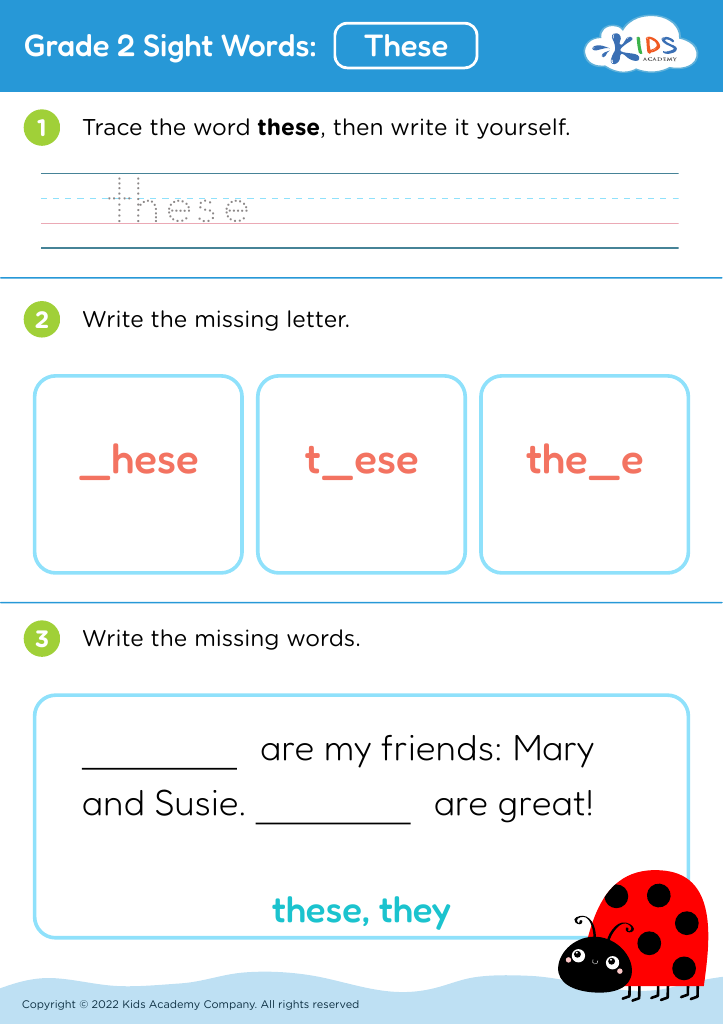
Grade 2 Sight Words: These

Grade 2 Sight Words: These

Grade 2 Sight Words: These
Worksheet
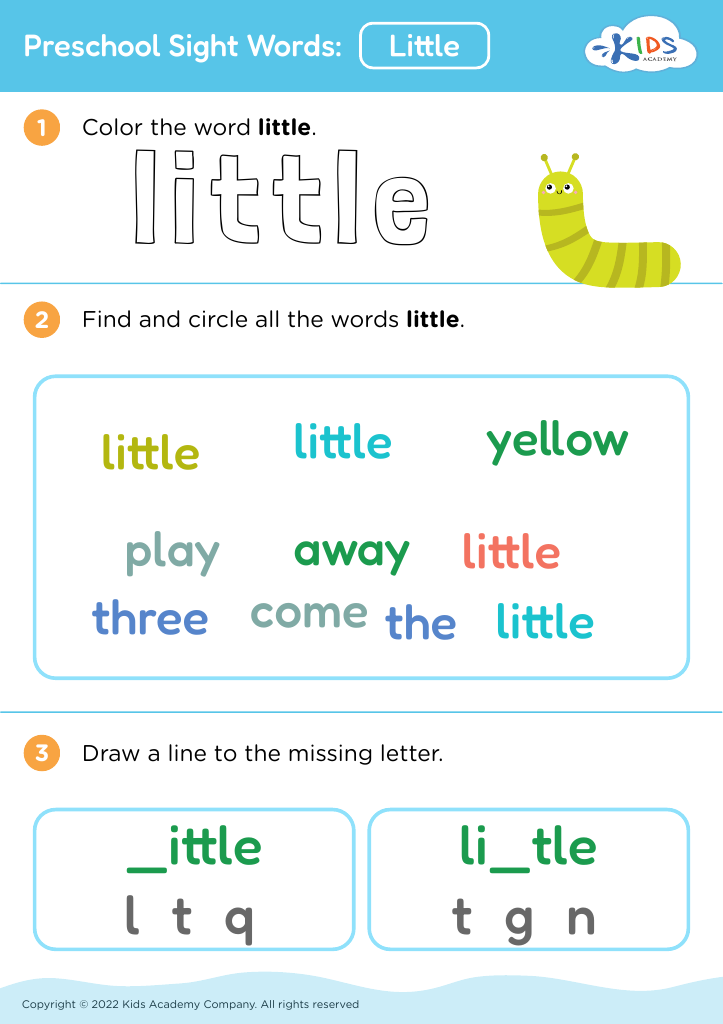
Preschool Sight Words: Little

Preschool Sight Words: Little

Preschool Sight Words: Little
Worksheet
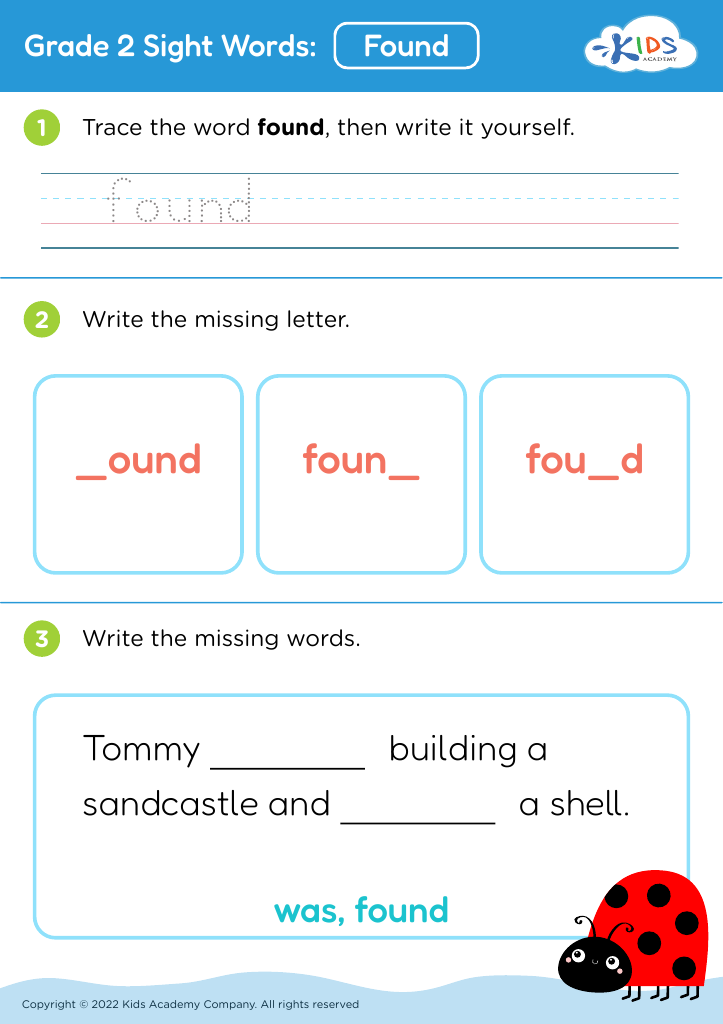
Grade 2 Sight Words: Found

Grade 2 Sight Words: Found

Grade 2 Sight Words: Found
Worksheet
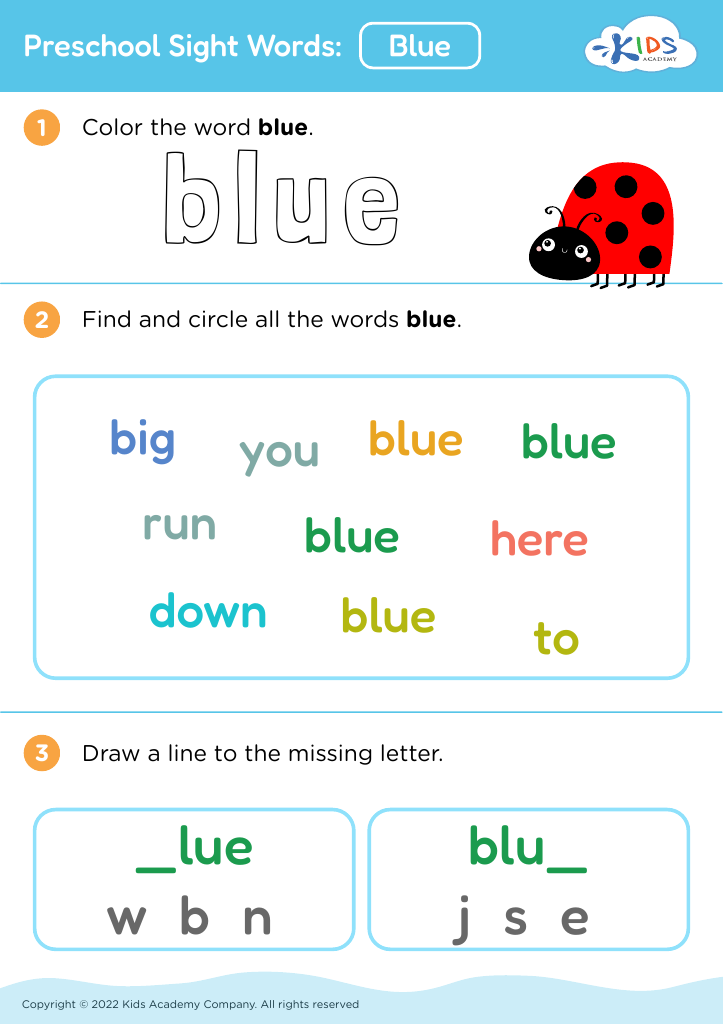
Preschool Sight Words: Blue

Preschool Sight Words: Blue

Preschool Sight Words: Blue
Worksheet


... 5 6

Shape recognition is an essential foundational skill that parents and teachers should nurture in children aged 4-7 for several critical reasons. Firstly, understanding shapes forms the basis of more advanced mathematical concepts such as geometry, measurement, and spatial reasoning. When children can identify and differentiate between shapes, they develop the skills required to comprehend size, weight, and how different shapes relate to each other in space.

Early shape recognition also supports cognitive development by honing visual perception and memory. Kids start to recognize patterns, improving their ability to categorize and organize information, which is a crucial part of problem-solving and critical thinking skills. Additionally, shape recognition aids in language development, as children learn the names and attributes of various shapes, enriching their vocabulary and ability to describe the world around them.

Furthermore, artistic abilities are sharpened when children work with shapes, boosting creativity and fine motor skills through activities like drawing, cutting, and assembling shapes. This also enhances hand-eye coordination, an essential skill for writing and day-to-day tasks.

Emotionally, mastering shape recognition can give children a sense of accomplishment, boosting their self-esteem and motivation for learning. Collectively, these skills set a solid foundation for future academic success, making it crucial for parents and teachers to prioritize shape recognition activities during early childhood.