Understanding citizenship Worksheets for Ages 4-7
6 filtered results
-
From - To
Explore our engaging "Understanding Citizenship Worksheets" designed specifically for children ages 4-7! These interactive resources help young learners grasp the fundamentals of citizenship, such as the importance of community, sharing, and being respectful. Featuring colorful illustrations and age-appropriate activities, these worksheets are perfect for fostering a sense of belonging and responsibility in your child. Encourage critical thinking and discussion about rights and responsibilities while enhancing their social skills. Ideal for parents and educators alike, our citizenship worksheets make learning fun and accessible, laying the foundation for informed and active participation in their communities. Start the journey to responsible citizenship today!
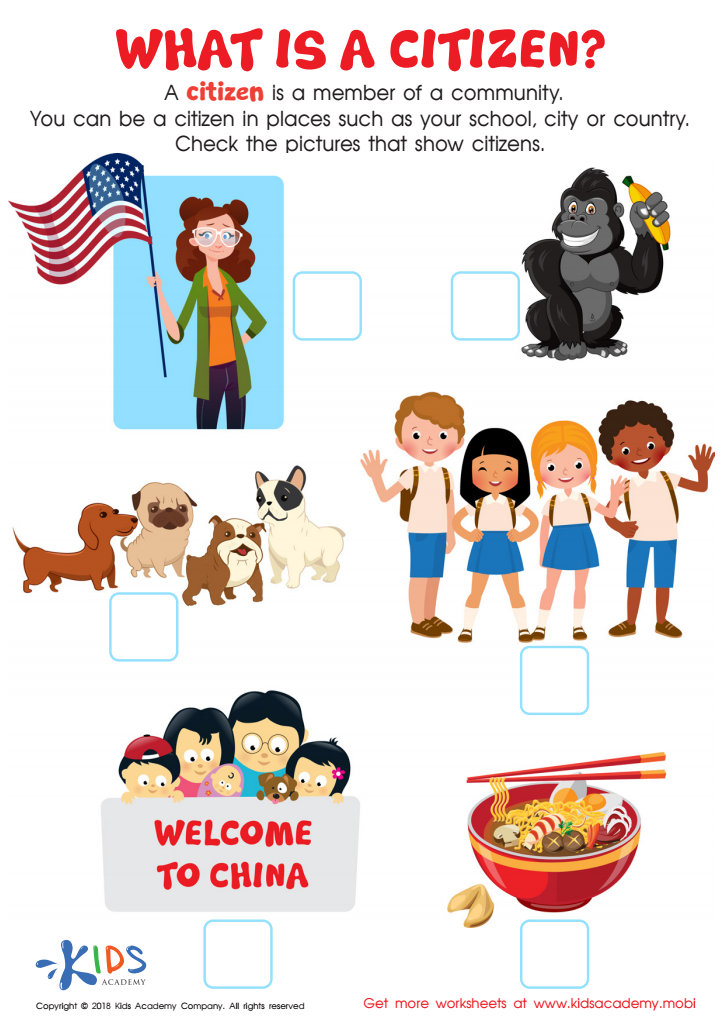
What is a Citizen? Worksheet
 Assign to My Students
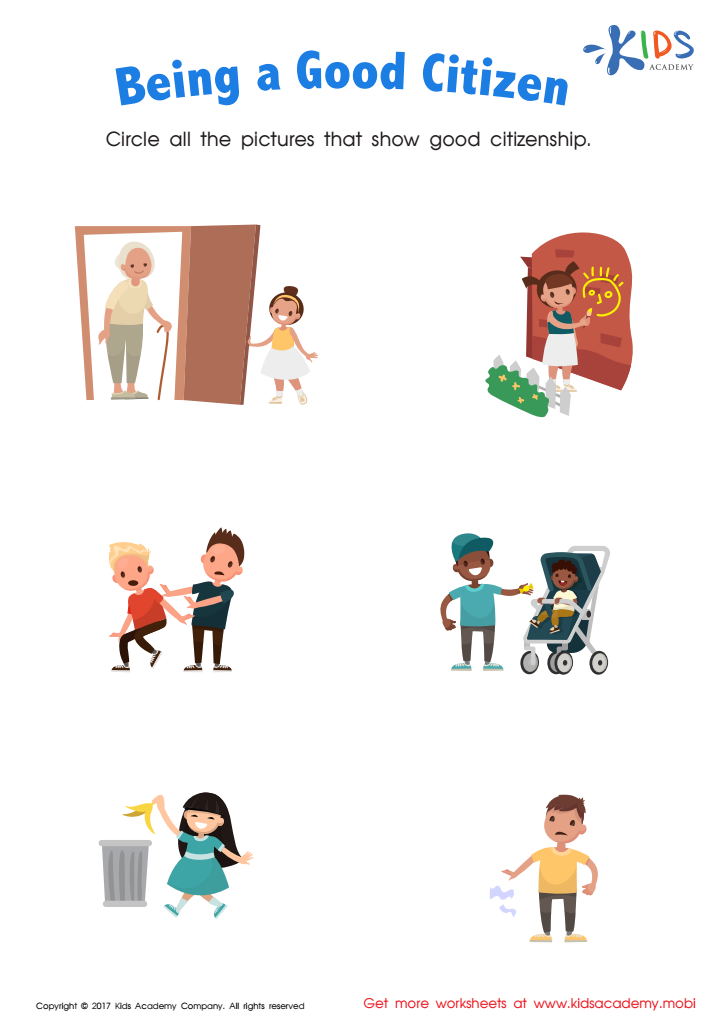
Being a Good Citizen Printable
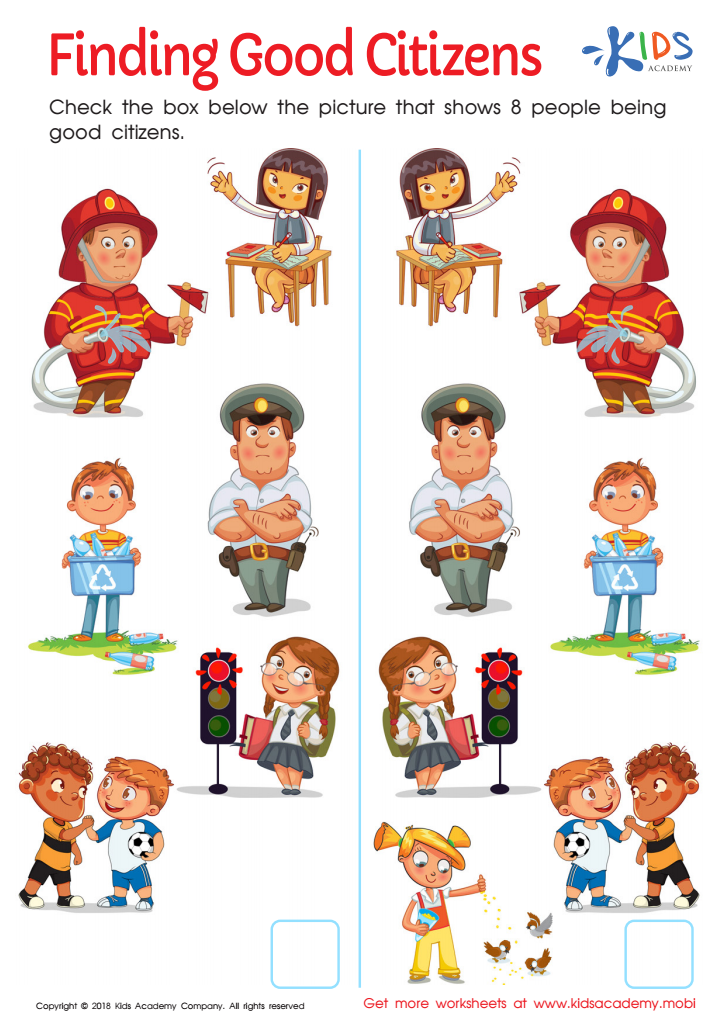
Finding Good Citizens Worksheet
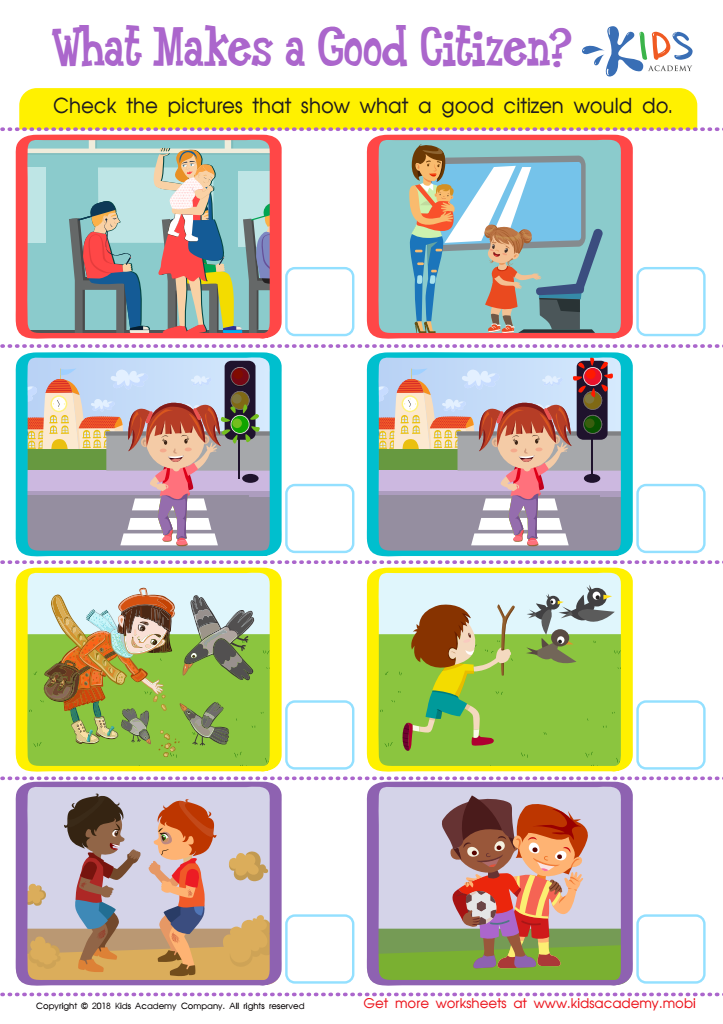
What Makes a Good Citizen? Worksheet
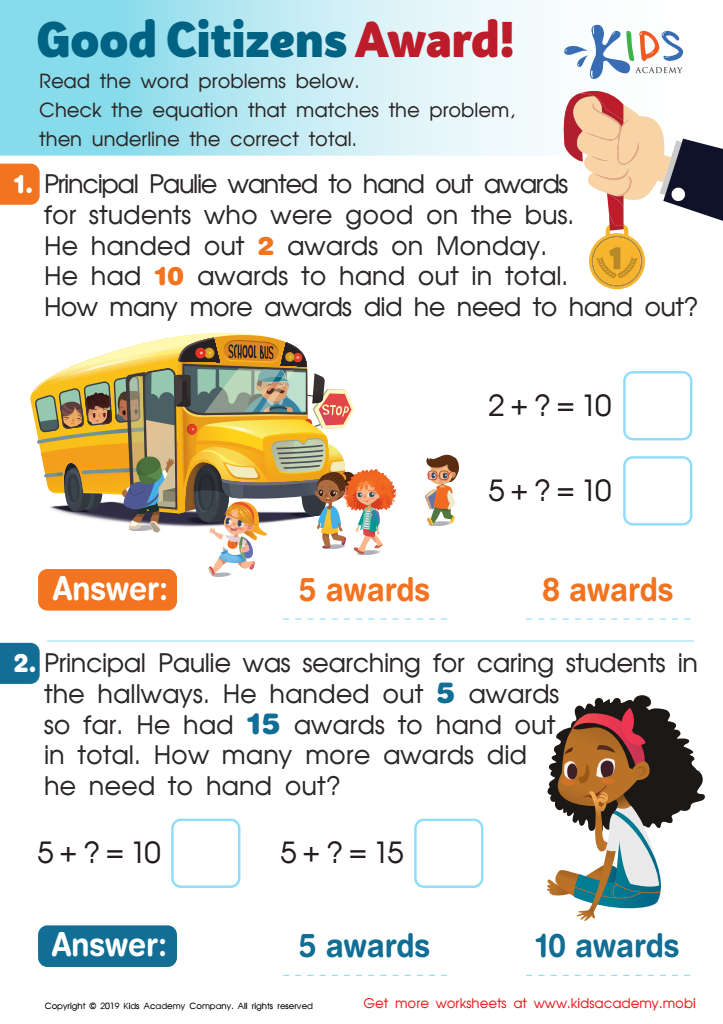
Good Citizens Award! Worksheet
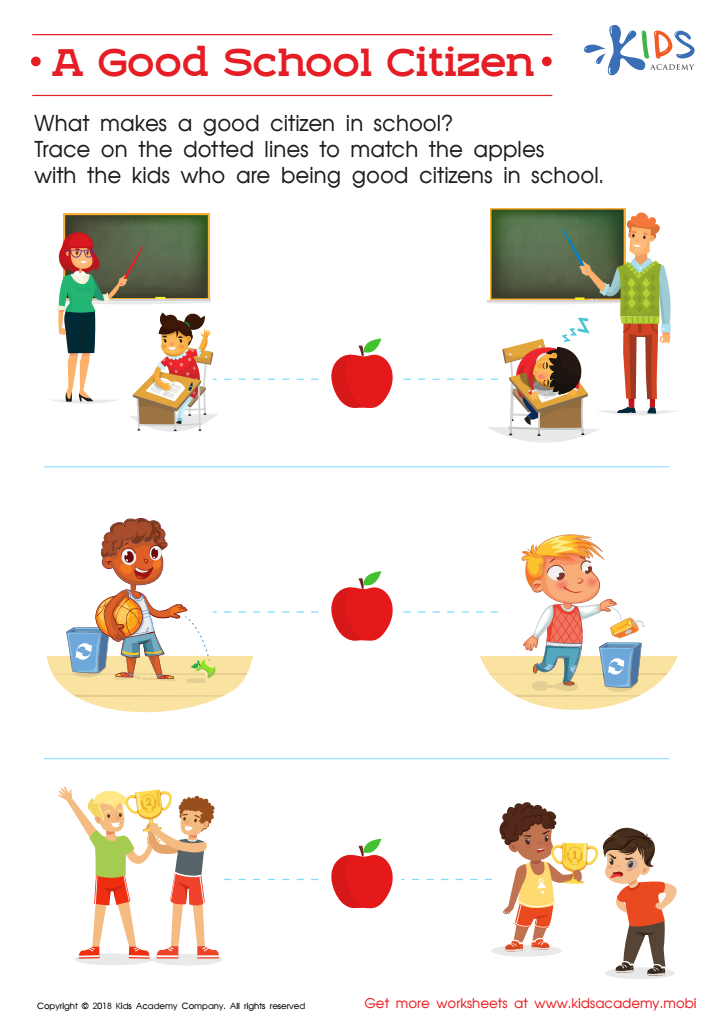
A Good School Citizen Worksheet





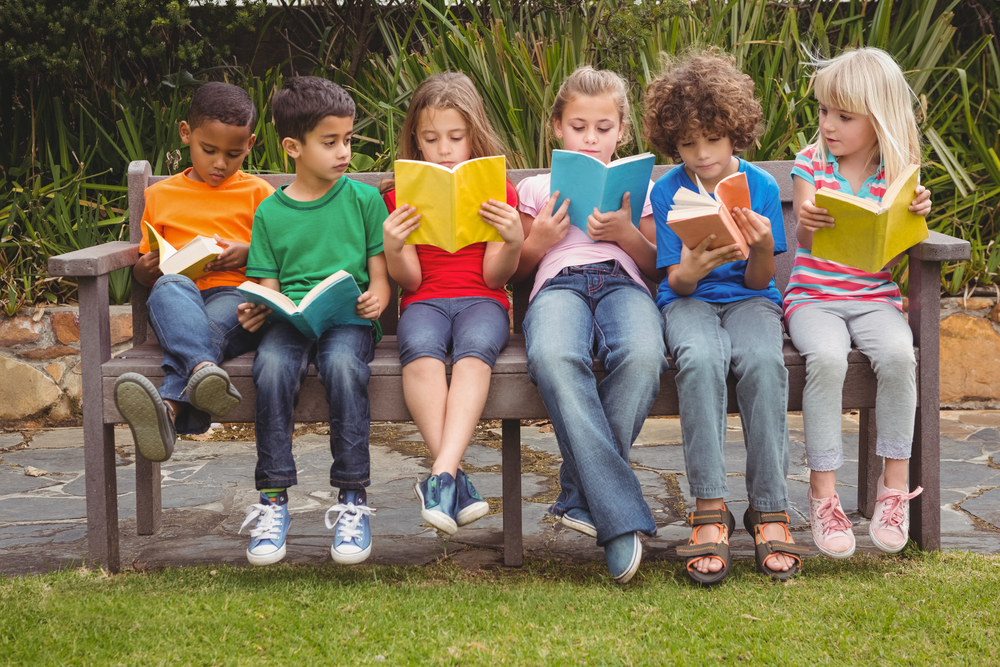


Understanding citizenship for ages 4-7 is crucial for several reasons. First, this foundational knowledge helps children develop a sense of belonging and community from an early age. When parents and teachers introduce citizenship concepts, such as sharing, respect, and empathy, they instill values that contribute to social harmony. These children learn that their actions can positively or negatively affect others, promoting responsible decision-making.
Furthermore, teaching citizenship at a young age equips children with essential skills to navigate diverse environments. They learn to appreciate differences, engage in collaborative activities, and respect shared spaces—all vital components of a healthy democracy. Recognizing their roles as active participants in their communities prepares them for future responsibilities.
Moreover, understanding citizenship fosters critical thinking and problem-solving capabilities. As children explore the meanings of fairness and justice, they become more aware of societal issues, sparking compassion and advocacy from an early age.
Ultimately, investing in citizenship education creates a stronger foundation for engaged, informed citizens. When parents and teachers emphasize the importance of communal values and responsibilities, they not only enrich children's lives but also contribute to a more caring and sustainable society for the future.








