Understanding comparisons Worksheets for Ages 4-7
5 filtered results
-
From - To
Unlock the world of understanding comparisons for kids ages 4-7! Our fun and engaging worksheets are designed to enhance critical thinking and observational skills through exciting activities. From identifying bigger vs. smaller objects to comparing more vs. fewer items, each worksheet provides hands-on practice that reinforces early math concepts. Tailored specifically for early learners, these printable worksheets help build a strong foundation in understanding comparisons, fostering confidence and curiosity. Perfect for classroom use or at-home practice, watch your child’s skills blossom with our expertly crafted, easy-to-follow worksheets!
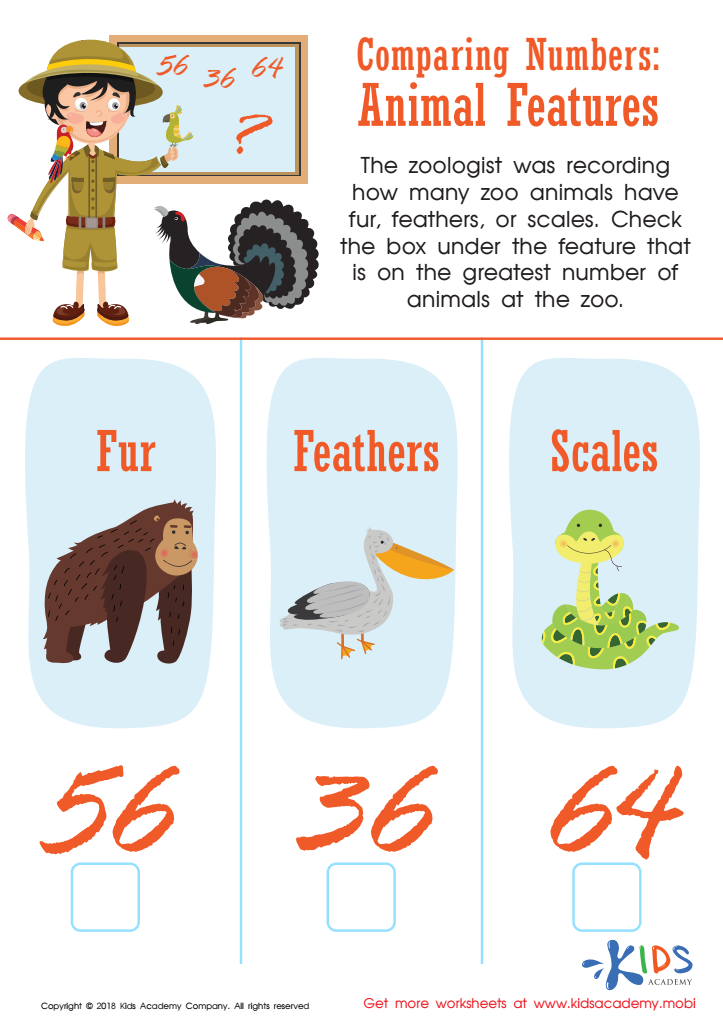
Animal Features Worksheet
 Assign to My Students
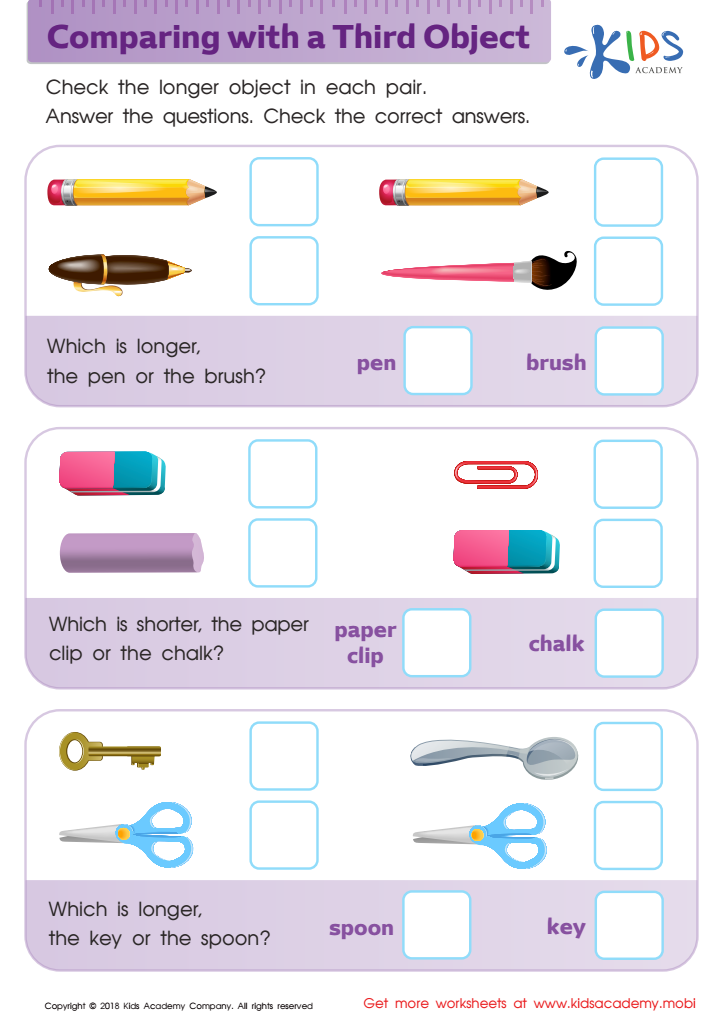
Comparing with a Third Object Worksheet
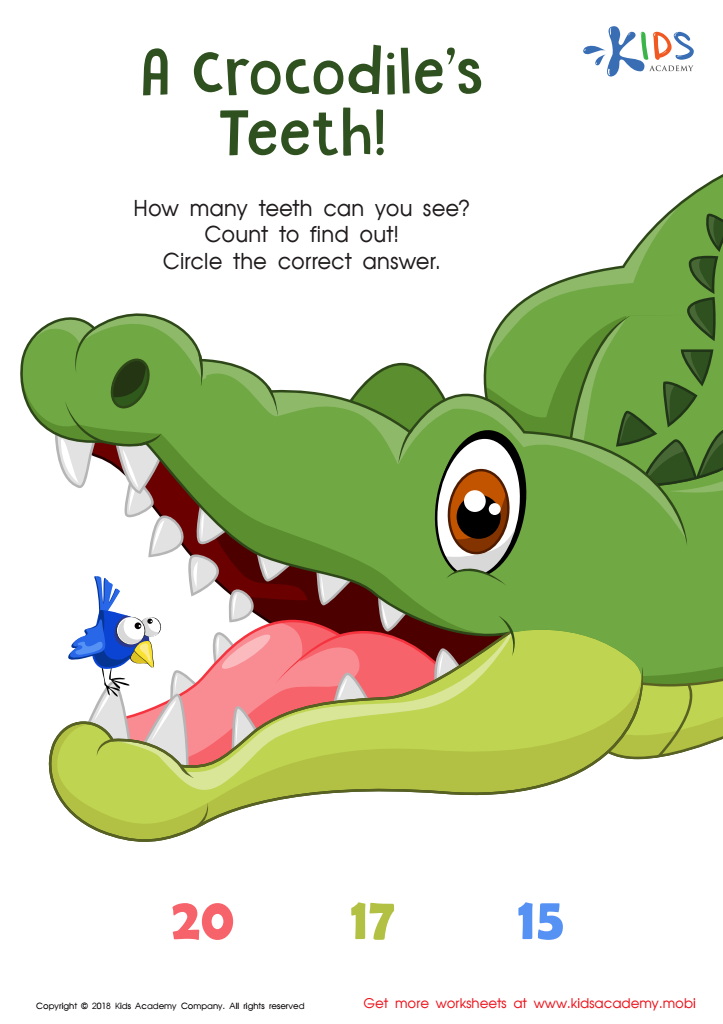
A Crocodile's Teeth Worksheet
Matching: Classifying Toys by Size Worksheet
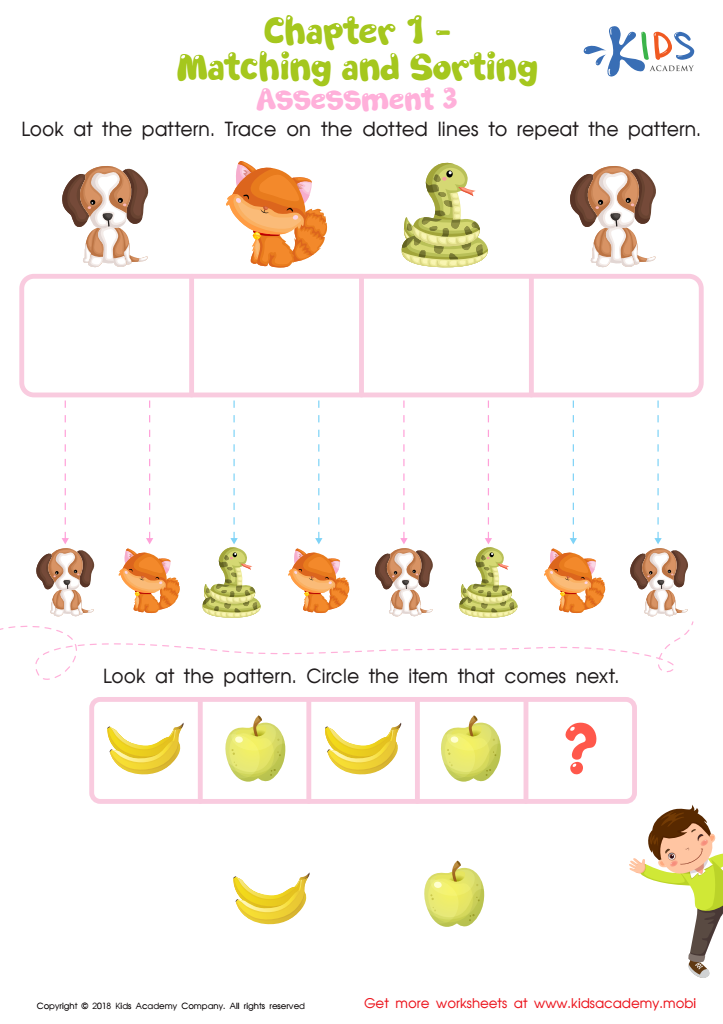
Matching and Sorting for Preschool: Assessment 3 Worksheet




.jpg)
Understanding comparisons is a fundamental skill for children aged 4-7, and it warrants close attention from parents and teachers for several important reasons. At this developmental stage, children's cognitive abilities are rapidly expanding, and learning to make comparisons helps them make sense of their world. For instance, grasping concepts like bigger and smaller, more and less, taller and shorter, aids in their comprehension of basic math and science principles.
Comparisons also play a vital role in language development. They enhance vocabulary as children learn new adjectives and descriptive terms. As kids navigate comparisons, they sharpen their critical thinking and analytical skills, which lay the groundwork for more complex problem-solving abilities in later years.
Additionally, mastering comparisons boosts social understanding. Children learn to assess similarities and differences among people, experiences, and preferences, fostering empathy and perspective-taking—skills essential for positive social interactions.
Moreover, in this tech-oriented age, where precise measurement and data interpretation are crucial, early introduction to comparison helps bridge the gap to digital literacy. Thus, focusing on developing this skill at an early age equips children not just for academic success, but for a well-rounded, informed, and thoughtful approach to life.








