Understanding instructions Worksheets for Ages 4-7
5 filtered results
-
From - To
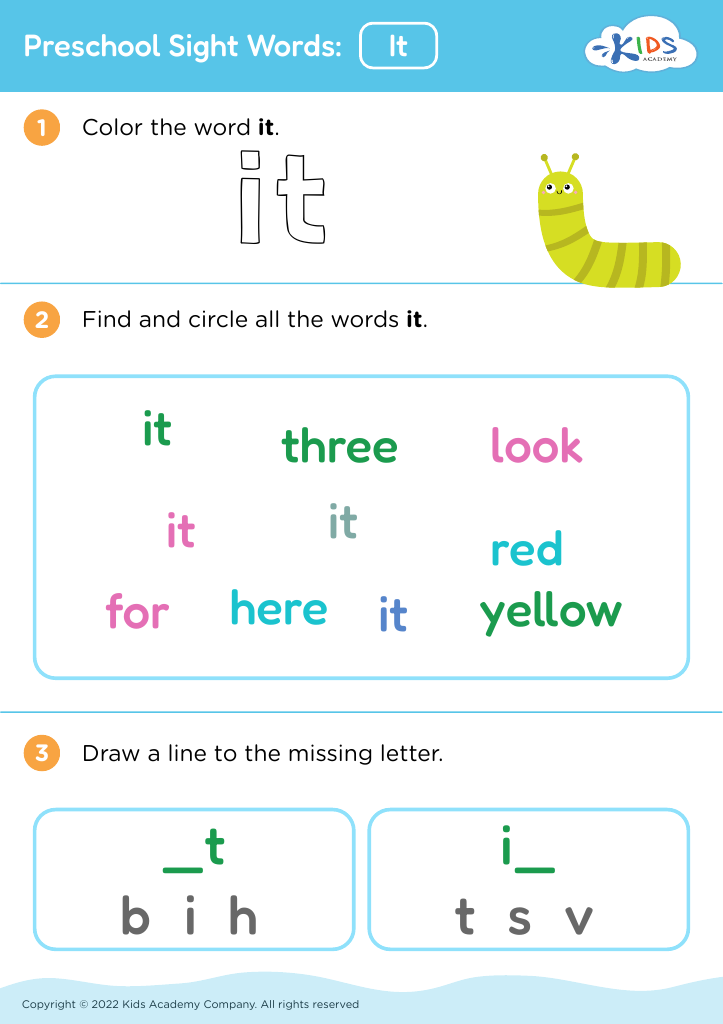
Introducing our "Understanding Instructions Worksheets for Ages 4-7" – a curated collection of engaging and educational activities designed to help young learners grasp and follow instructions effectively. These printable worksheets boost cognitive development, improve listening skills, and promote sequential thinking through fun tasks. Each activity is carefully crafted to be age-appropriate, ensuring that children remain engaged and motivated as they learn essential skills. Perfect for both classroom and at-home learning, our worksheets are a valuable resource for parents and teachers aiming to enhance children's comprehension and execution of instructions. Unlock your child's potential with these foundational learning tools!
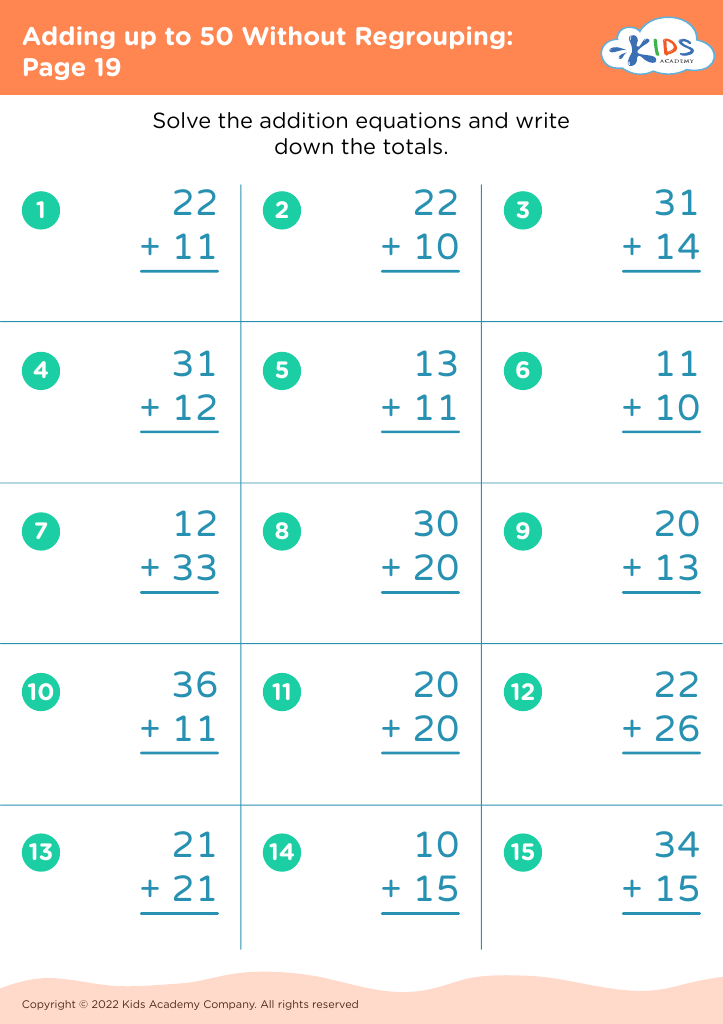
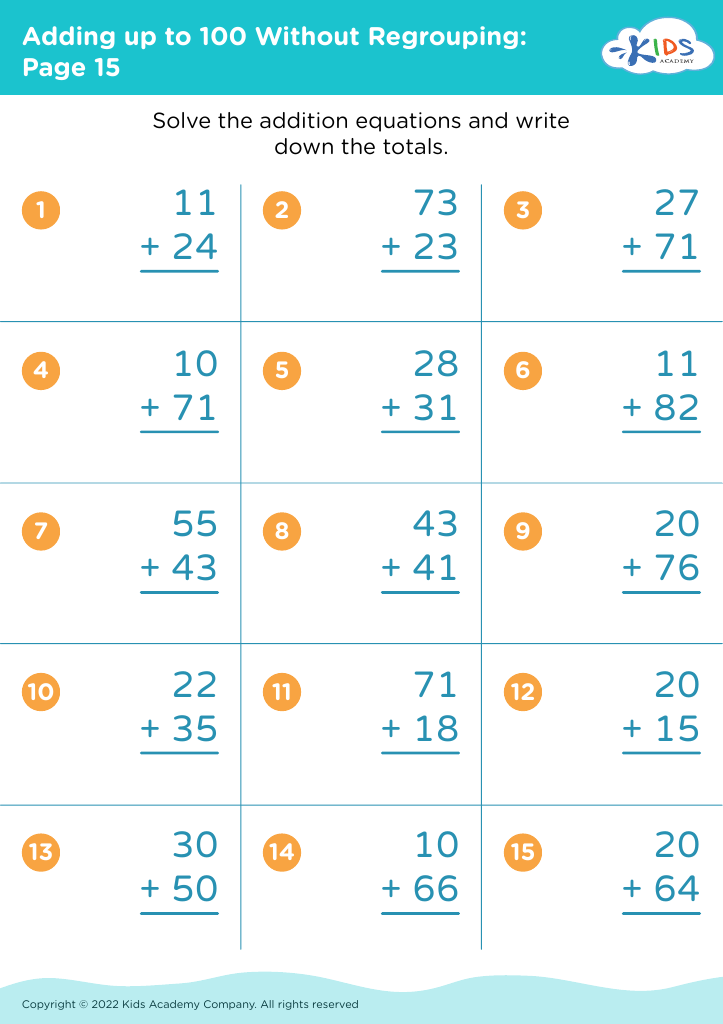
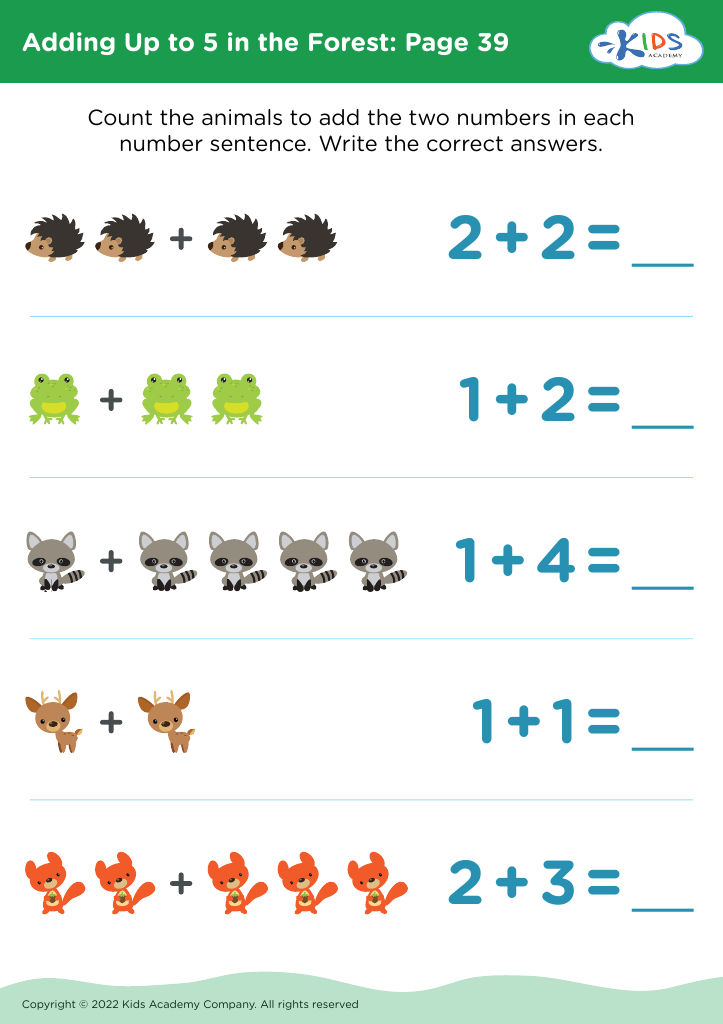
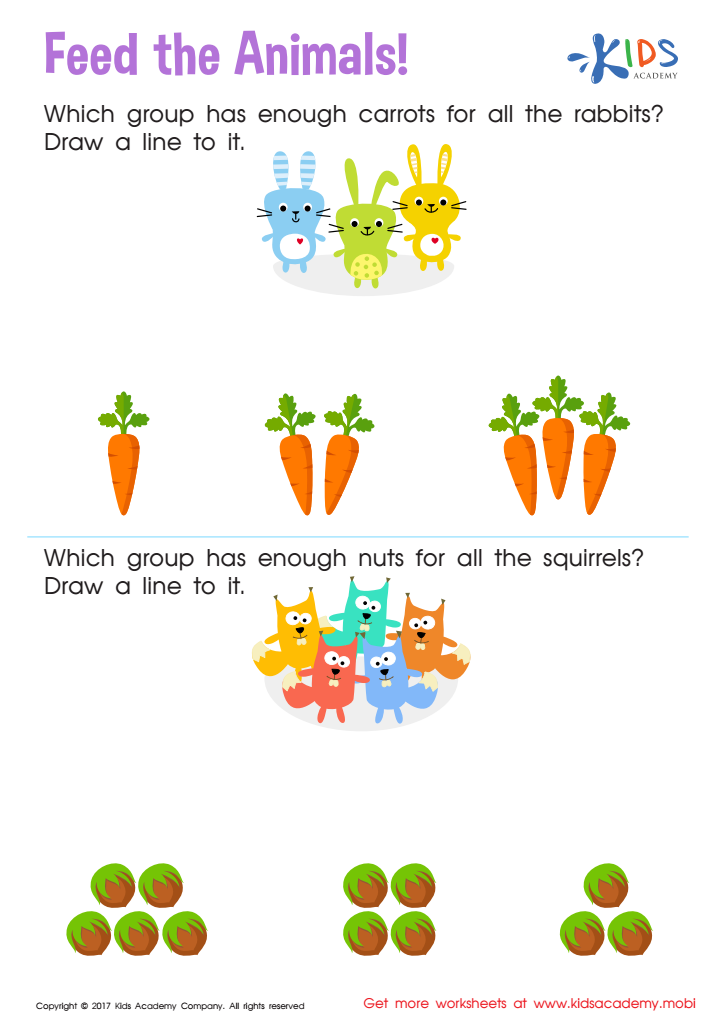
Count and Match: Feed the Animals Worksheet
 Assign to My Students





.jpg)

Understanding instructions is a fundamental skill for children aged 4-7 that profoundly impacts their learning and development. At this early stage, the ability to comprehend and follow directions serves as the foundation for academic success and social interactions.
Firstly, cognitive development is rapid in these formative years. Children are learning to process information, stay attentive, and follow multi-step instructions, which aids in building critical thinking and problem-solving skills. When children understand instructions, they can better engage with activities and lessons, fostering an effective and enriching educational experience.
Secondly, behavioral development benefits significantly. Young children learn about routine, discipline, and cooperation mainly through guided instructions. Understanding and adhering to rules helps them feel secure and teaches them social norms, influencing how they behave and interact with peers and adults.
For parents and teachers, clear communication boosts productivity and minimizes frustration. If children struggle to understand instructions, it leads to repeated miscommunications, errors, and behavioral issues. By ensuring that instructions are age-appropriate and comprehensible, adults can create a supportive learning environment that nurtures confidence and independence.
In summary, focusing on understanding instructions for children aged 4-7 lays a pivotal role in their cognitive, social, and emotional development, setting them up for future success both in and out of the classroom.








