Understanding number values Worksheets for Ages 4-7
4 filtered results
-
From - To
Unlock the world of numbers with our "Understanding Number Values Worksheets" designed specifically for ages 4-7! These engaging worksheets help young learners explore the concept of number values through fun, interactive activities. Children will learn to identify and compare numbers, understand their place values, and strengthen their foundational math skills. Our colorful and visually appealing worksheets make learning enjoyable and effective, promoting critical thinking and problem-solving. Ideal for homeschooling, classroom use, or extra practice at home, these resources are perfect for building confidence in young mathematicians. Start your child's journey to numerical proficiency today with our expertly crafted worksheets!
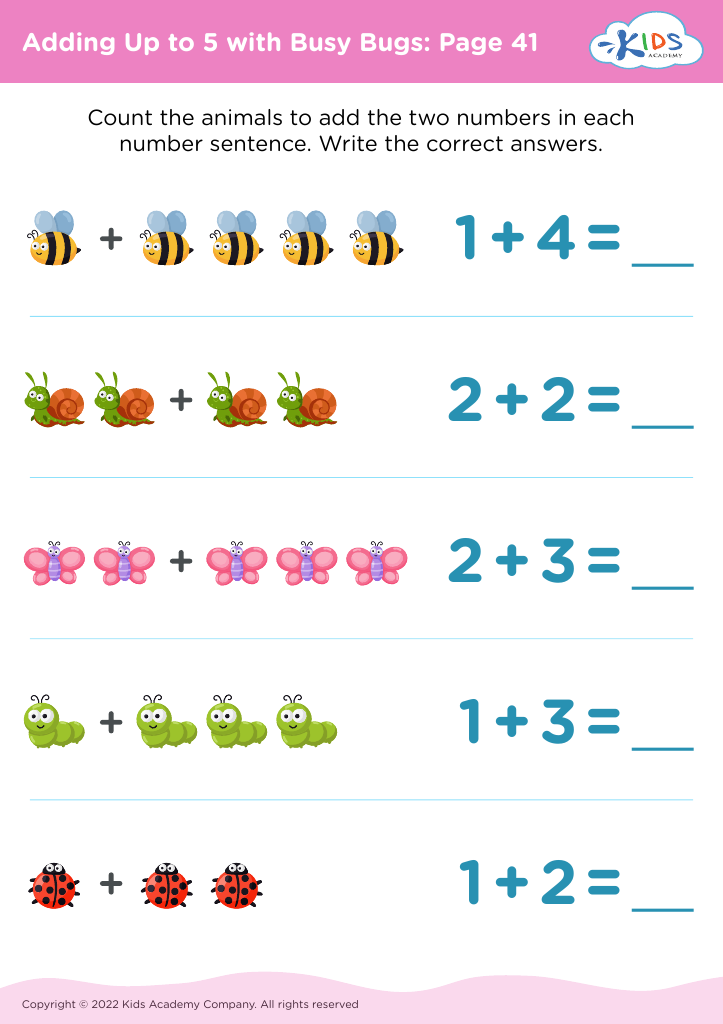
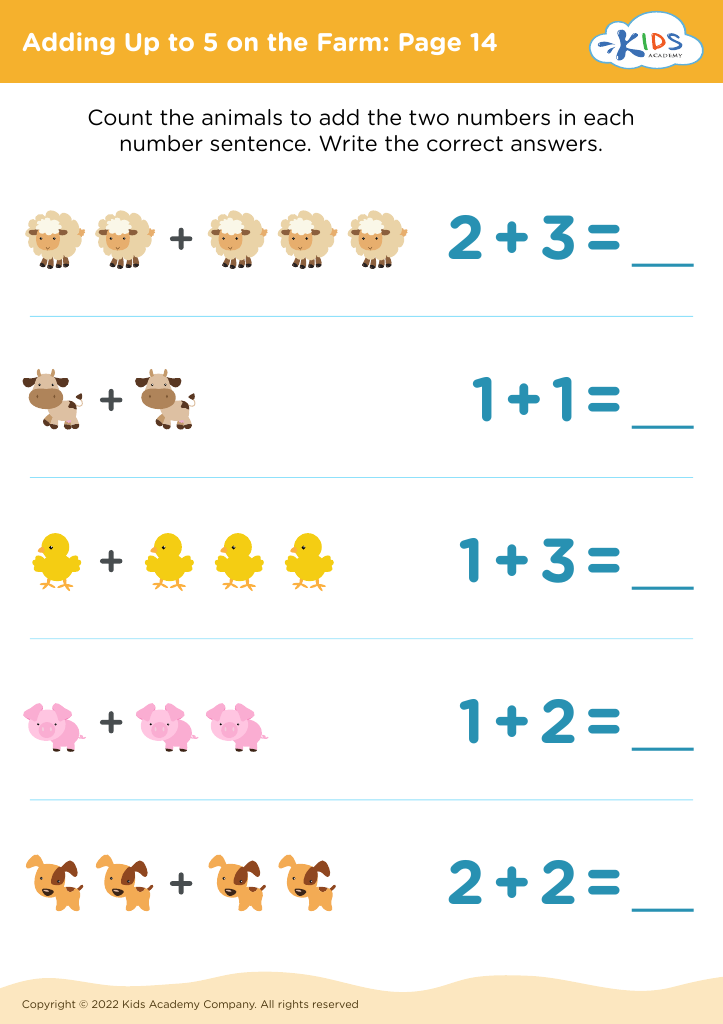
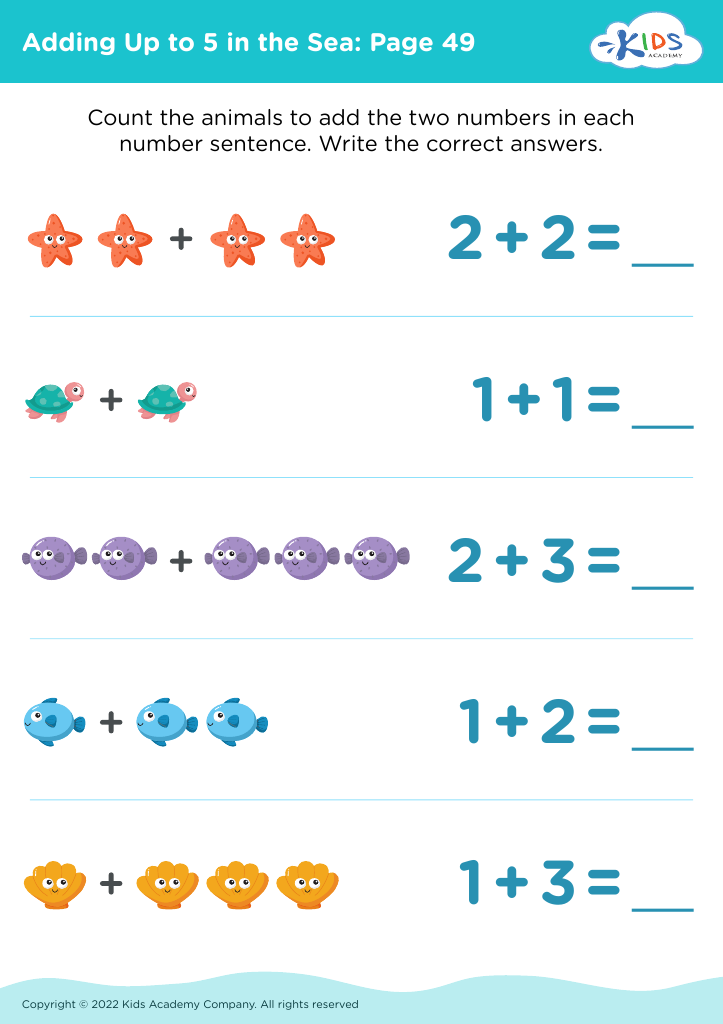
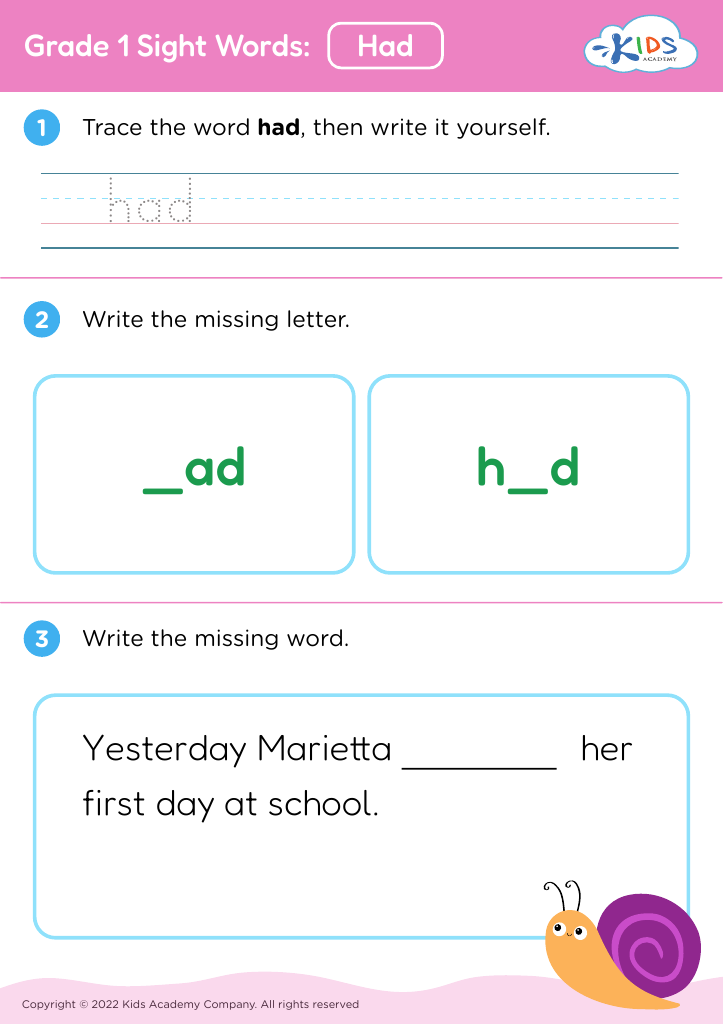








Understanding number values is a fundamental building block for early mathematics education, particularly for children aged 4-7. At this age, children are forming essential cognitive skills that will serve as the basis for their future learning, and number sense plays a crucial role in this development. By grasping the concept of number values, children learn to recognize, compare, and manipulate numbers, which is vital for problem-solving and logical reasoning.
For teachers and parents, fostering this understanding can enhance children's confidence in math, alleviate anxiety around the subject, and build a strong foundation for more complex mathematical concepts later on. Engaging with number values in playful and practical contexts—such as counting objects, playing games, or participating in daily activities involving numbers—makes learning relatable and enjoyable.
Moreover, children who understand number values are typically more successful in their mathematical endeavors in school, paving the way for academic achievement. This foundational knowledge can influence their attitudes towards mathematics throughout their lives, shaping their career choices and opportunities. Therefore, investing time and resources in helping young children understand number values is crucial for their cognitive development and long-term success in mathematics and beyond.








