Understanding numbers Worksheets for Ages 4-7
6 filtered results
-
From - To
Discover our "Understanding Numbers Worksheets for Ages 4-7," expertly designed to nurture early math skills in young learners. Perfect for preschool and early elementary ages, these fun, engaging activities help children recognize, count, and write numbers effortlessly. Our carefully crafted worksheets blend colorful visuals with interactive tasks, fostering a strong foundational understanding of numbers while keeping kids entertained. Ideal for both classroom settings and homeschooling, these resources promote critical thinking, problem-solving, and a love for math. Equip your child with essential skills through our comprehensive, age-appropriate number worksheets available for easy download at Kids Academy.
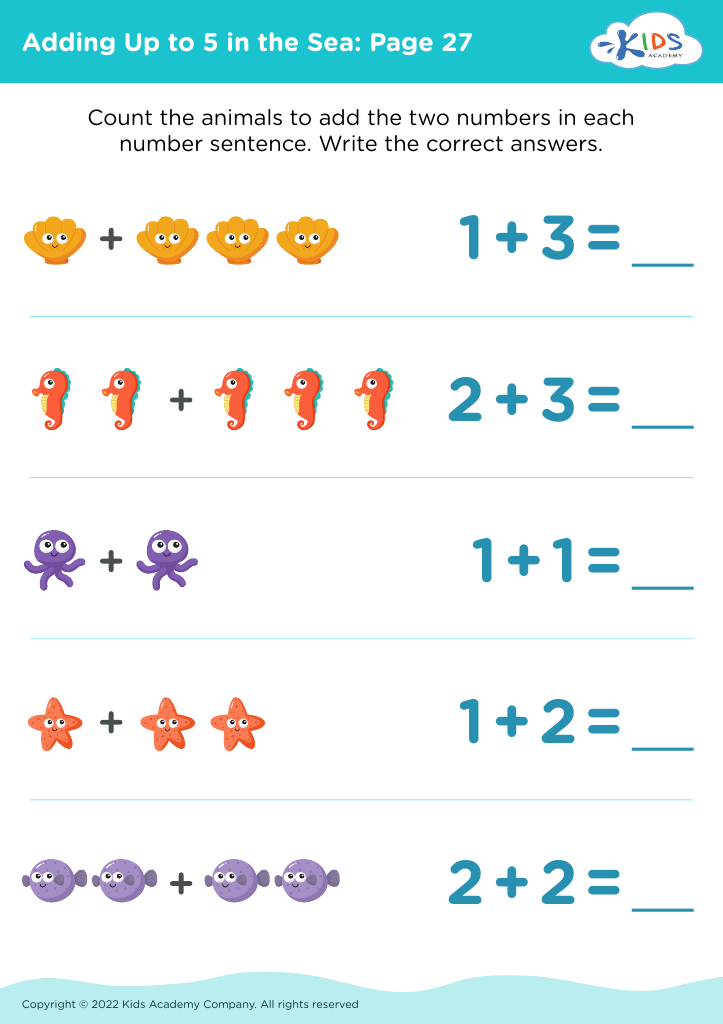
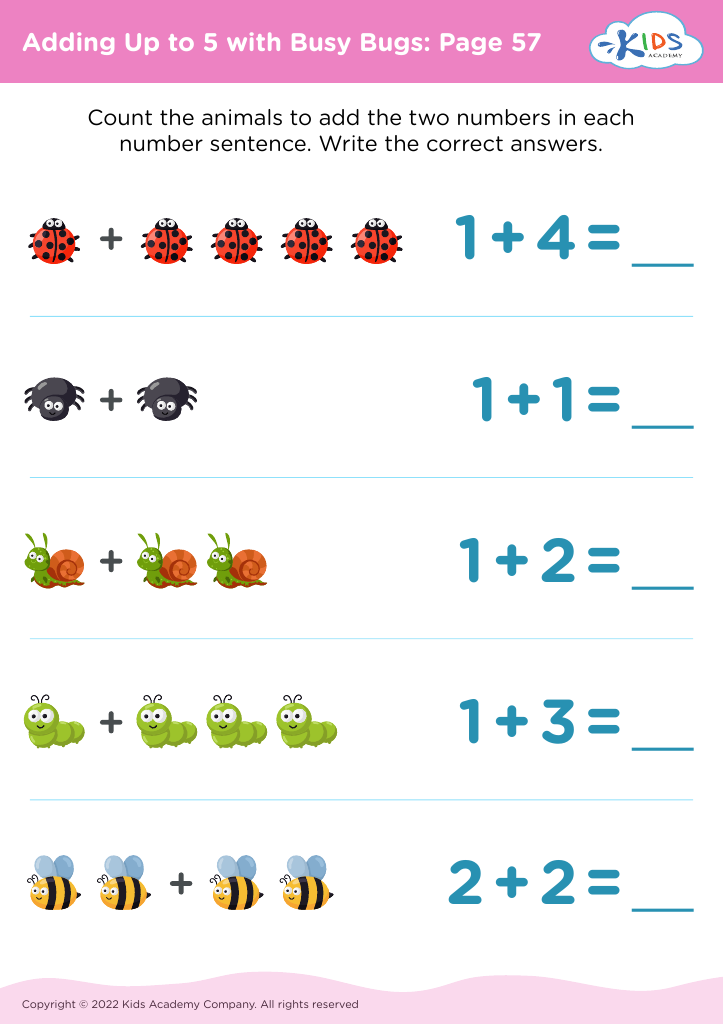
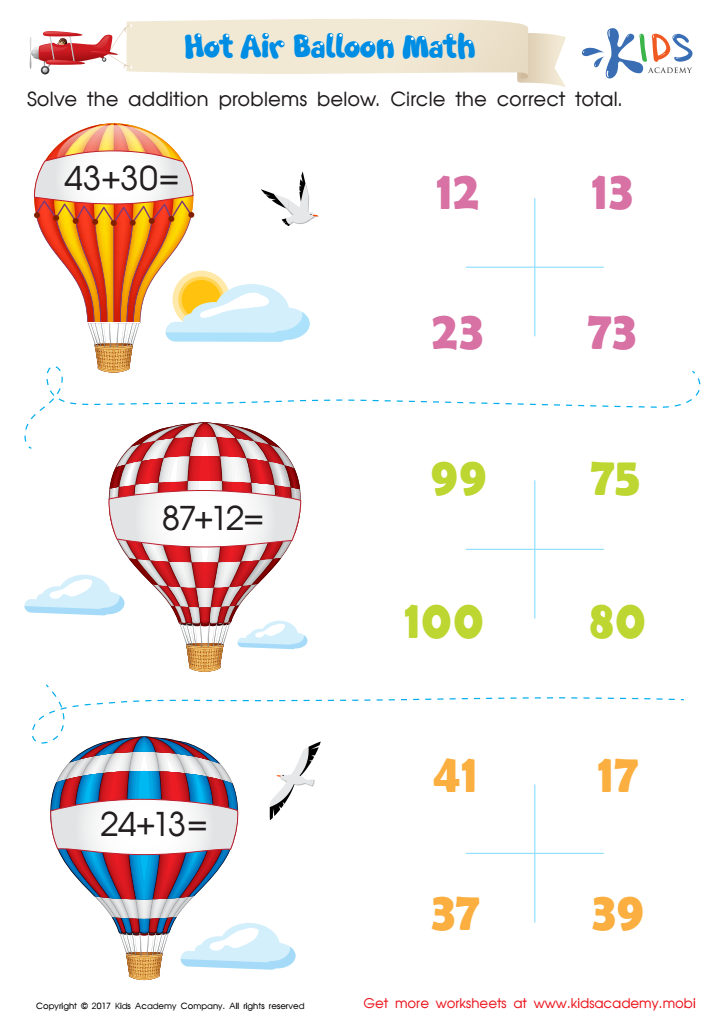
Hot Air Balloon Math Worksheet
 Assign to My Students
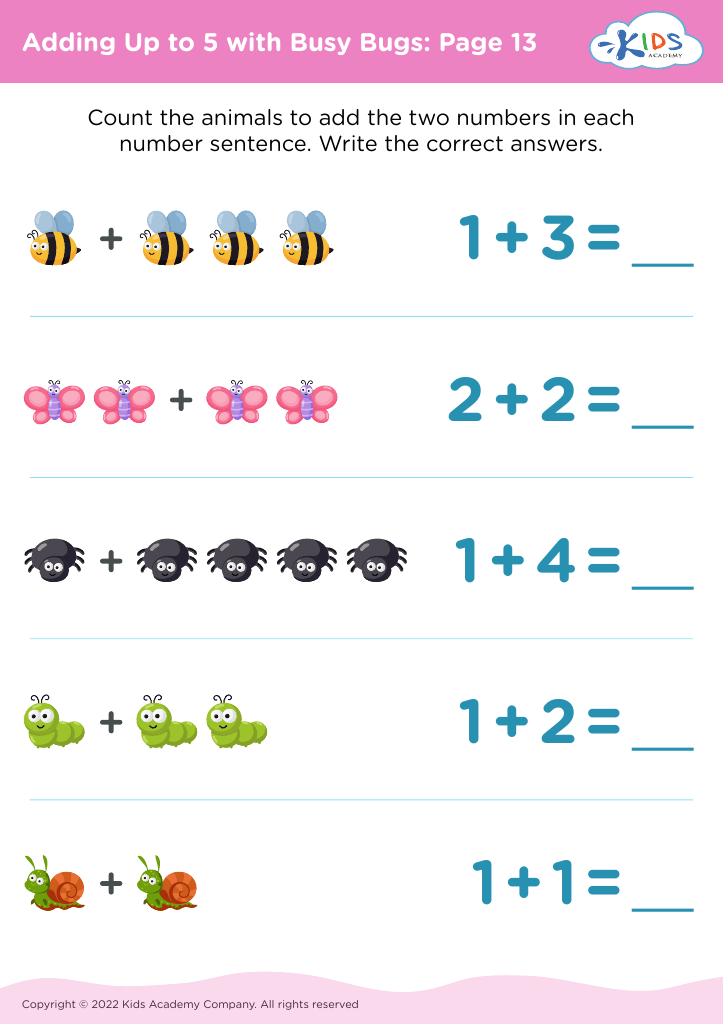
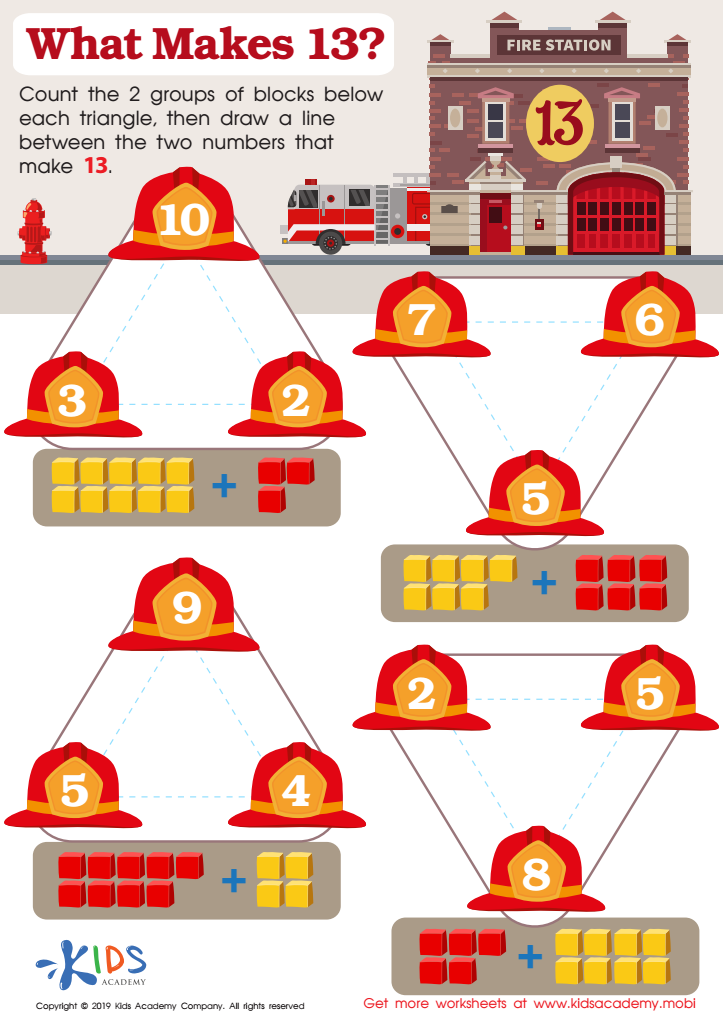
What Makes 13 Worksheet
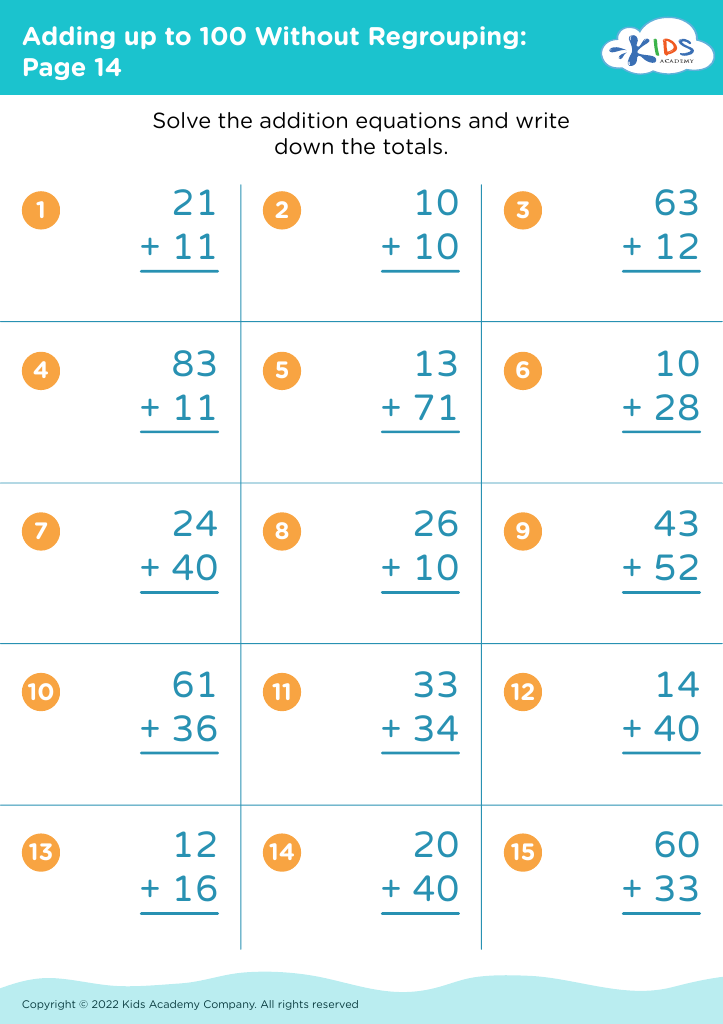





.jpg)


Understanding numbers at an early age is crucial for children ages 4-7 because it forms the foundation of essential cognitive and mathematical skills that are pivotal for their overall academic development. During these formative years, children's brains are especially receptive to learning new concepts, making it an ideal time to introduce fundamental number concepts.
Firstly, an early grasp of numbers promotes critical thinking and problem-solving skills. Knowing how to count, recognize numbers, and understand basic arithmetic operations like addition and subtraction helps children navigate tasks both in and outside the classroom. This competency encourages a positive attitude towards more advanced math later on.
Moreover, understanding numbers is tied to other academic subjects. For instance, measurements in science, time-telling in everyday routines, and understanding scores in sports all require numerical literacy.
In social terms, numerical comprehension helps children follow instructions, share equally with peers, and develop a concept of fairness—all crucial skills for building relationships and functioning effectively in society.
Teachers and parents should be proactive in nurturing numerical skills by incorporating counting songs, educational games, and everyday problems that involve numbers into their routines, making the learning process engaging and practical. This will set children on a path of lifelong learning and academic success.








