Understanding numerical values Worksheets for Ages 4-7
4 filtered results
-
From - To
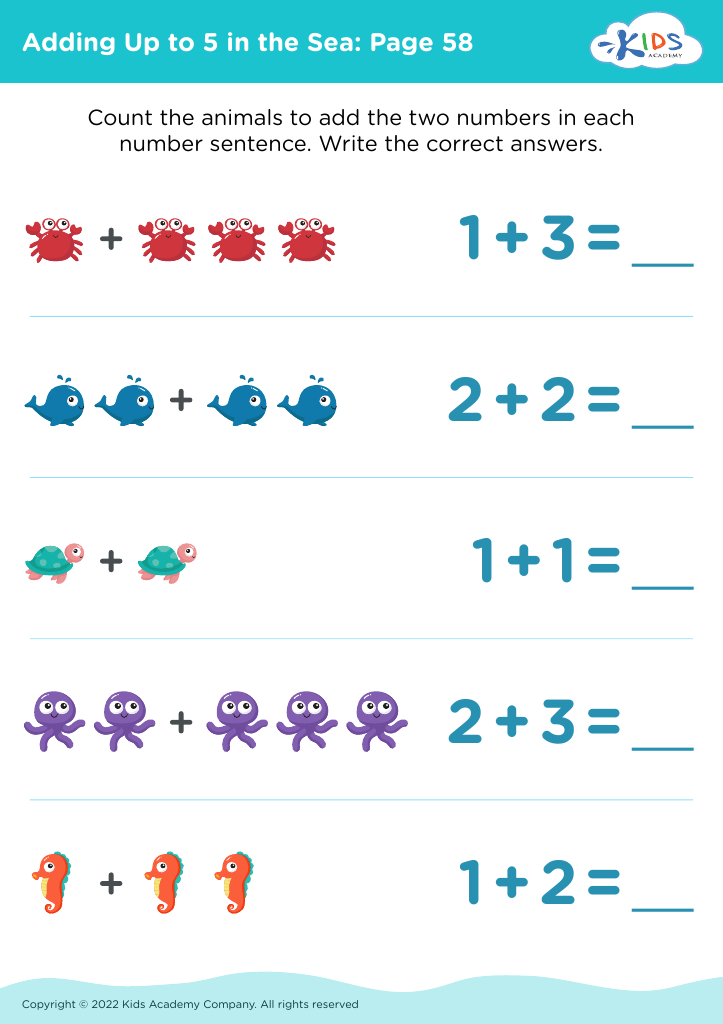
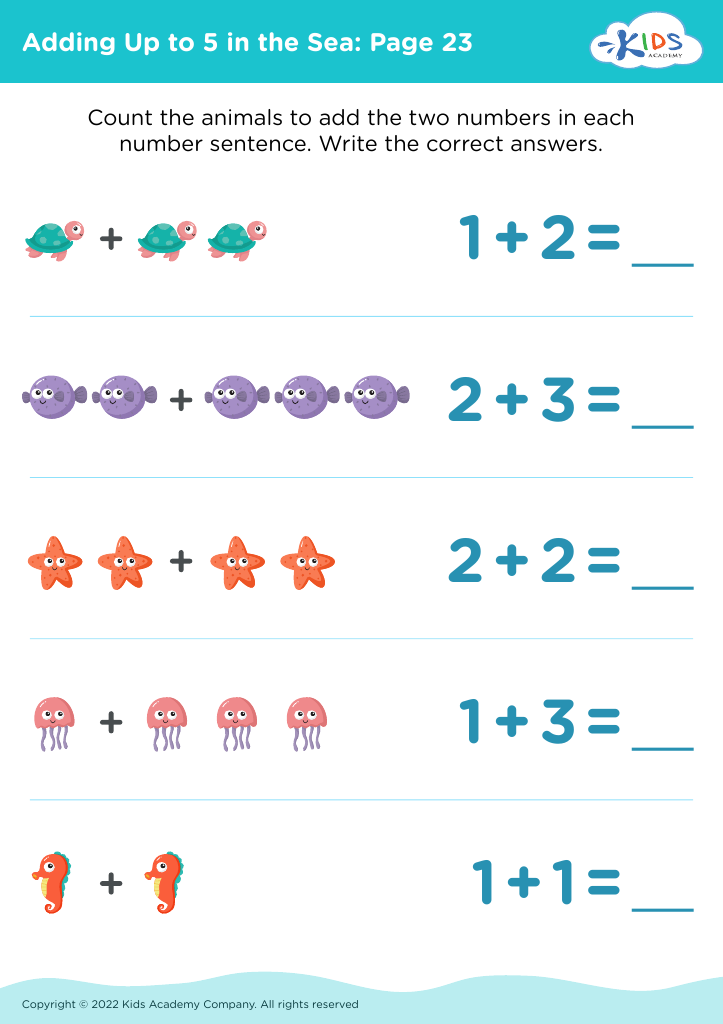
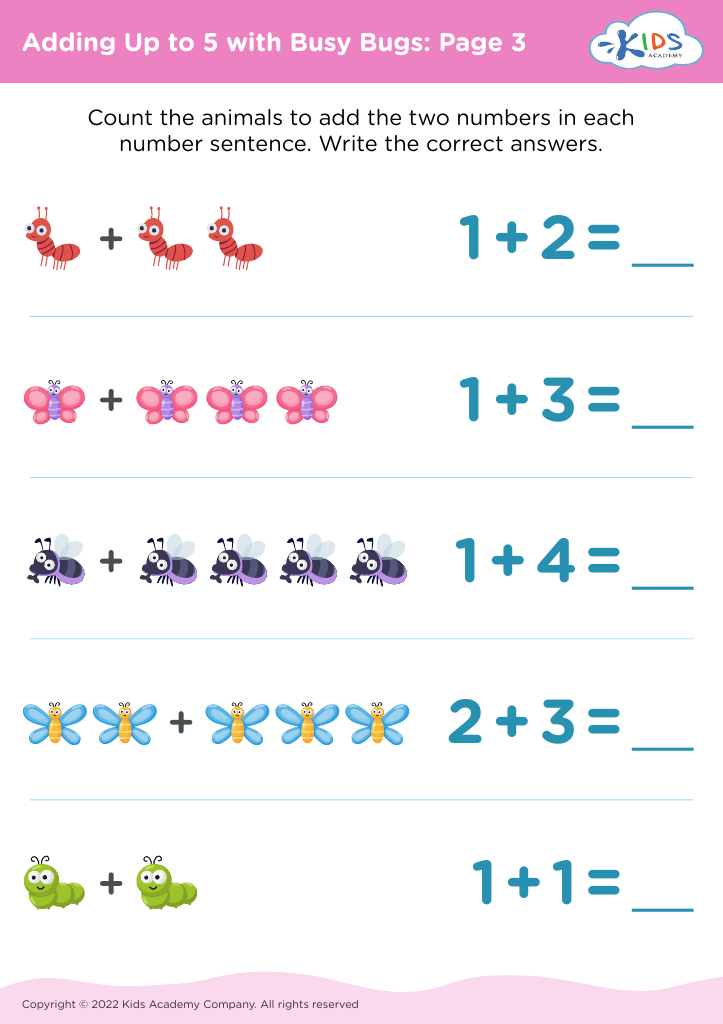
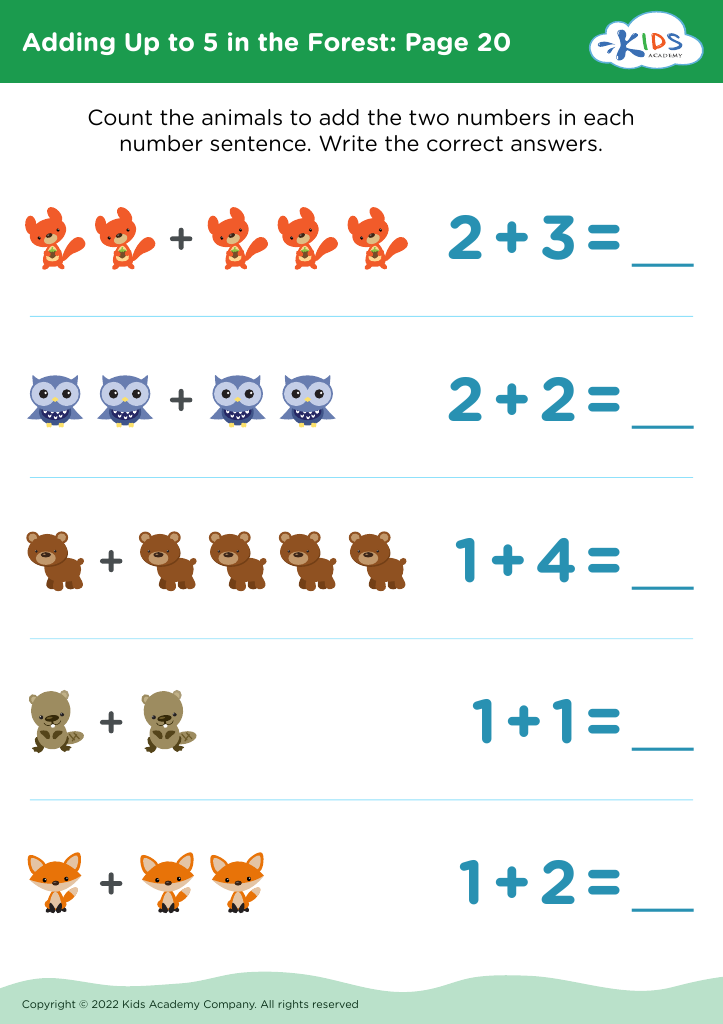
Welcome to our "Understanding Numerical Values Worksheets" for children aged 4-7! This engaging collection of worksheets is designed to nurture early math skills by helping young learners grasp the concept of numerical values. Through colorful illustrations and interactive activities, children can practice number recognition, counting, and composing small quantities. Our worksheets are perfect for both classroom use and at-home learning, fostering a love for math in a fun and educational way. Encourage curiosity and understanding in your little ones with these essential resources that prepare them for future math challenges. Explore, learn, and play with numbers today!







Understanding numerical values is crucial for children aged 4-7, as it forms the foundation for their mathematical skills and critical thinking abilities. During this developmental stage, children are naturally curious and eager to explore concepts, making it an ideal time to introduce them to numbers, counting, and basic operations.
For parents and teachers, fostering a strong numerical understanding enhances children's confidence and problem-solving skills. Early exposure to numerical values helps children grasp more complex mathematical concepts in later years, ensuring they are well-prepared for the academic challenges ahead. Additionally, understanding numbers supports everyday activities, from simple tasks like sharing snacks to following routines based on time and quantity. This practical application reinforces their learning in meaningful ways.
Moreover, fostering numerical understanding promotes cognitive development and enhances language skills, as children learn to describe and communicate their thoughts about quantities and relationships. Encouraging a positive attitude towards numbers also lays the groundwork for lifelong learning, instilling a sense of curiosity and a willingness to engage with mathematics throughout their education. Ultimately, investing time and effort into helping children understand numerical values can significantly impact their academic success and overall confidence in their abilities.








