Explore our "Understanding Quantities Worksheets" tailored for children aged 4-7 to enhance foundational math skills! These engaging, printable worksheets aim to help young learners grasp the concept of quantities through fun activities, visual aids, and interactive exercises. Children will practice counting, comparing, and identifying numbers, fostering confidence and competence in early mathematics. Our worksheets combine learning and play, making it enjoyable for kids to develop their understanding of quantities. Perfect for classroom use or home practice, these resources are designed to support parents and educators in nurturing essential math skills. Start your child's mathematical journey today with our enriching worksheets!
Check out this FREE "Understanding Quantities" Trial Lesson for age 4-7!

Adding with 3's

Favorites
With answer key
Interactive
  • 4-7
  • Understanding Quantities
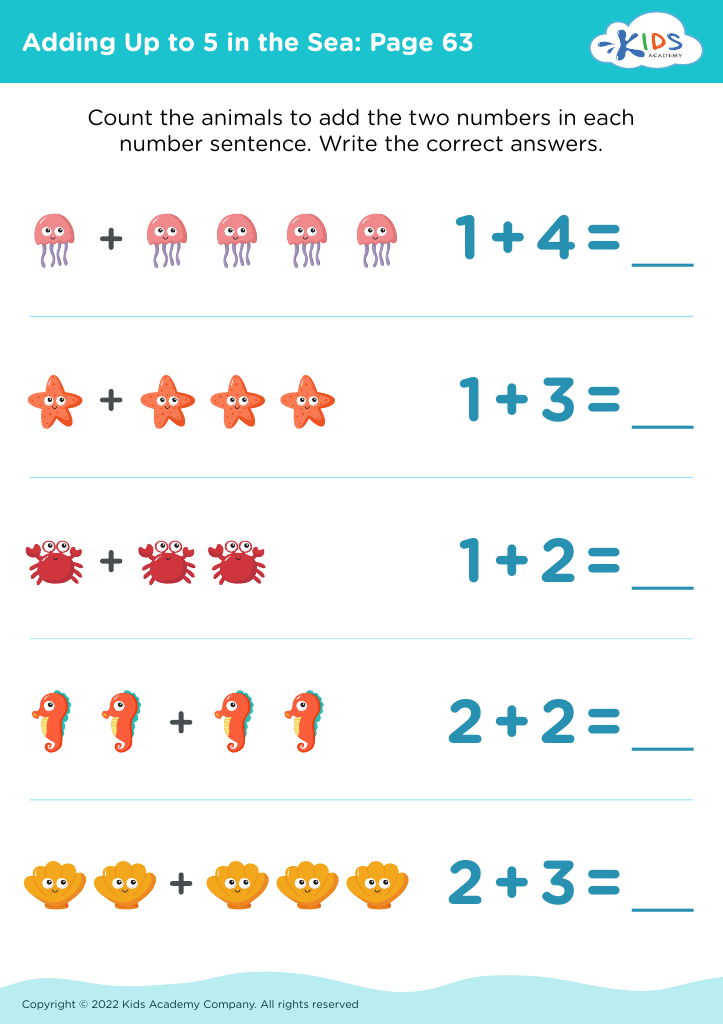
Adding Up to 5 in the Sea: Page 63
Worksheet
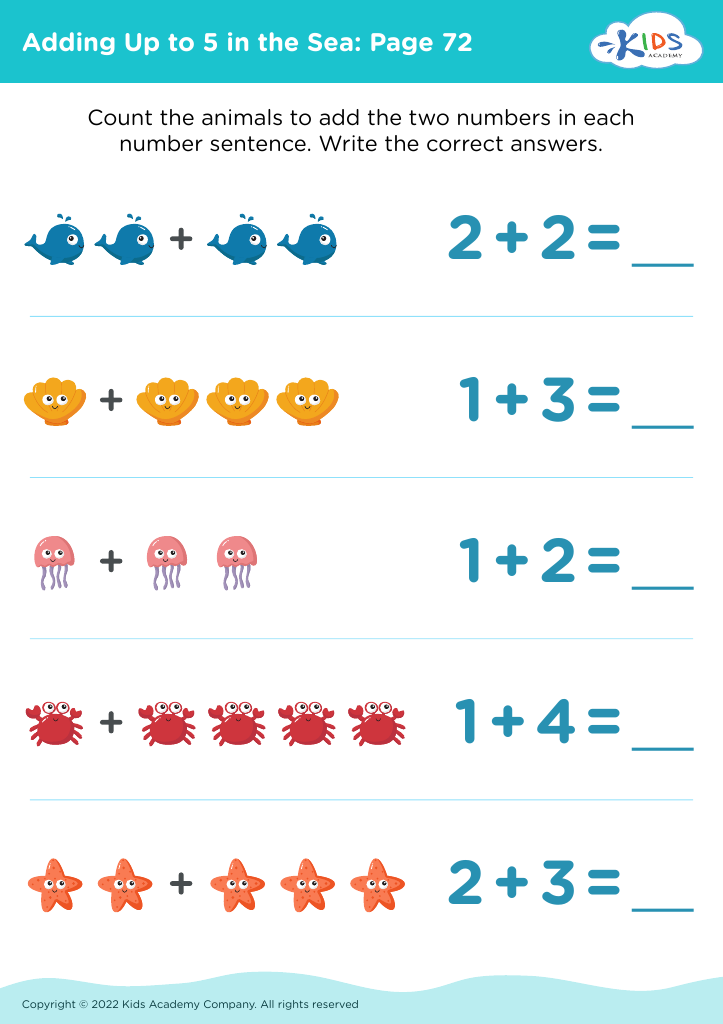
Adding Up to 5 in the Sea: Page 72
Worksheet
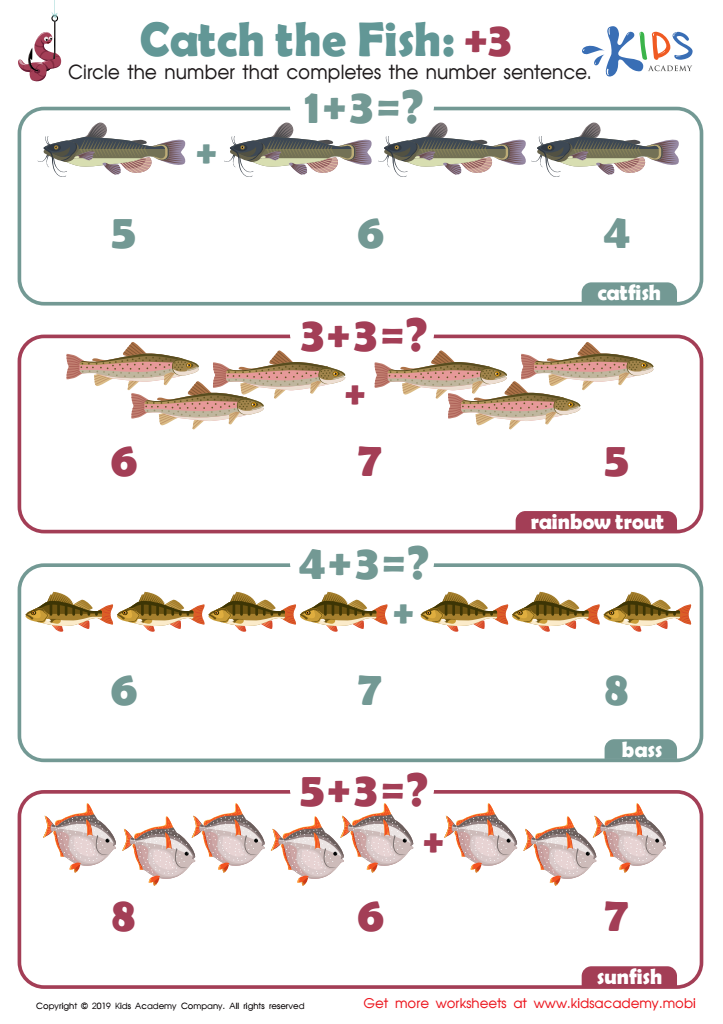
Catch the Fish: +3 Worksheet

Catch the Fish: +3 Worksheet

Math may be tricky for your child, with all the numbers and calculations. This worksheet can help them brush up. Ask them to identify the objects in the picture, then count them and help them circle the right number to complete the sentence. It's a simple and effective way to improve math skills.
Catch the Fish: +3 Worksheet
Worksheet
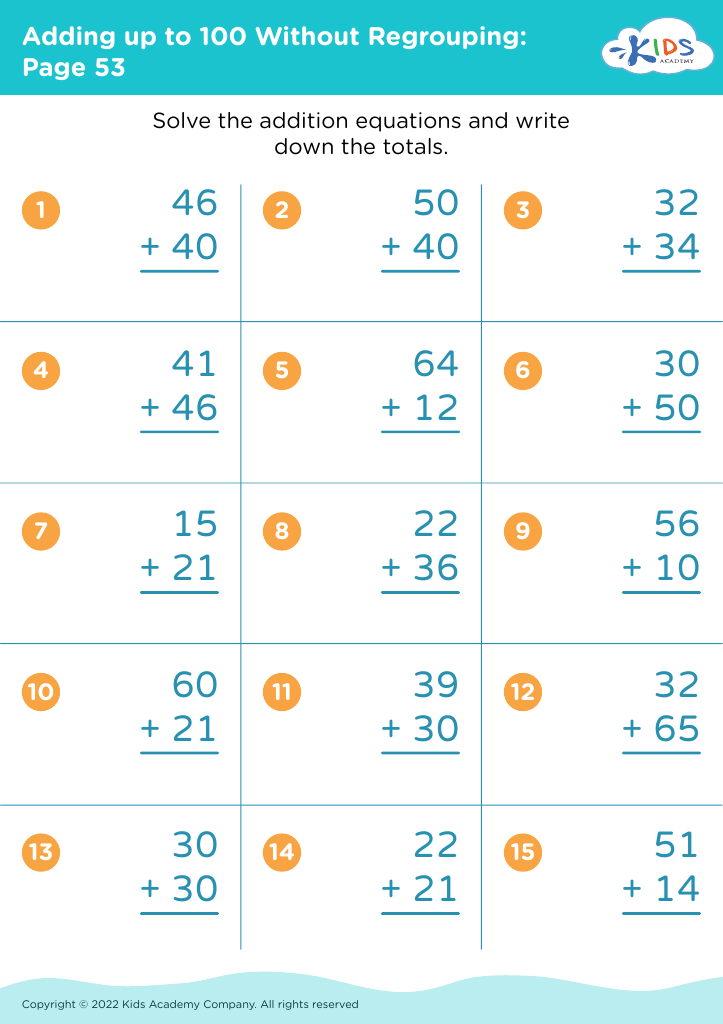
Adding up to 100 Without Regrouping: Page 53
Worksheet
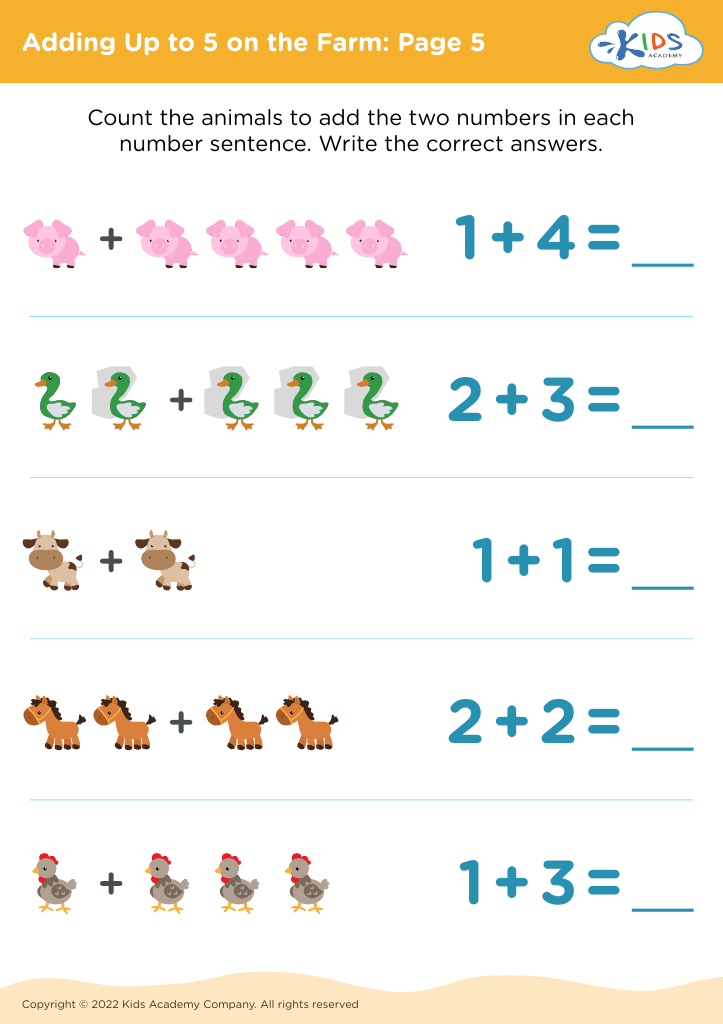
Adding Up to 5 on the Farm: Page 5
Worksheet
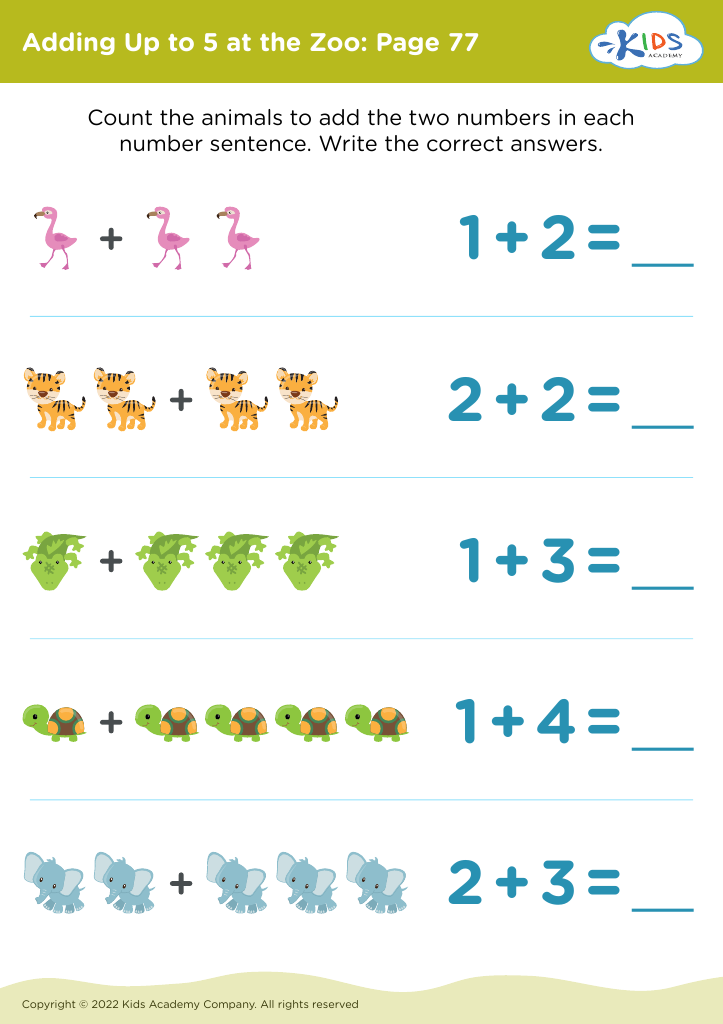
Adding Up to 5 at the Zoo: Page 77
Worksheet
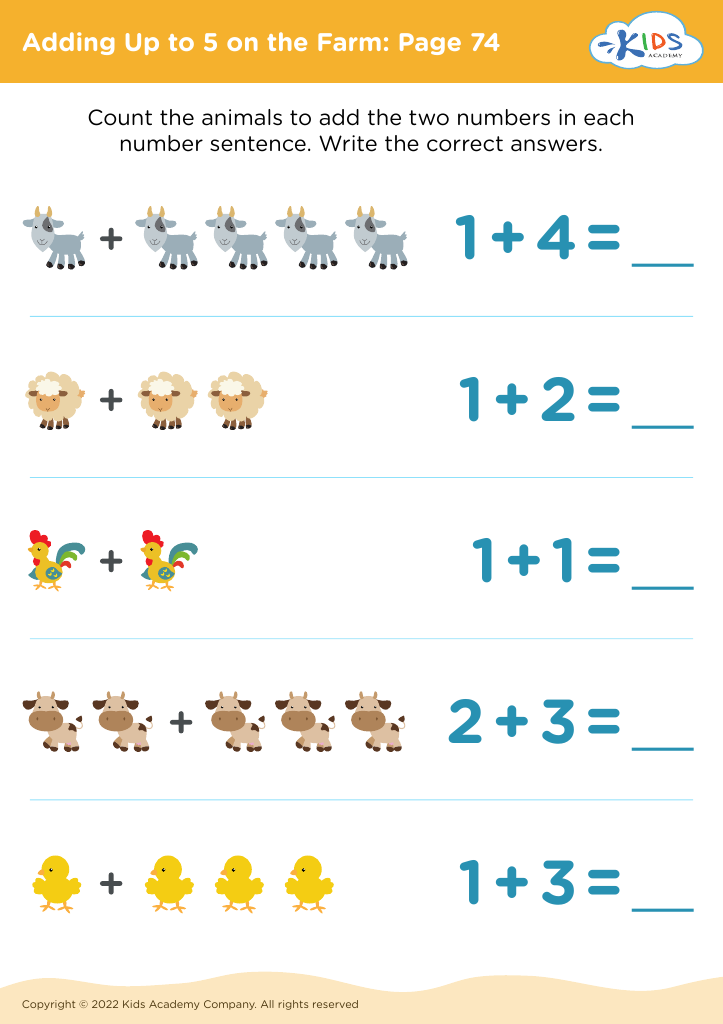
Adding Up to 5 on the Farm: Page 74
Worksheet
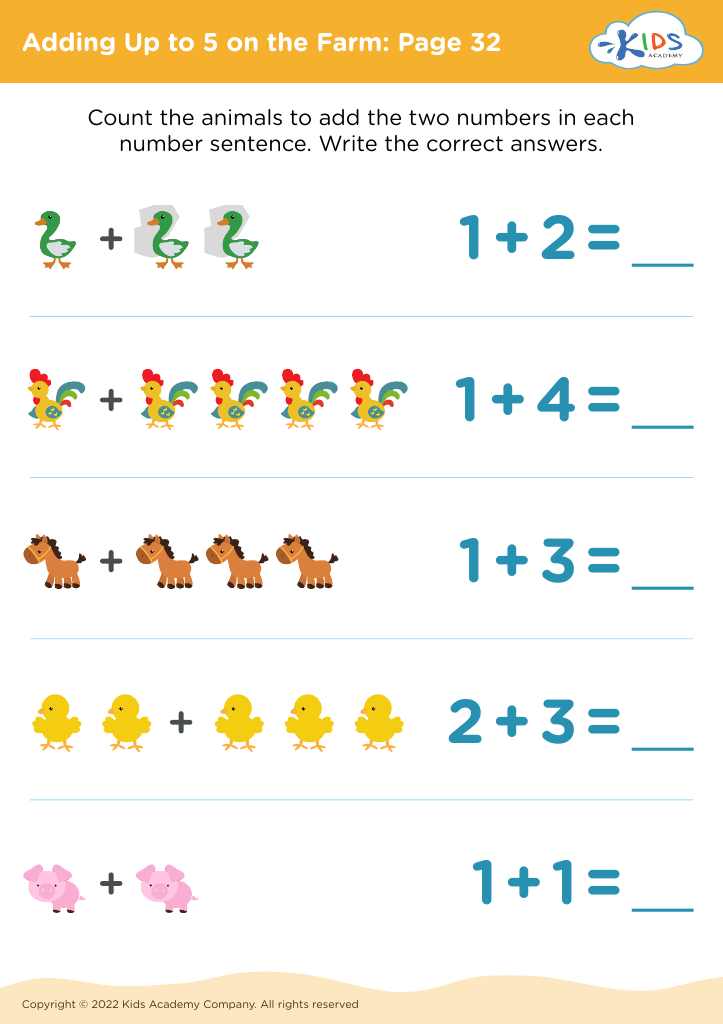
Adding Up to 5 on the Farm: Page 32
Worksheet
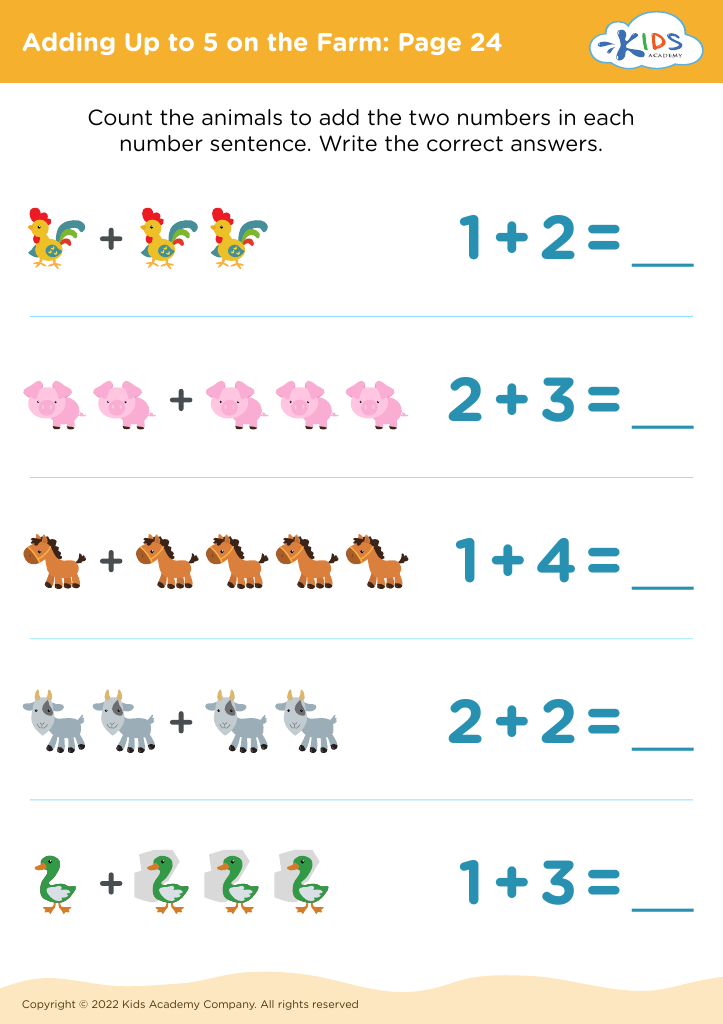
Adding Up to 5 on the Farm: Page 24
Worksheet
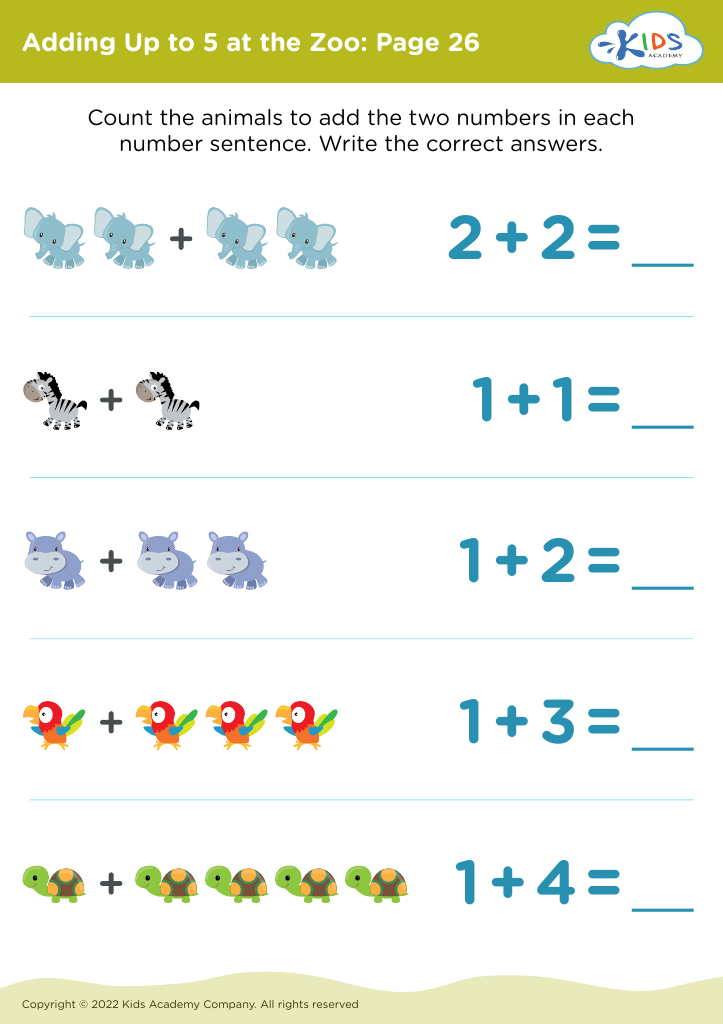
Adding Up to 5 at the Zoo: Page 26
Worksheet
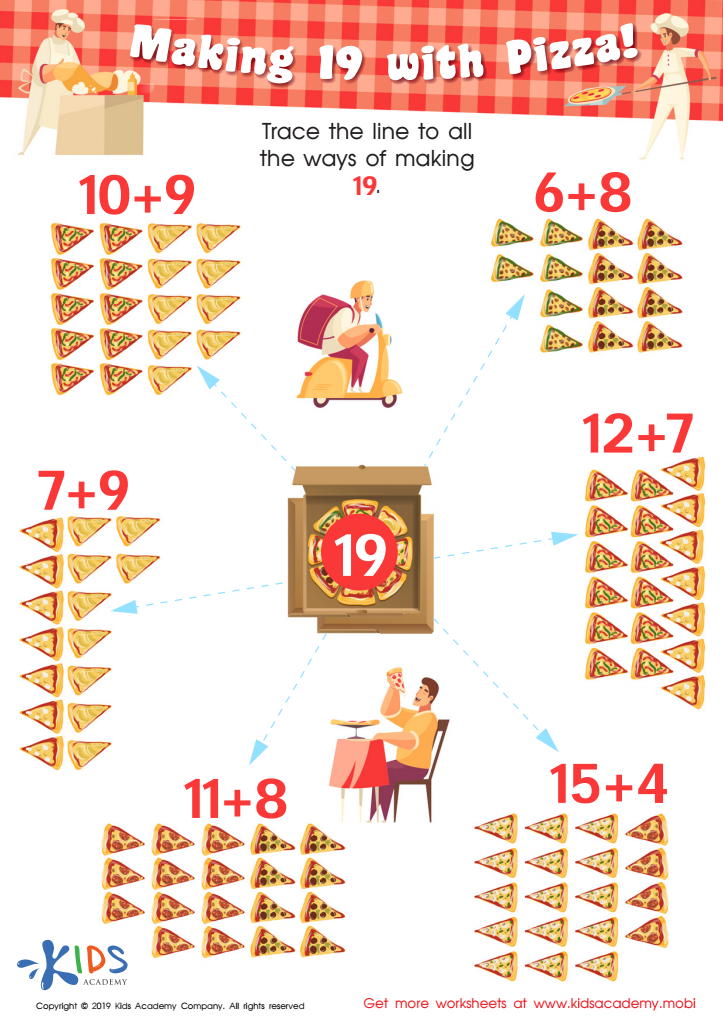
Making 19 with Pizza! Worksheet
Making 19 with Pizza! Worksheet
Who loves pizza? Your kids do! Next time you need to teach them math, make it fun by combining it with something they enjoy. This worksheet uses a pizza-themed problem to help them practice solving equations. Have them trace the line to figure out how to make 19. It's a great way to make learning math fun!
Making 19 with Pizza! Worksheet
Worksheet
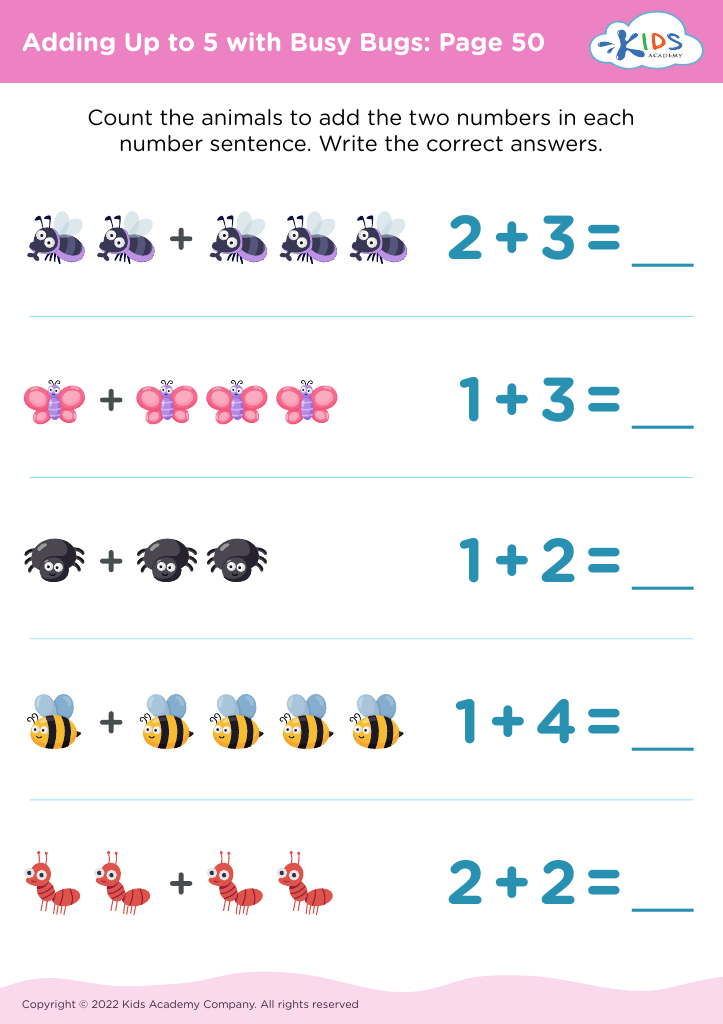
Adding Up to 5 with Busy Bugs: Page 50
Worksheet
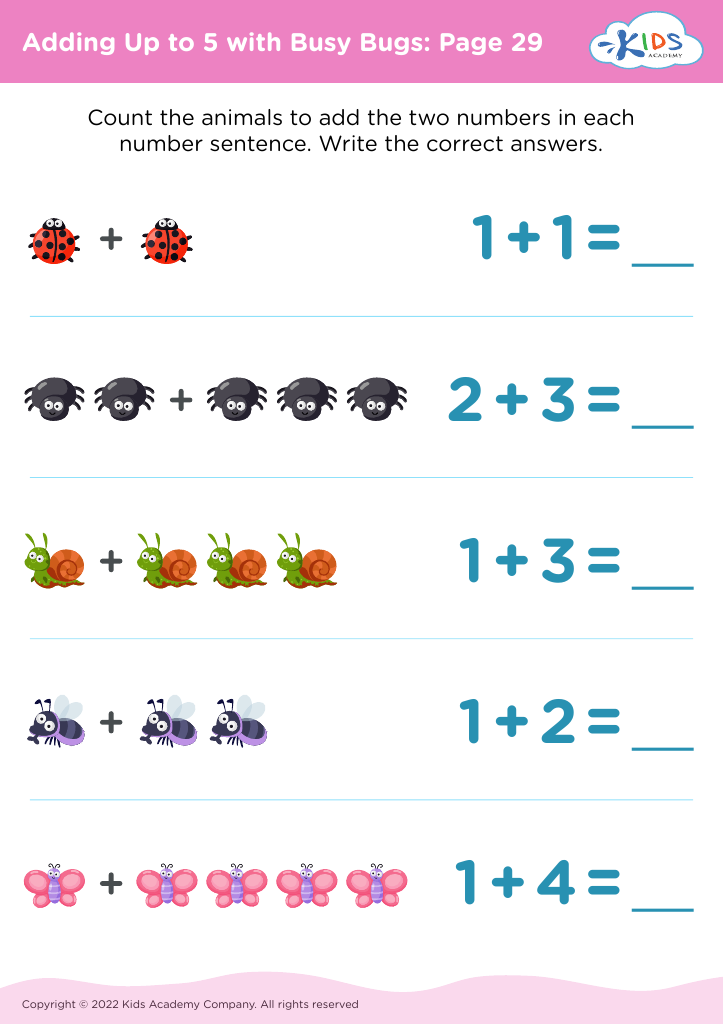
Adding Up to 5 with Busy Bugs: Page 29
Worksheet
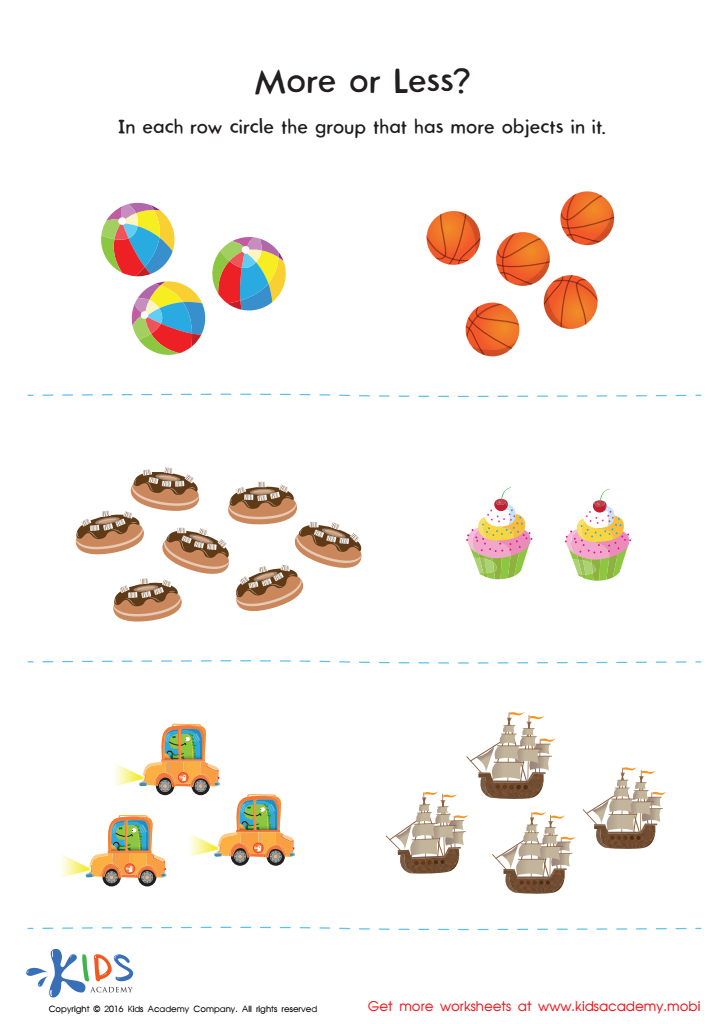
More or Less PDF Printable Worksheet

More or Less Size Worksheet

Try this "More or Less" PDF printable worksheet to help them out!
More or Less Size Worksheet
Worksheet
Place Value: Chapter 1 Worksheet
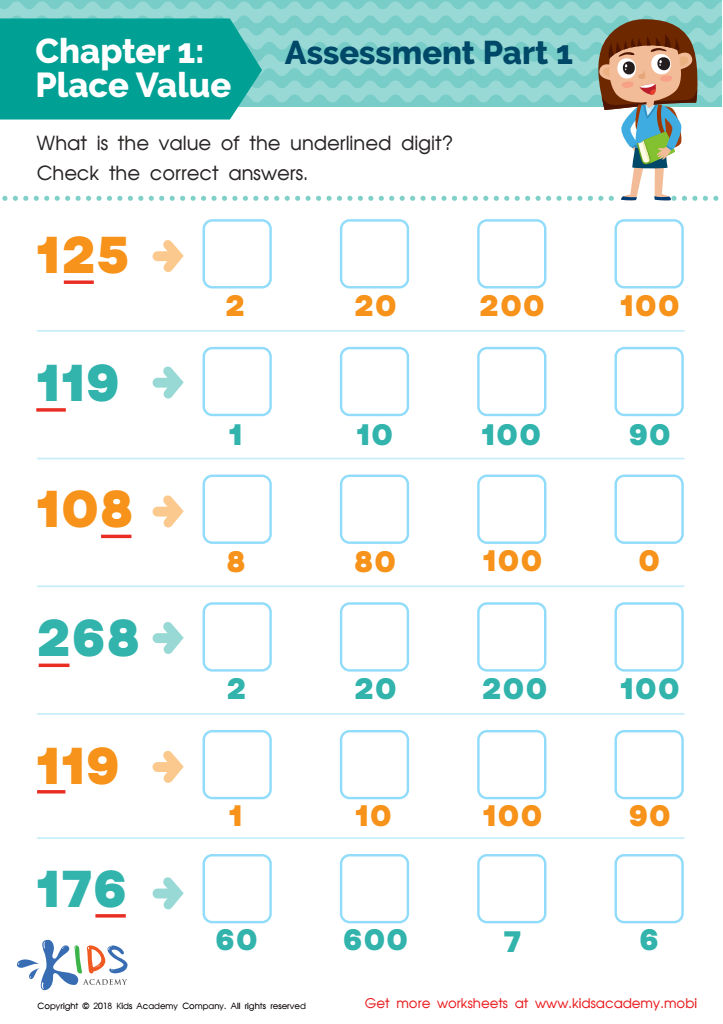
Place Value: Chapter 1 Worksheet
Check your kid's place value understanding with this assessment worksheet. It features 6 questions with one digit underlined for your child to determine the correct value of. Get the download and see if they can correctly choose the answer from the options given. It's a great way to test progress and keep their minds sharp!
Place Value: Chapter 1 Worksheet
Worksheet
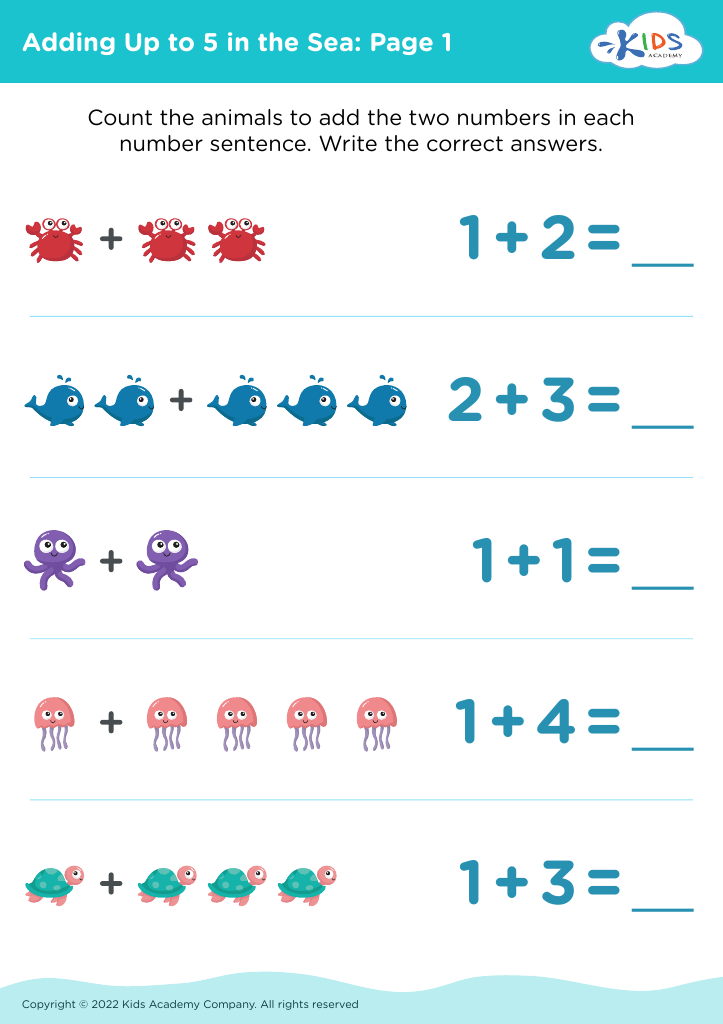
Adding Up to 5 in the Sea: Page 1

Adding Up to 5 in the Sea: Page 1

Adding Up to 5 in the Sea: Page 1
Worksheet
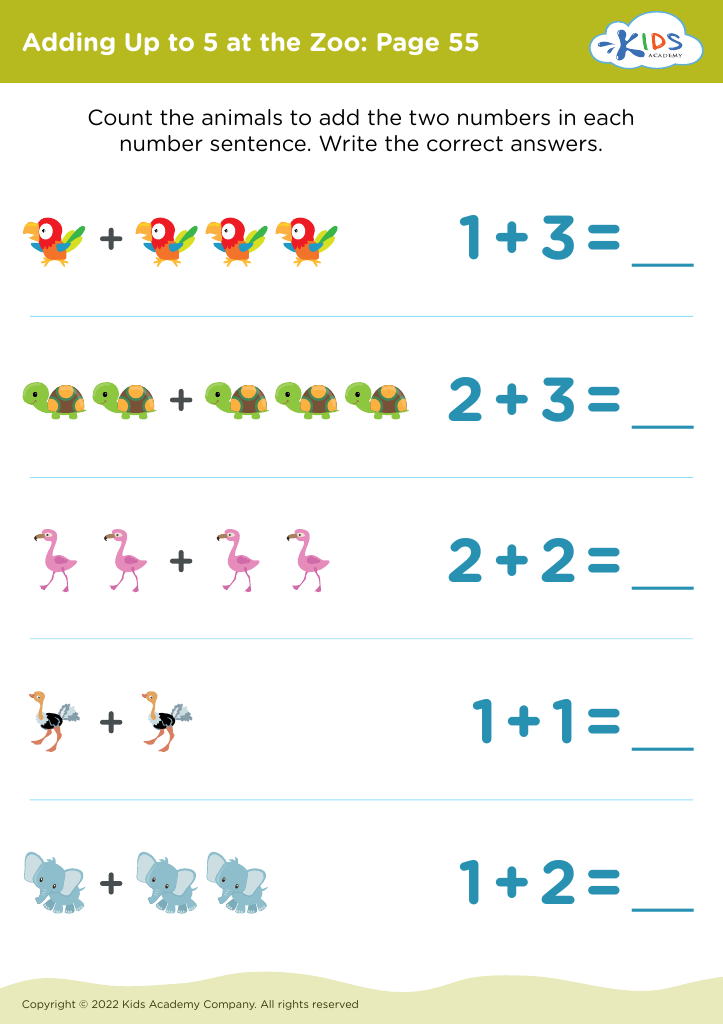
Adding Up to 5 at the Zoo: Page 55
Worksheet
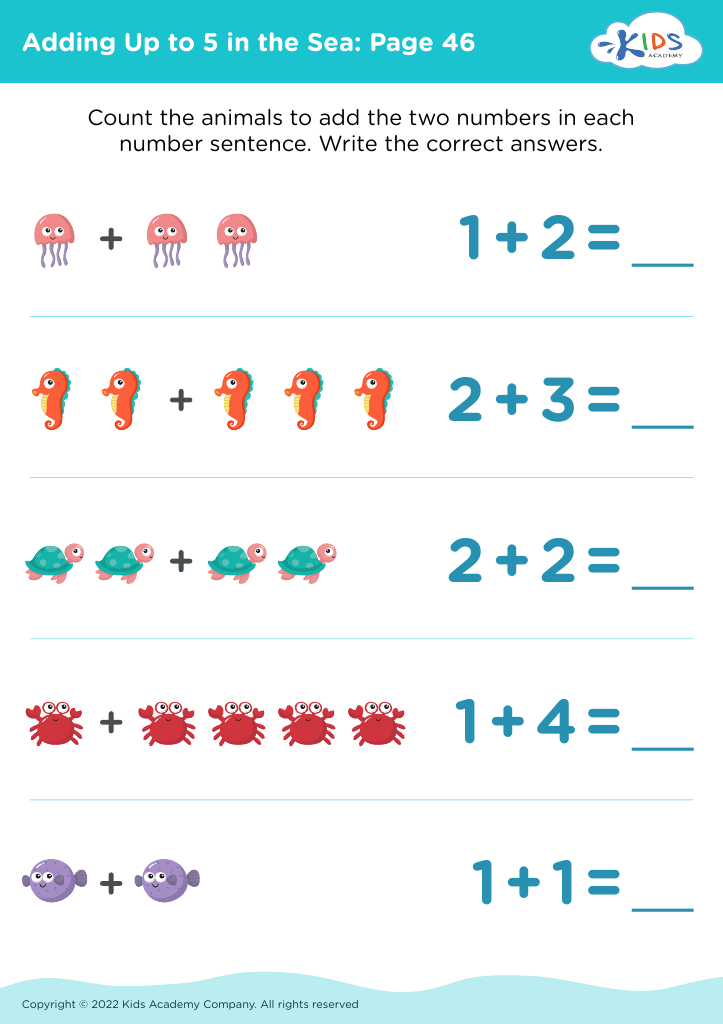
Adding Up to 5 in the Sea: Page 46
Worksheet
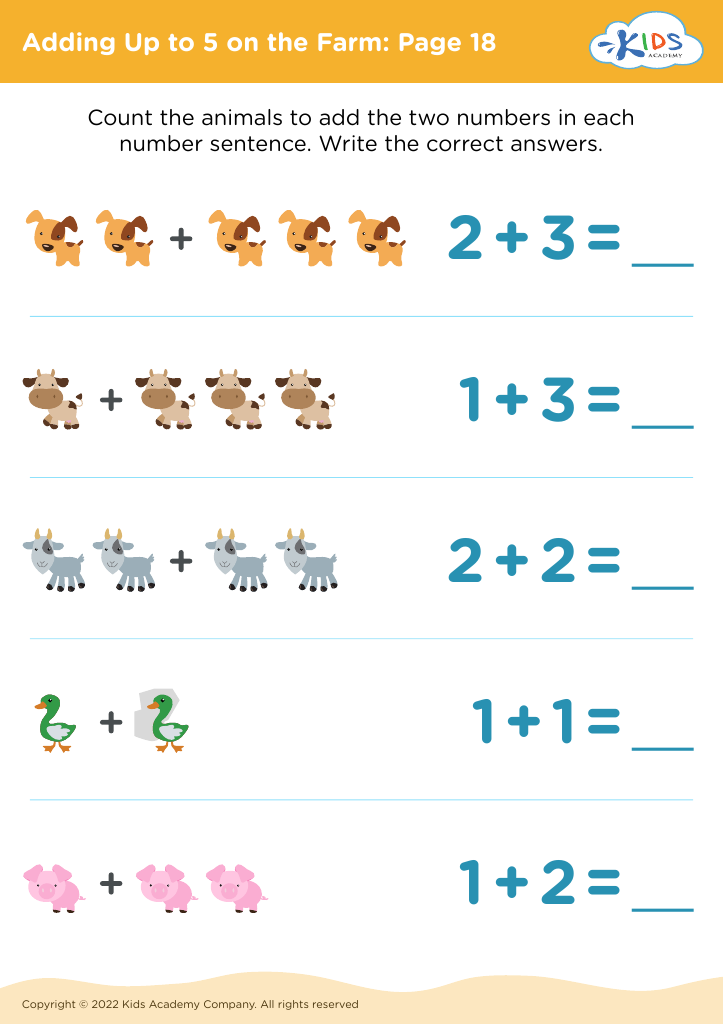
Adding Up to 5 on the Farm: Page 18
Worksheet
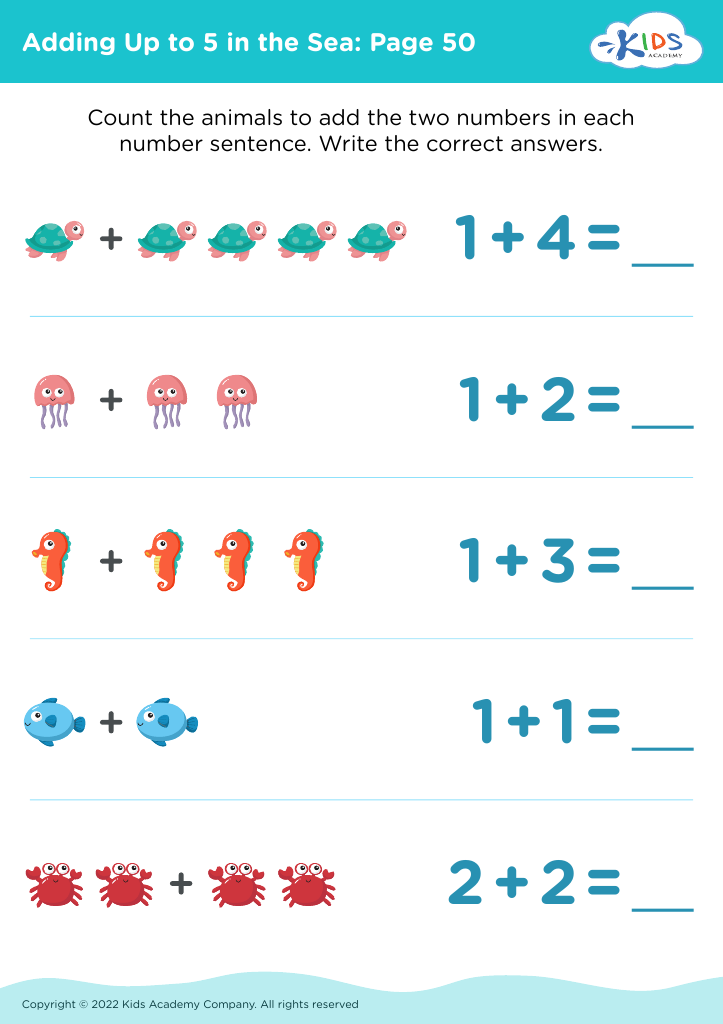
Adding Up to 5 in the Sea: Page 50
Worksheet
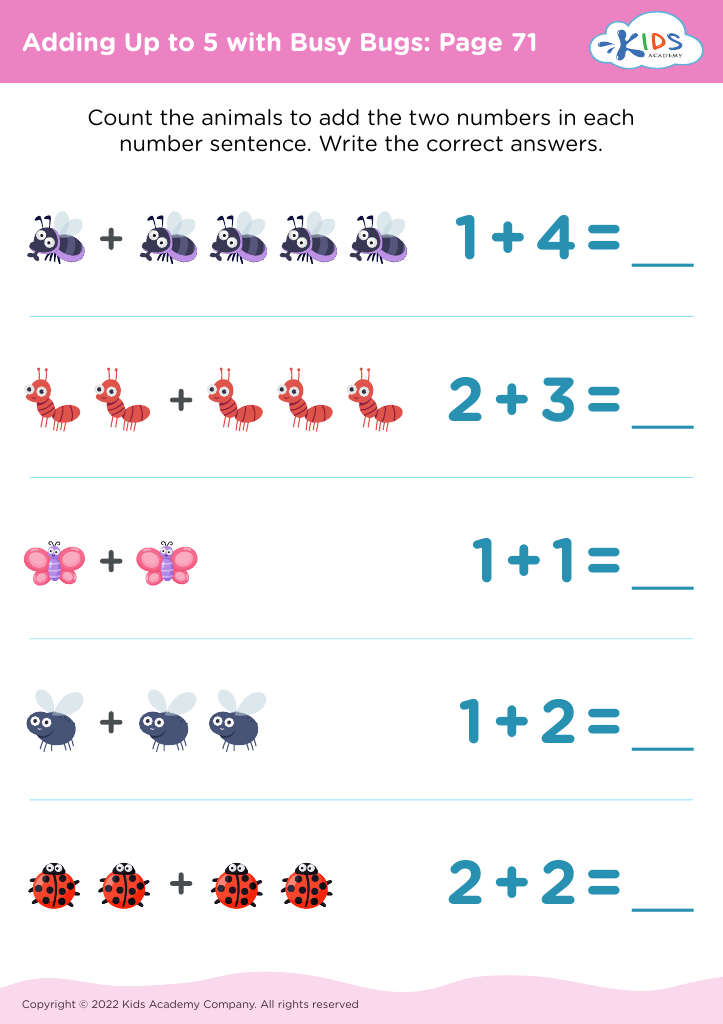
Adding Up to 5 with Busy Bugs: Page 71
Worksheet
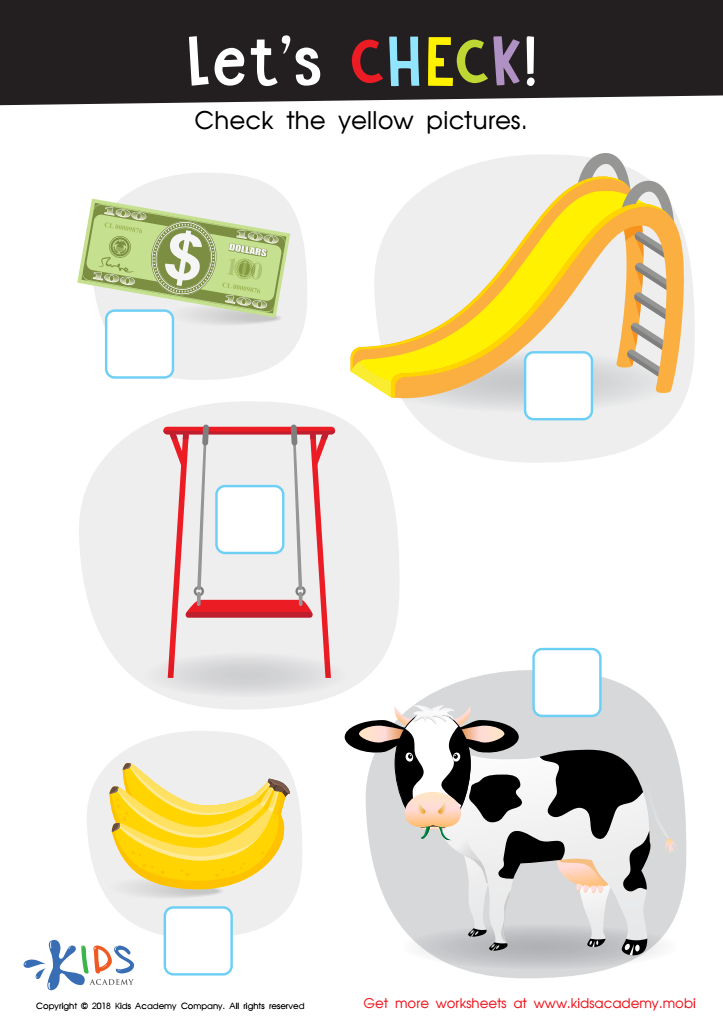
Let's Check! Worksheet
Let's Check! Worksheet

Before starting this coloring sheet, ask your kids to name some colors they know, or point to familiar items and ask them what color they are. Check if they can correctly identify the pictures of yellow objects. Then, you can begin the worksheet.
Let's Check! Worksheet

Worksheet
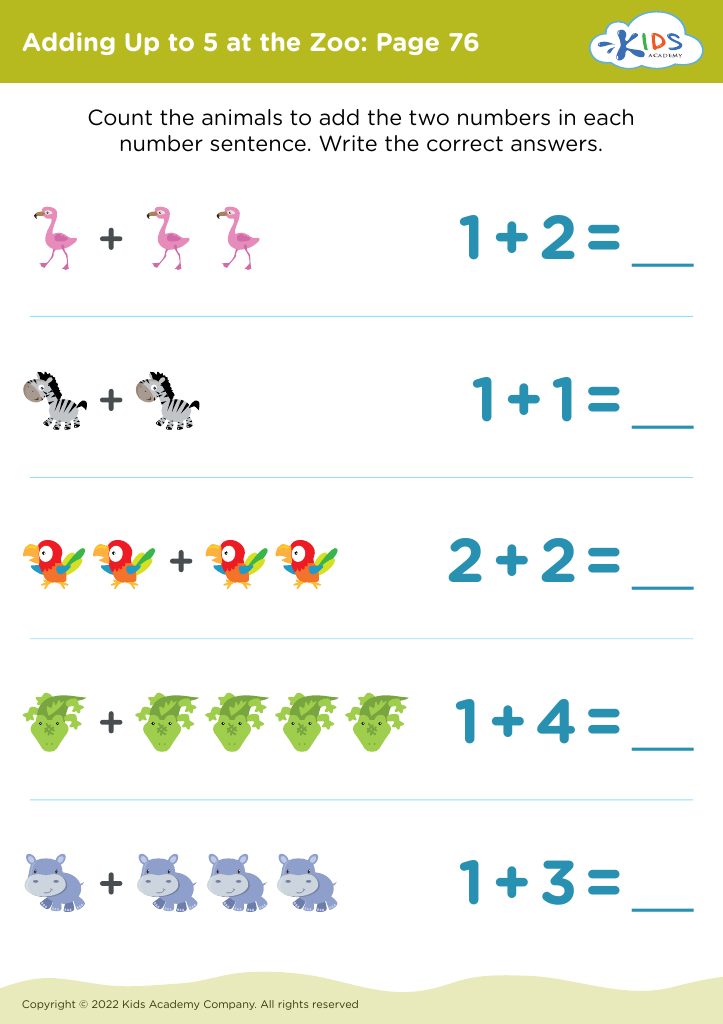
Adding Up to 5 at the Zoo: Page 76
Worksheet
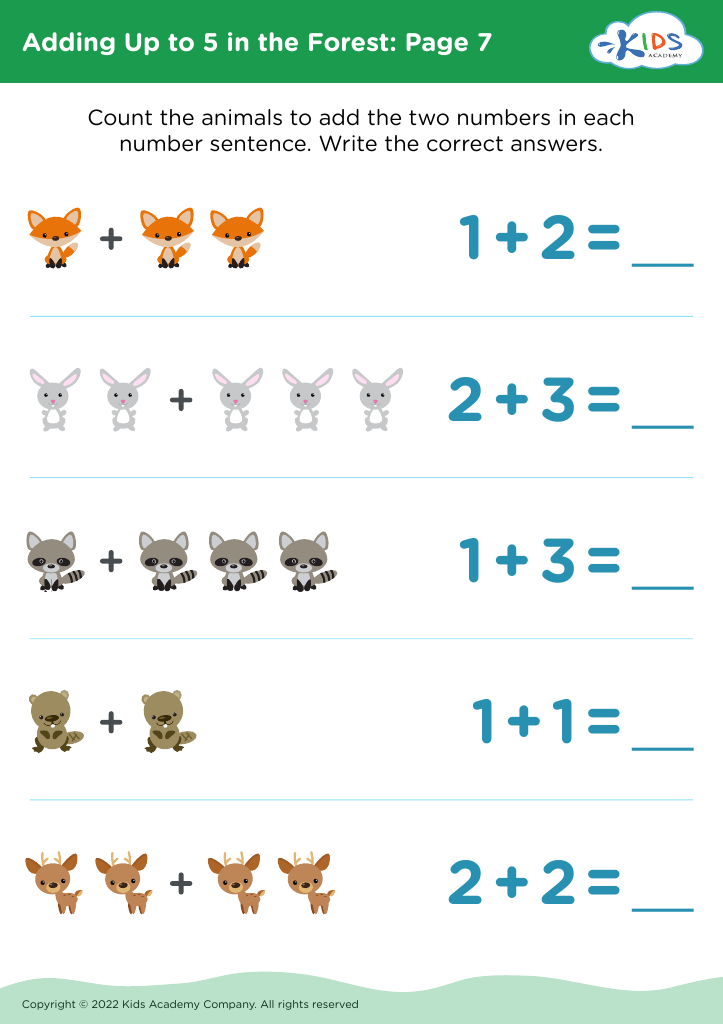
Adding Up to 5 in the Forest: Page 7
Worksheet


Understanding quantities is essential for children aged 4-7 as it lays the foundation for their mathematical development and everyday problem-solving skills. At this stage, children are naturally curious and eager to explore, and learning about quantities helps them make sense of the world around them. Recognizing and working with quantities enables children to understand basic concepts of addition and subtraction, compare amounts, and develop number sense, which is crucial for later mathematical success.

Parents and teachers should prioritize quantity understanding because it enhances cognitive development. Through engaging activities—such as counting objects, measuring ingredients for a recipe, or grouping toys—children learn to assess, categorize, and manipulate quantities, fostering critical thinking. Moreover, concepts tied to quantities are integral in real-life situations, from sharing snacks among friends to estimating how long tasks will take.

Additionally, early quantity comprehension promotes confidence in math, combating anxiety towards the subject as children progress. It supports socio-emotional development by enhancing collaboration—sharing and negotiating quantities encourages social skills. In a world increasingly shaped by data and technology, equipping young learners with strong quantitative skills ensures they are prepared for future academic and life challenges. Thus, fostering an understanding of quantities is pivotal in shaping well-rounded, confident learners.