Understanding timelines Worksheets for Ages 4-7
3 filtered results
-
From - To
Welcome to our "Understanding Timelines Worksheets" for kids aged 4-7! These engaging worksheets are designed to help young learners grasp the concept of timelines in an interactive and fun way. Through colorful visuals and age-appropriate activities, children will explore sequencing events, organizing information chronologically, and developing critical thinking skills. Our worksheets cater to various learning styles, making it easier for kids to understand the order of events in their daily lives. Perfect for classrooms or home study, these resources foster foundational knowledge essential for future learning. Start your child’s journey with timelines today and watch their imaginations soar!
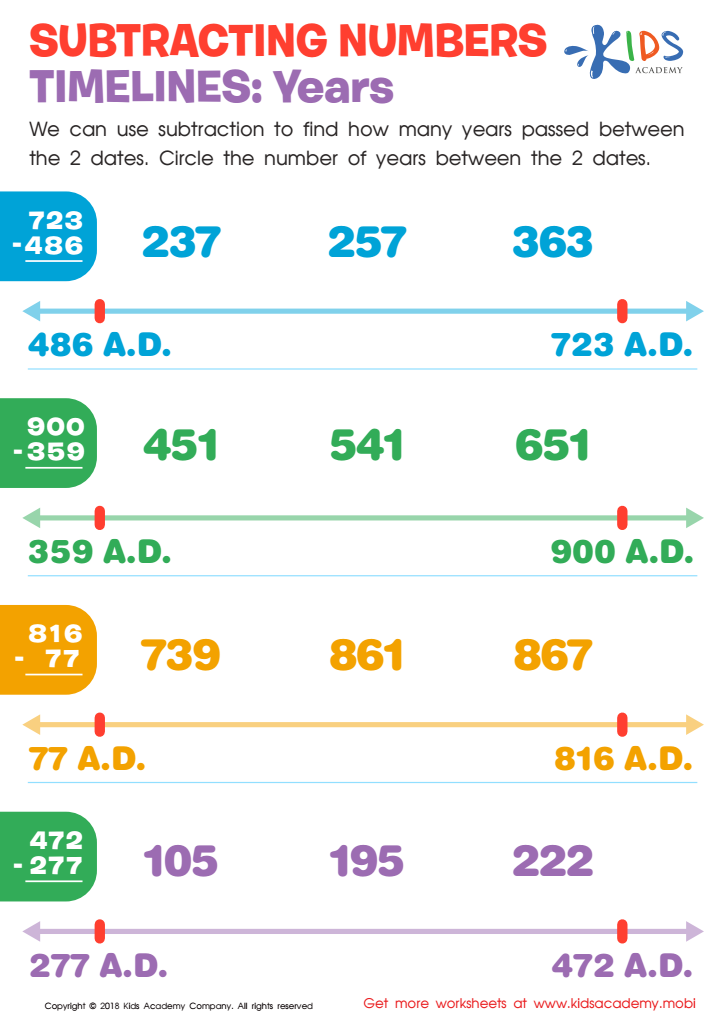
Subtracting Numbers Timelines: Years Worksheet
 Assign to My Students
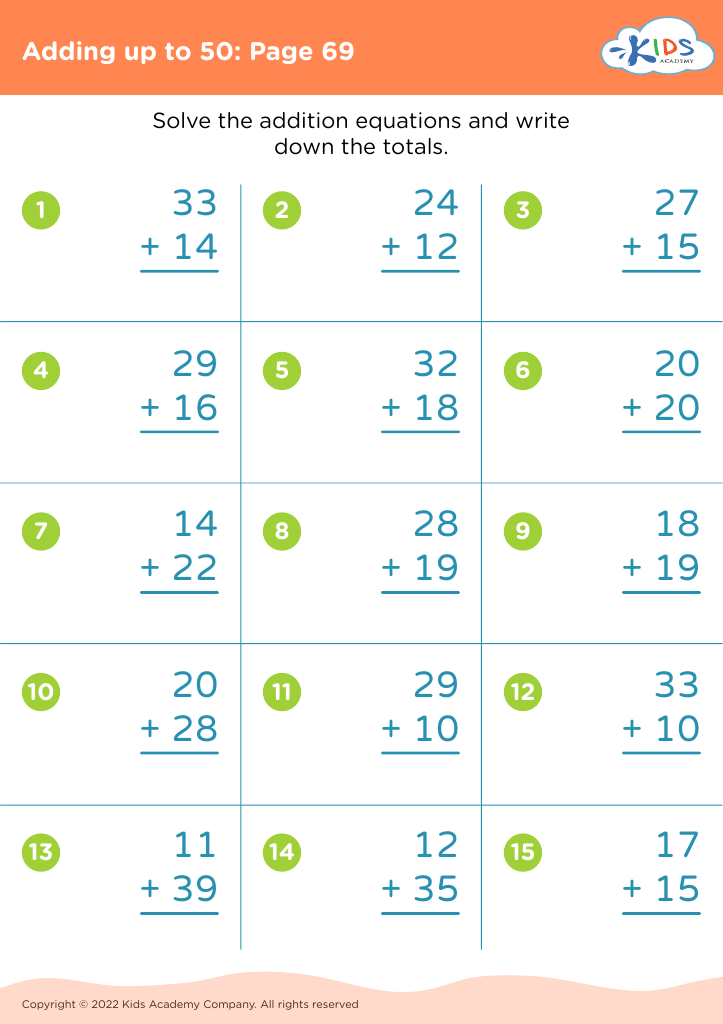
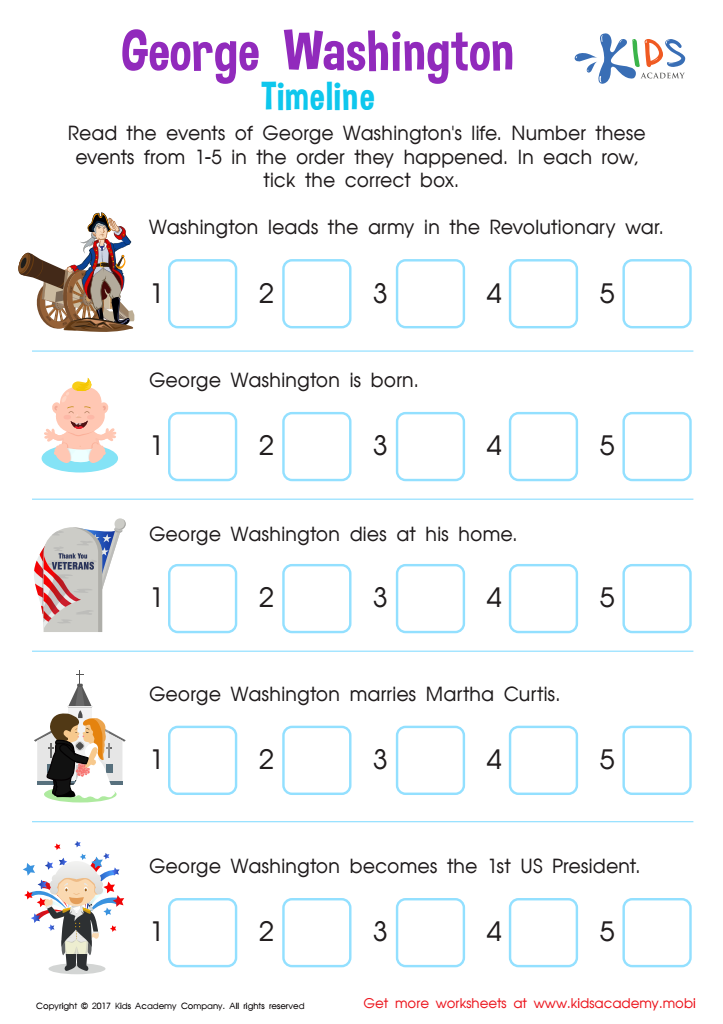
George Washington Timeline Worksheet


.jpg)




.jpg)
Understanding timelines is crucial for children aged 4-7 as it forms the foundation for their grasp of time concepts, essential for academic and social development. During this period, children are naturally curious about the world around them and begin to develop a sense of sequence and chronology. By introducing timelines, parents and teachers can help children visualize events in a structured manner, which aids memory retention and enhances comprehension skills.
Timelines encourage the development of critical thinking as children learn to connect cause and effect, recognize patterns, and comprehend the order of events in their lives—from daily routines to historical timelines in classes. This understanding is vital for their academic journey, particularly in subjects like history, storytelling, and even mathematics, where the order of operations is key.
Moreover, grasping timelines fosters greater independence and responsibility. By knowing when tasks are scheduled—like activities or transitions—children learn to manage their time better. It also nurtures patience and goal-setting skills, as children learn to anticipate future events and understand the waiting involved. Ultimately, an understanding of timelines cultivates both cognitive growth and emotional intelligence, equipping young learners with vital life skills they will carry into adulthood.








