
Understanding weather conditions Worksheets for Ages 4-7
3 filtered results
Difficulty Level
Grade
Age
-
From - To
Subject
Activity
Standards
Explore our engaging "Understanding Weather Conditions Worksheets" designed specifically for children aged 4-7! These interactive resources provide young learners with the opportunity to discover various weather types, fostering their curiosity about the world around them. Featuring fun activities such as matching, drawing, and coloring, children will enhance their vocabulary while understanding concepts like rain, sunshine, and snow. Perfect for home or classroom use, these worksheets encourage parent-child collaboration, making learning about the weather an enjoyable experience. Equip your little ones with essential knowledge and spark their interest in understanding nature's elements through our thoughtfully crafted worksheets today!
Favorites
With answer key
Interactive
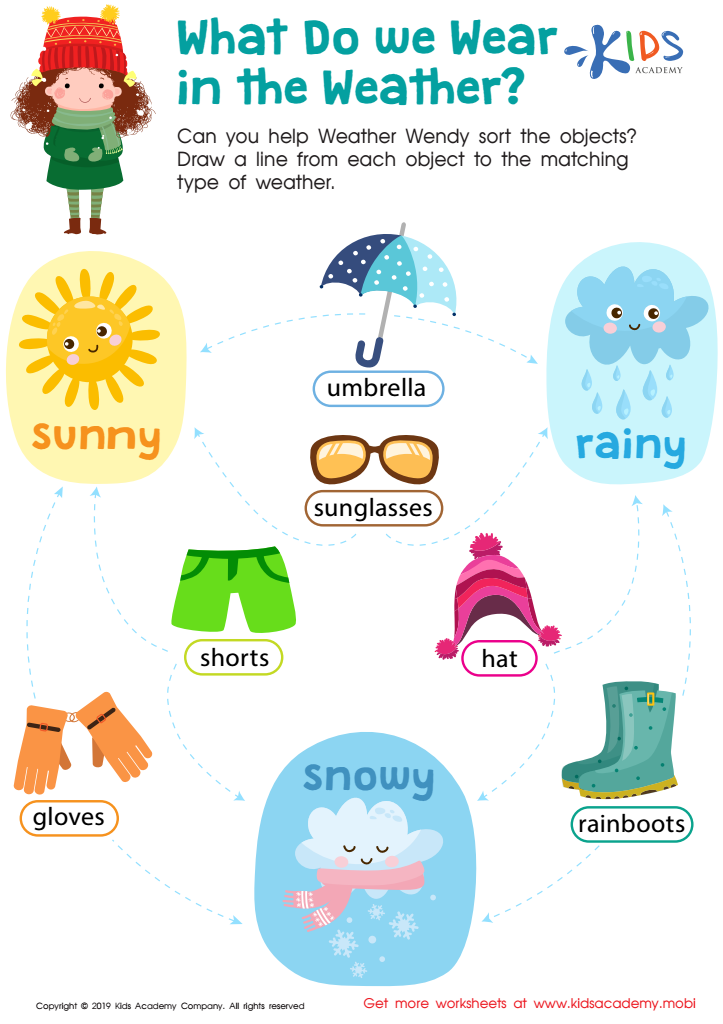
What Do We Wear in the Weather? Worksheet
This worksheet boosts young learners' everyday vocab with fun high-frequency weather words. They'll see and match familiar pictures to the words they read. Plus, it helps them develop fine motor skills. Perfect for preschoolers.
 Assign to My Students
What Do We Wear in the Weather? Worksheet
Worksheet
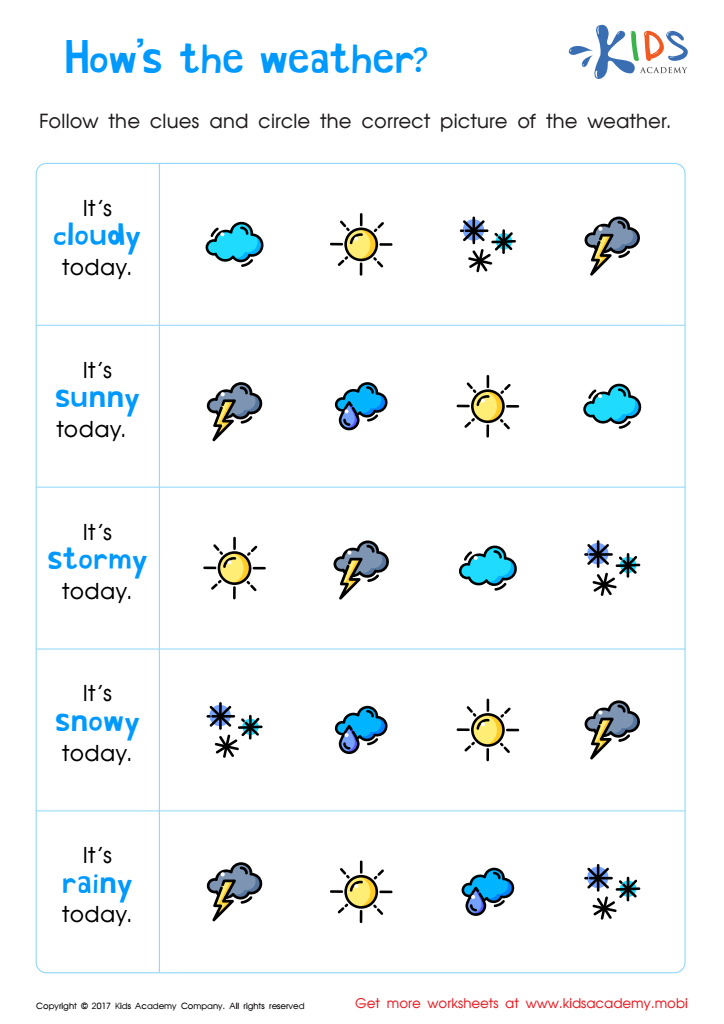
Hows the Weather Worksheet
Teaching kids about weather is a fun way to start science learning. This worksheet helps recognize symbols, literacy skills and make real world connections. Your child will love it!
Hows the Weather Worksheet
Worksheet
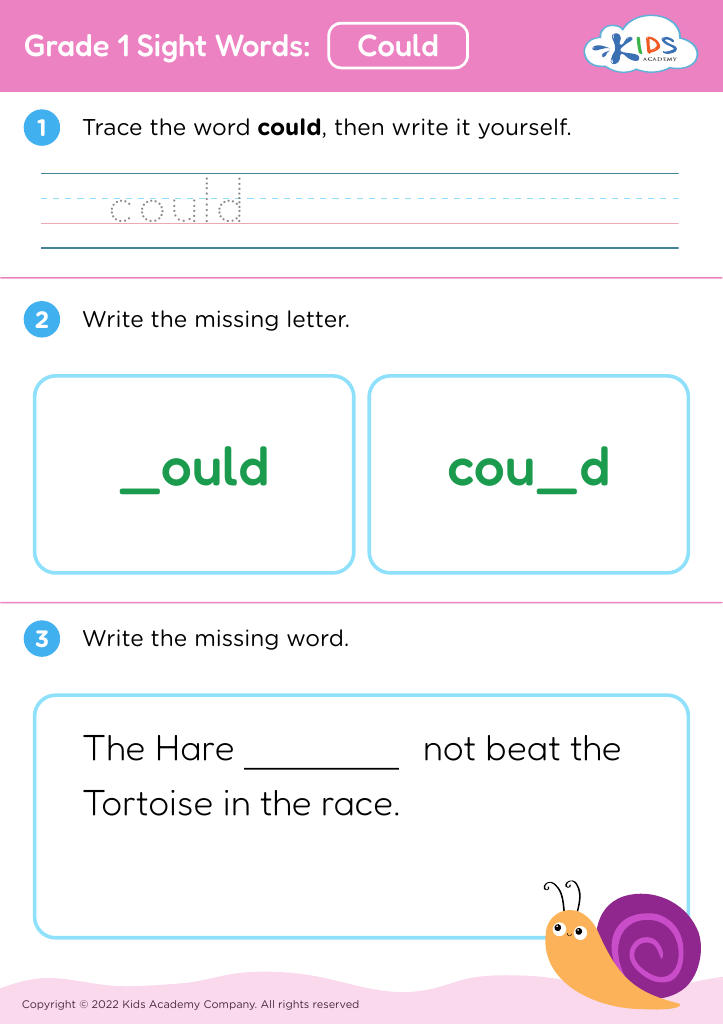
Join Kids Academy for Free
Who is primarily going to use this learning content?








Understanding weather conditions is vital for children aged 4-7, and both parents and teachers play an essential role in this learning. This topic is not only fascinating but also helps kids develop critical thinking skills as they observe and question their environment. Weather affects daily life, influencing play, clothing choices, and outdoor activities, making it a relevant subject for young learners.
By teaching children about different weather conditions, parents and teachers help them recognize patterns and changes in nature, fostering a sense of curiosity and observation. This knowledge promotes safety; for instance, understanding storms can prepare children for severe weather and instill habits like staying indoors during thunderstorms. Furthermore, it opens avenues for interdisciplinary learning—connecting science with art through weather-related crafts or math by tracking temperature changes.
Moreover, weather education enhances language skills, as children describe conditions and learn new vocabulary. Sharing experiences around weather also builds family bonds and classroom camaraderie, encouraging teamwork and communication. Ultimately, grasping weather concepts empowers children, giving them tools to navigate the world around them while anchoring crucial life skills they will use for years to come. Engaging kids in weather discussions ensures that they grow into informed, responsible individuals.








