Enhance your child’s learning journey with our Visual Learning Reinforcement Worksheets designed for ages 4-7. Crafted to strengthen essential skills through colorful and engaging activities, these worksheets support visual learners in subjects like math, reading, and science. Captivating illustrations and fun exercises make education an enjoyable experience, reinforcing key concepts and boosting confidence. Ideal for both classroom settings and at-home practice, our resources help young minds retain information effectively while sparking a love for learning. Start cultivating your child’s academic success today with our expertly designed visual learning tools. Download now for creative, educational enrichment!
Check out this FREE "Visual learning reinforcement" Trial Lesson for age 4-7!

Solve Tricky Number Situations by Drawing (3 numbers) - Part 1

Favorites
With answer key
Interactive
  • 4-7
  • Visual learning reinforcement
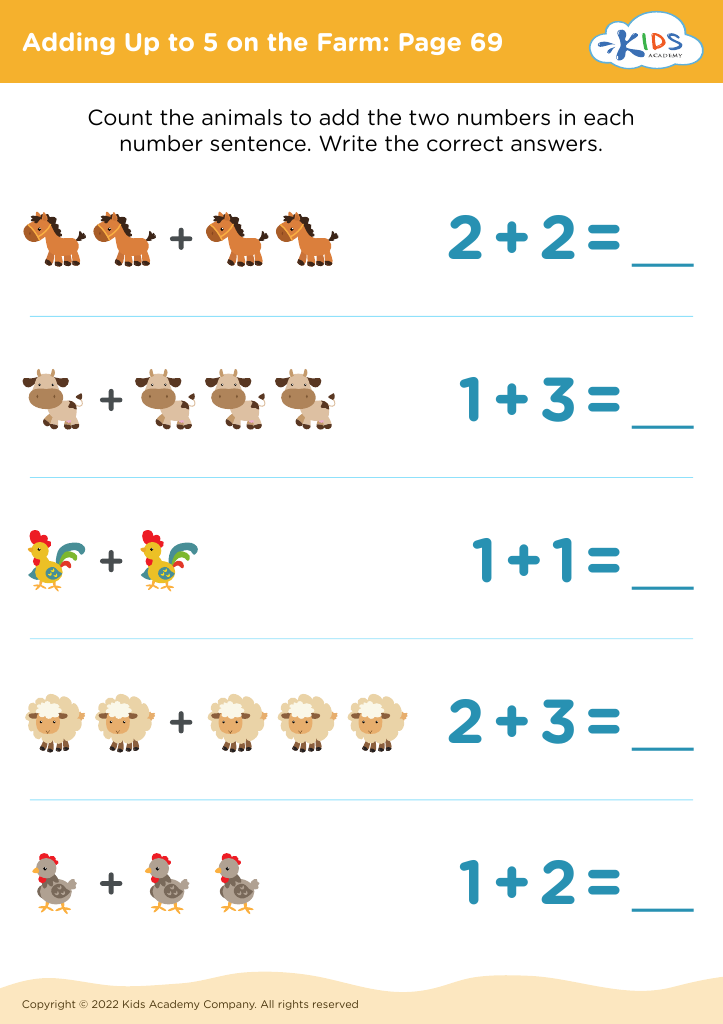
Adding Up to 5 on the Farm: Page 69
Worksheet
Pizza Party Equal Parts Worksheet

Pizza Party Equal Parts Worksheet

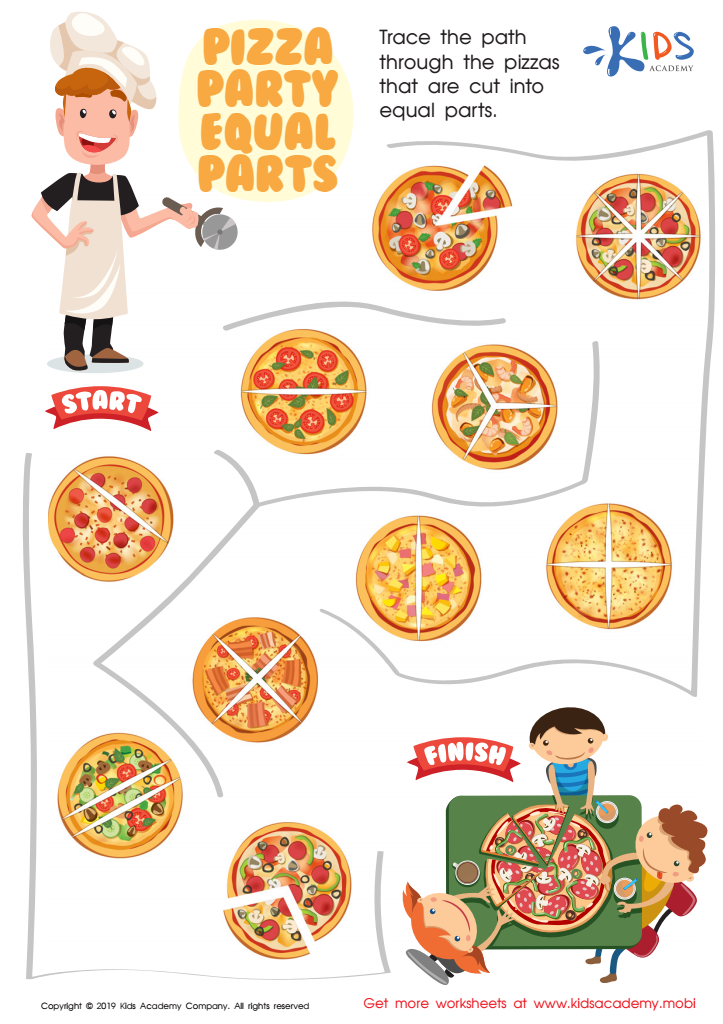
Love pizza? This printout is a great way to help kids learn about equal parts! Kids must identify pizzas cut into equal parts, then trace the path through the pizzas. It's an exciting maze - and a great way to help kids learn! Get the traceable pdf today and let the fun begin!
Pizza Party Equal Parts Worksheet
Worksheet
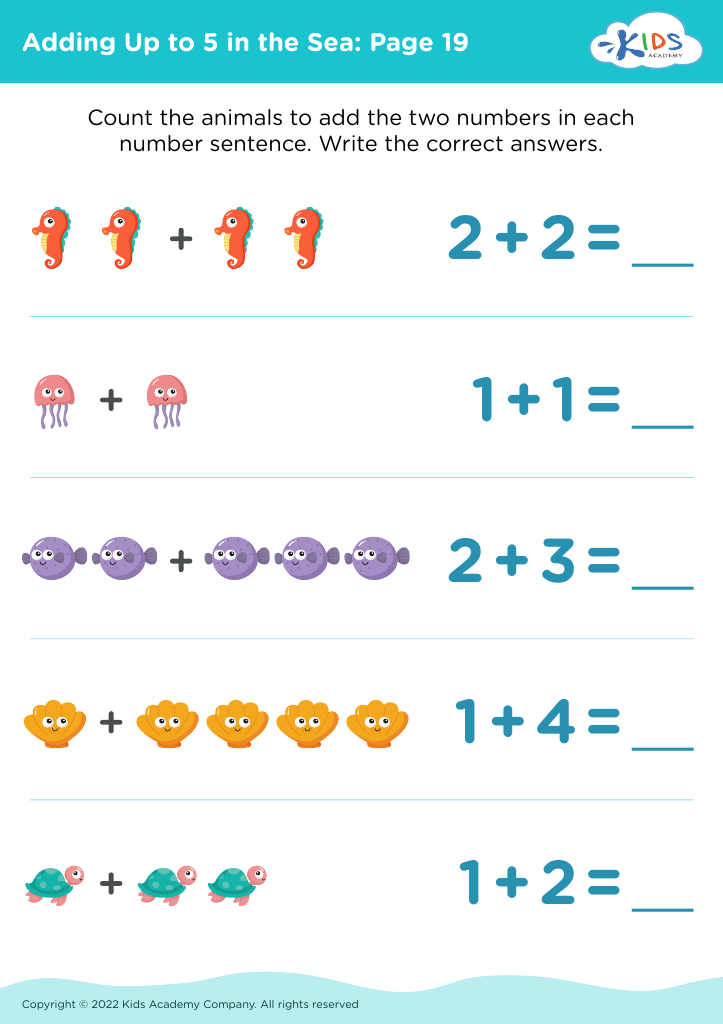
Adding Up to 5 in the Sea: Page 19
Worksheet
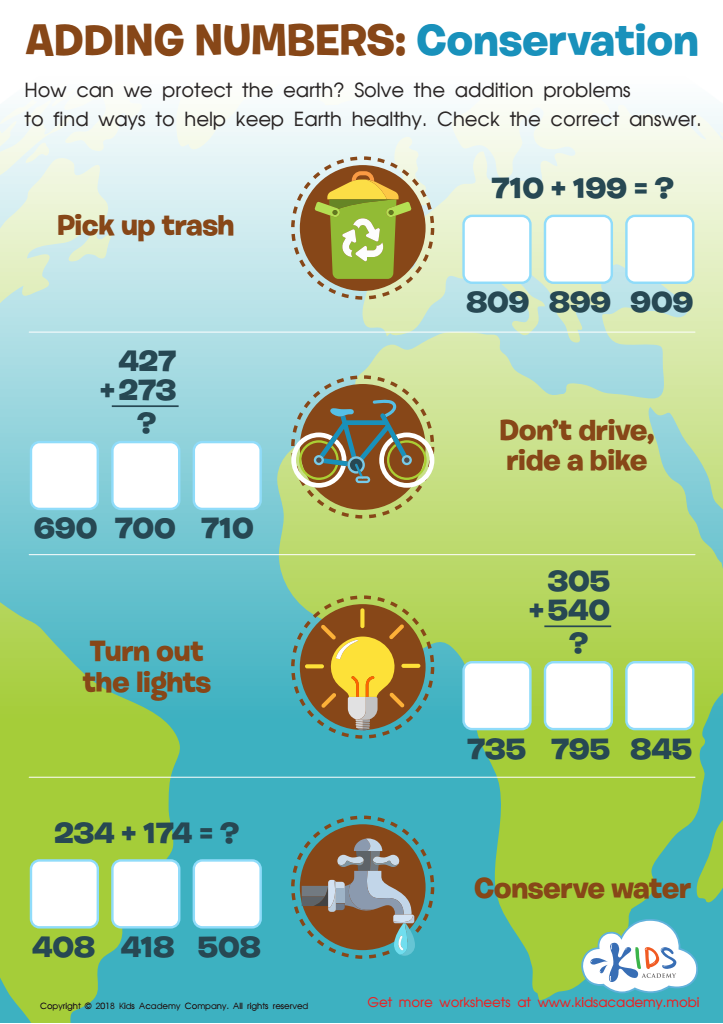
Adding Numbers: Conservation Worksheet

Adding Numbers: Conservation Worksheet

We all live on the Earth, which provides us with the vital necessities for survival. Unfortunately, we too often take advantage of this, causing pollution, water wastage and global warming. Help teach your kids how we can protect our planet - ask them to come up with good ideas and work together to find solutions. Challenge them to solve the subtraction problems to see what they can do to help keep the Earth healthy.
Adding Numbers: Conservation Worksheet
Worksheet
Counting with Drawings: Fruits & Chocolates Worksheet
Counting with Drawings: Fruits & Chocolates Worksheet

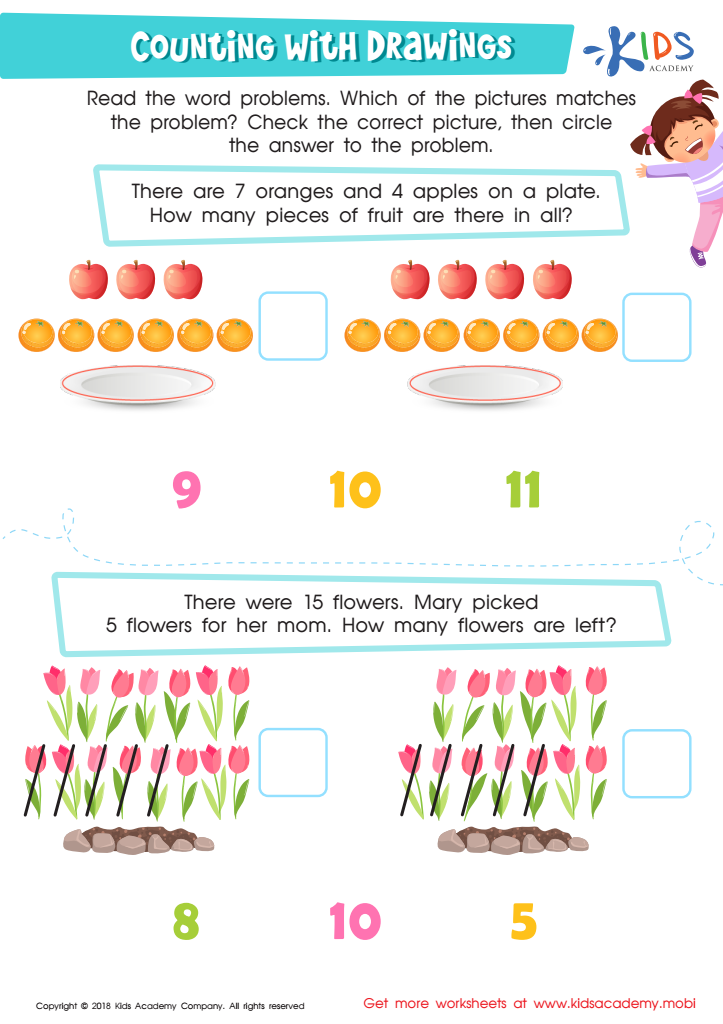
Learning basic addition and subtraction has never been easier with this free worksheet! Young mathematicians can sort & count to get the right sum or difference for each problem. Plus, they'll practice fine motor skills by circling the correct answer. An ideal way to help kids build important visual recognition and discernment skills.
Counting with Drawings: Fruits & Chocolates Worksheet
Worksheet
Adding Up to 5 in the Sea: Page 77
Worksheet
Bike Wheel Equal Parts Worksheet
Bike Wheel Equal Parts Worksheet
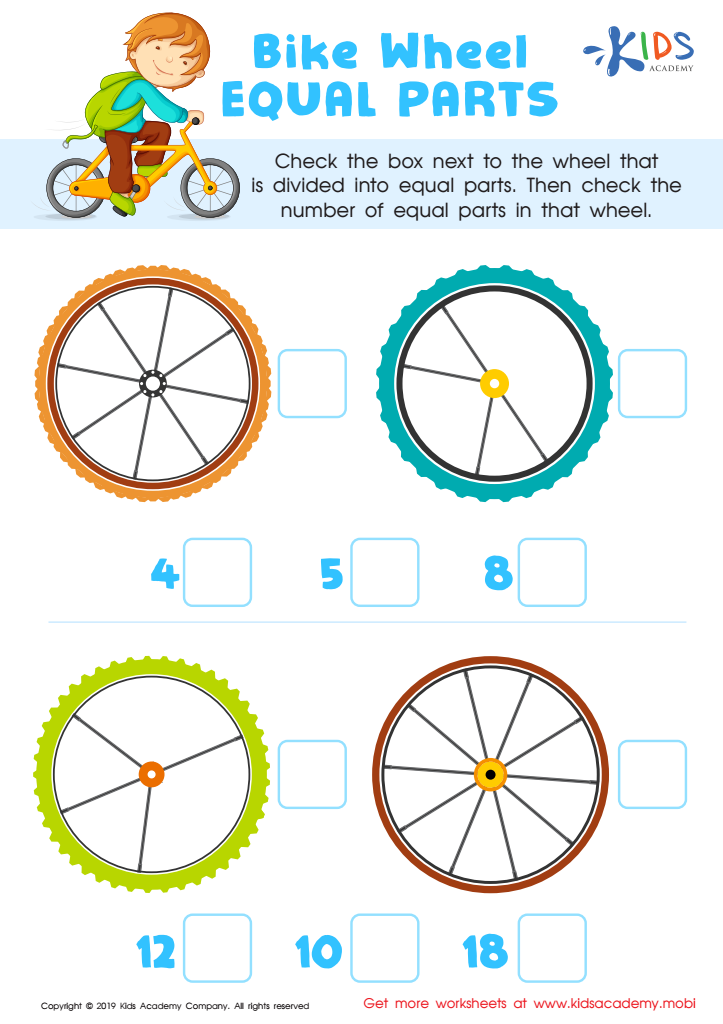
Help your kids have fun while they learn! Ask them to identify the object in the picture with four wheels. Guide them to count the spokes, then check the box on the wheel with equal parts. Lastly, check how many equal parts the wheel is divided into.
Bike Wheel Equal Parts Worksheet
Worksheet
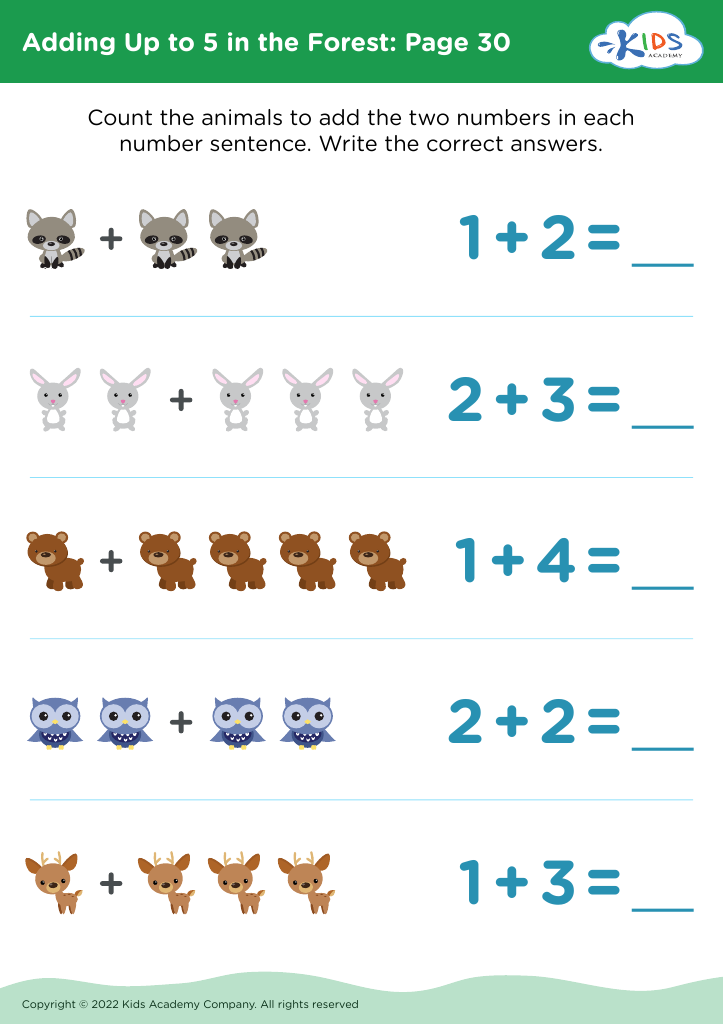
Adding Up to 5 in the Forest: Page 30
Worksheet
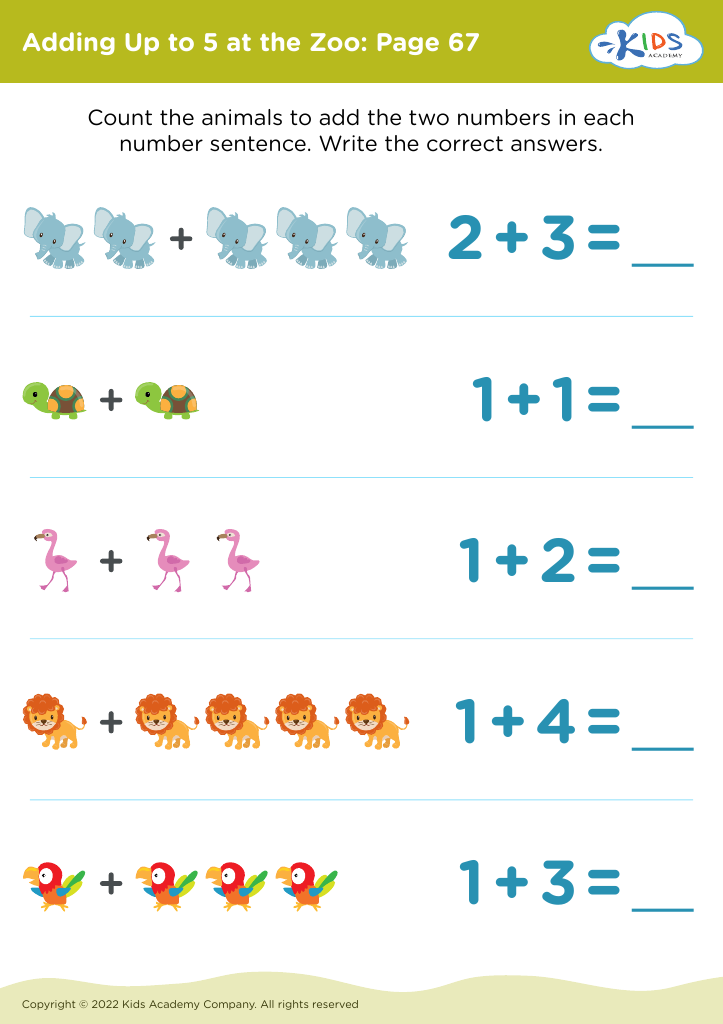
Adding Up to 5 at the Zoo: Page 67
Worksheet
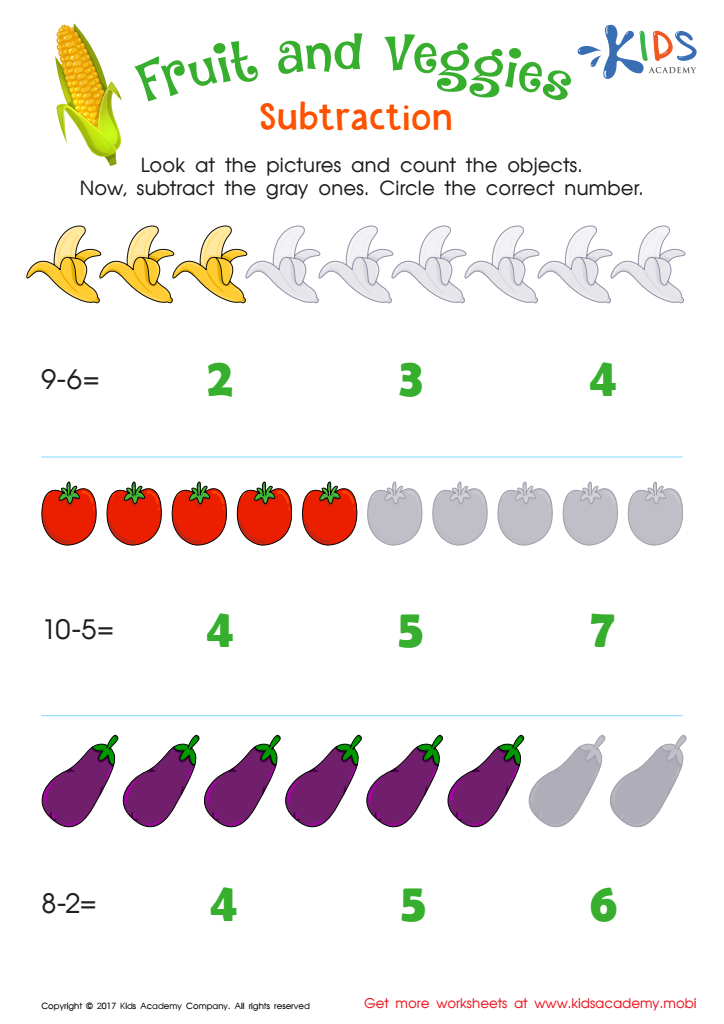
Subtraction printable worksheet: fruit and veggies

Fruit and Veggies Subtraction Worksheet

Kids learn subtraction with this fun worksheet: fruits and veggies! Kids use pictures to count or take away to get the right answer, aiding in understanding subtraction better.
Fruit and Veggies Subtraction Worksheet

Worksheet


Visual learning reinforcement is crucial for children ages 4-7 because it leverages their primary mode of learning: visual and tactile interaction. During these formative years, children's brains are wired to absorb information through pictures, colors, and shapes, making visual cues more effective than auditory explanations alone.

Parents and teachers should care about visual learning reinforcement because it helps in developing foundational skills in reading, writing, and arithmetic by transforming abstract concepts into tangible ones. This form of learning caters to different learning styles, including those who may struggle with traditional auditory methods.

Visual aids such as flashcards, charts, and storybooks also engage children more dynamically, holding their attention and making learning fun and stimulating. This engagement is critical in fostering a positive attitude towards learning and school. Reinforcement through visuals can also aid memory retention; children are more likely to remember a vividly illustrated book than a spoken lecture.

Furthermore, visual learning cements core concepts and can bolster critical thinking by encouraging children to make connections between images and ideas. In summary, visual reinforcement not only aligns with the natural learning preferences of young children but also sets a strong foundation for academic success and a lifelong love of learning.