Visual learning stimulation Worksheets for Ages 4-7
4 filtered results
-
From - To
Discover a world of color and creativity with our Visual Learning Stimulation Worksheets for Ages 4-7! Specially designed to engage young minds, these worksheets help children develop essential skills like shape recognition, pattern identification, and spatial awareness. By incorporating vibrant images and interactive activities, our resources make learning both effective and enjoyable. Perfect for early learners, these worksheets foster cognitive development and enhance visual-spatial intelligence, setting a strong foundation for academic success. Ideal for parents and teachers aiming to enrich their educational toolkit, our worksheets turn learning into a fun-filled adventure. Join us to stimulate your child's visual learning today!
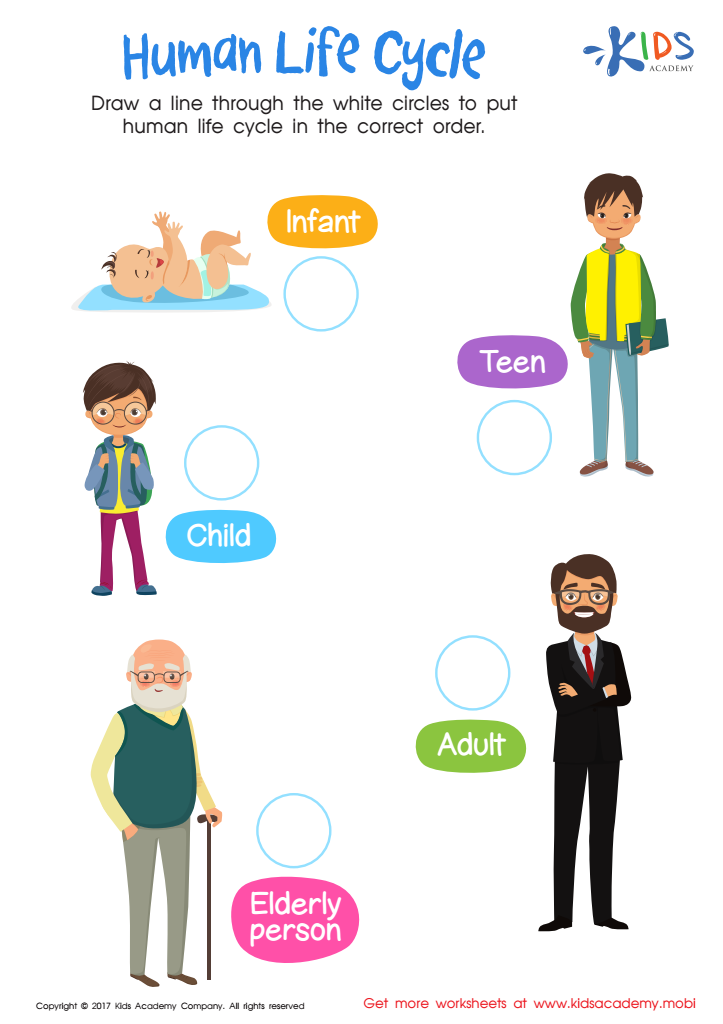
Human Life Cycle Worksheet
 Assign to My Students
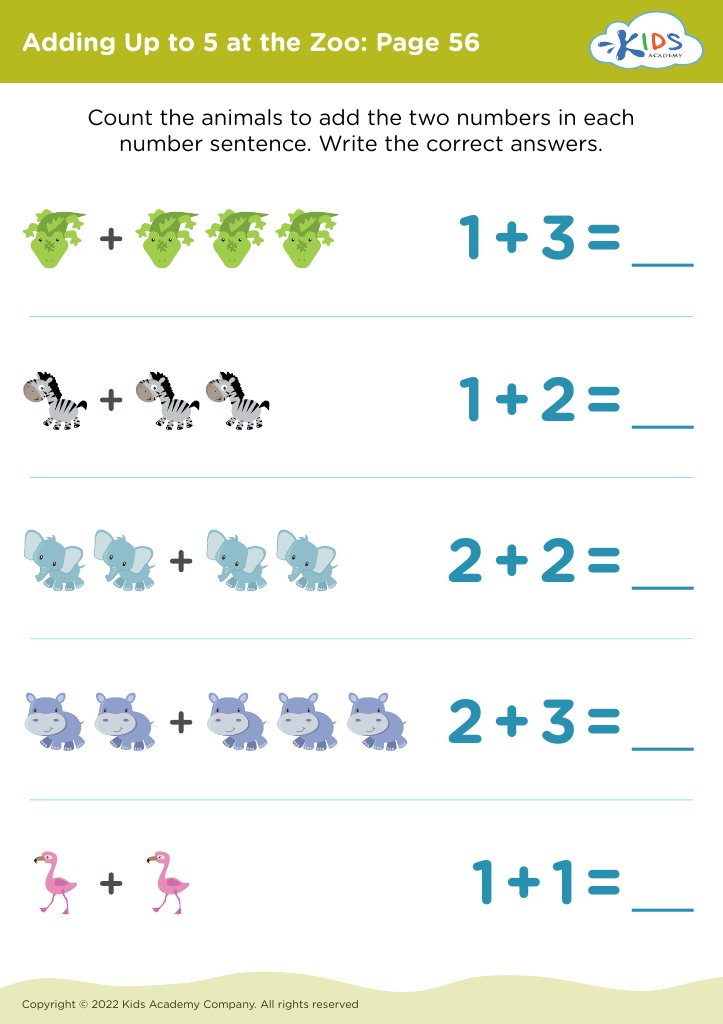
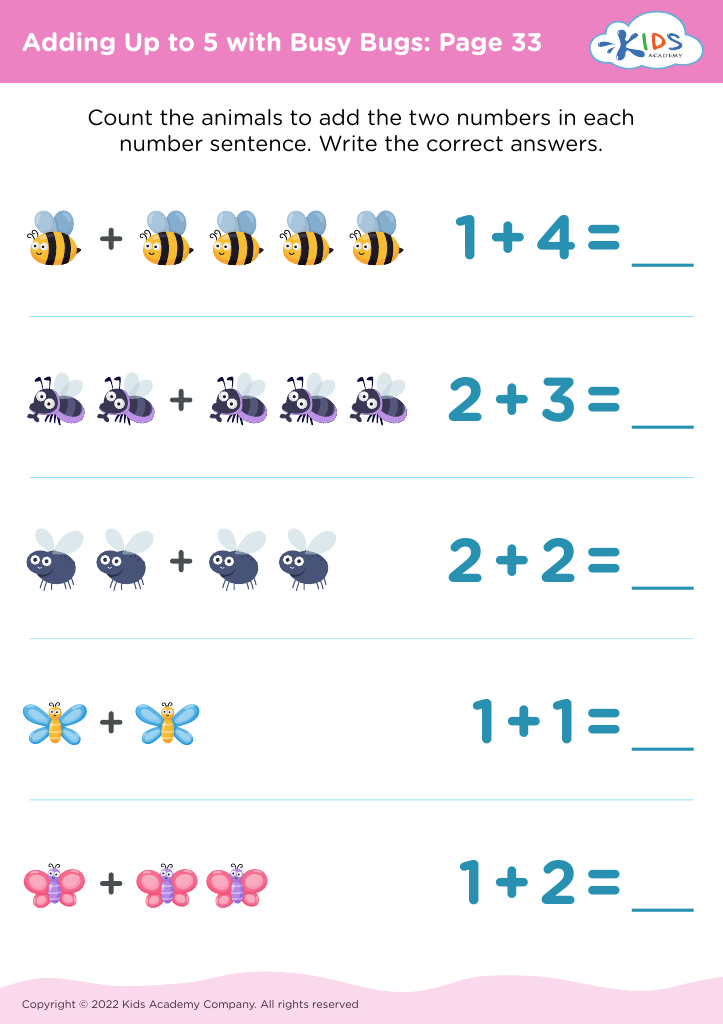
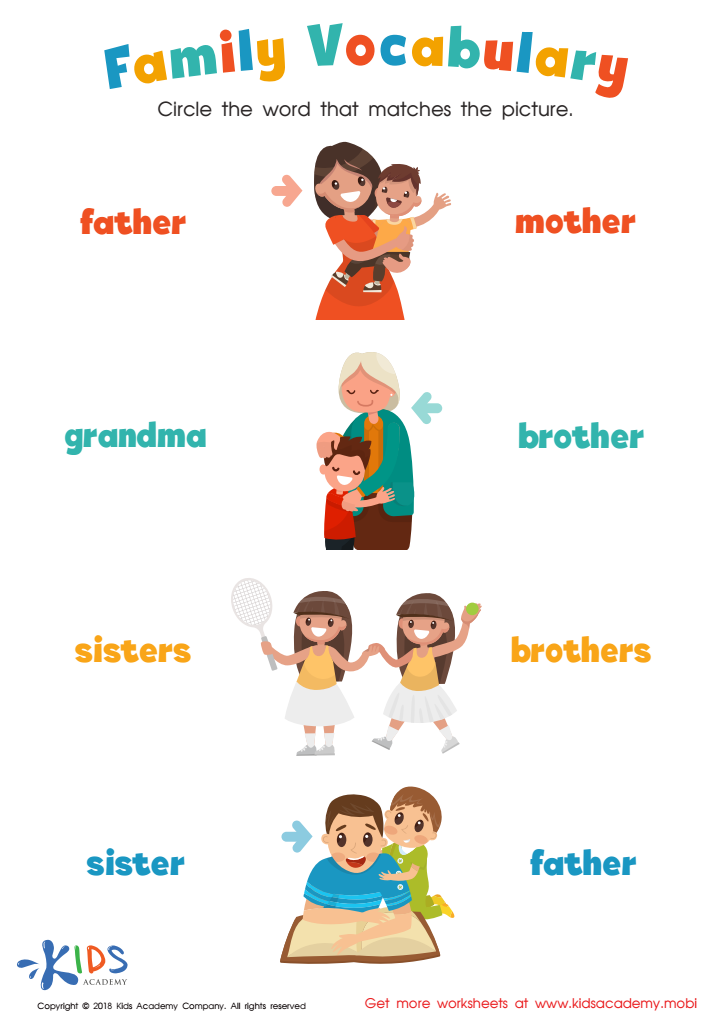
Family Vocabulary Worksheet







Visual learning stimulation is crucial for children between the ages of 4 and 7 because this developmental stage is pivotal for cognitive, social, and emotional growth. During these early years, the brain is incredibly adaptable and receptive to learning, making visual stimuli a powerful tool for skill development.
Children are naturally inclined to pay attention to bright colors, engaging visuals, and dynamic activities. Visual learning helps them understand complex concepts through images, shapes, and colors, which are more accessible and memorable than abstract forms of information. For example, visual aids like storybooks with illustrations, educational videos, and colorful charts can significantly enhance vocabulary, comprehension, and critical thinking skills.
Furthermore, visual stimulation supports the development of fine motor skills through activities like drawing, painting, or engaging with puzzles. These activities reinforce hand-eye coordination, spatial awareness, and dexterity, which are fundamental for writing and reading readiness.
Moreover, the nurturing of visual learning sets a foundation for lifelong academic success. Children who engage in visually-stimulating activities show improved focus, memory retention, and creativity. They also demonstrate greater enthusiasm for learning and are better equipped to solve problems effectively.
In summary, prioritizing visual learning stimulation between ages 4 and 7 not only enriches a child's early educational experience but also fosters essential developmental milestones that contribute to their overall growth and future learning success.








