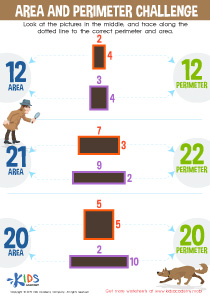
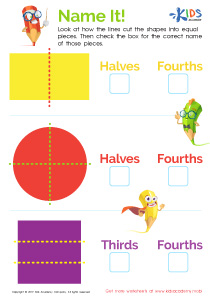
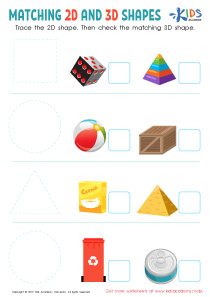
Basic geometry knowledge 2D Shapes Worksheets for Ages 4-7
3 filtered results
-
From - To
Introduce young learners to the wonderful world of geometry with our "Basic Geometry Knowledge 2D Shapes Worksheets for Ages 4-7." These engaging, colorful worksheets are designed to help children identify, understand, and draw basic 2D shapes such as circles, squares, triangles, and rectangles. Through hands-on activities, kids will develop essential math skills, critical thinking, and spatial awareness. Perfect for both classroom and home use, each worksheet offers fun and interactive ways to explore shapes and their properties. Equip your little mathematicians with the foundational geometry skills they need for academic success. Download now and start learning today!
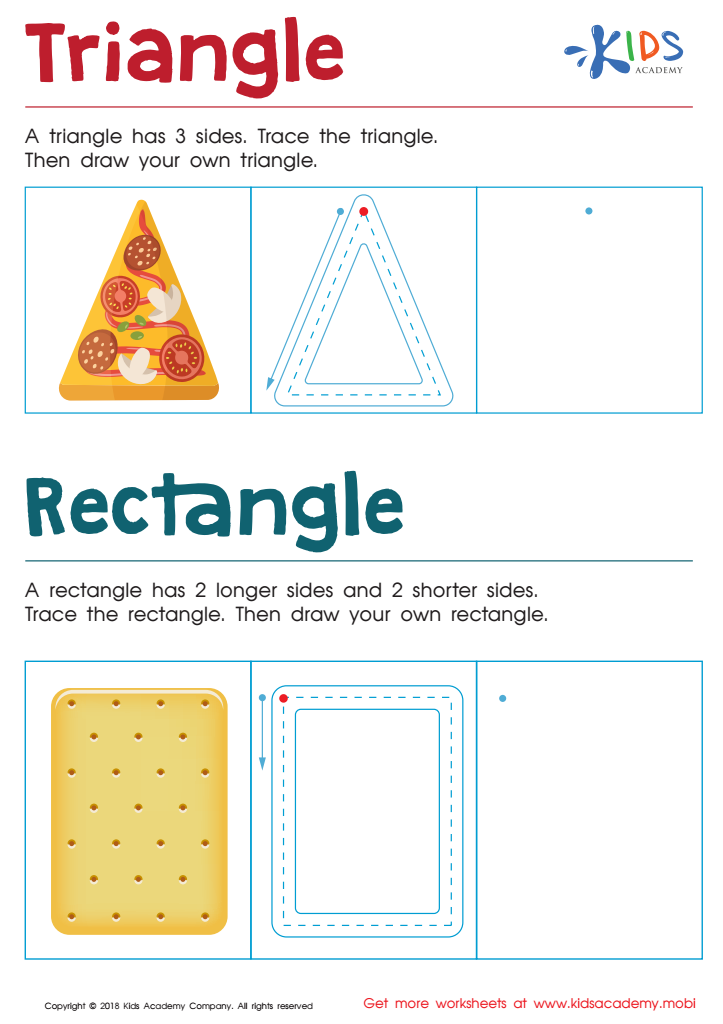
Triangle Rectangle Worksheet
 Assign to My Students

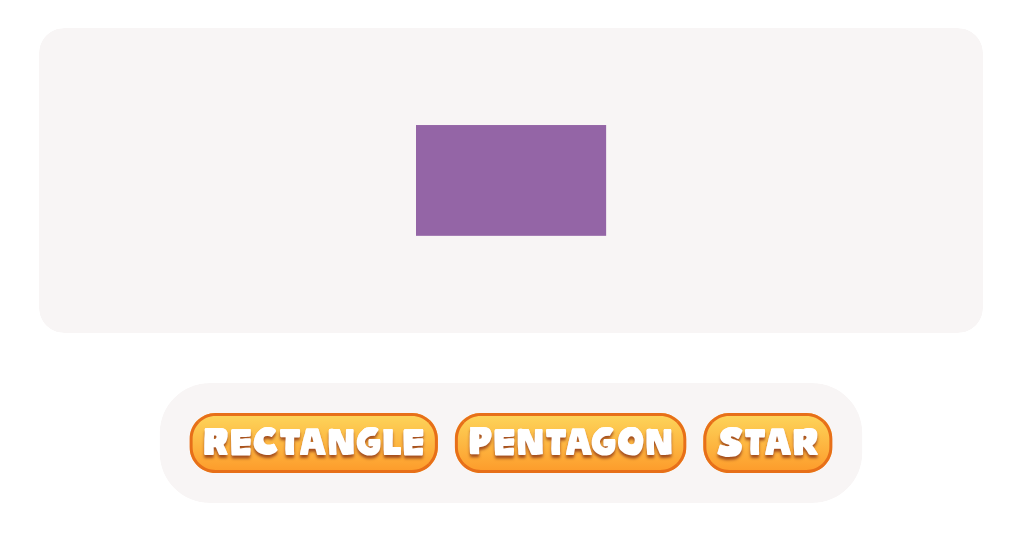
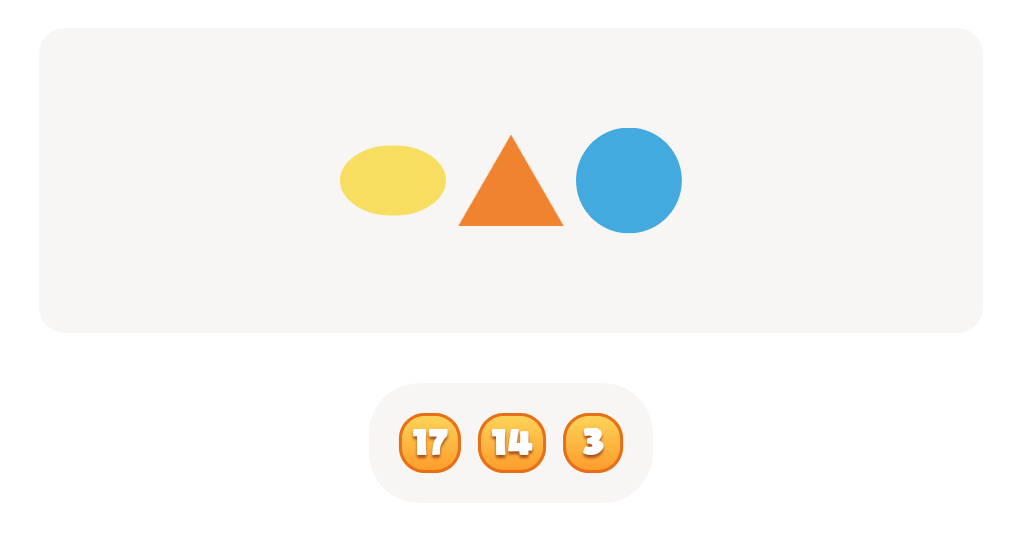
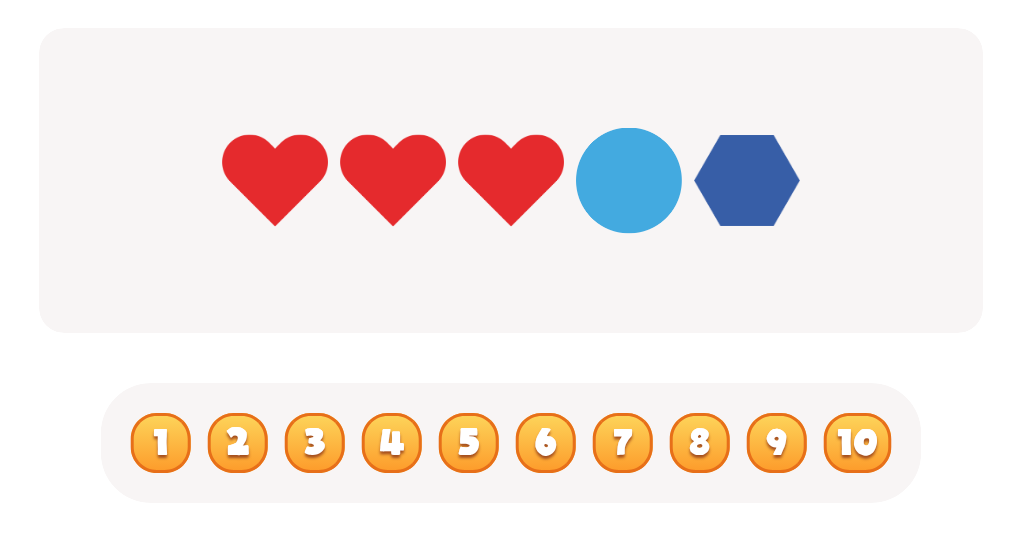
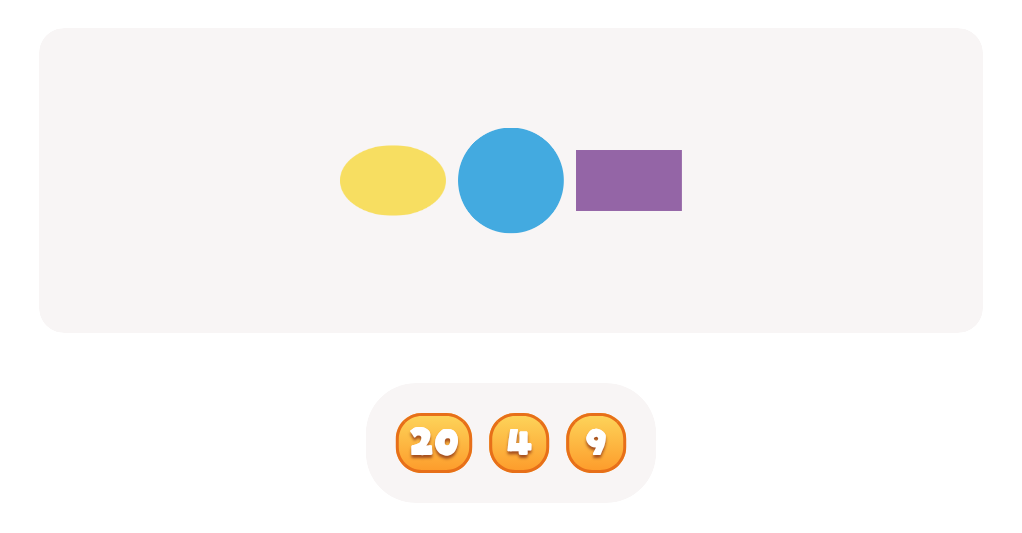
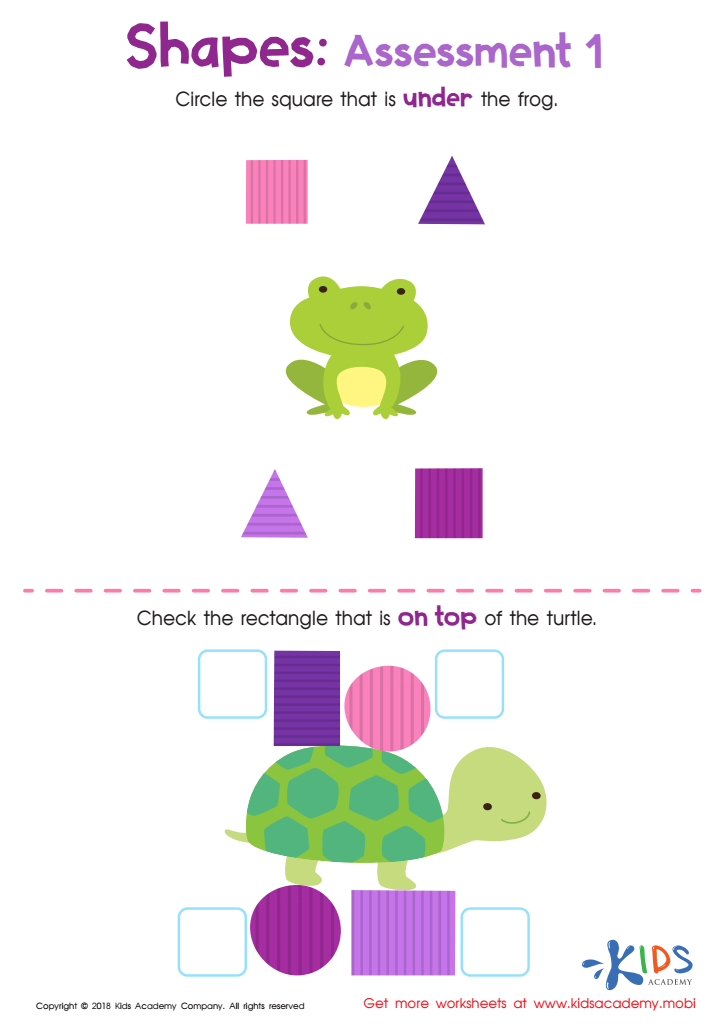
Geometry – Assessment 1 Worksheet
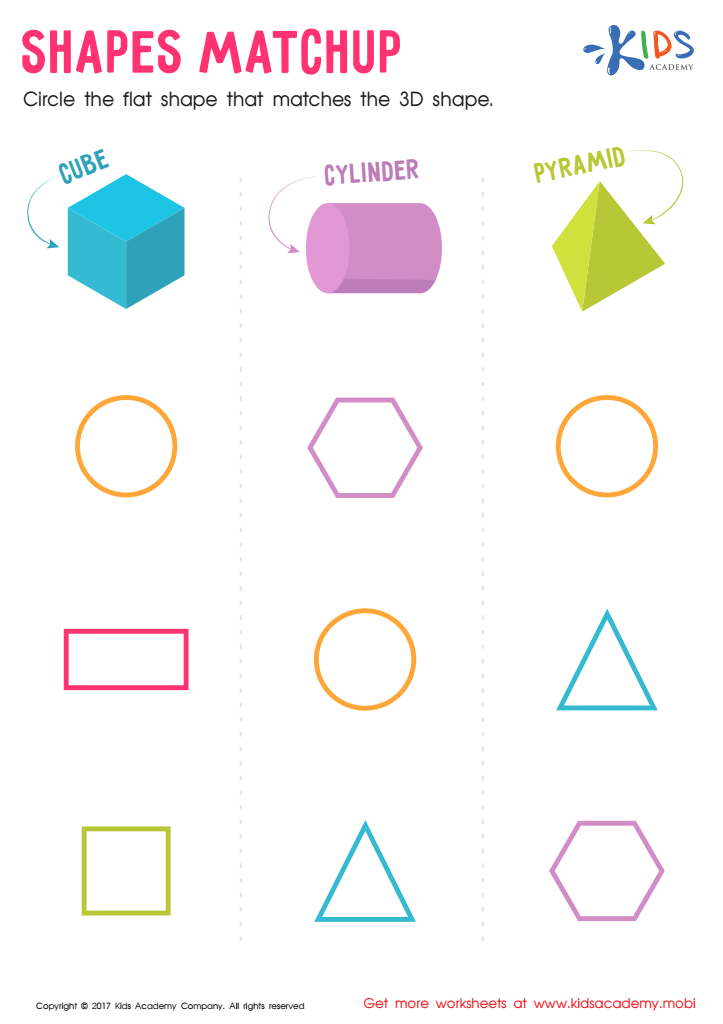
Shapes Matchup Worksheet








Basic geometry knowledge, especially understanding 2D shapes, is crucial for children aged 4-7 because it forms the foundation of their spatial reasoning and cognitive development. At this early stage, children are naturally curious and observant about the world around them. Learning about 2D shapes like circles, squares, triangles, and rectangles helps them make sense of their environment in a structured way. This knowledge enriches their vocabulary, allowing them to describe and categorize objects more accurately.
Moreover, grasping the basics of geometry enhances fine motor skills through hands-on activities like drawing, cutting, and constructing shapes. It also lays the groundwork for more advanced mathematical concepts. For instance, recognizing patterns, understanding symmetry, and comprehending fractions are directly linked to early geometry knowledge.
Incorporating basic geometry into daily routines and play ensures that children develop critical problem-solving skills and logical thinking. Teachers and parents can use age-appropriate games and activities to make learning engaging, thus fostering a positive attitude toward mathematics from an early age. Ultimately, children who build a strong foundation in geometry are better prepared for future academic challenges and everyday tasks that require spatial awareness and analytical skills.