Pattern recognition 2D Shapes Worksheets for Ages 4-7
3 filtered results
-
From - To
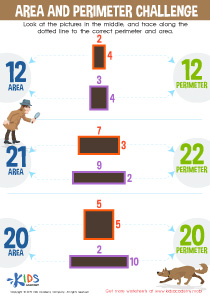
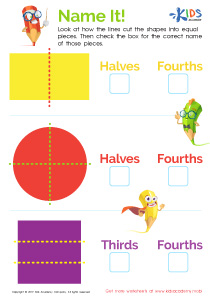
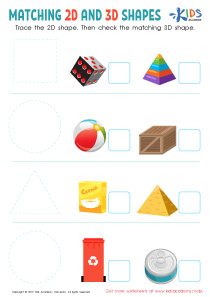
Introduce young learners to the world of geometry with our Pattern Recognition 2D Shapes Worksheets designed for ages 4-7. These engaging activities help children identify, compare, and create patterns using basic 2D shapes, such as circles, squares, and triangles. Developed to enhance early math skills, each worksheet is colorful and full of fun, fostering critical thinking and problem-solving. Perfect for classroom use or at-home practice, these worksheets bolster shape recognition and sequencing abilities. Watch your child's confidence grow as they master important foundational math concepts through interactive and enjoyable exercises!
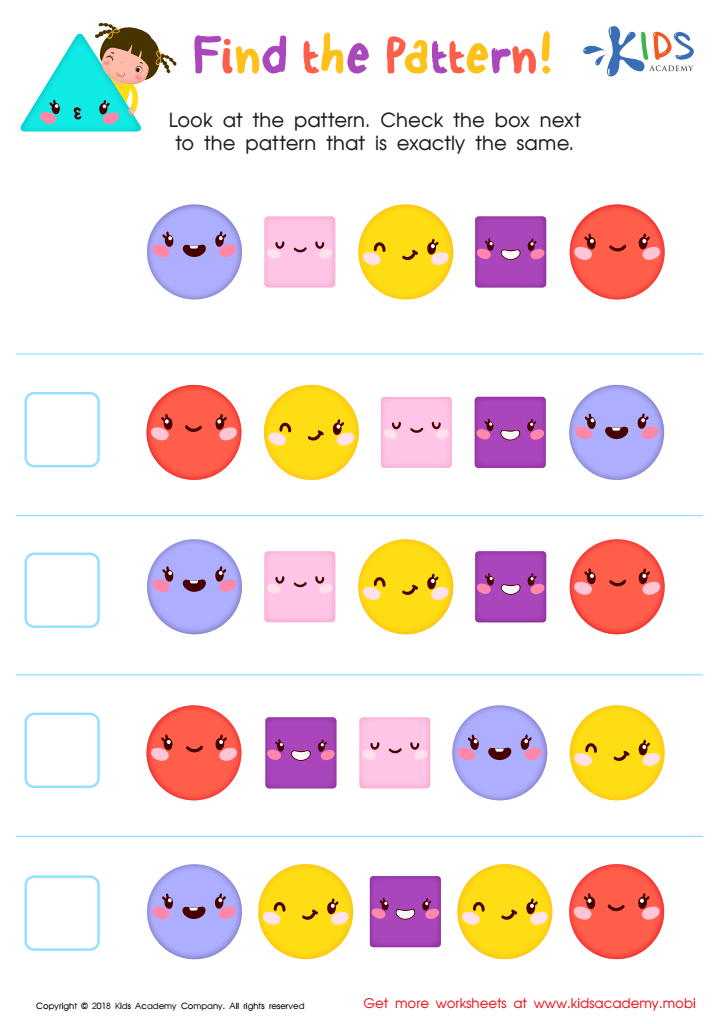
Find the Pattern Worksheet
 Assign to My Students











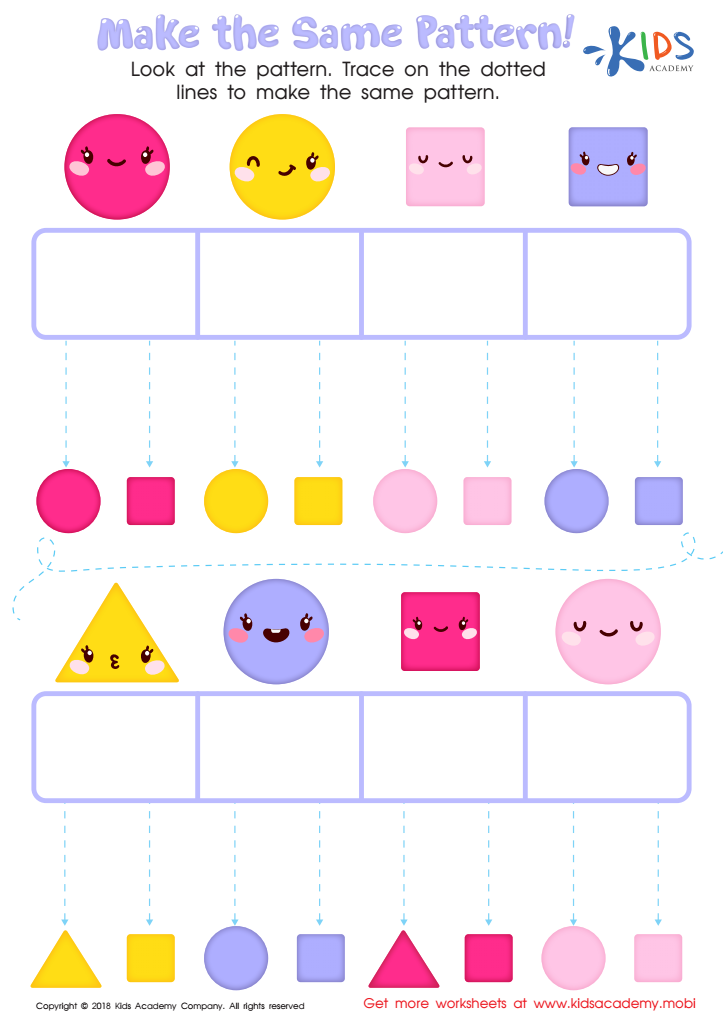
Make the Same Pattern Worksheet
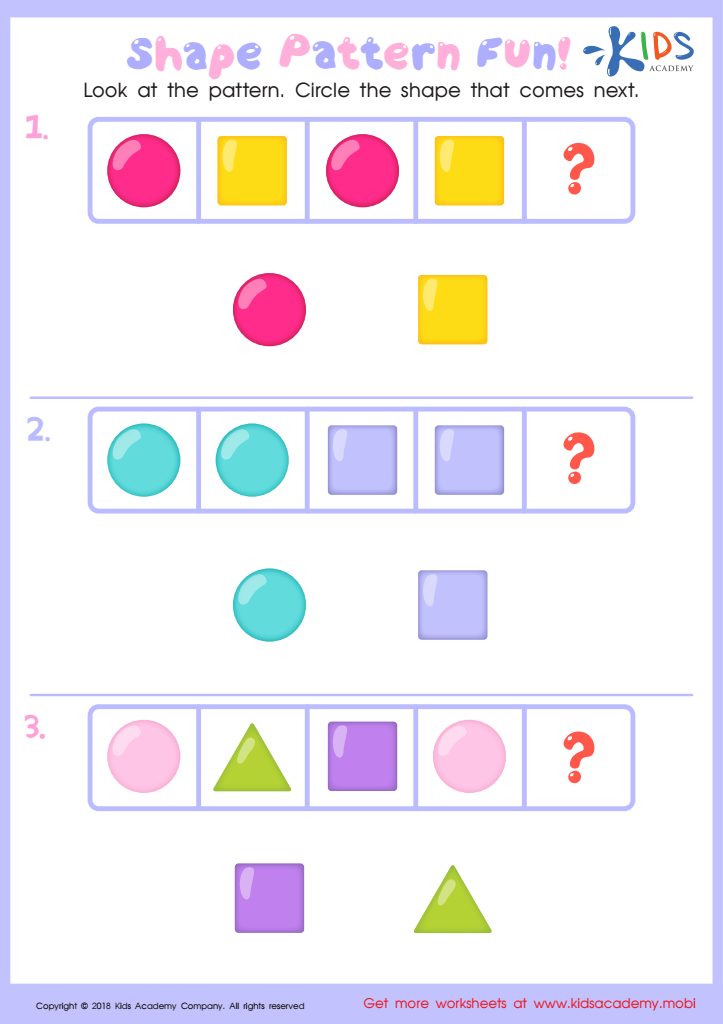
Shape Pattern Fun Worksheet








Pattern recognition in 2D shapes is a fundamental skill that parents and teachers should prioritize for children aged 4-7. At this critical developmental stage, recognizing patterns and shapes helps in building a strong foundation for future learning in mathematics and beyond. Pattern recognition aids in developing critical thinking and problem-solving skills, as children learn to observe and make sense of the world around them by identifying similarities, differences, and sequences.
Furthermore, understanding 2D shapes lays the groundwork for geometry. When children can identify and differentiate between shapes like circles, triangles, and squares, they build spatial awareness and reasoning. These skills are essential not only in math but also in navigating everyday tasks and understanding spatial relationships.
Moreover, learning about shapes and patterns supports cognitive development. It enhances their ability to categorize and analyze information, which is crucial in all areas of learning. Engaging activities like sorting, matching, and drawing shapes can also improve their fine motor skills and hand-eye coordination, which are important for writing and other motor tasks.
In essence, pattern recognition in 2D shapes nurtures a child's curiosity and cognitive abilities, setting the stage for academic success and effective problem-solving in real-life situations. Therefore, it is crucial that parents and teachers invest in activities and learning experiences that promote these skills.