Animal identification Adding on the Farm Worksheets for Ages 4-7
15 filtered results
Difficulty Level
Grade
Age
-
From - To
Subject
Activity
Standards
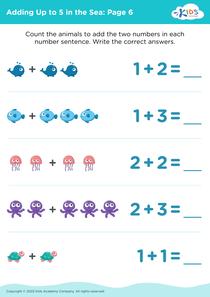
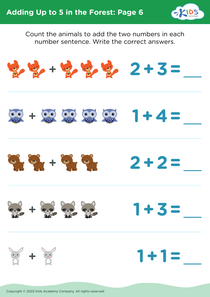
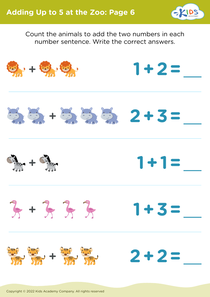
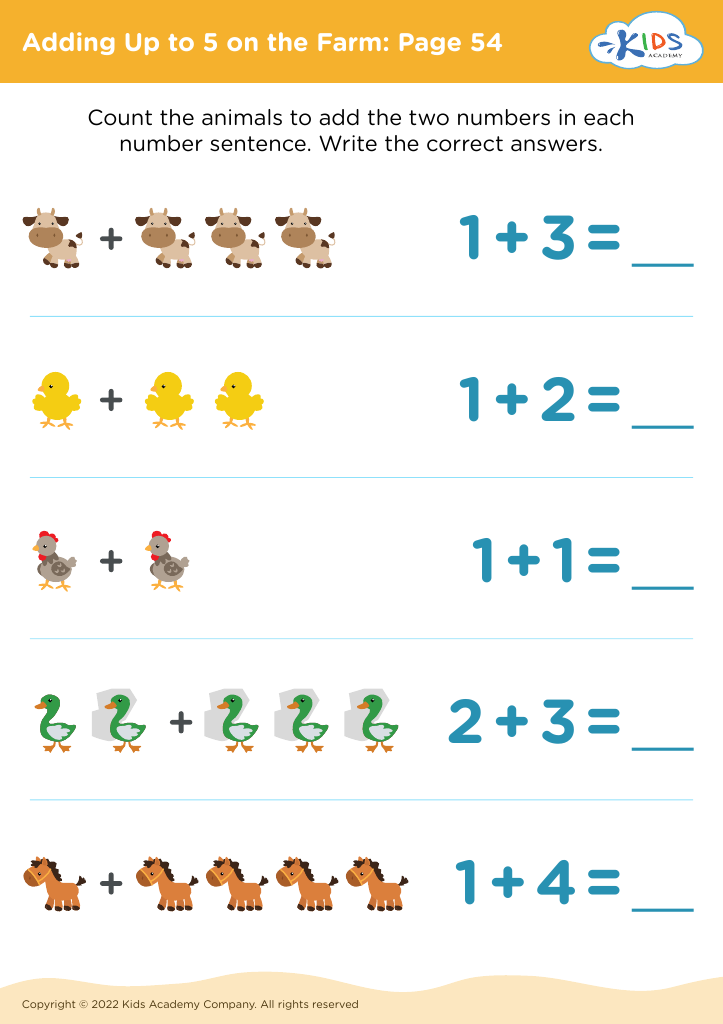
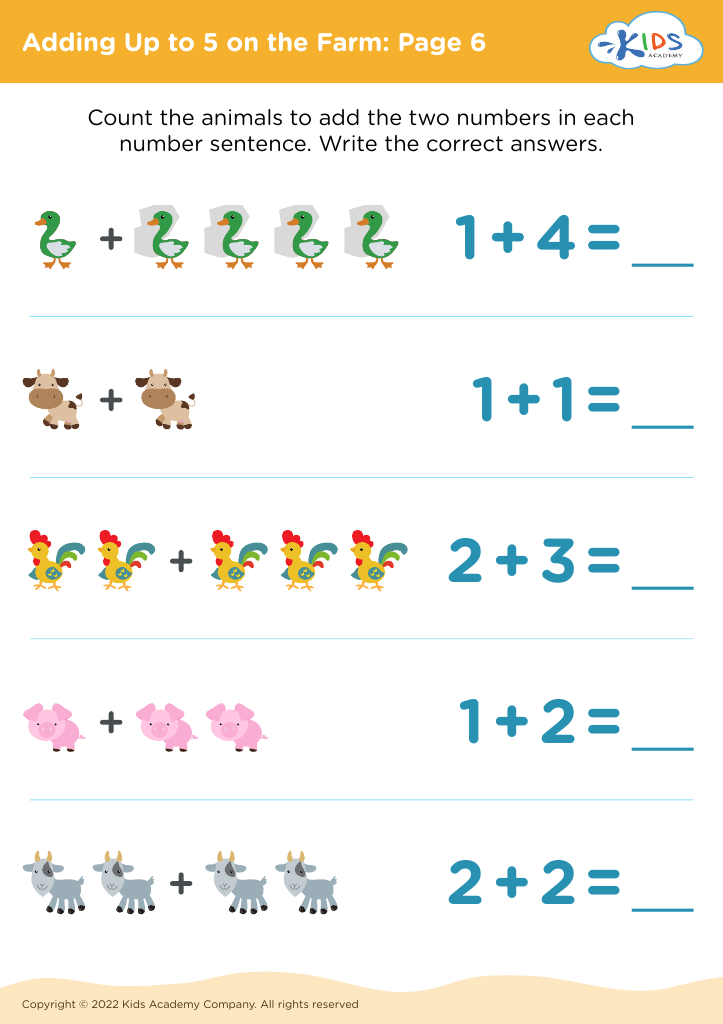
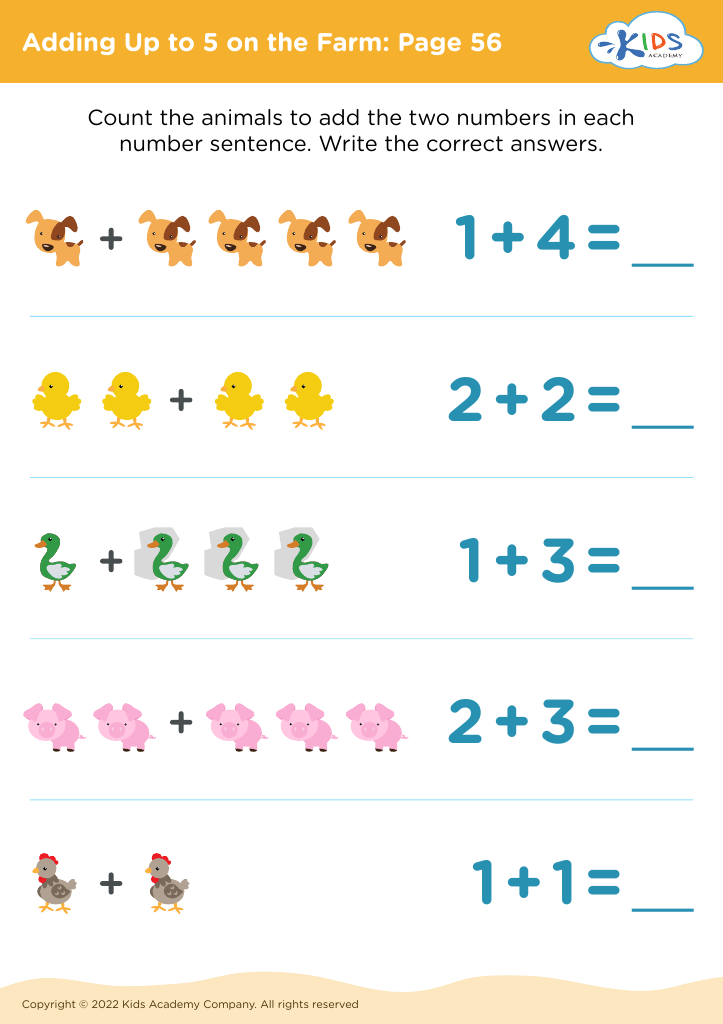
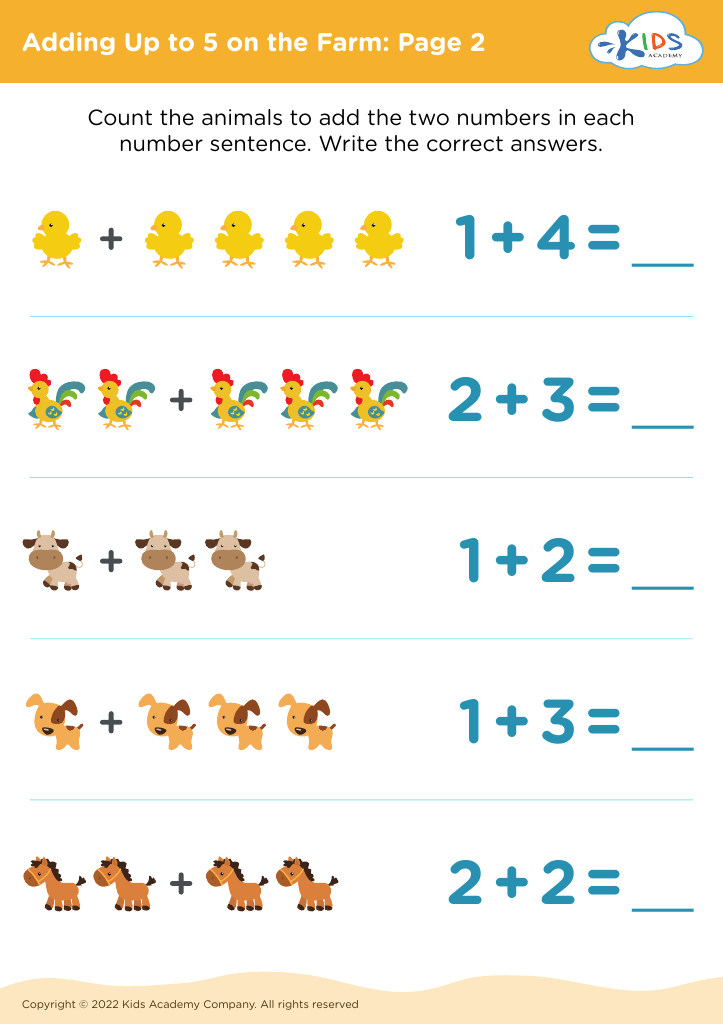
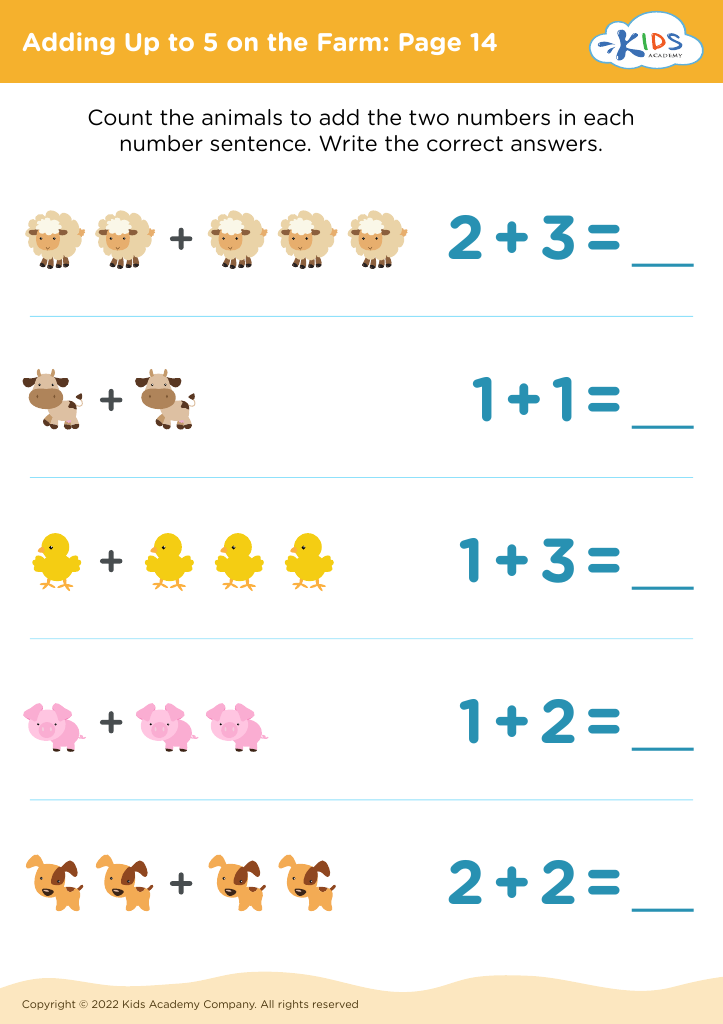
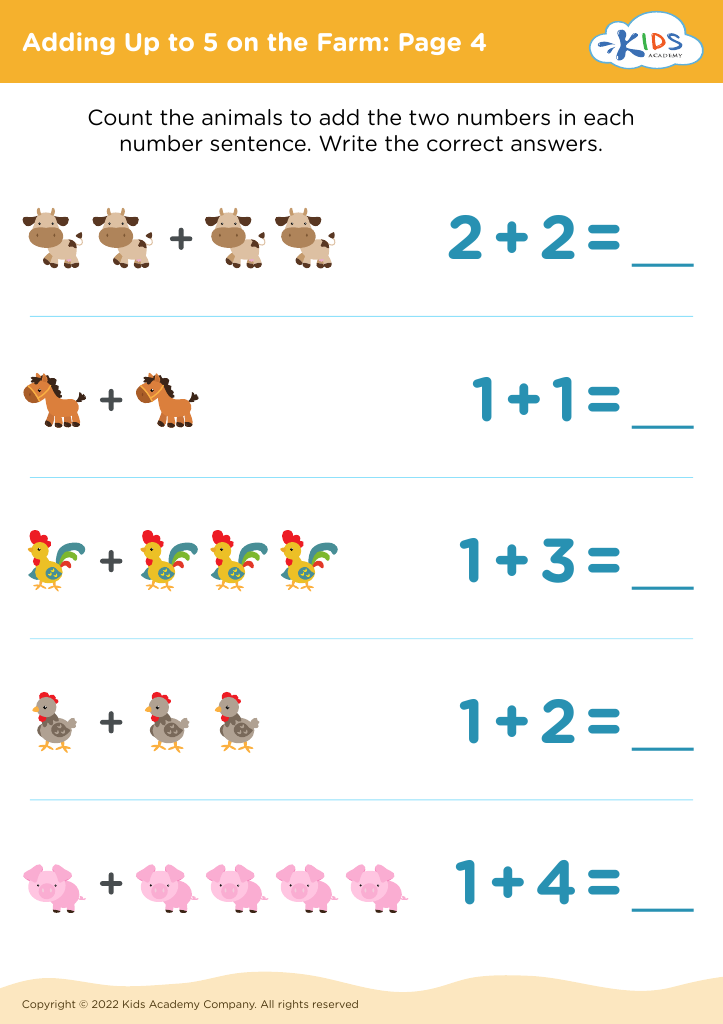
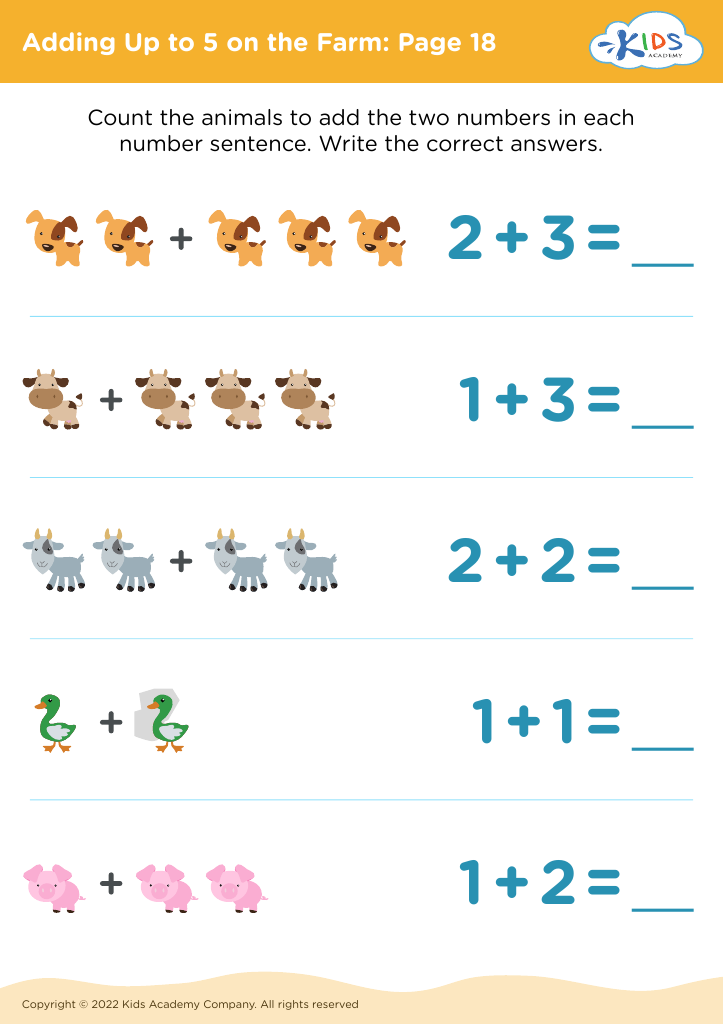
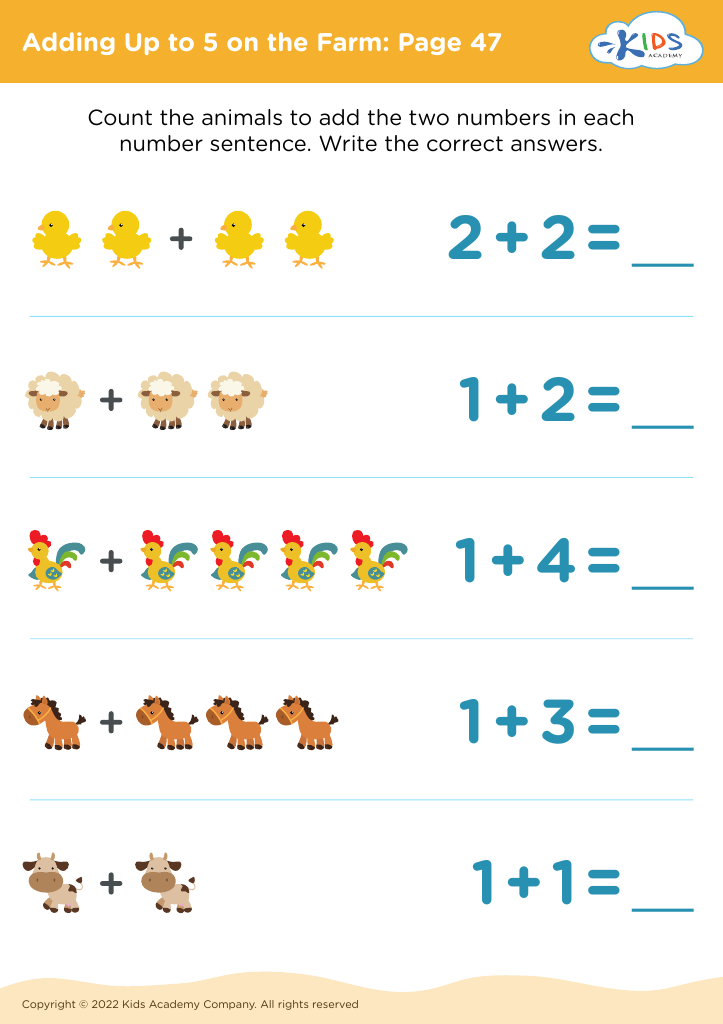
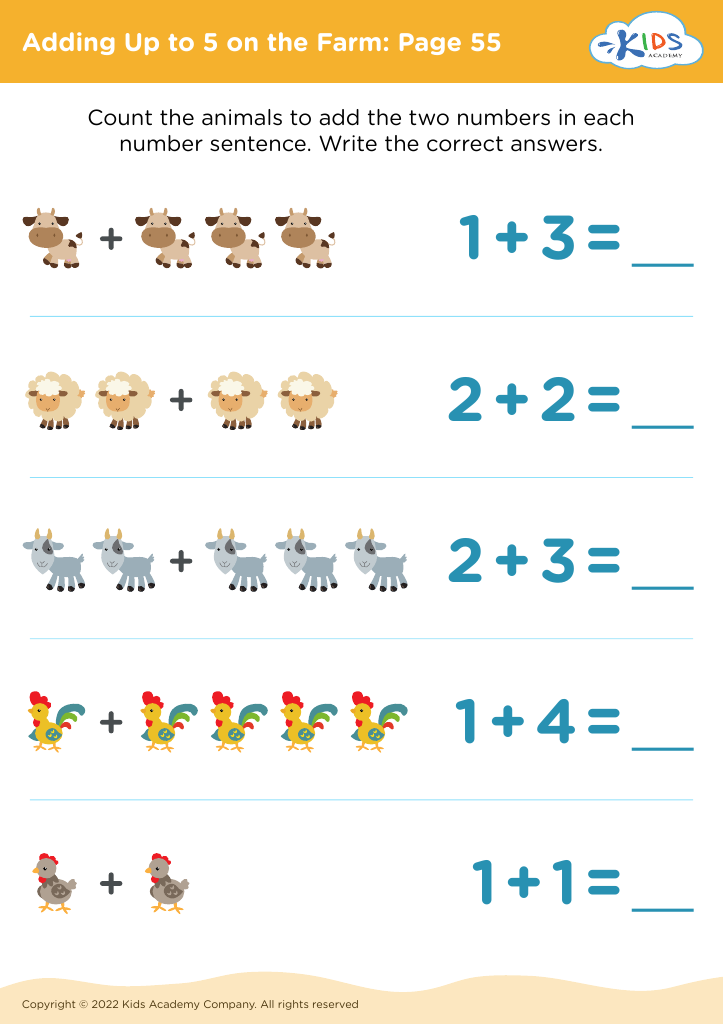
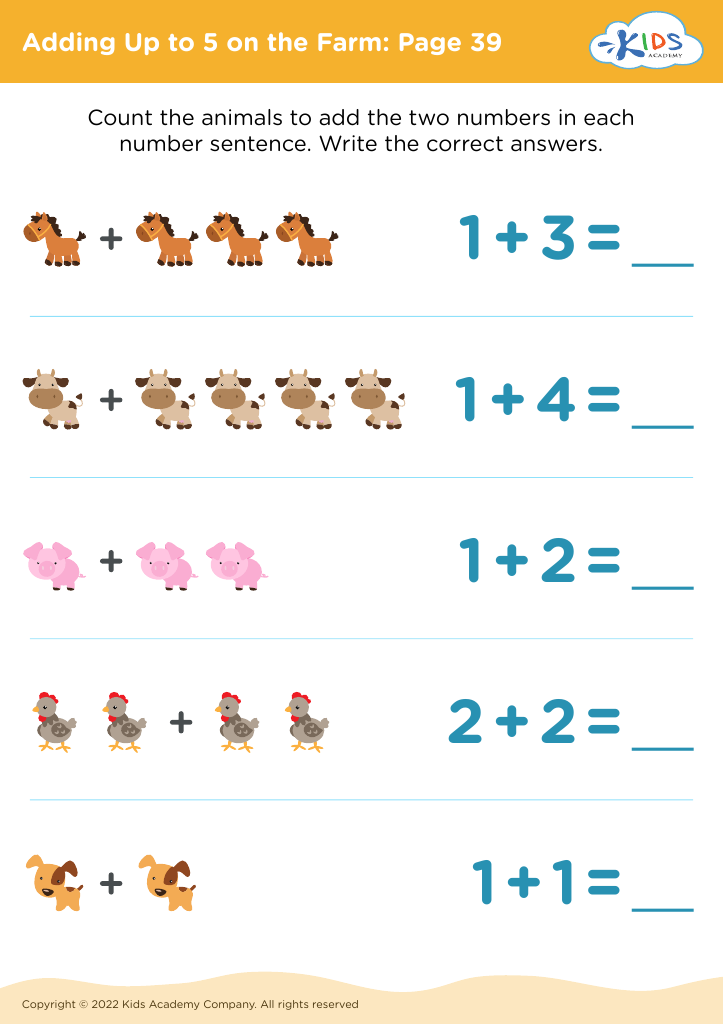
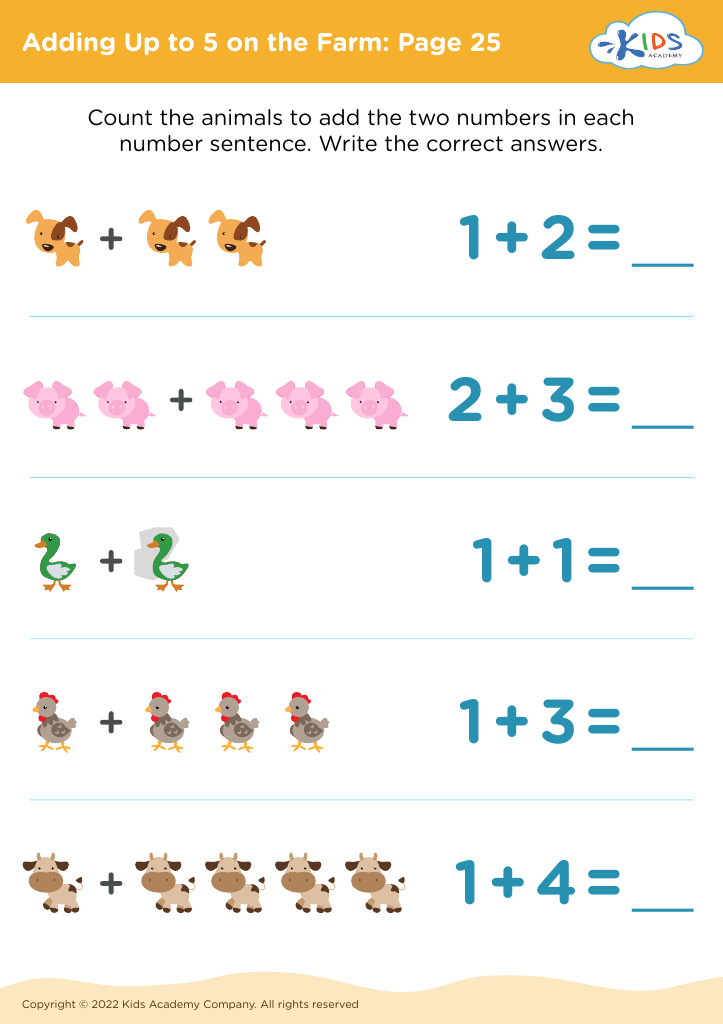
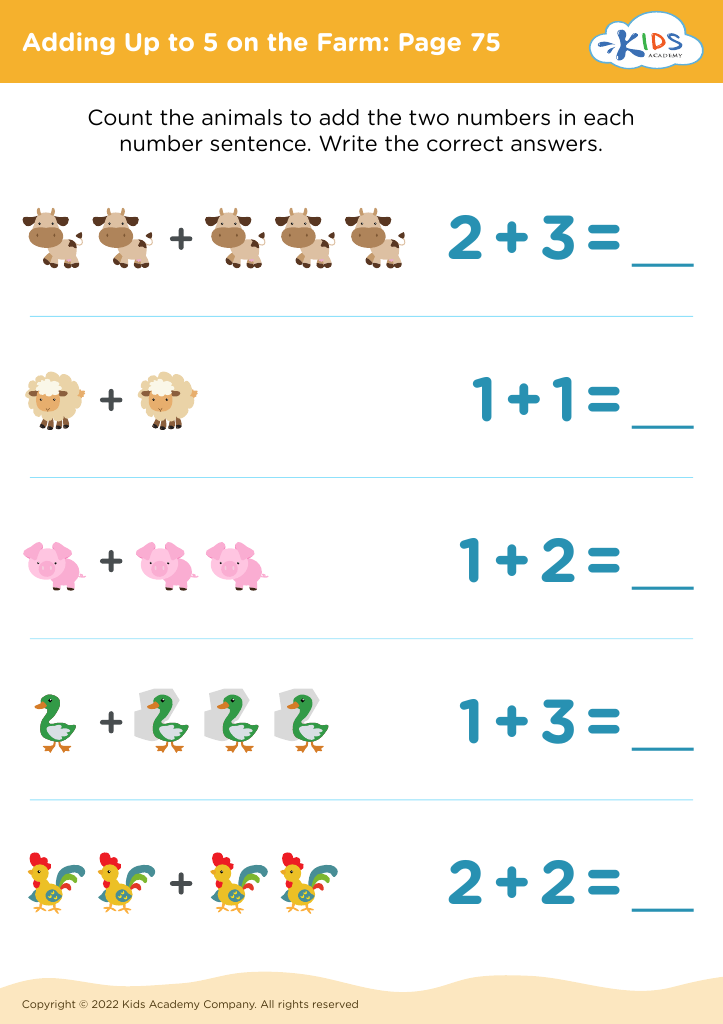
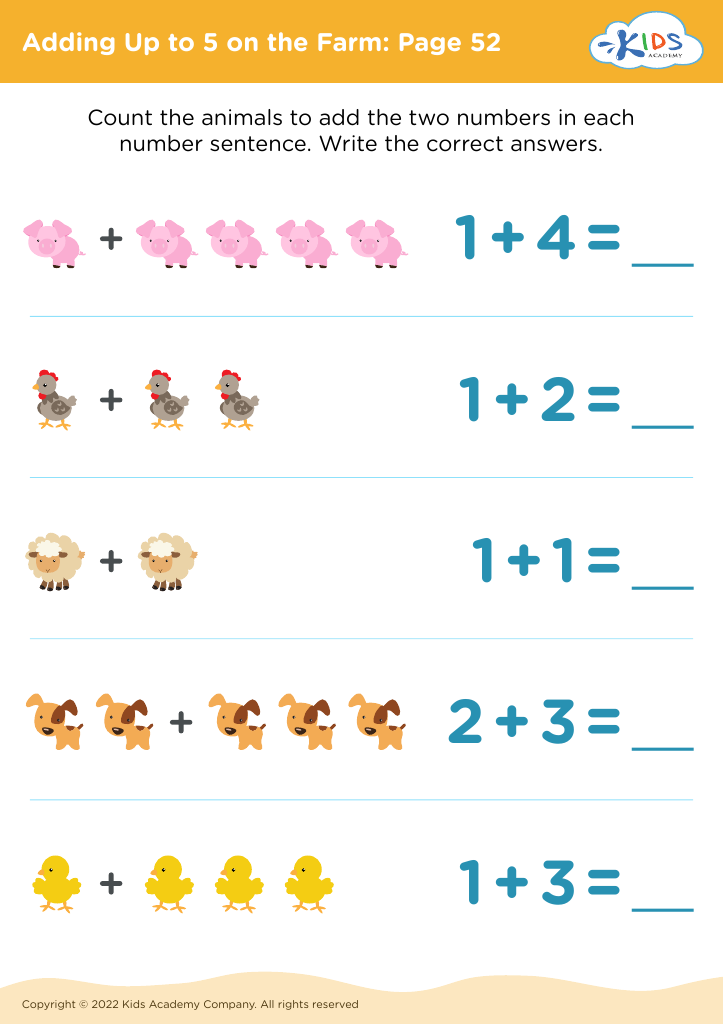
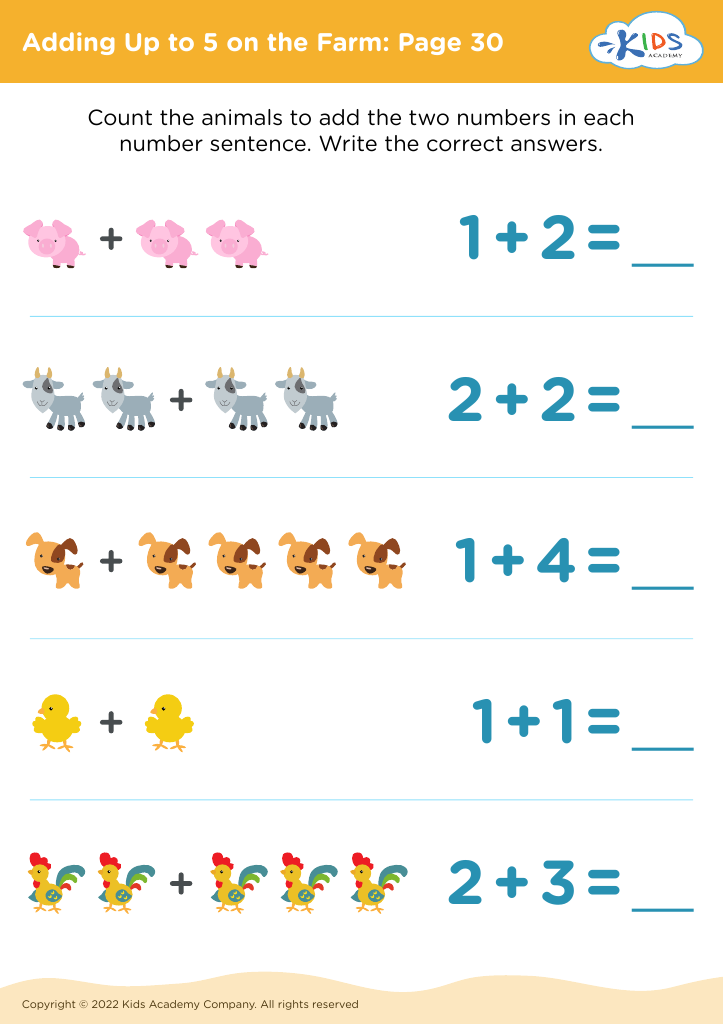
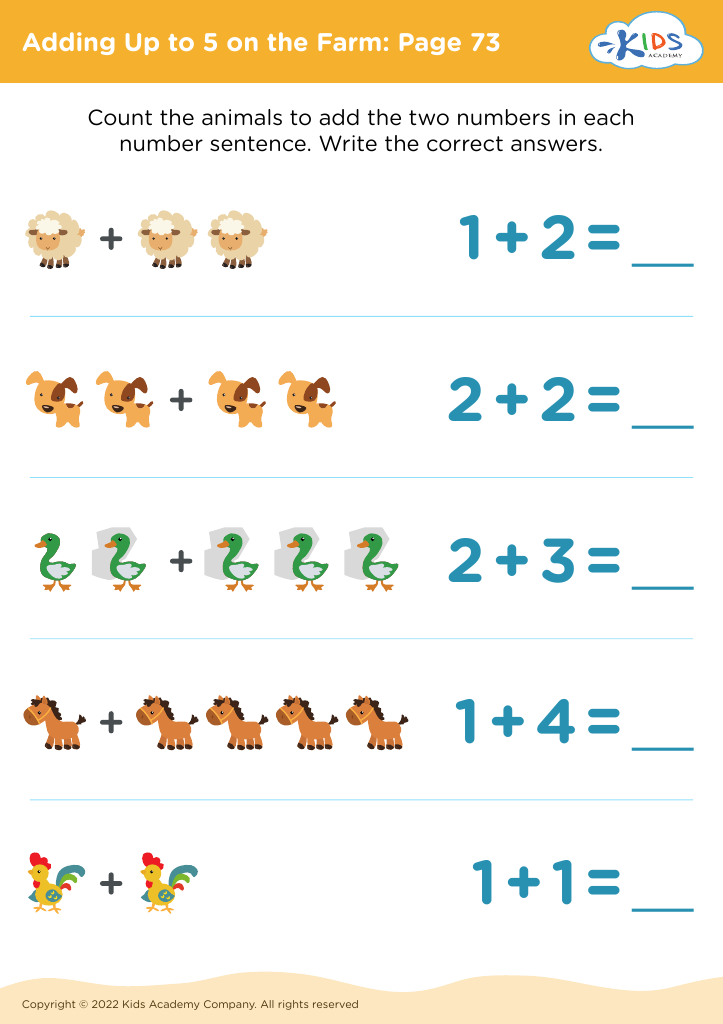
Introduce your little ones to the exciting world of farm animals with our "Animal Identification Adding on the Farm Worksheets" designed for ages 4-7! These engaging worksheets combine enjoyable math exercises with the opportunity to learn about beloved farm creatures. As children practice their addition skills, they'll also identify animals, enhancing both their numeracy and literacy in a fun and interactive way. Perfect for early grade classrooms or home learning, these worksheets inspire curiosity about farming life while reinforcing essential math concepts. Download now to provide your child with a delightful learning experience that fosters both mathematical and animal recognition skills!
Favorites
With answer key
Interactive
Join Kids Academy for Free
Who is primarily going to use this learning content?



Animal identification on a farm is crucial for young children aged 4-7 because it helps them develop a strong understanding of the animals and the roles they play in our lives. Teaching kids how to identify different farm animals, like cows, pigs, and chickens, fosters their curiosity about nature and encourages respectful behavior towards living beings.
When children learn about animal identification, they also become aware of the responsibility associated with caring for these animals. This involves feeding them, providing shelter, and understanding their needs, which can instill a sense of empathy and compassion. Additionally, this knowledge sets the foundation for environmental awareness and can inspire a future generation of farmers, veterinarians, and animal caretakers.
By incorporating fun activities like matching games or farm visits, parents and teachers can create engaging learning experiences that promote emotional and intellectual growth. Moreover, being knowledgeable about animal identification can help prevent accidents on the farm, as children learn which animals are safe to approach and which ones are not. Overall, fostering an appreciation for animal identification is vital in nurturing responsible and caring individuals who understand the importance of animal welfare and farming in our society.