Vocabulary enhancement Adding up to 100 Worksheets for Ages 4-7
3 filtered results
-
From - To
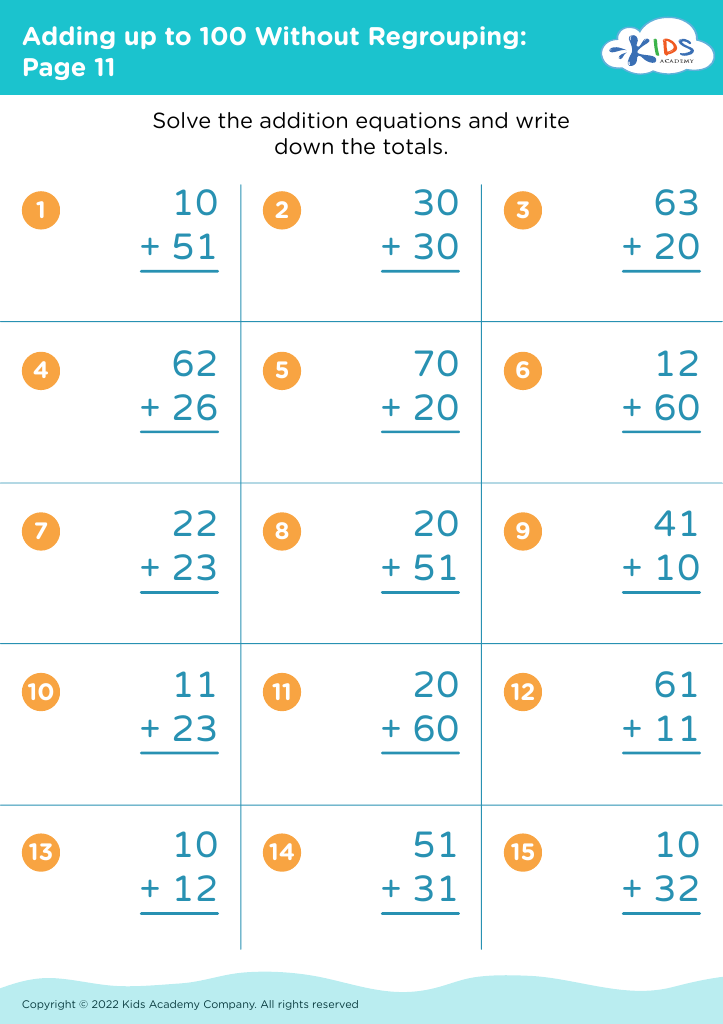
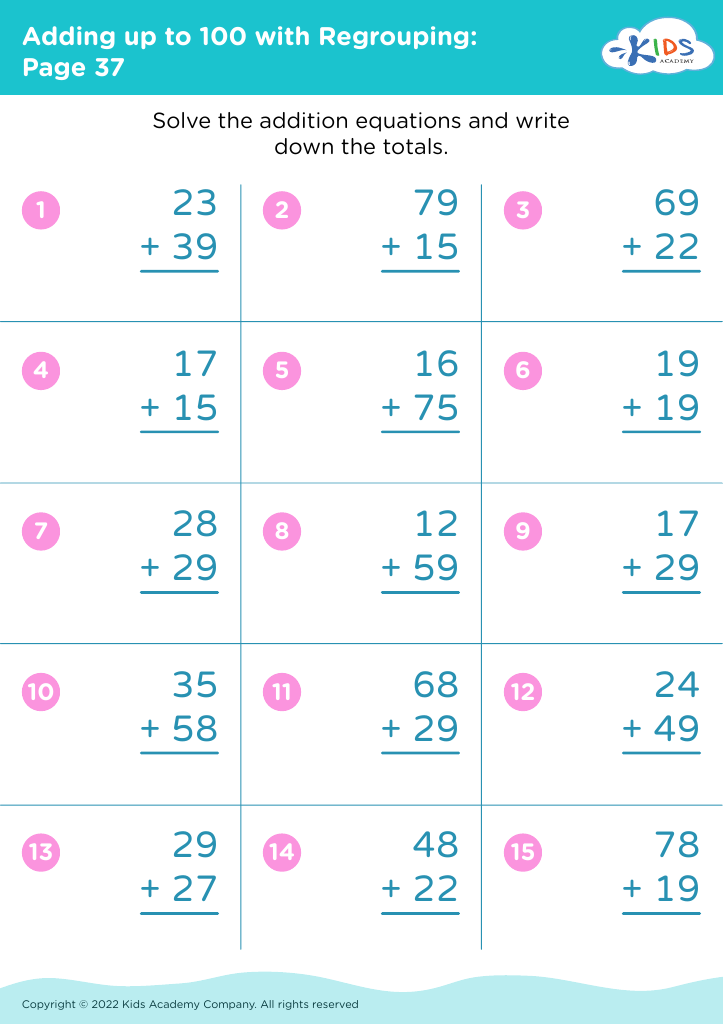
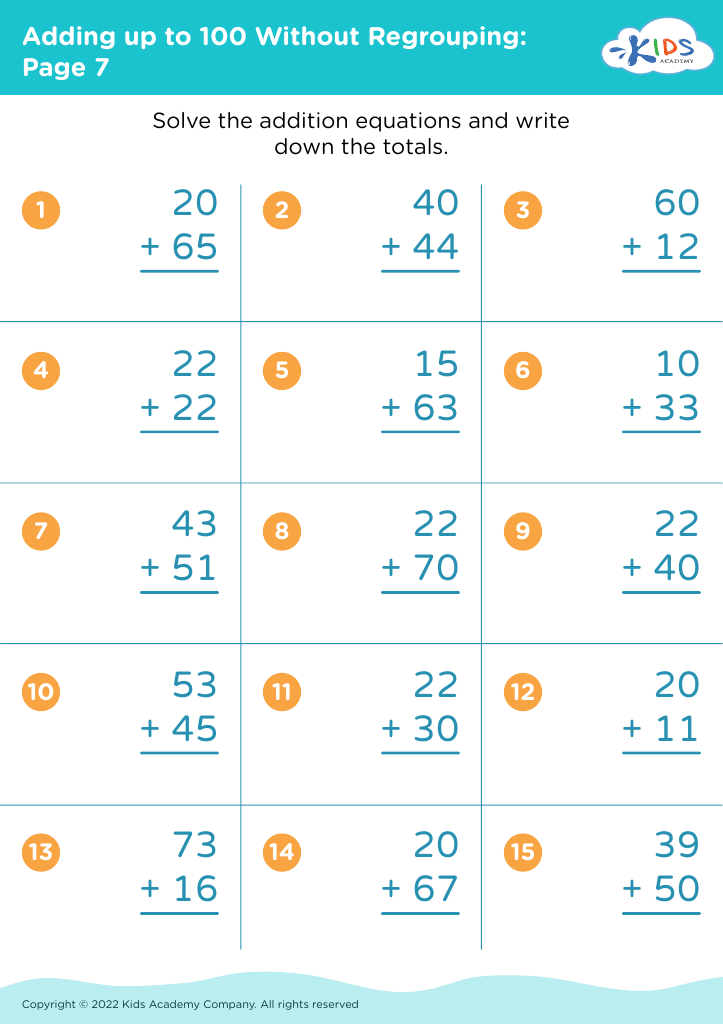
Enhance your child's vocabulary with our "Vocabulary Enhancement: Adding Up to 100" worksheets, specially designed for ages 4-7. This comprehensive collection features 100 engaging and interactive worksheets that help young learners build essential language skills while reinforcing their math knowledge. Each worksheet blends fun activities with educational content, promoting word recognition and comprehension. As children practice addition and explore mathematical concepts, they will simultaneously expand their vocabulary, making learning a holistic experience. This resource encourages playful learning and supports parents and educators in nurturing confident, articulate young minds. Perfect for classroom use or at-home practice, these worksheets make learning fun and effective!





%20(1).jpg)

Vocabulary enhancement is crucial for children aged 4-7, as this developmental stage lays the foundation for their future literacy and communication skills. During these formative years, children are rapidly expanding their vocabulary and learning how to express their thoughts and feelings effectively. When parents and teachers focus on enhancing vocabulary, they significantly improve children’s reading comprehension, writing abilities, and listening skills.
A rich vocabulary also allows children to better understand classroom instructions, engage in meaningful conversations, and build confidence in their communication. This, in turn, fosters a love for learning, making it easier for them to articulate their ideas and emotions clearly.
Moreover, a strong vocabulary contributes to cognitive development, encouraging critical thinking as children learn to connect words with concepts, emotions, and experiences. Proper vocabulary exposure helps reduce early reading difficulties and can lead to improved academic performance in later years.
Ultimately, parents and teachers play a vital role in supporting vocabulary enhancement through interactive reading, storytelling, and engaging conversations. Implementing activities that promote vocabulary building not only enriches children's language skills but also nurtures their overall emotional and intellectual growth, setting the stage for lifelong learning success.








