Identifying Animals Addition & Subtraction Worksheets for Ages 4-7
5 filtered results
-
From - To
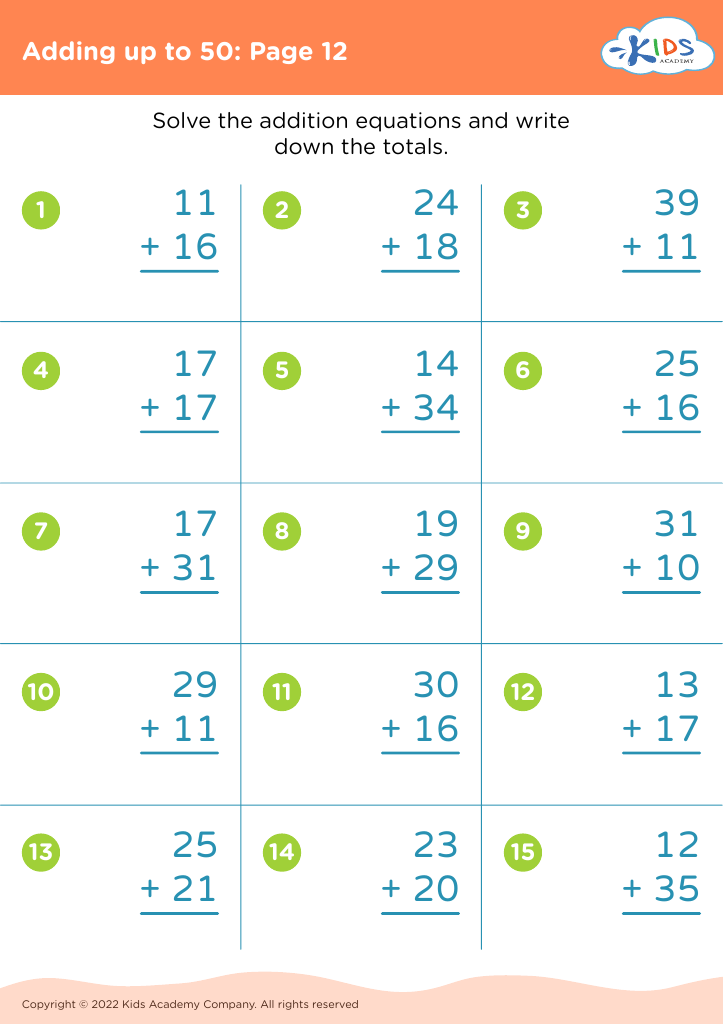
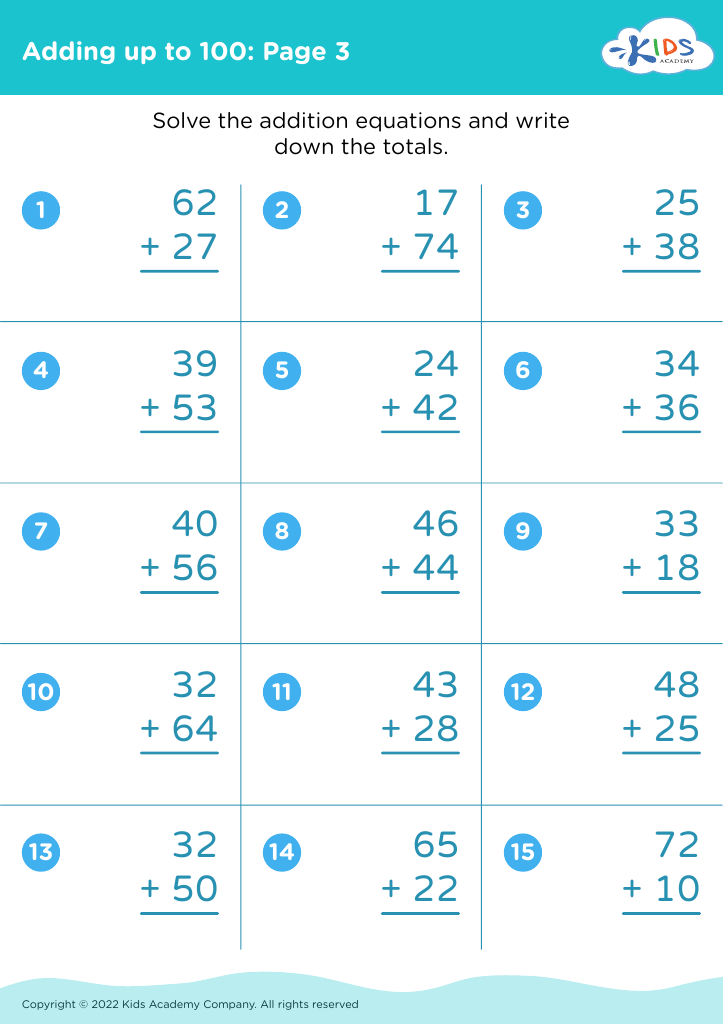
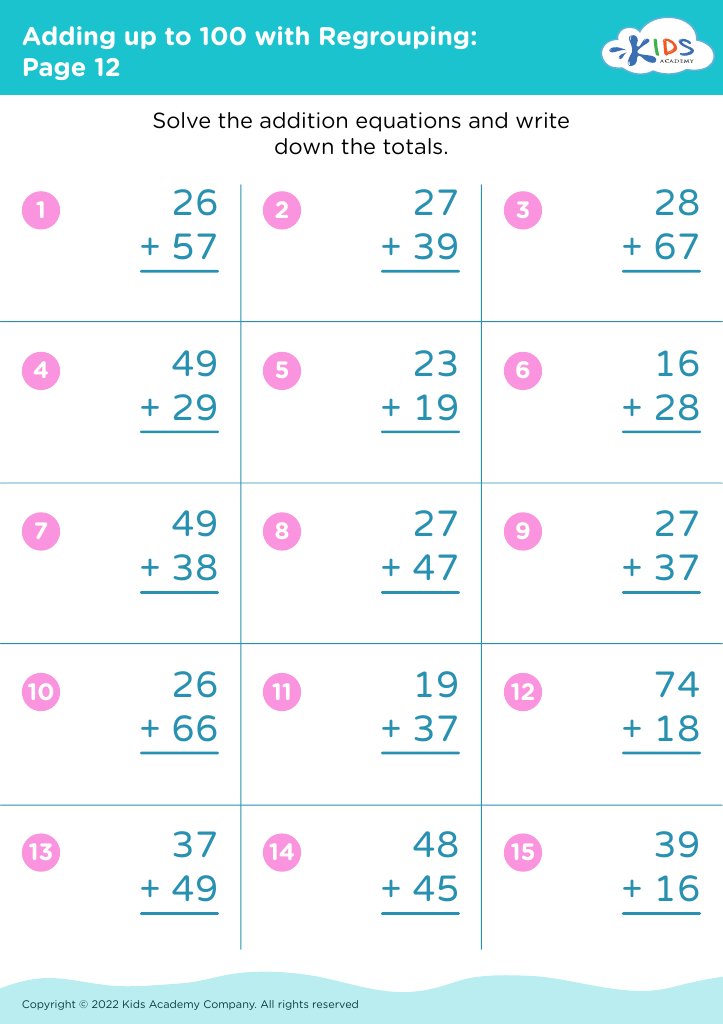
Boost your child's math skills and animal knowledge with our "Identifying Animals Addition & Subtraction Worksheets for Ages 4-7." These engaging worksheets combine basic arithmetic practice with fun animal identification activities, designed to build foundational skills in addition and subtraction. Perfect for preschool and early elementary students, each worksheet features visually appealing animal illustrations and carefully crafted math problems, fostering a love for learning and curiosity about the animal kingdom. Enhance your child's learning experience and ignite their passion for math and animals with our unique, educational printables suitable for home or classroom use.
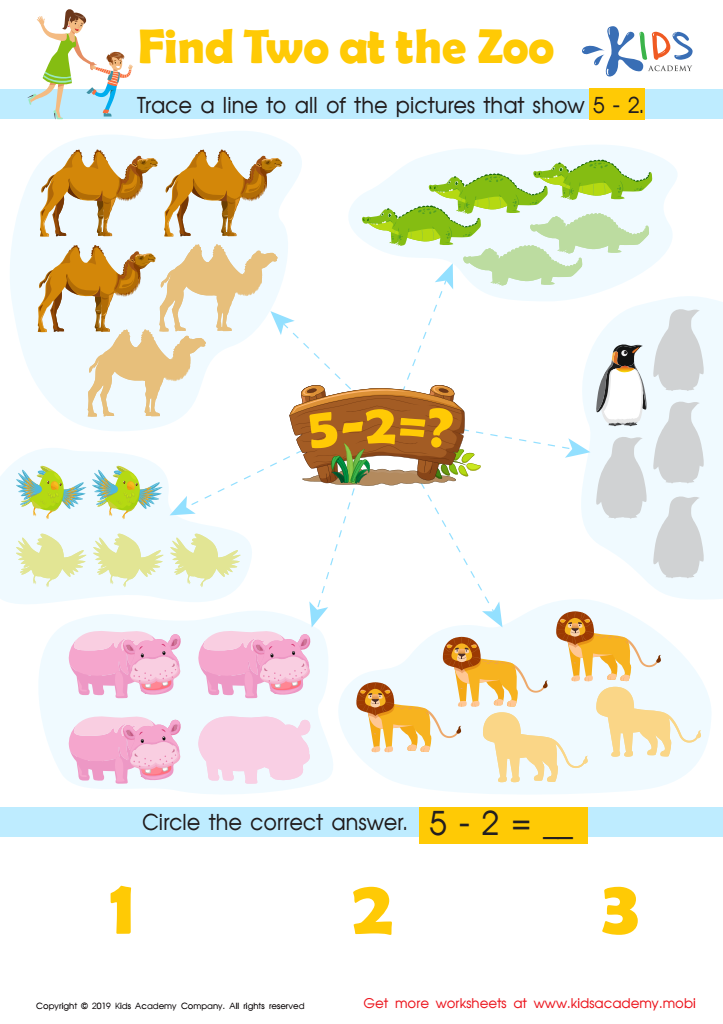
Find Two at the Zoo Worksheet
 Assign to My Students
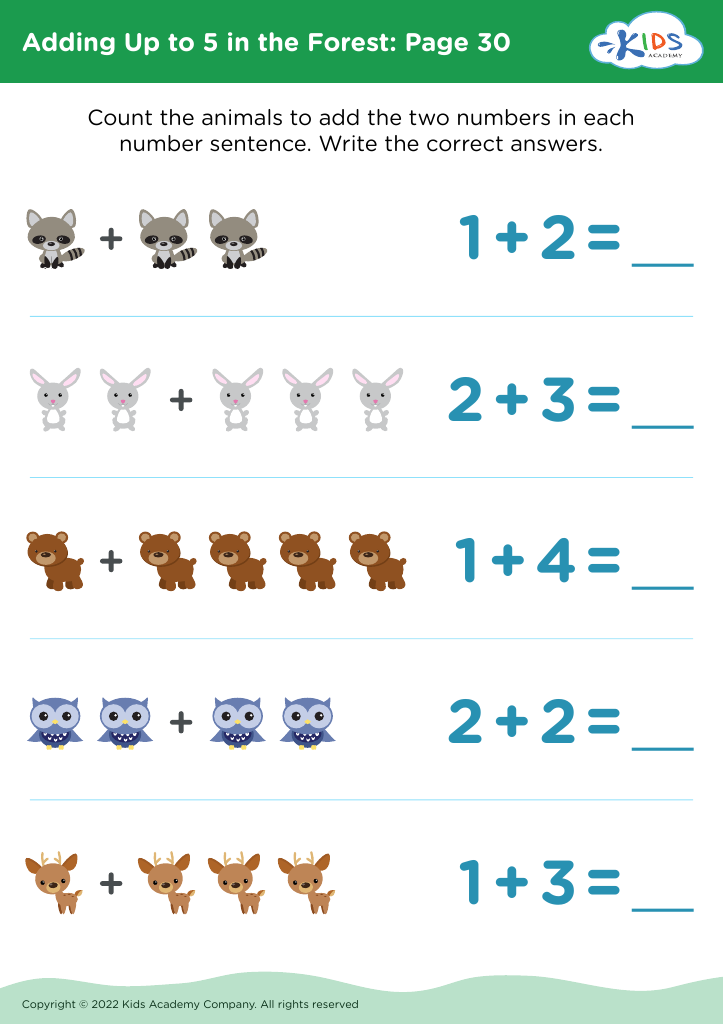








Identifying animals and practicing addition and subtraction are both crucial learning activities for children aged 4-7, and it is vital that parents and teachers support these areas of development. Recognizing animals broadens children's understanding of the natural world and fosters empathy and curiosity about different species. This foundational knowledge sets the stage for environmental stewardship and a lifelong appreciation for nature.
Simultaneously, engaging in addition and subtraction exercises lays the groundwork for mathematical literacy, a skill essential for academic success and daily problem-solving. At this age, children are at a developmental stage where hands-on activities and visual aids significantly boost their cognitive abilities. Combining animal identification with math problems can make learning more engaging and relatable, allowing children to see real-world applications of mathematical concepts.
Integrating these activities also helps develop a child's critical thinking and memory skills. For instance, when children count paws or add the number of wings on birds, they actively use both their mathematical reasoning and their newly acquired knowledge about animals. This multidisciplinary approach stimulates their cognitive functions and keeps them motivated.
To sum up, nurturing these skills in early childhood cultivates a well-rounded educational foundation, positioning children for future academic achievements while fostering a deeper connection to the world around them.








