Learn new vocabulary Addition & Subtraction Worksheets for Ages 4-7
4 filtered results
-
From - To
Enhance your child's math skills with our engaging "Learn New Vocabulary Addition & Subtraction Worksheets" designed specifically for ages 4-7. These printable worksheets help young learners build a foundational understanding of mathematical concepts while expanding their vocabulary. Each worksheet offers a fun mix of colorful visuals and interactive activities that promote critical thinking, counting, and basic arithmetic. By mastering essential math terms, children develop confidence and improve their problem-solving abilities. Perfect for use at home or in the classroom, these resources create an enjoyable learning experience that sets the stage for future academic success. Start today and watch your child's skills flourish!
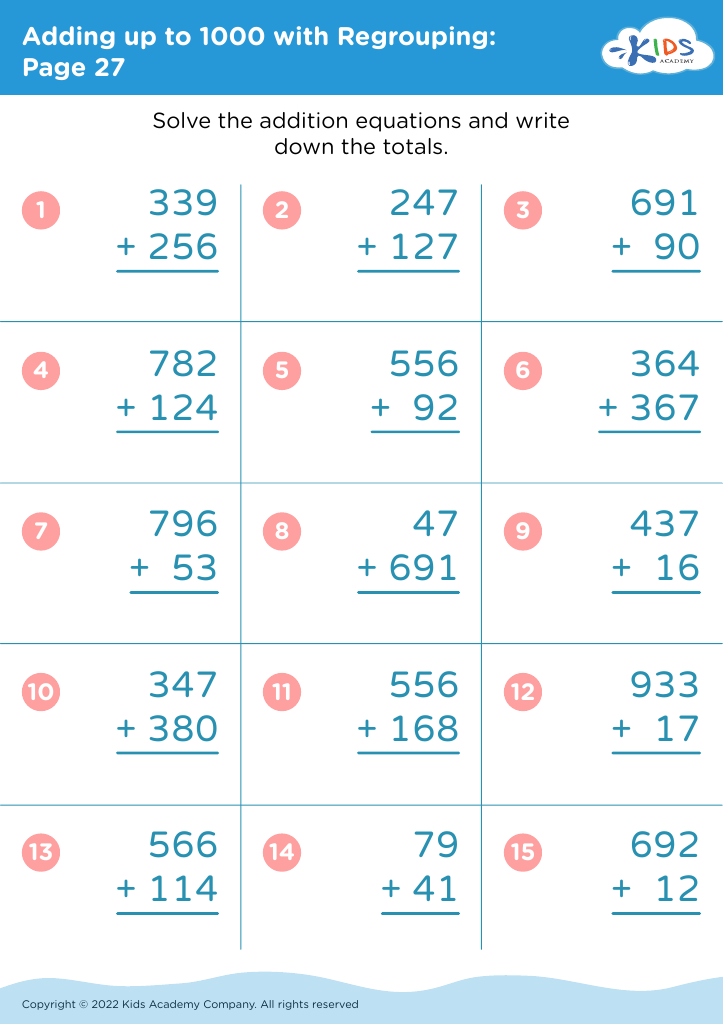
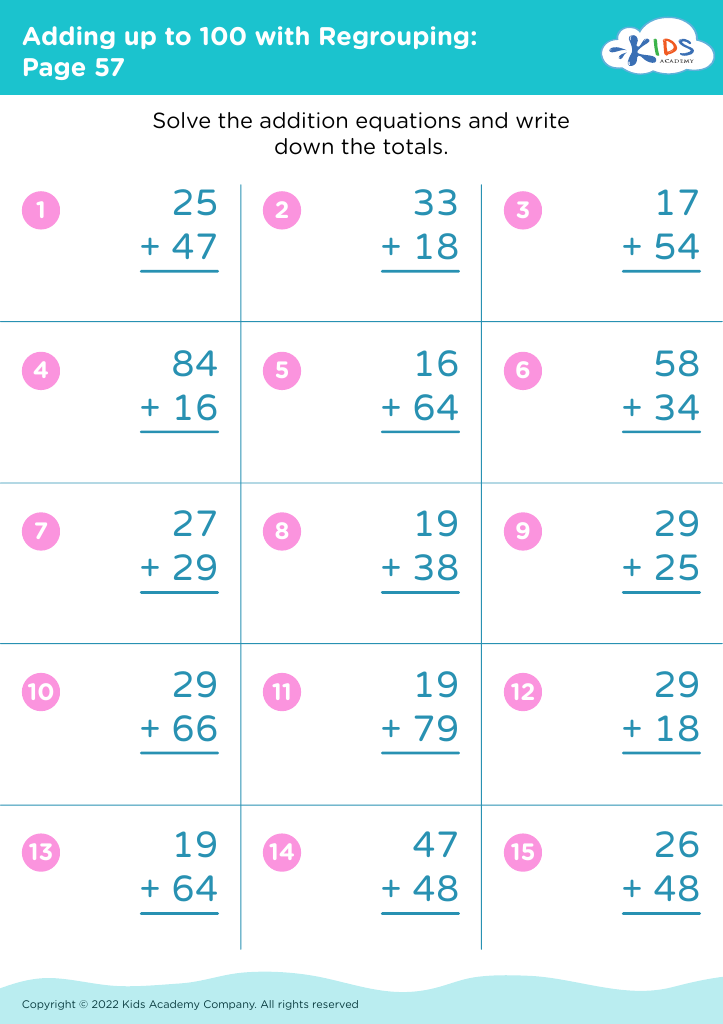
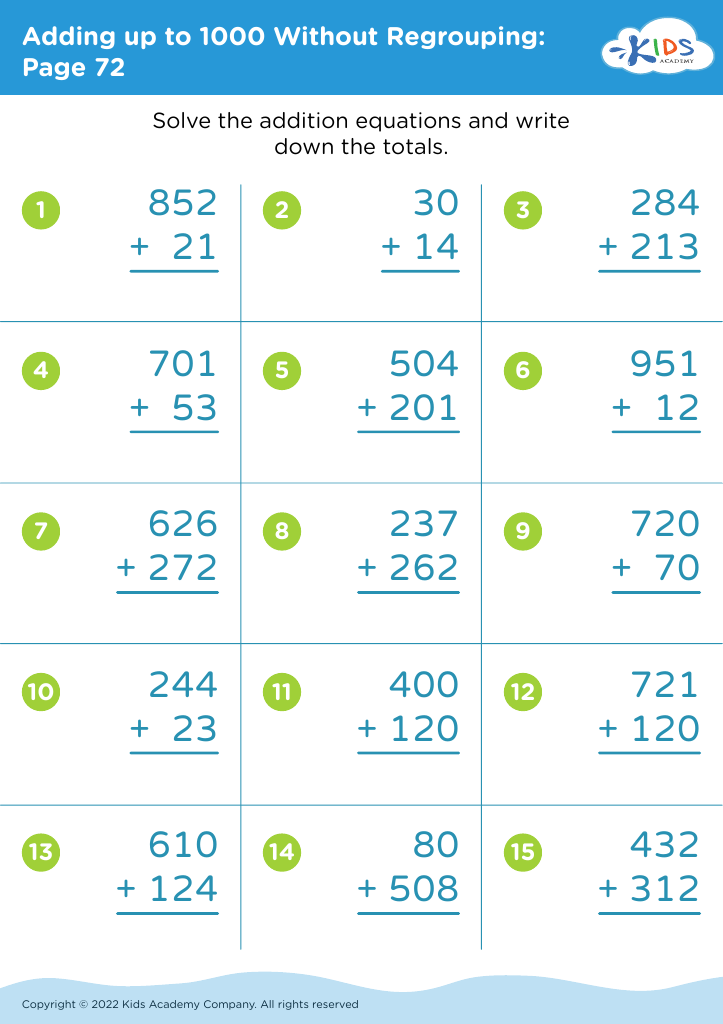
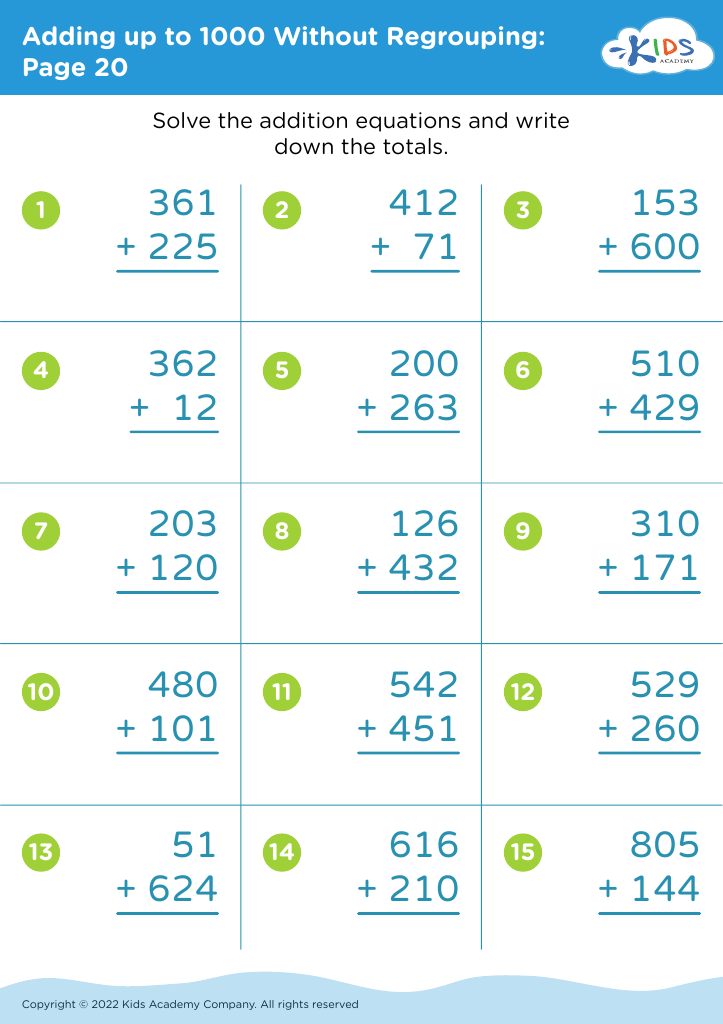








Parents and teachers should prioritize teaching addition and subtraction vocabulary to children aged 4-7 because it lays the foundation for mathematical understanding and cognitive development. Young learners at this age are in crucial stages of language acquisition, where connecting words to concepts enhances their comprehension and communication skills. By introducing terms like "sum," "difference," "add," and "subtract," educators help children grasp the mechanics of basic math operations, fostering numeracy skills that are vital for future academic success.
Moreover, familiarity with these vocabulary words equips children to articulate their thought processes and problem-solving strategies effectively, leading to increased confidence in their abilities. This vocabulary creates a shared language between parents, teachers, and students, promoting active participation during math activities. When children can discuss their mathematical reasoning using the correct terminology, it enriches their learning experience.
Furthermore, strong foundational vocabulary in mathematics supports critical thinking. As students encounter more complex math concepts in later grades, their ability to refer back to these basic terms and skills can significantly enhance their analytical and problem-solving capabilities. Investing in vocabulary development promotes not just immediate learning but a lifelong appreciation for mathematics, setting students on a path to success in various fields.








