
Practice multiplication Addition & Subtraction Worksheets for Ages 4-7
8 filtered results
Difficulty Level
Grade
Age
-
From - To
Subject
Activity
Standards
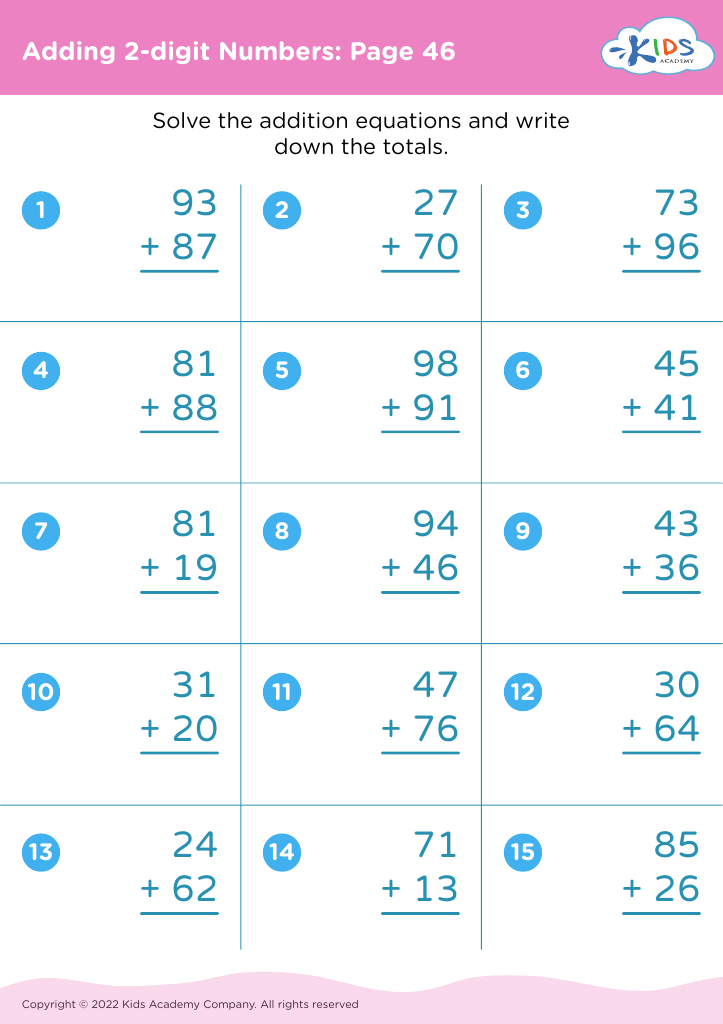
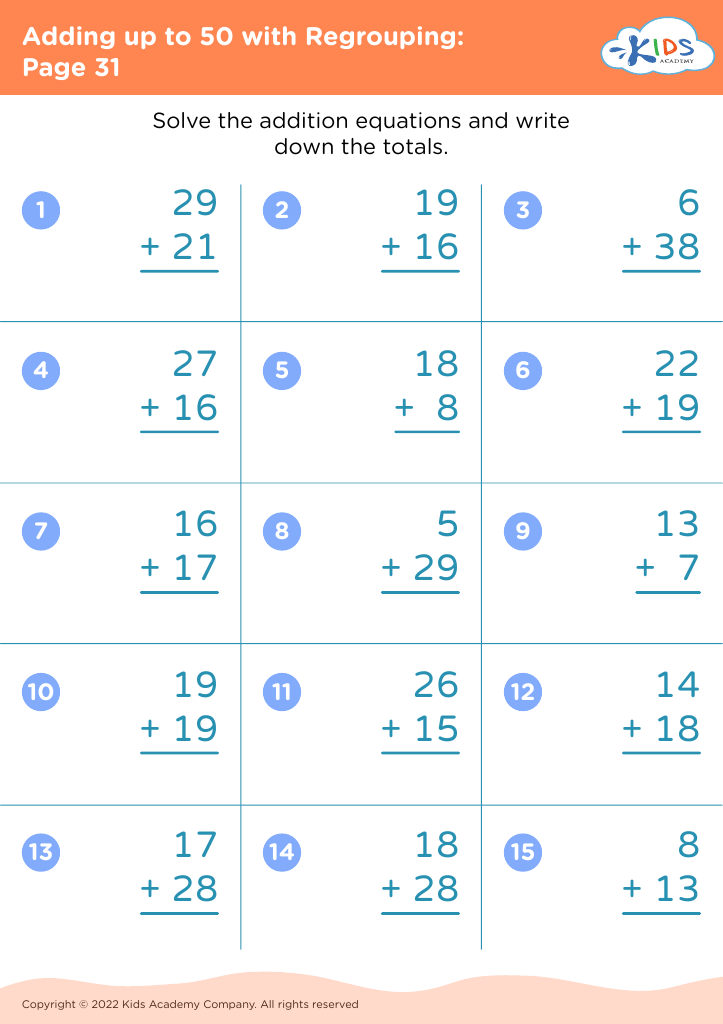
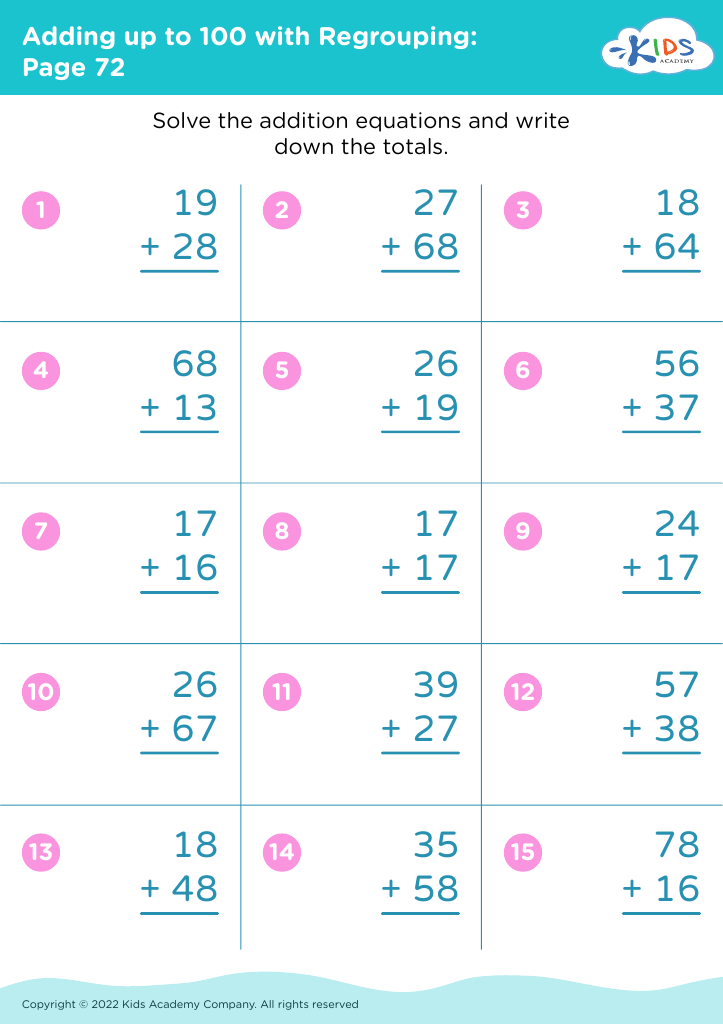
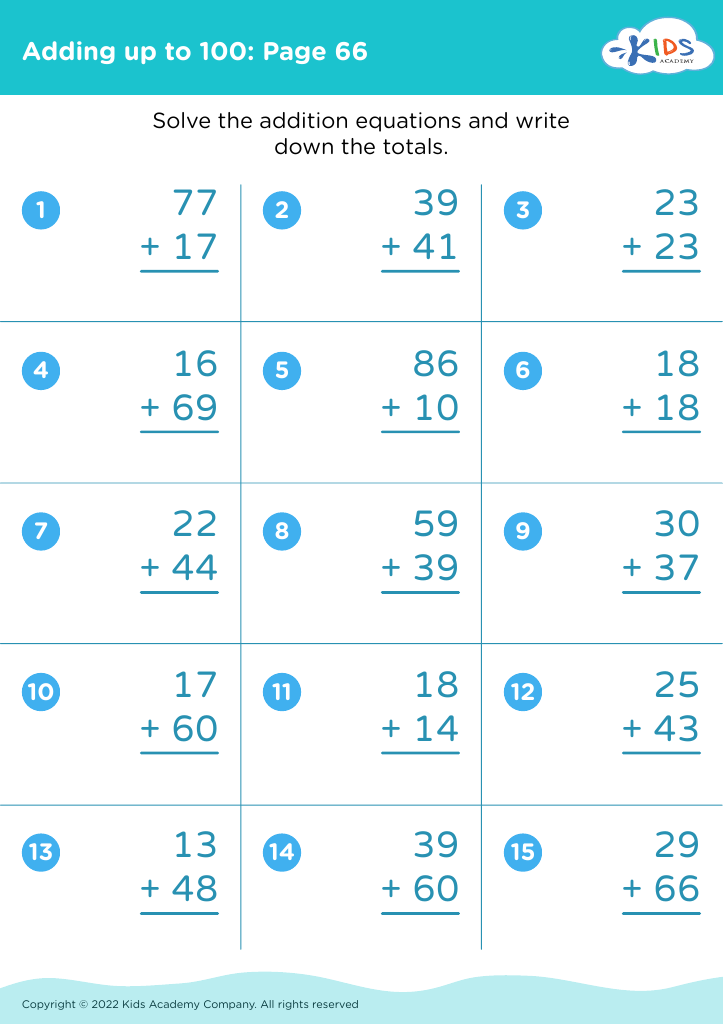
Explore our collection of engaging and educational worksheets designed to help children ages 4-7 practice multiplication, addition, and subtraction! Our fun and colorful worksheets are perfect for nurturing young minds and boosting math skills. Whether your child is just starting to add and subtract or advancing to basic multiplication, these resources are tailored to meet their learning needs. With a variety of puzzles, games, and exercises, your child will develop strong math foundations while having fun. Visit Kids Academy for innovative practice materials that make math learning an enjoyable and enriching experience!
Favorites
With answer key
Interactive
Join Kids Academy for Free
Who is primarily going to use this learning content?








Developing a strong foundation in basic arithmetic such as multiplication, addition, and subtraction for children ages 4-7 is crucial for several reasons. Firstly, these mathematical skills are integral to everyday life. They form the basis for managing time, money, and problem-solving in real-world situations, fostering independence as children grow.
Early exposure to arithmetic strengthens cognitive skills, enhancing memory, attention, and logical thinking. Multiplication, for example, is essentially repetitive addition and lends itself to understanding patterns and sequences—key elements in higher mathematical concepts.
Furthermore, mastering these basics helps in building confidence. When children grasp these concepts early, they are less likely to experience anxiety and frustration with more complex mathematics later on. Confidence in their mathematical abilities can spill over into other areas of learning, contributing to a positive attitude towards school and education overall.
Practicing arithmetic also supports the development of fine motor skills and hand-eye coordination when children write numbers and use manipulatives. Incorporating playful and engaging methods—like educational games or hands-on activities—can make learning these skills enjoyable, ultimately fostering a lifelong curiosity and enthusiasm for learning.
Thus, parents and teachers should prioritize multiplication, addition, and subtraction to ensure a comprehensive educational foundation and set children up for future academic success.








