Understanding equality Addition & Subtraction Worksheets for Ages 4-7
4 filtered results
-
From - To
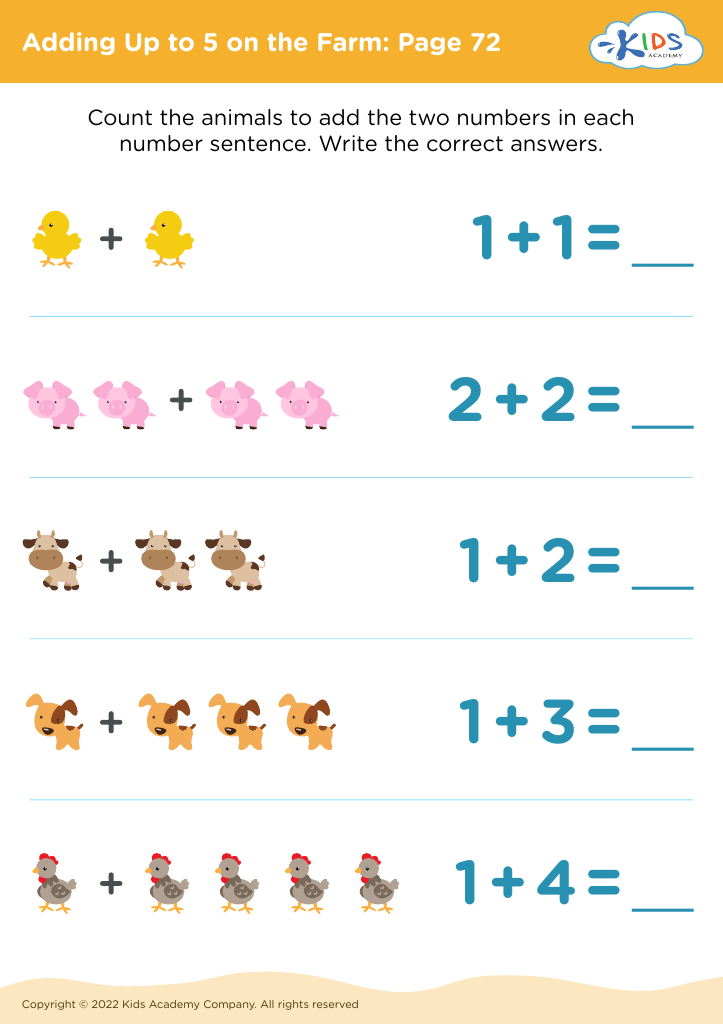
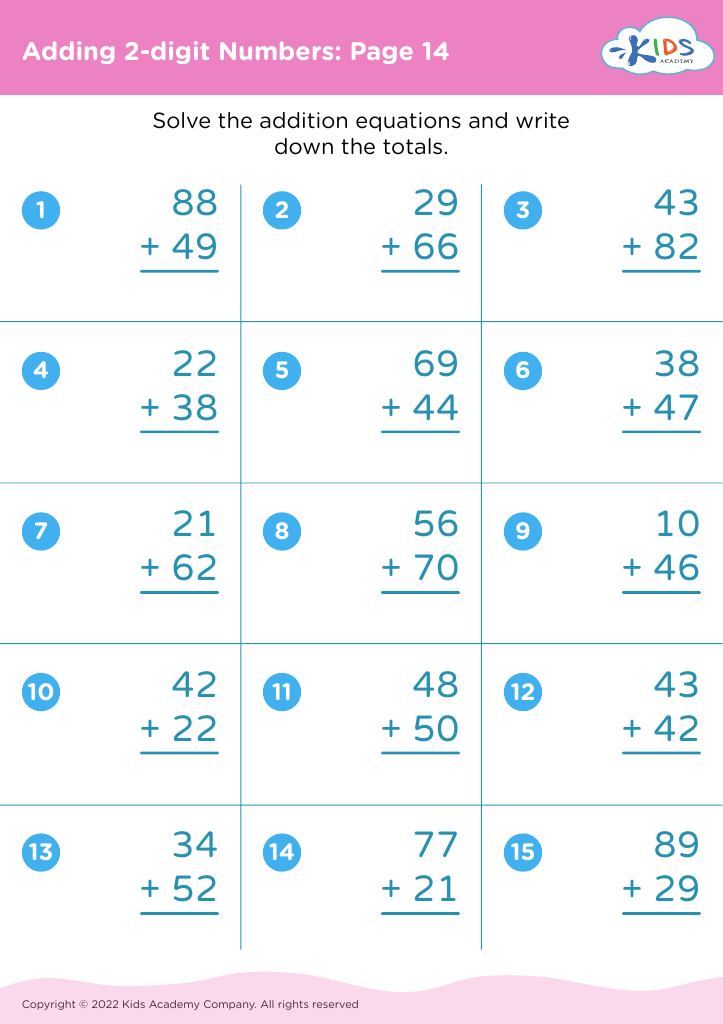
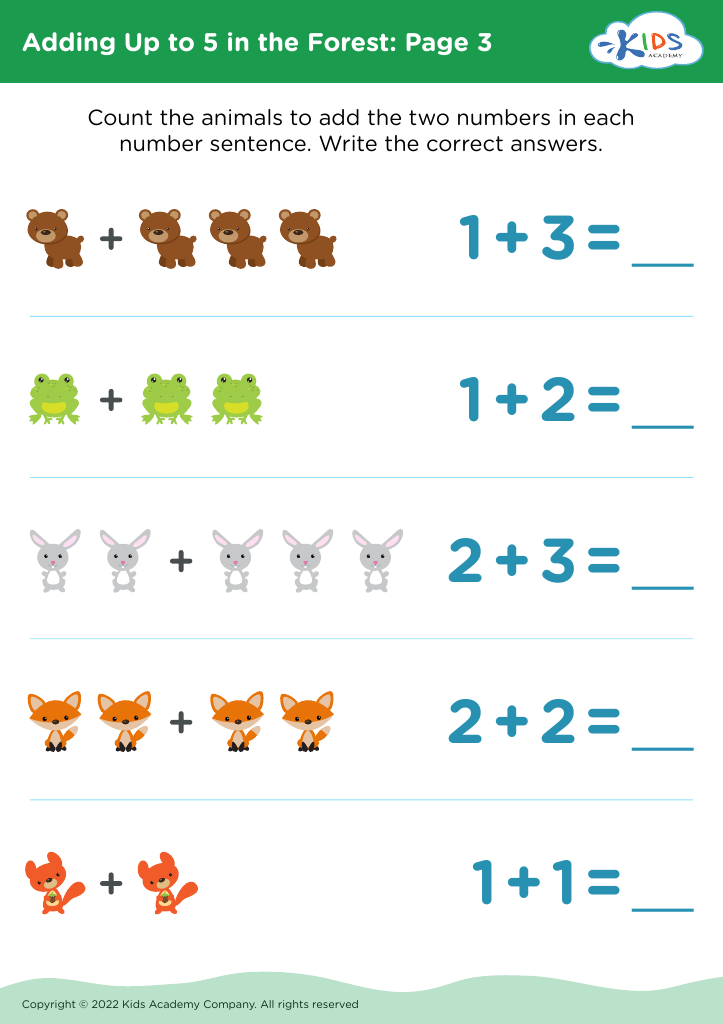
Our "Understanding Equality Addition & Subtraction Worksheets for Ages 4-7" help young learners grasp essential math concepts in a fun, engaging way. Designed for children ages 4-7, these worksheets introduce foundational skills in addition and subtraction, focusing on the concept of equality. With colorful designs and practical exercises, kids practice balancing equations, comparing quantities, and developing critical problem-solving abilities. Perfect for both classroom and at-home learning, these resources ensure that your child confidently masters the basics of math while having fun along the way. Empower your child with our interactive worksheets and watch their math abilities flourish!
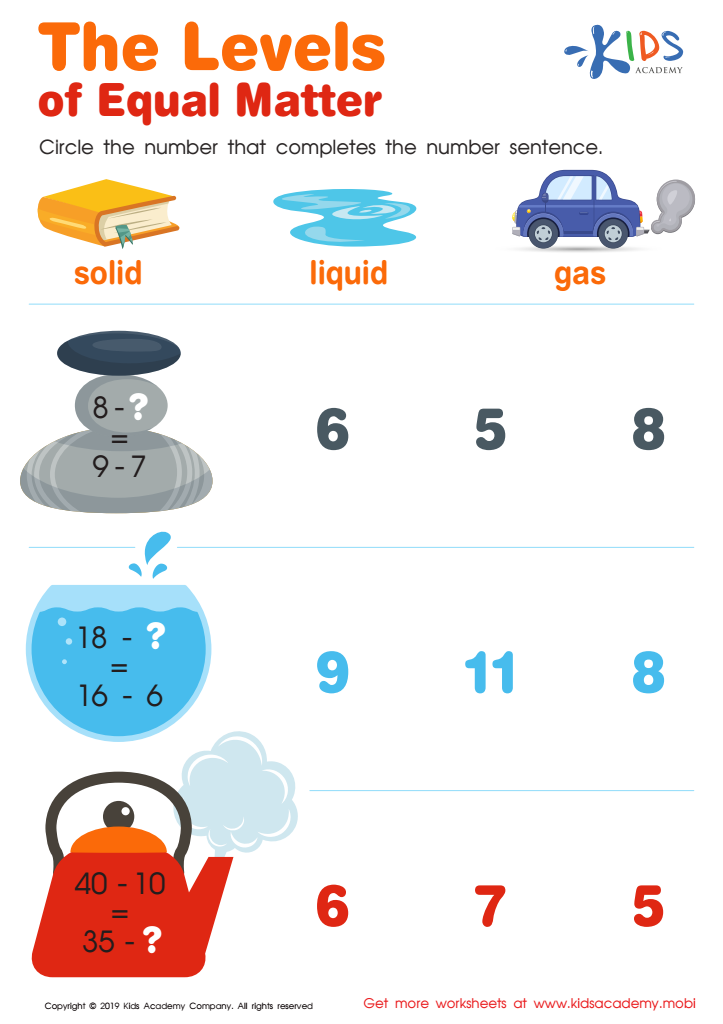
The Levels of Equal Matter Worksheet
 Assign to My Students








Understanding equality in addition and subtraction for children ages 4-7 is crucial for several developmental and educational reasons. At this formative age, kids are building the foundational skills that will support their future learning in mathematics and other subjects. Learning these basic arithmetic concepts can bolster a child's confidence in their problem-solving abilities and foster a positive attitude toward learning.
Equality in addition and subtraction is not just about knowing that 3 + 2 equals 5 or that 7 - 2 equals 5; it's about grasping the concept that quantities and numbers represent values that can be manipulated logically. When children understand these principles at a young age, they begin to appreciate the consistency and reliability of math, which helps improve their reasoning skills. Additionally, mastering these basic concepts is essential for tackling more complex mathematical operations in later grades, such as multiplication, division, and algebra.
Educators who prioritize understanding equality in math likely see greater overall academic success among their students, as these skills are integral to standardized testing and everyday problem-solving. Parents who focus on these skills set their children up for long-term success and active engagement in their educational journey. Overall, understanding equality in addition and subtraction promotes cognitive development, practical application, and academic readiness.








