Understanding number values Addition & Subtraction Worksheets for Ages 4-7
3 filtered results
-
From - To
Explore our “Understanding Number Values Addition & Subtraction Worksheets” designed specifically for children aged 4-7. These engaging worksheets help young learners develop essential math skills by reinforcing their understanding of number values through fun activities. By practicing addition and subtraction in an interactive manner, kids will strengthen their foundational math abilities while enjoying the process. Each worksheet is crafted to cater to different learning styles, ensuring a comprehensive approach to math education. Perfect for classroom or home use, these resources support early numeracy skills, making math both enjoyable and effective for young minds. Start building strong mathematical foundations today!
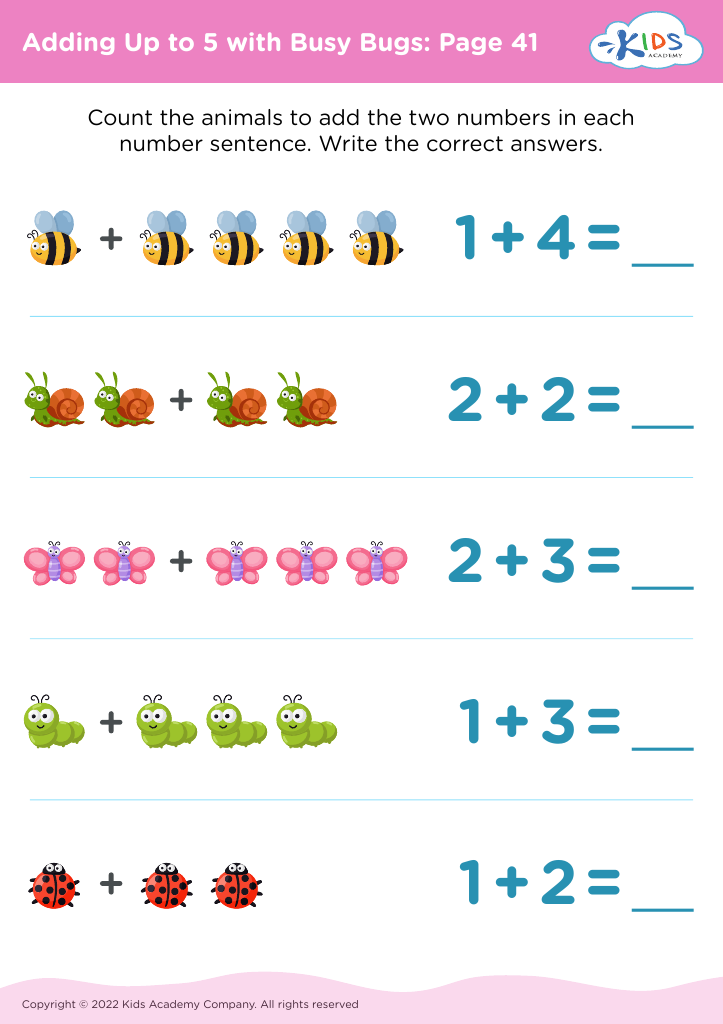
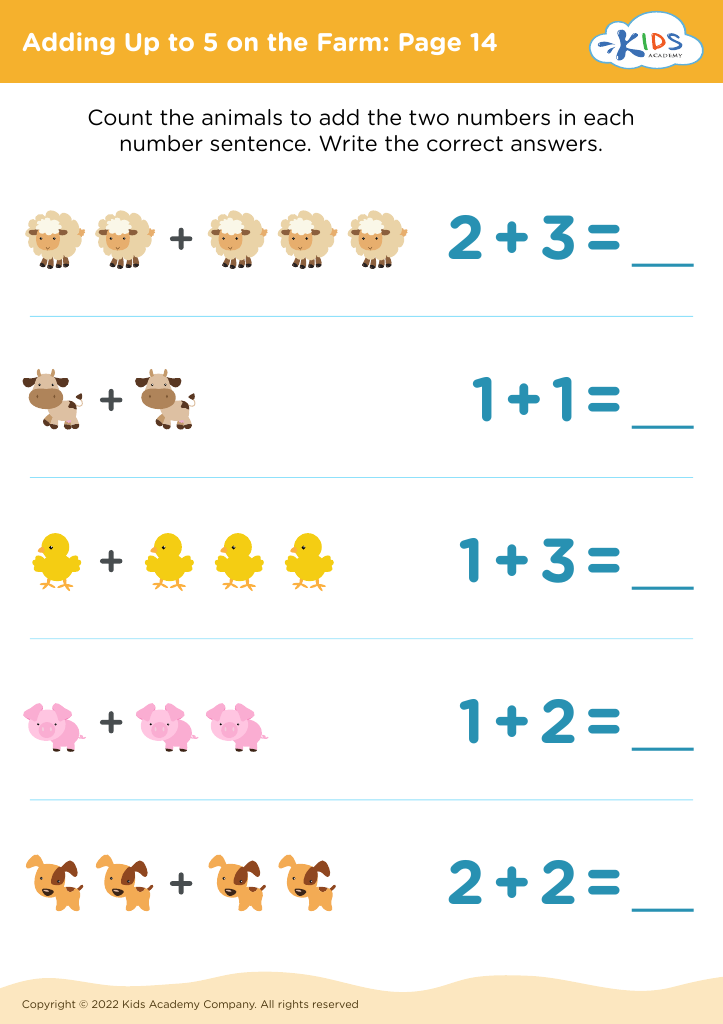
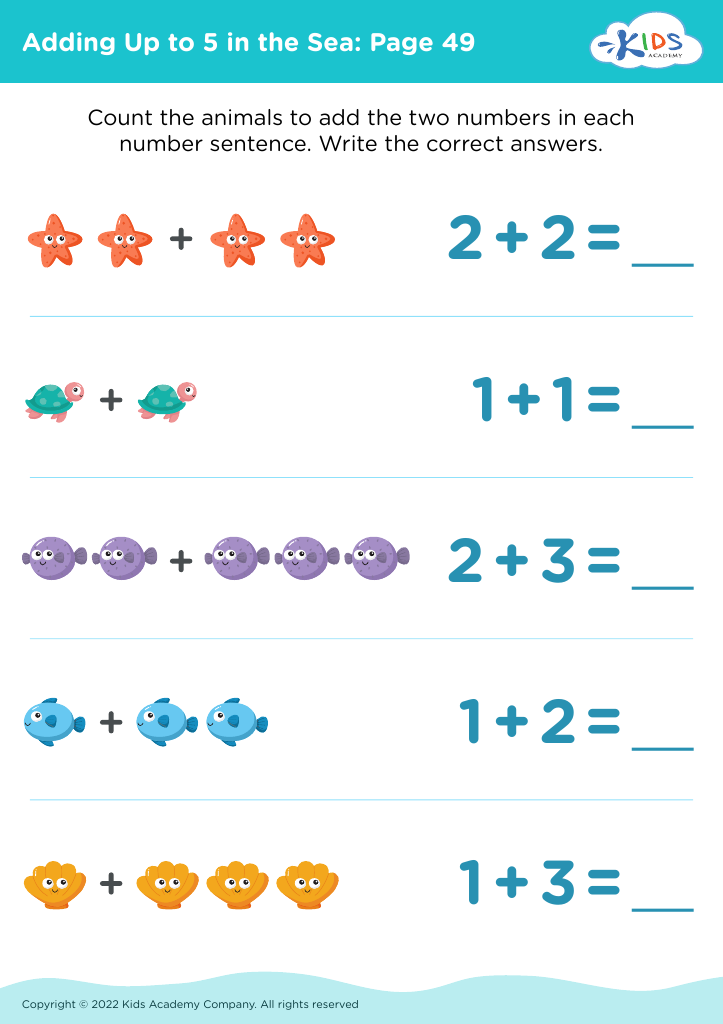








Understanding number values and the basic concepts of addition and subtraction is crucial for children aged 4-7 because these foundational skills serve as the building blocks for their future mathematical learning. At this stage, children are developing their cognitive skills and introducing them to numerical concepts can spark an interest in mathematics that lasts a lifetime.
When parents and teachers prioritize number values, children learn to recognize quantities and understand place values, which helps them grasp how numbers relate to the world around them. This understanding of addition and subtraction is essential for daily problem-solving and critical thinking, enabling youngsters to tackle tasks, whether it’s counting toys, sharing snacks, or understanding money.
Moreover, mastering these concepts boosts confidence. Children who feel adept at math are more likely to participate actively in lessons, fostering a positive attitude towards learning.
By emphasizing number values through engaging methods such as play, real-life applications, and interactive activities, educators create an enriching learning environment where children thrive. It’s key for parents and teachers to collaborate in this learning journey, ensuring children feel supported as they build their math skills, propelling them toward academic success and continued curiosity in discovering the world of numbers.








