Understanding numerical values Addition & Subtraction Worksheets for Ages 4-7
4 filtered results
-
From - To
Discover our engaging "Understanding Numerical Values" addition and subtraction worksheets designed specifically for children ages 4-7. These worksheets help young learners familiarize themselves with basic numbers and mathematical operations through interactive and visually stimulating activities. From colorful illustrations to fun exercises, kids will enhance their understanding of numerical values while building essential math skills. Each worksheet is thoughtfully crafted to encourage hands-on learning and critical thinking, making math enjoyable for early learners. Perfect for classroom settings or at-home practice, these resources support foundational numeracy, setting the stage for future academic success. Help your child master math concepts today!
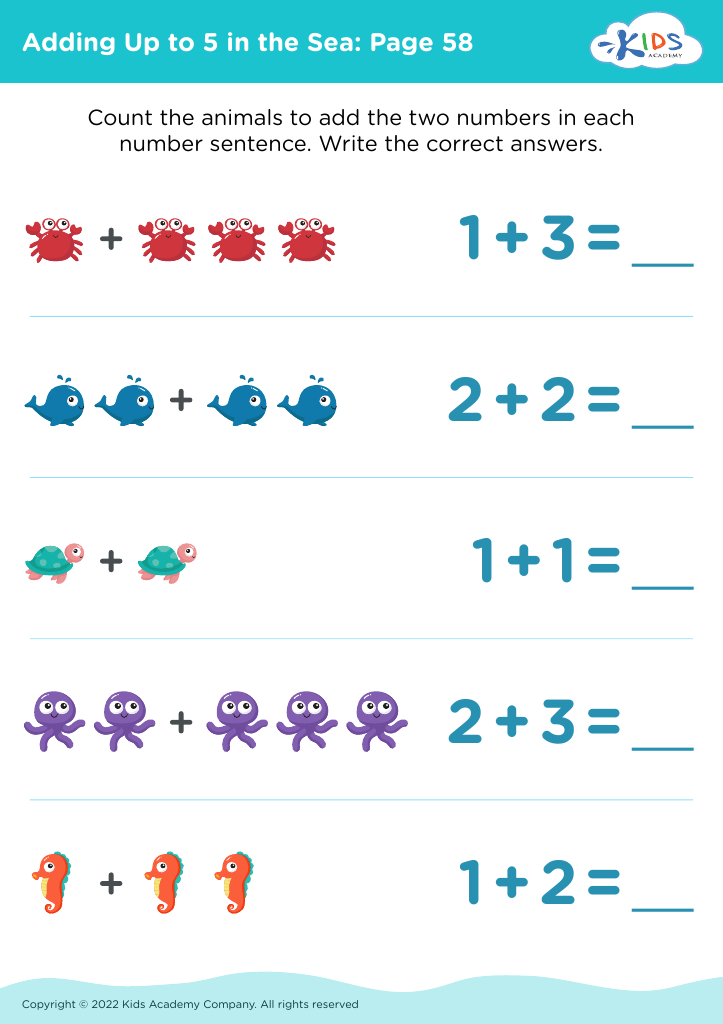
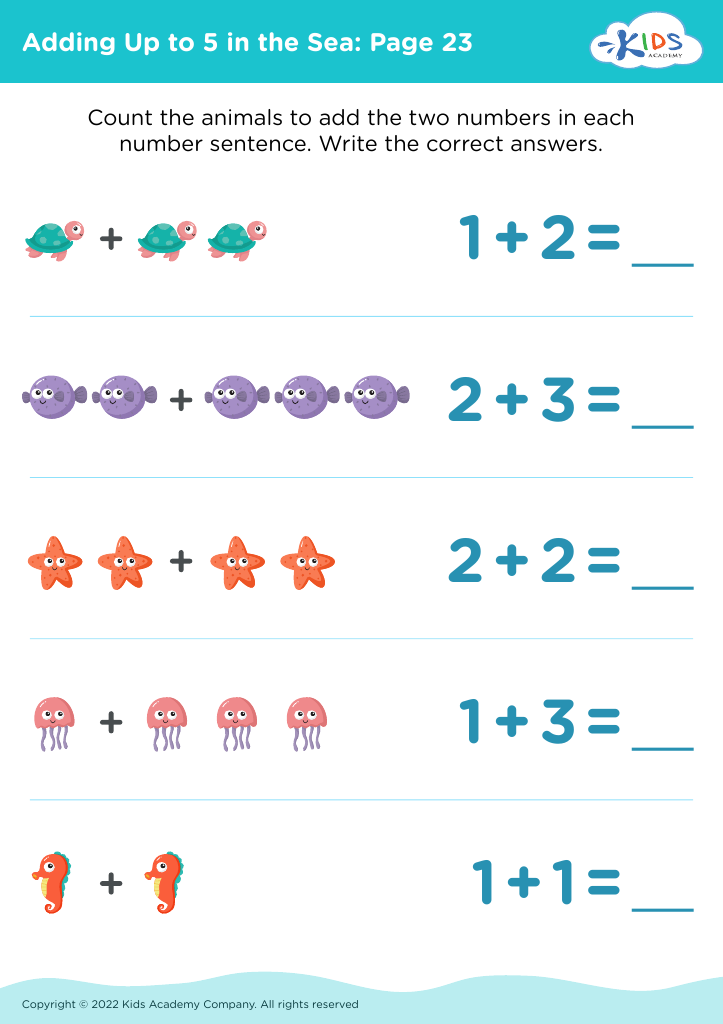
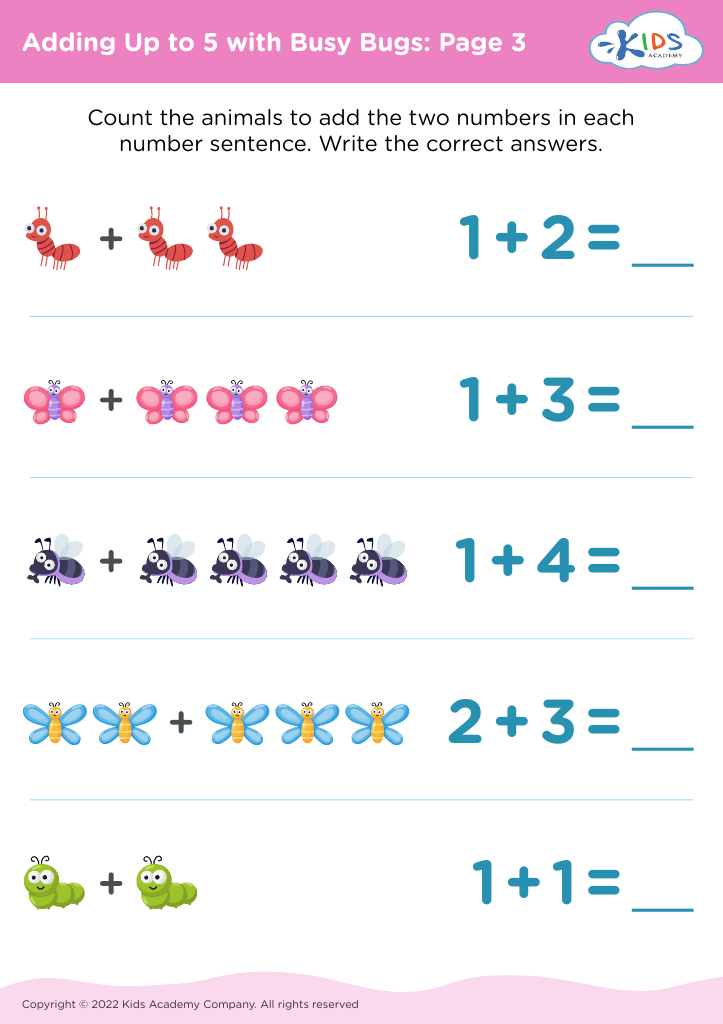
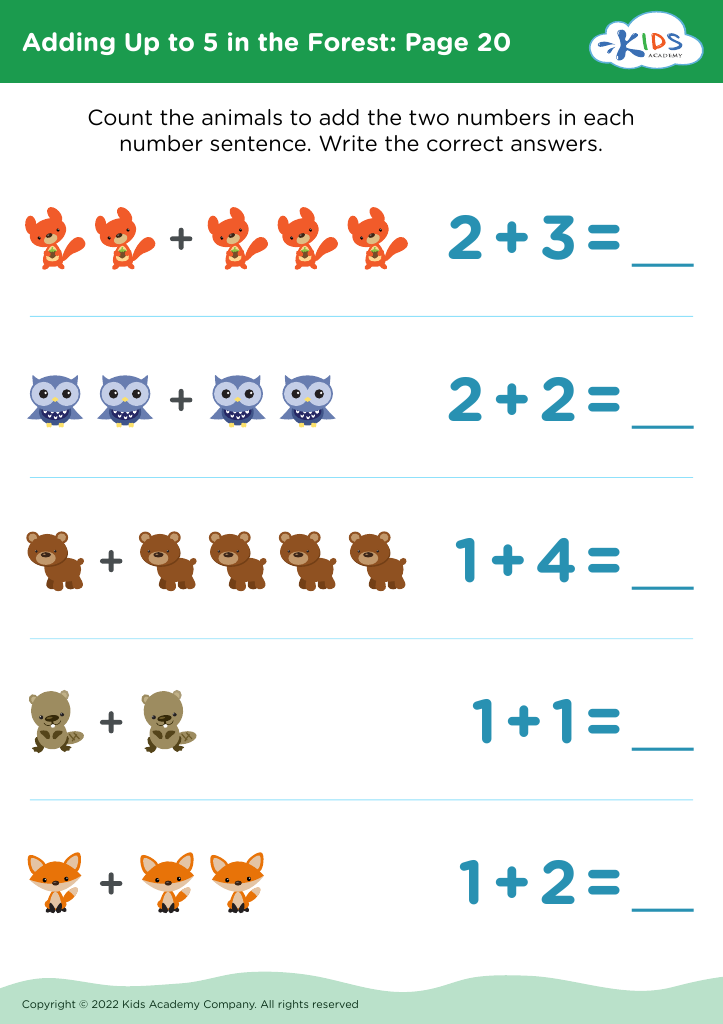








Understanding numerical values and mastering addition and subtraction is crucial for children aged 4-7, setting the foundation for their mathematical development and overall cognitive skills. At this age, children are naturally curious and eager to learn, making it a prime time for early mathematical instruction. Grasping these concepts helps kids develop critical problem-solving abilities as well as promote logical reasoning.
Moreover, early mastery of addition and subtraction supports children's ability to handle everyday situations, such as counting objects, sharing equally, and understanding simple transactions. This knowledge fosters confidence and independence as they navigate social interactions and real-life scenarios.
For parents and teachers, promoting a strong grasp of these fundamentals contributes to better academic performance in future math-related subjects. As children progress through grades, they will encounter more complex mathematical concepts that build upon these early skills. Encouraging a positive attitude toward math during this formative period helps reduce math anxiety and builds a lifelong appreciation for learning.
Ultimately, prioritizing the understanding of numerical values and basic operations lays the groundwork for future academic success, encouraging children to become curious, capable, and confident learners.








