Basic arithmetic practice Addition Worksheets for Ages 4-7
12 filtered results
-
From - To
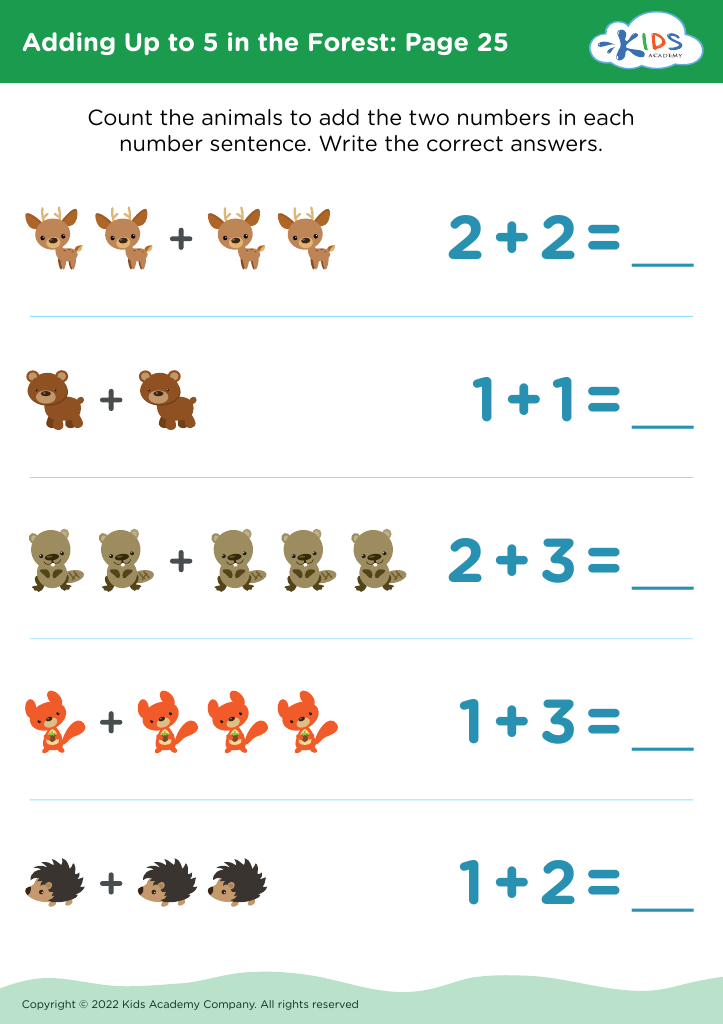
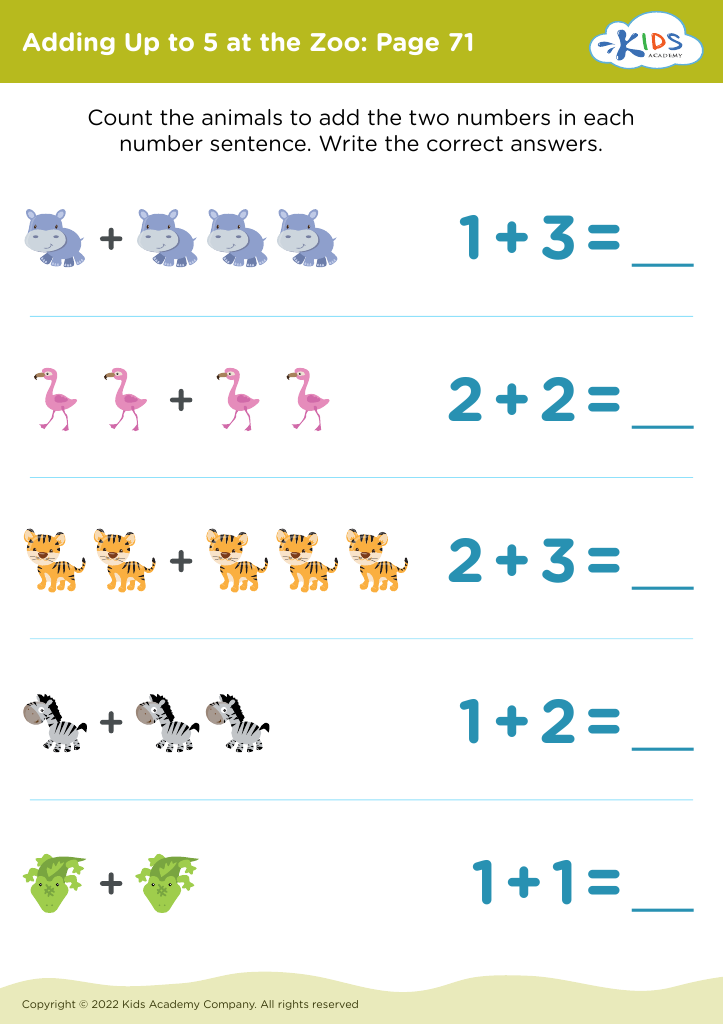
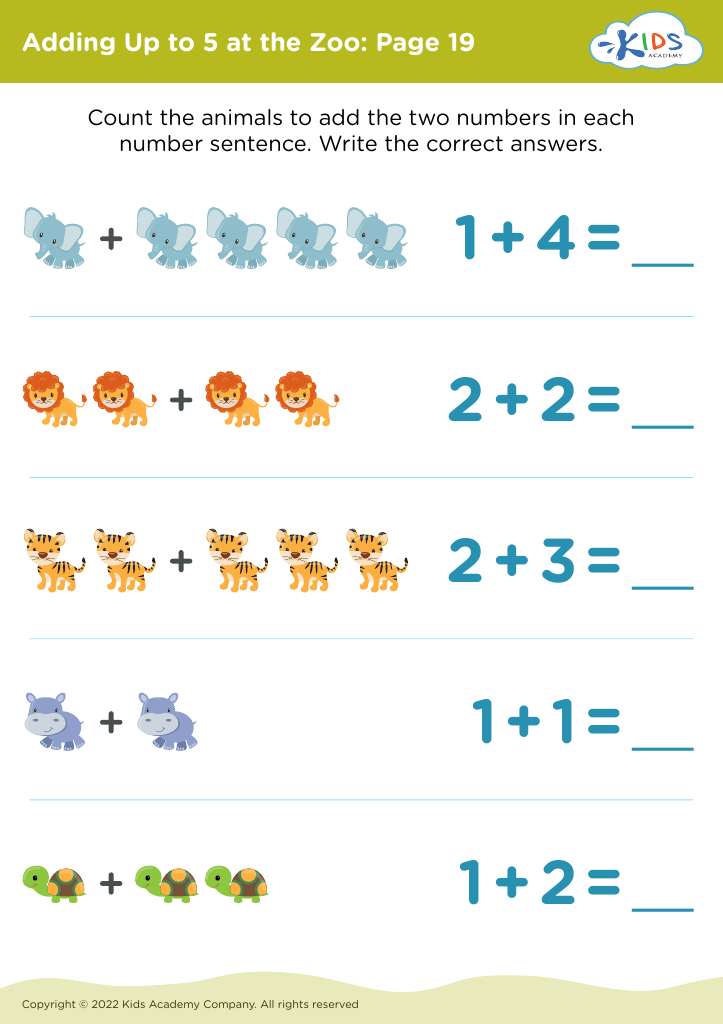
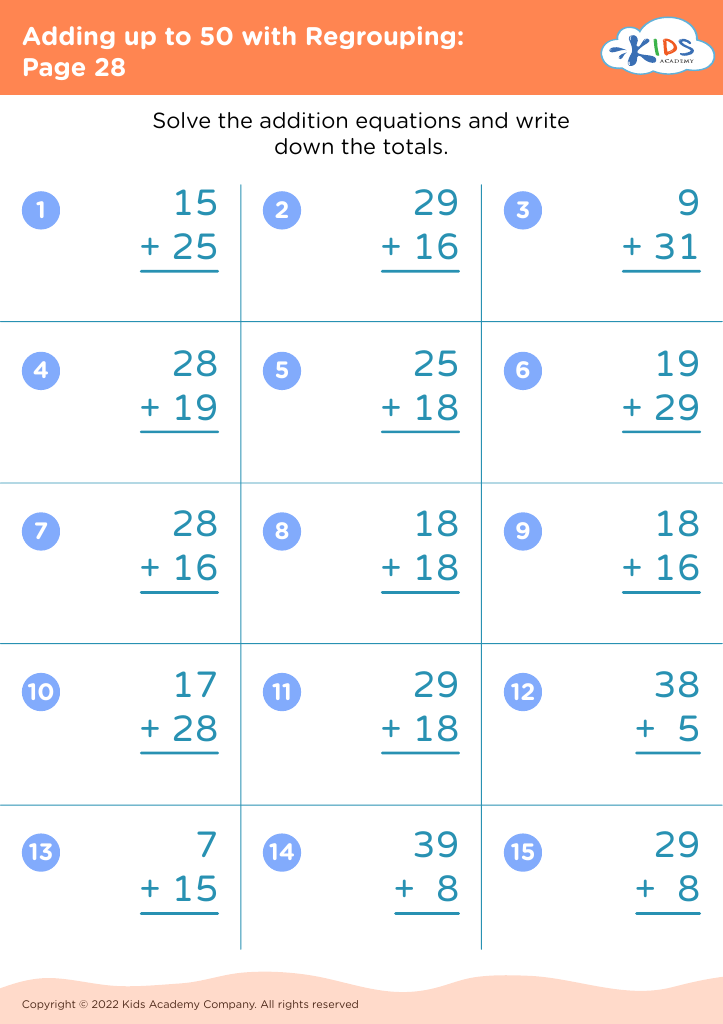
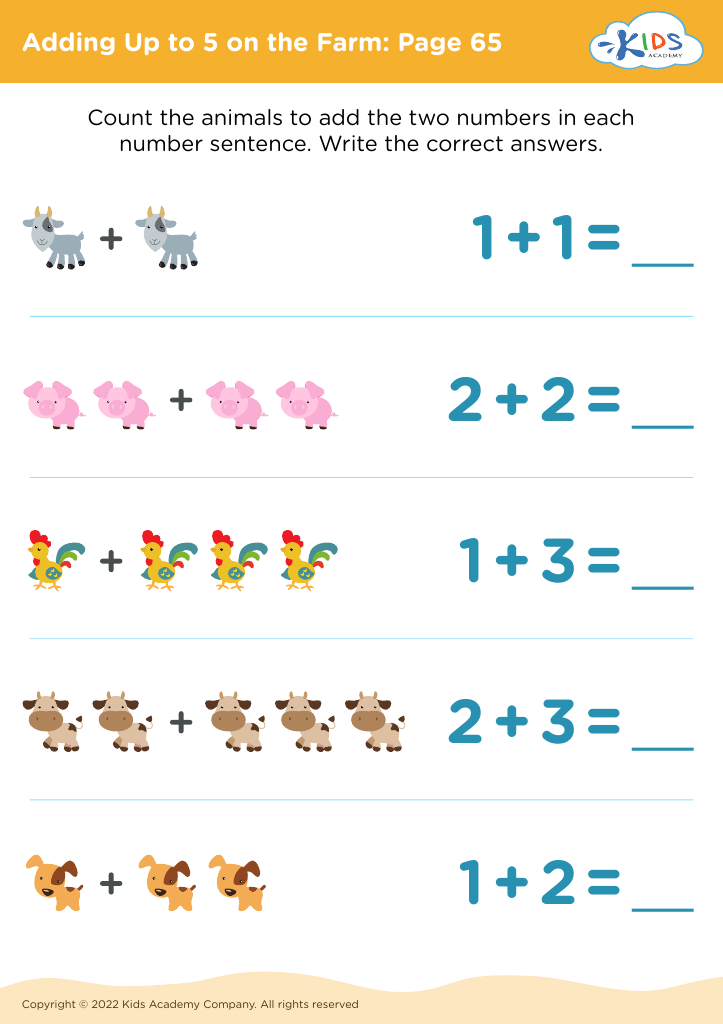
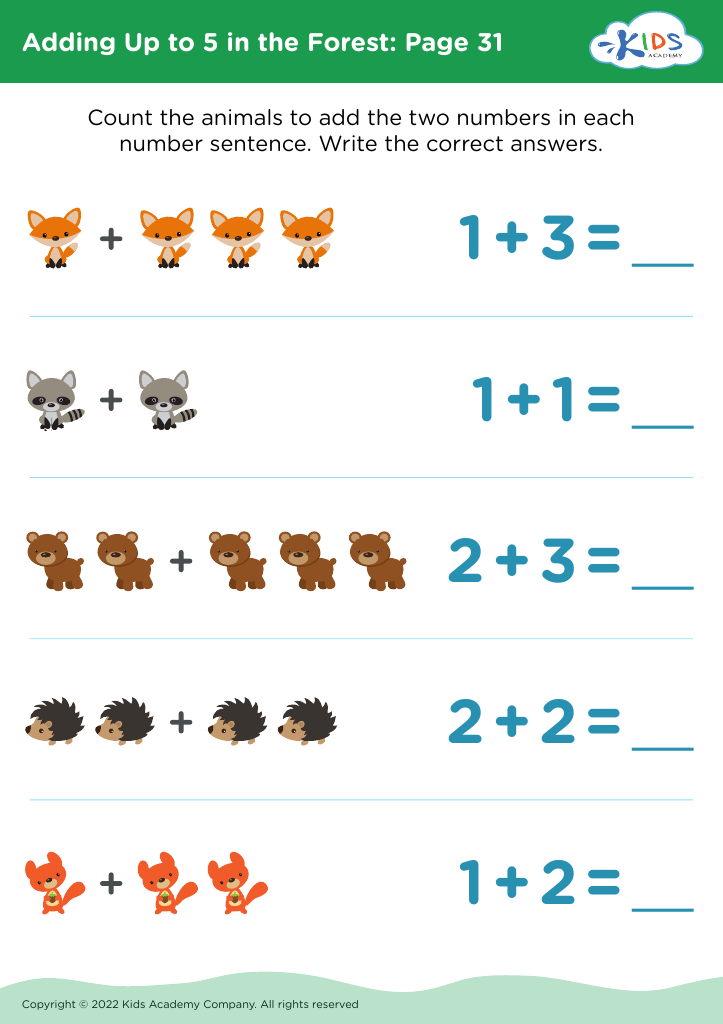
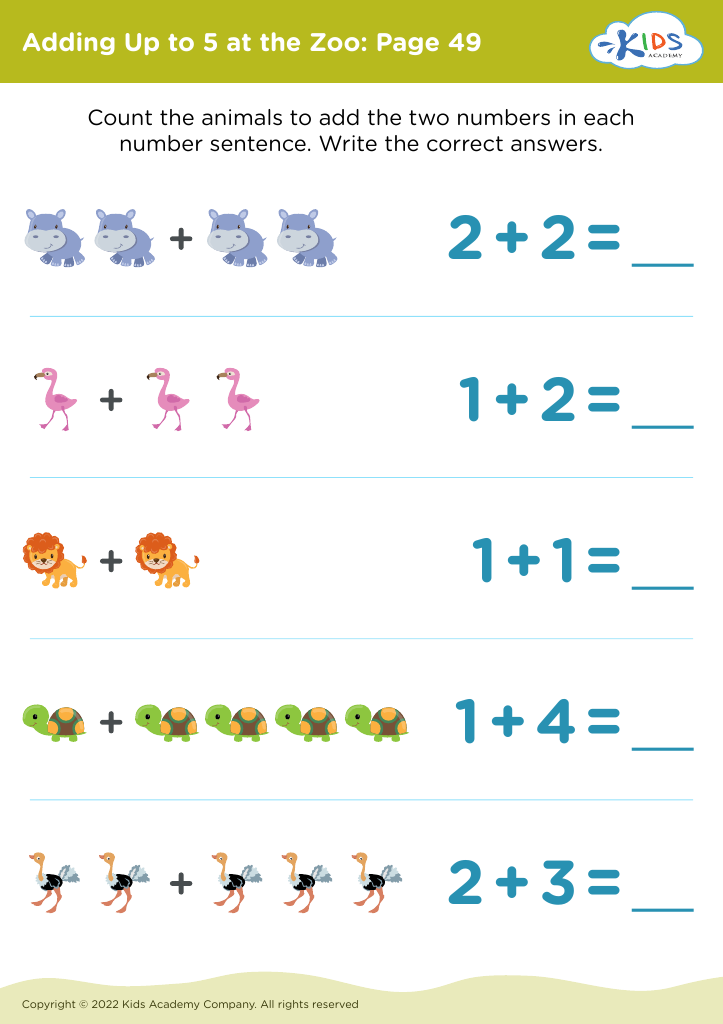
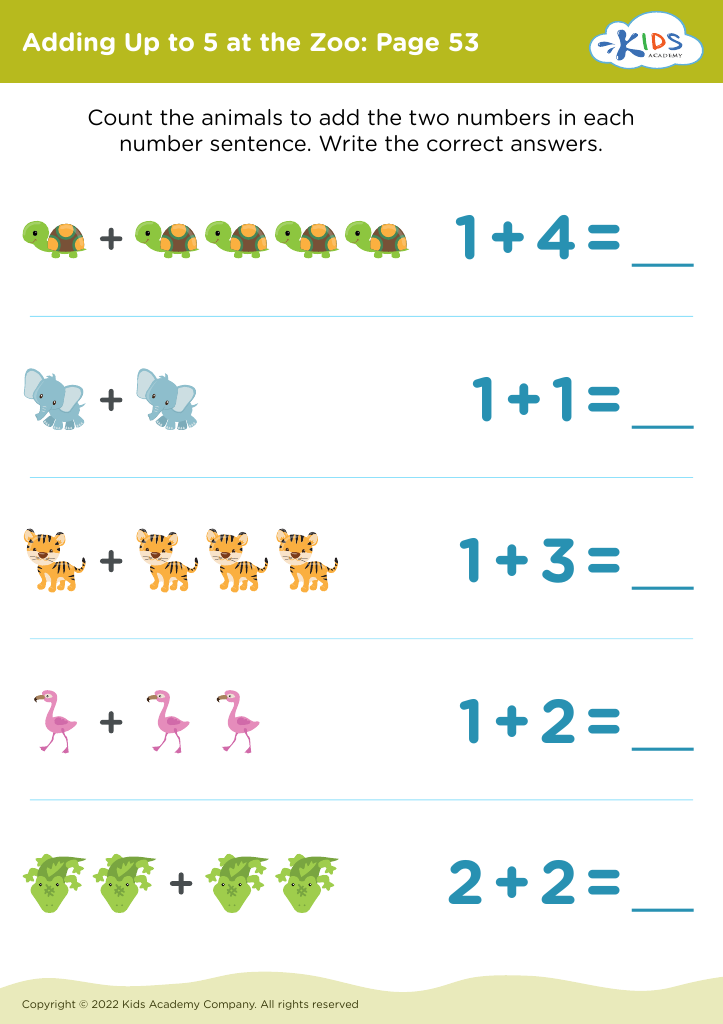
Our Basic Arithmetic Practice Addition Worksheets for ages 4-7 are designed to build a solid arithmetic foundation for young learners. These engaging and colorful worksheets make learning fun and effective, turning addition practice into an exciting challenge. Each worksheet caters to the developmental stages of early childhood, offering age-appropriate tasks that gradually increase in difficulty. By enhancing counting skills and number sense, our worksheets boost children's confidence and competence in math. Perfect for parents and teachers alike, these printable worksheets support classroom learning and provide valuable practice at home, ensuring children master essential addition skills with ease and enthusiasm.
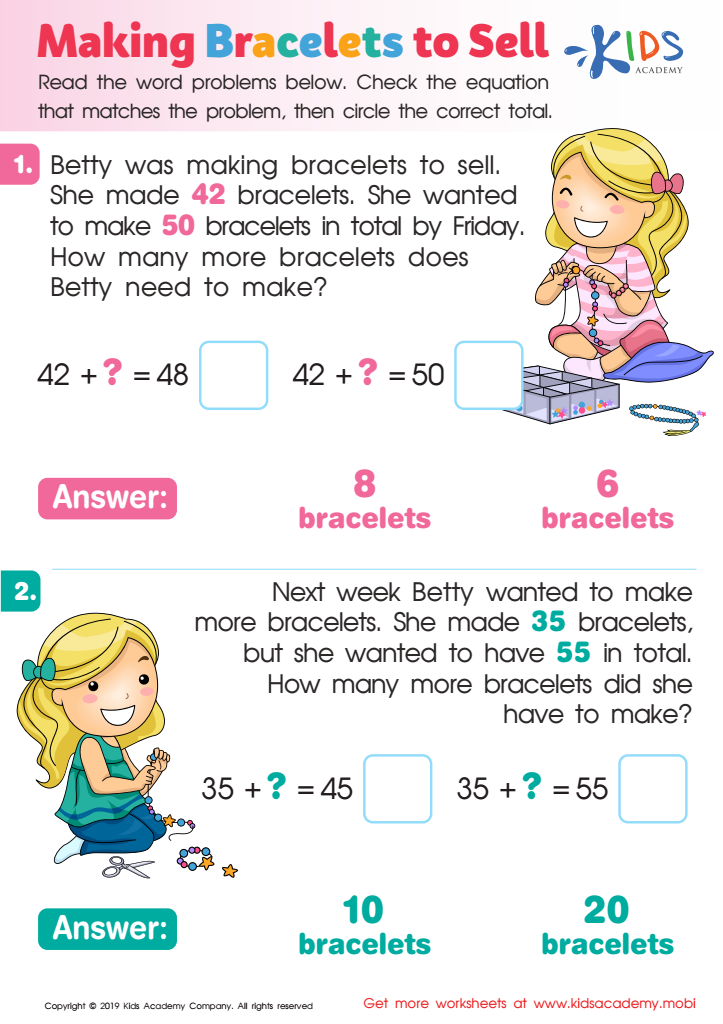
Making Bracelets to Sell Worksheet
 Assign to My Students
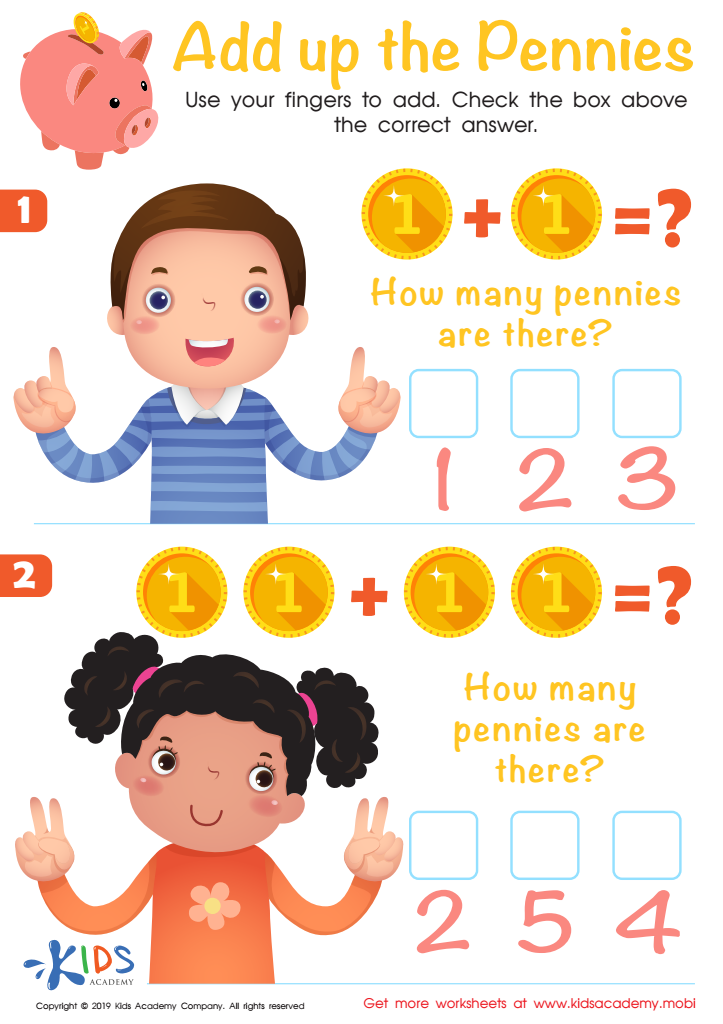
Add up the Pennies Worksheet




.jpg)



Parents and teachers should prioritize basic arithmetic practice, particularly addition, for children aged 4-7 because it lays the foundation for all future math learning and is crucial for developing essential life skills. In early childhood, the brain is highly receptive to learning new concepts, and mastering addition at this stage helps to build confidence and interest in mathematics. Addition is the most fundamental arithmetic operation, and understanding it supports the comprehension of more advanced math concepts like subtraction, multiplication, and division.
Engaging in regular addition practice enhances a child's number sense, which is the ability to understand, relate, and connect numbers. This foundational skill is critical for problem-solving, logical reasoning, and making judgments based on numerical information. Additionally, early success in arithmetic fosters a positive attitude toward learning and reduces the likelihood of math anxiety, which can impede academic progress.
Incorporating fun and interactive addition activities at home or in the classroom can enhance learning experiences, making math more approachable and enjoyable. Simple games, real-life applications, and visual aids can turn practice into enjoyable sessions that stimulate cognitive development. By instilling strong arithmetic skills early on, parents and teachers effectively equip children with the tools they need for both academic success and everyday life decisions.








