
Color recognition Addition Worksheets for Ages 4-7
10 filtered results
Difficulty Level
Grade
Age
-
From - To
Subject
Activity
Standards
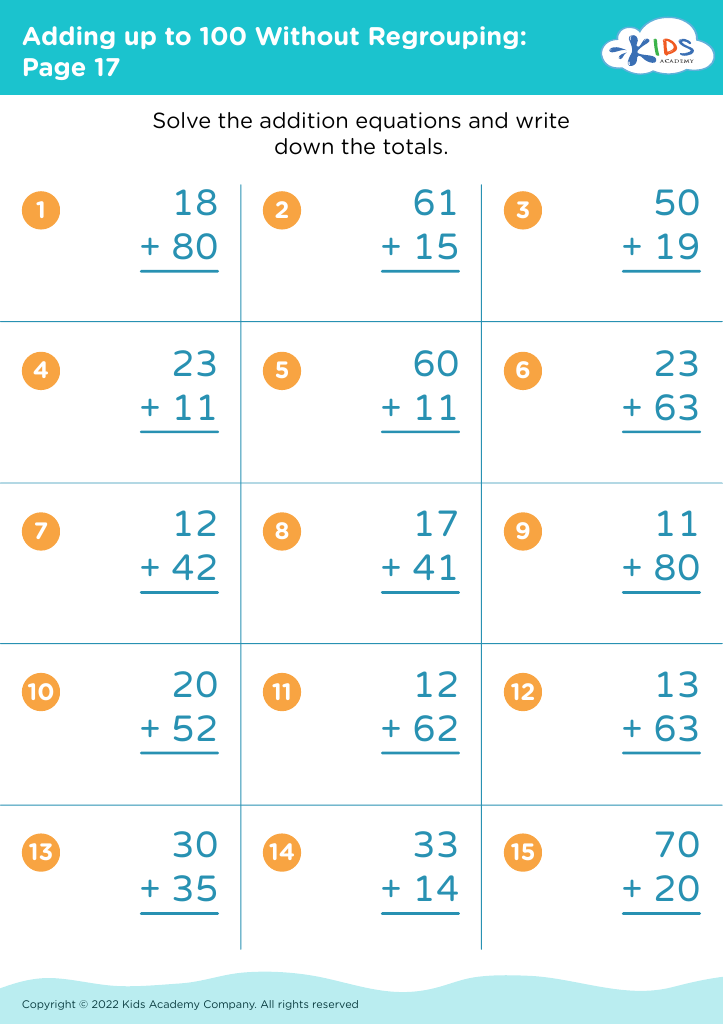
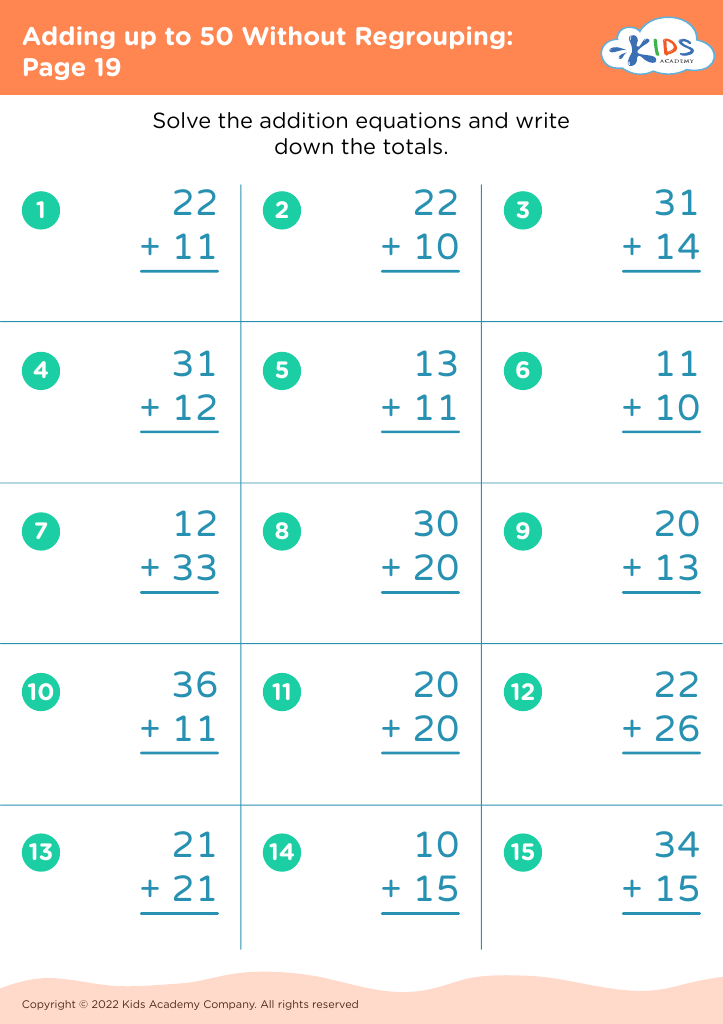
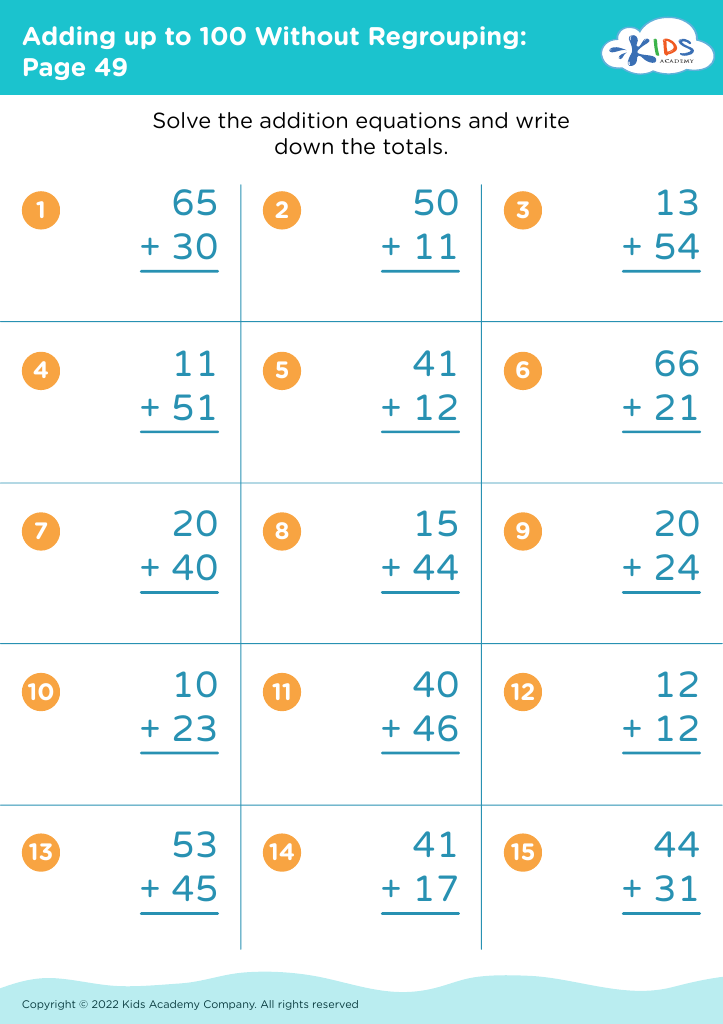
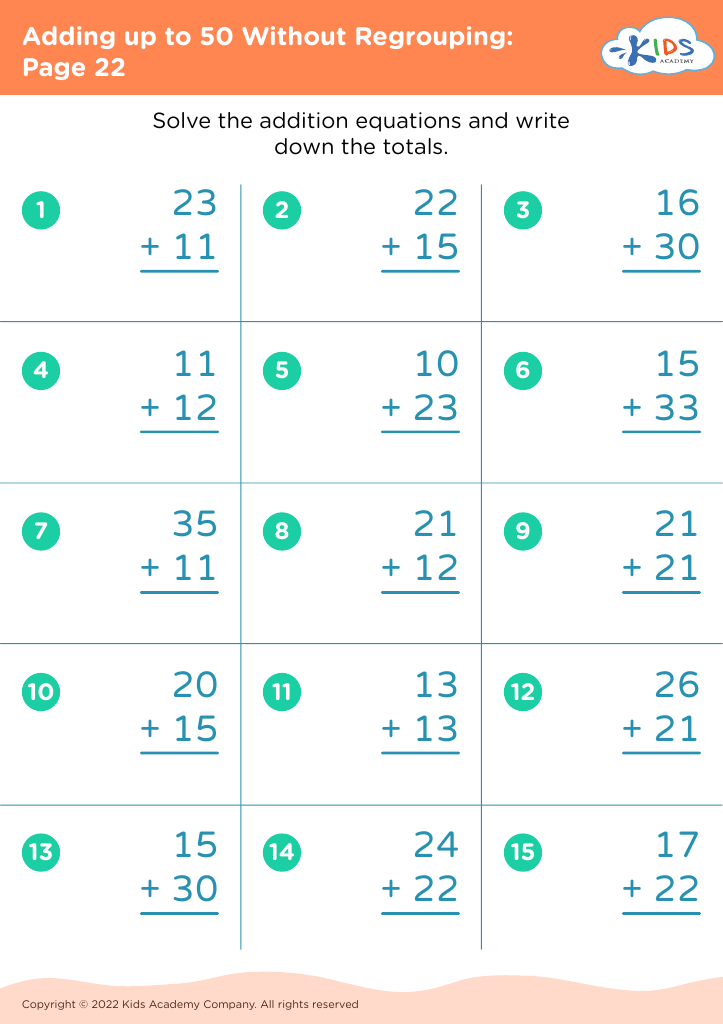
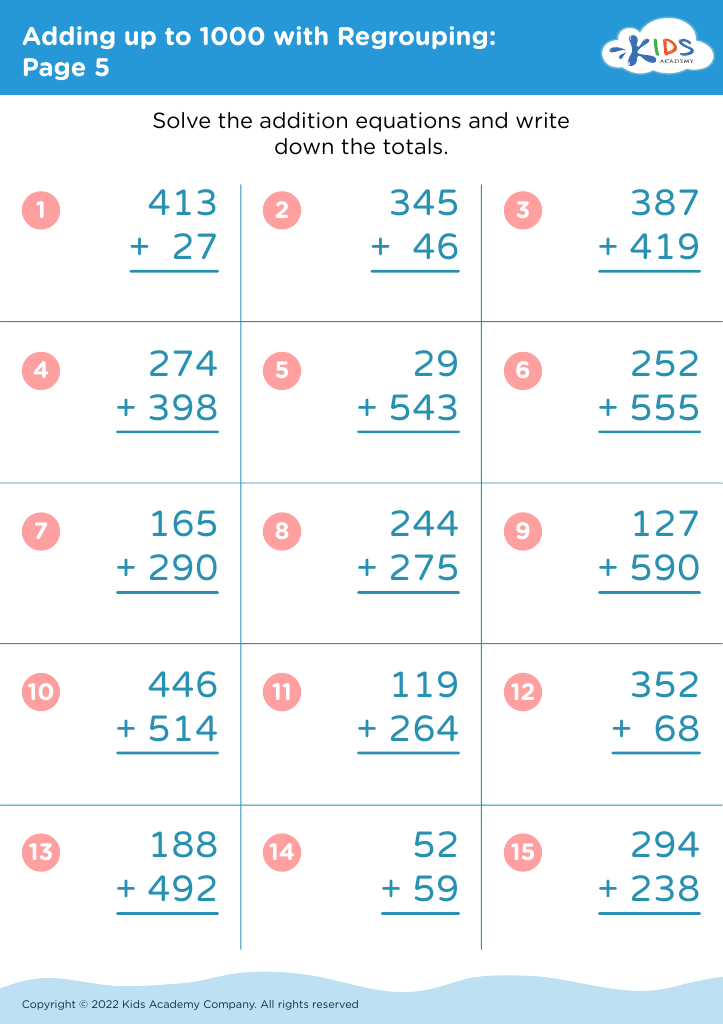
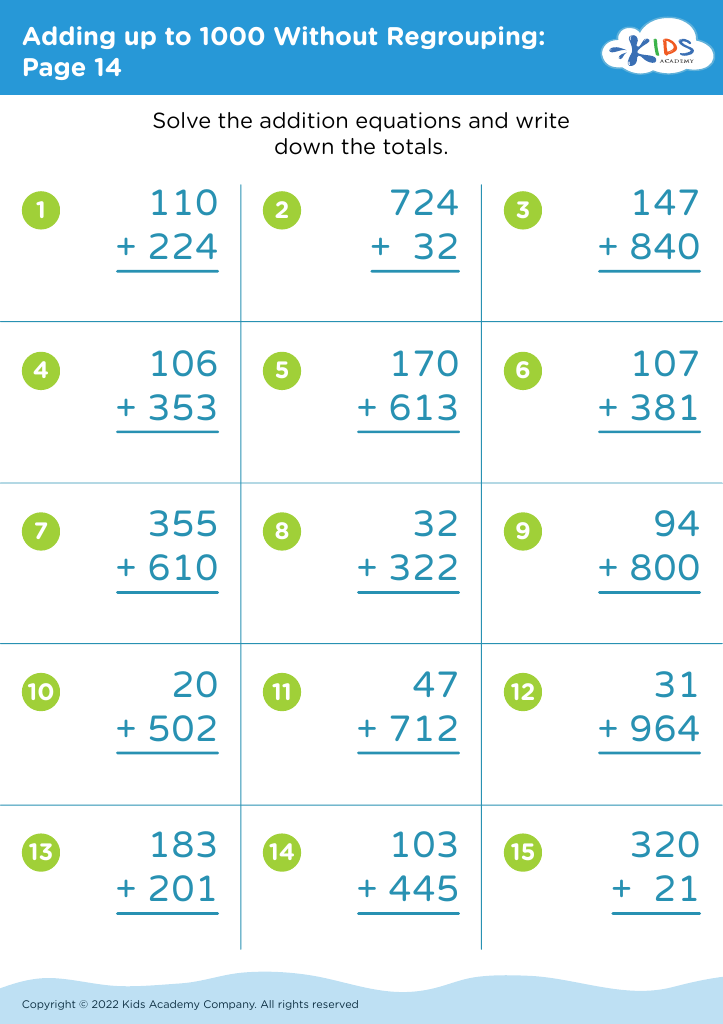
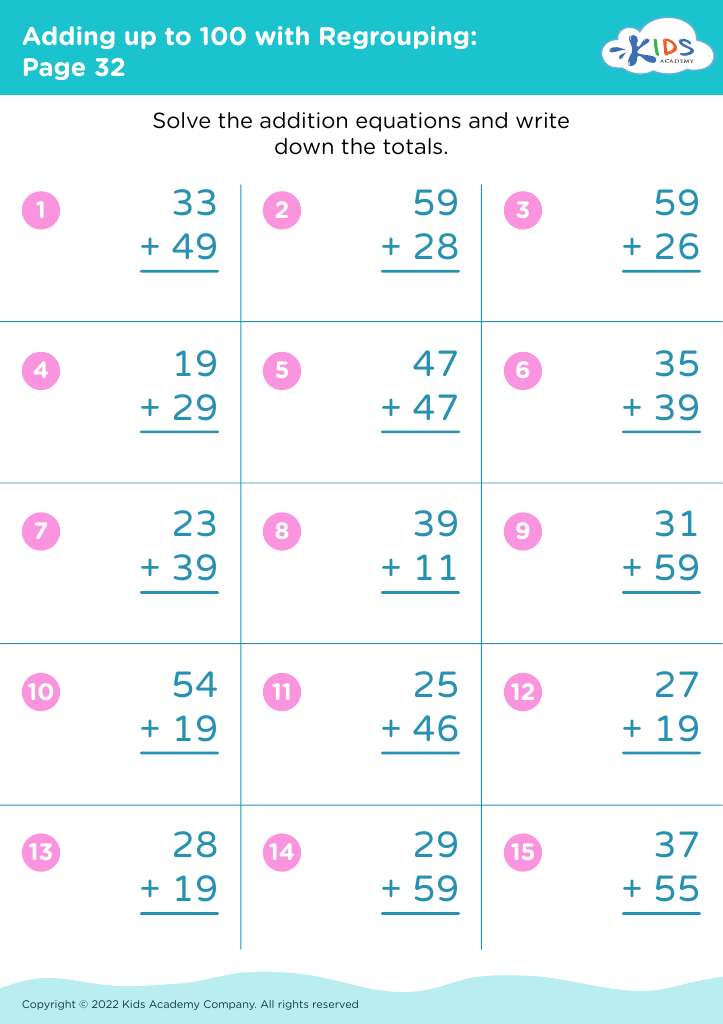
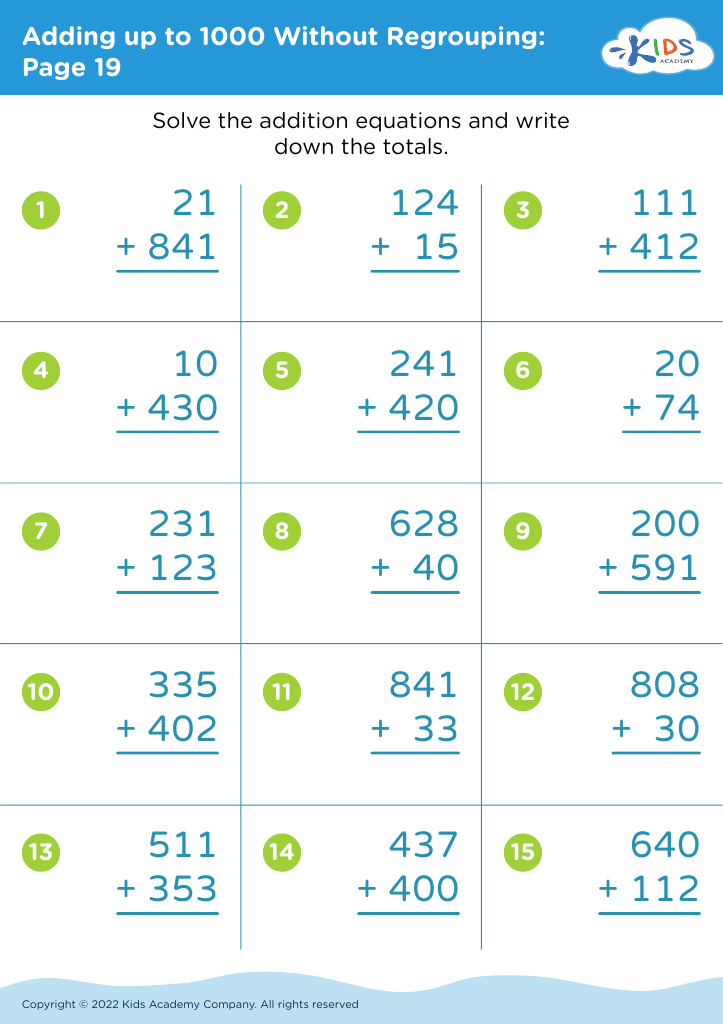
Introduce your young learners to the joy of math with our Color Recognition Addition Worksheets for Ages 4-7. Designed to combine essential color recognition with early addition skills, these engaging worksheets make learning fun and interactive. Each page features colorful, vibrant graphics and simple addition problems crafted to suit the developing minds of young children. As they color and add, kids enhance their cognitive abilities and gain confidence with numbers and colors. Perfect for use at home or in the classroom, ensure your child builds a solid foundation in both math and color identification with our expertly designed worksheets.
Favorites
With answer key
Interactive
Join Kids Academy for Free
Who is primarily going to use this learning content?







Color recognition and addition are foundational skills that significantly impact a child's cognitive development, making it essential for parents and teachers to prioritize them for children aged 4-7. Strong color recognition provides kids with one of their earliest ways of understanding and categorizing the world. By differentiating between colors, children develop observational skills, enhance their vocabulary, and improve their ability to follow instructions. Kids use colors to describe objects, express emotions, and navigate their surroundings, assisting in overall cognitive and socio-emotional growth.
Introducing addition early opens the door to fundamental arithmetic skills. At this age, children are like sponges, absorbing information rapidly. Learning addition not only equips them with quantifiable reasoning abilities but also strengthens memory, attention, and problem-solving skills. Furthermore, incorporating colors into addition exercises makes learning interactive and engaging, capturing a child's attention and aiding in the retention of concepts. Recognizable patterns (e.g., red apples + yellow bananas = a colorful fruit salad) make abstract math challenges tangible and practical.
In essence, the harmonious blend of color recognition and addition stimulates holistic development—cognitive, linguistic, mathematical, and emotional—all of which lay down a robust foundation for academic success and everyday functioning. This is why parents and teachers should proactively nurture these skills during early childhood years.








