
Develop inference skills Addition Worksheets for Ages 4-7
3 filtered results
Difficulty Level
Grade
Age
-
From - To
Subject
Activity
Standards
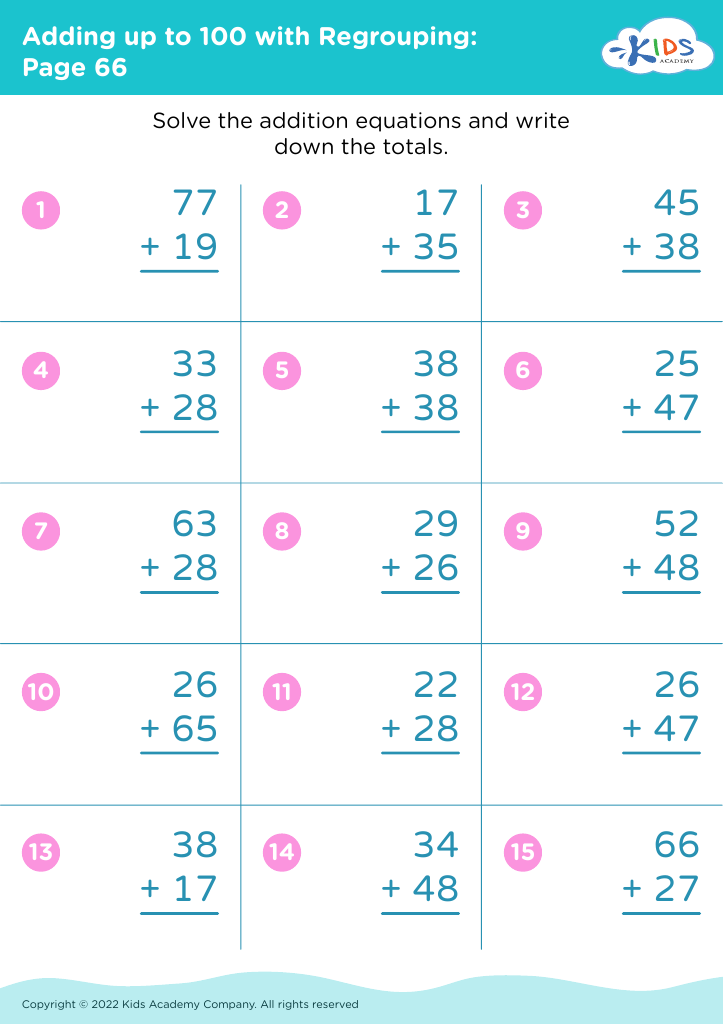
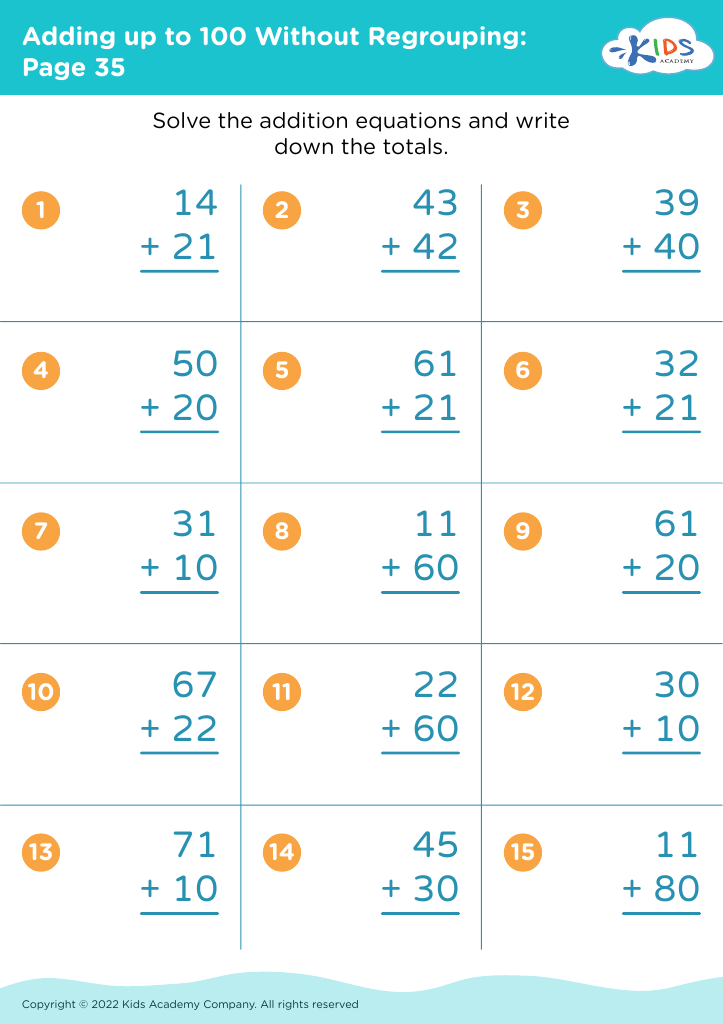
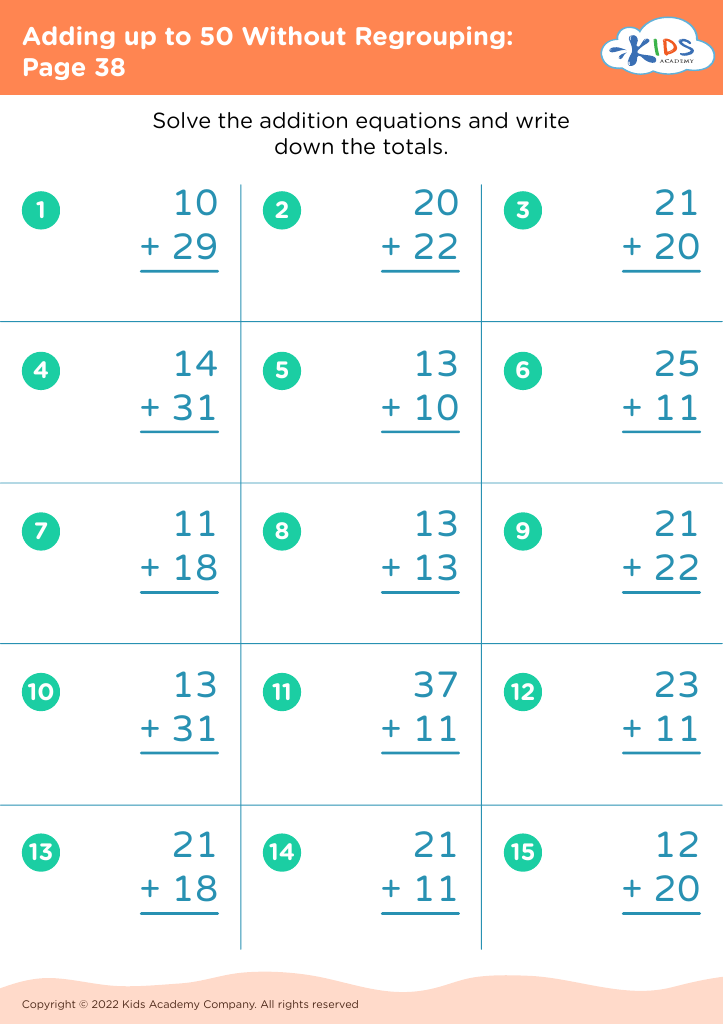
Enhance your child's mathematical and critical thinking abilities with our "Develop Inference Skills Addition Worksheets" designed for ages 4-7. These engaging worksheets combine fun addition problems with the development of essential inference skills, allowing young learners to draw logical conclusions and deepen their understanding of concepts. Through colorful illustrations and age-appropriate challenges, children will learn to analyze information carefully to solve addition problems effectively. Perfect for both classroom and home use, these worksheets are a valuable resource to promote logical reasoning and mathematical fluency, setting a strong foundation for future learning success. Foster your child's growth with our expertly crafted materials.
Favorites
With answer key
Interactive
Join Kids Academy for Free
Who is primarily going to use this learning content?








Developing inference skills at an early age, specifically between the ages of 4-7, is vital for both parents and teachers to understand, as it forms a foundational aspect of fundamental learning processes and overall cognitive development. Inference skills help children interpret information that is not explicitly stated, allowing them to "read between the lines" and derive meaning based on context. This ability significantly enhances comprehension abilities, equipping young learners to perform better in reading, which is a critical skill across all subjects.
Engaging children in inferential thinking encourages curiosity and critical thinking, fostering an environment where questioning and exploration are valued. This not only aids in academic settings but in everyday social situations as well, improving the child’s ability to understand and respond to nuanced social cues and emotional expressions. As children interpret behaviors and scenarios, their empathy and social interaction skills mature, promoting healthier interpersonal relationships.
Implementing this skill set involves playful and educational activities like storytelling, reading picture books, and role-playing, where children guess outcomes or motives. Encouraging this skill at an early age sets a robust platform for complex problem solving, enhancing their abilities to infer, hypothesize, and reflect—crucial components for lifelong learning and personal development.








