Filters

56 filtered results

Clear all filters
Favorites
With answer key
Interactive

56 filtered results

Difficulty Level

Grade


Check out this FREE Trial Lesson on Addition for age 4-7!

A

Favorites
With answer key
Interactive
  • 4-7
  • Fraction simplification
  • Addition
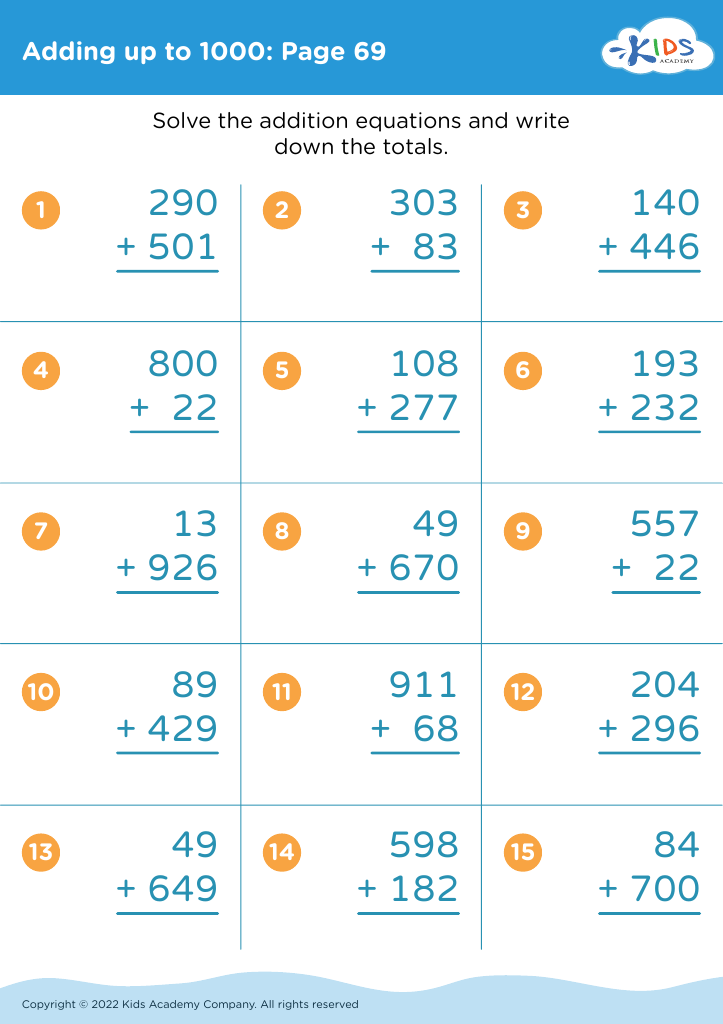
Adding up to 1000: Page 69

Adding up to 1000: Page 69

Adding up to 1000: Page 69
Worksheet
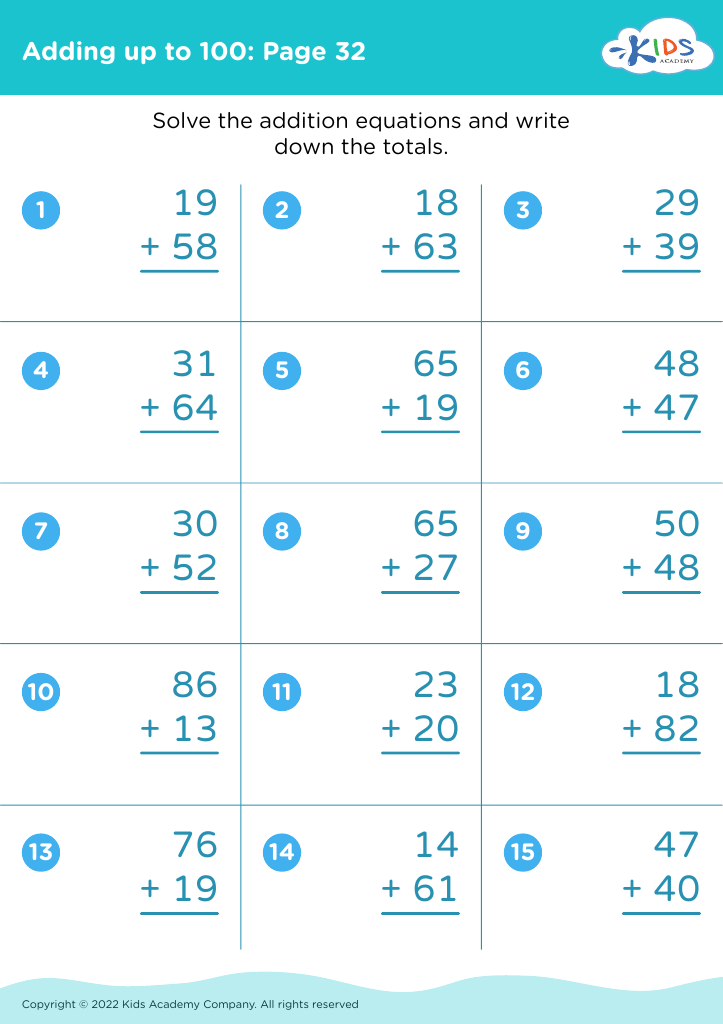
Adding up to 100: Page 32

Adding up to 100: Page 32

Adding up to 100: Page 32
Worksheet
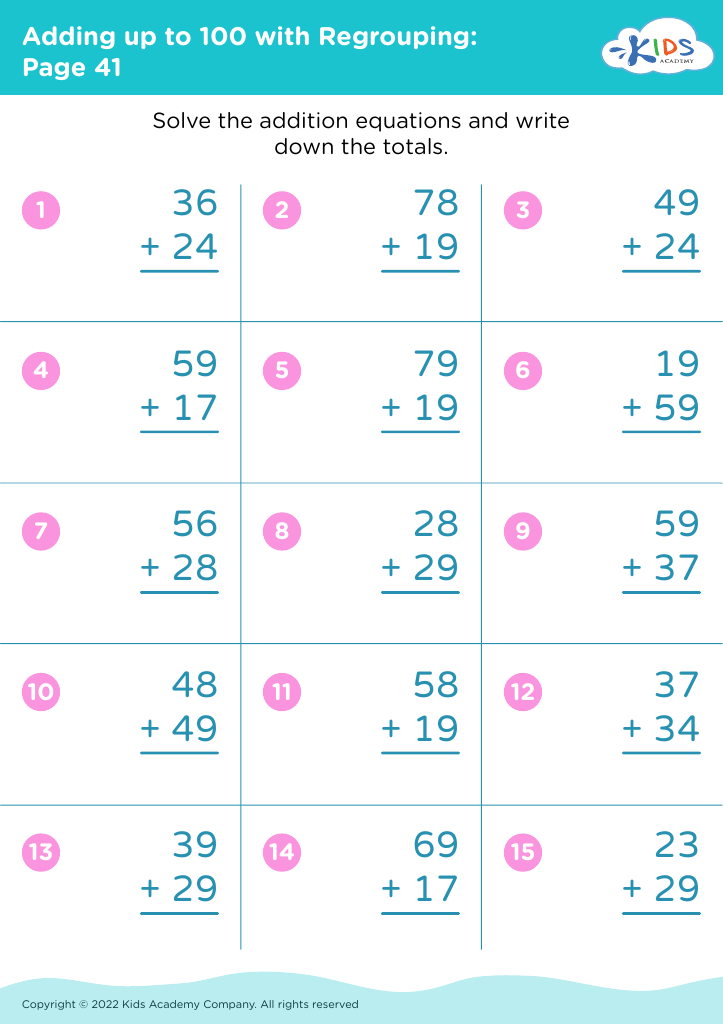
Adding up to 100 with Regrouping: Page 41
Worksheet
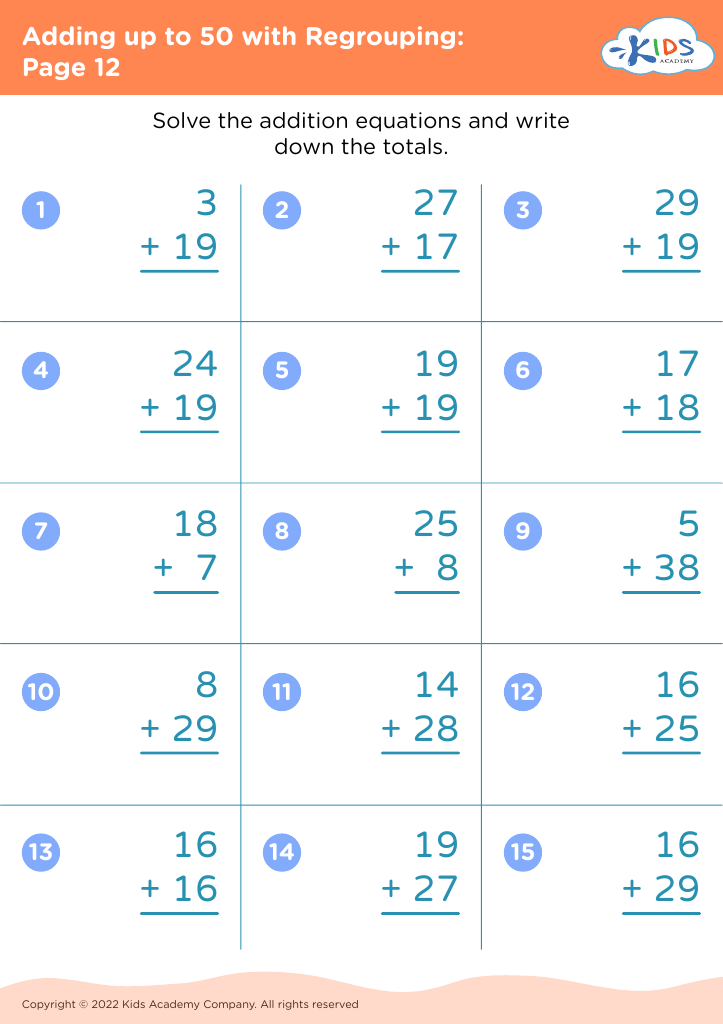
Adding up to 50 with Regrouping: Page 12
Worksheet
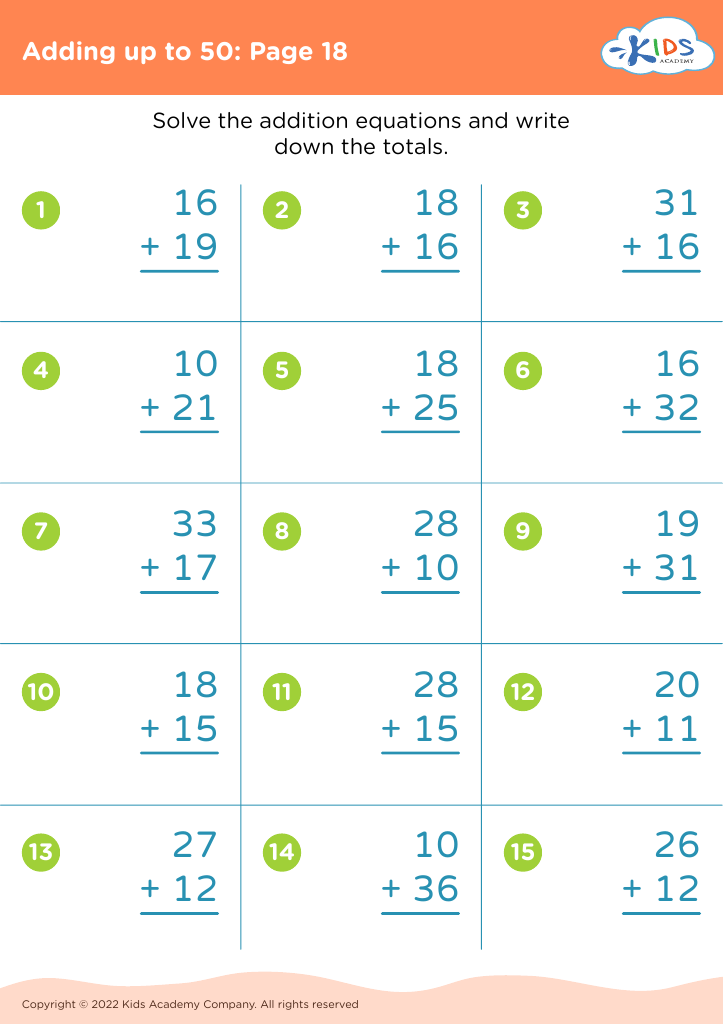
Adding up to 50: Page 18

Adding up to 50: Page 18

Adding up to 50: Page 18
Worksheet
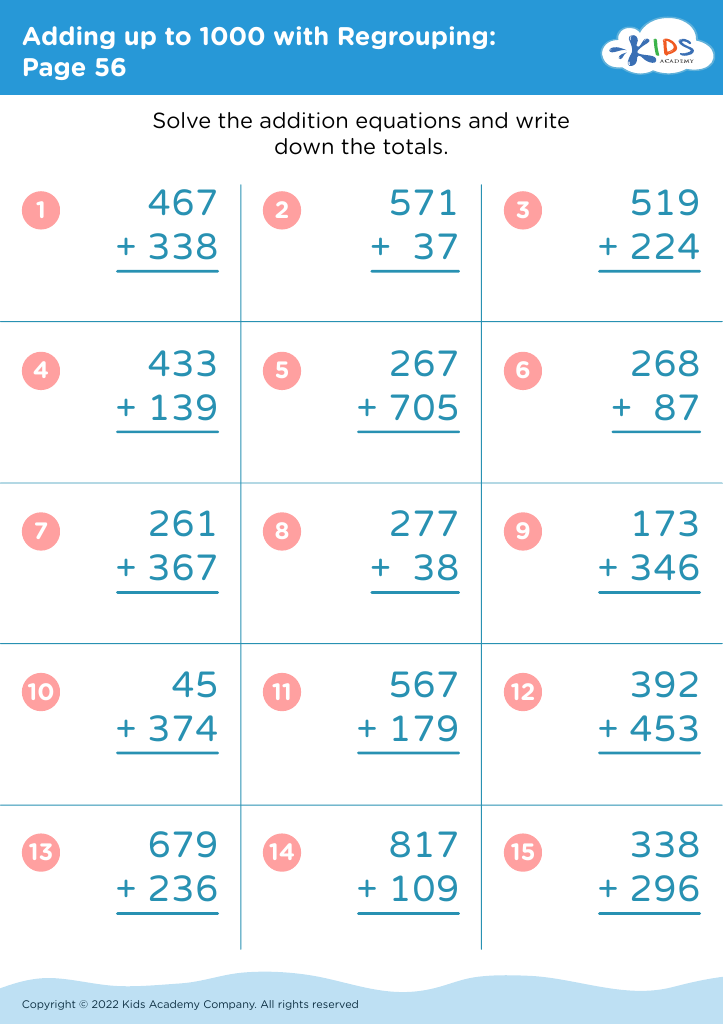
Adding up to 1000 with Regrouping: Page 56
Worksheet
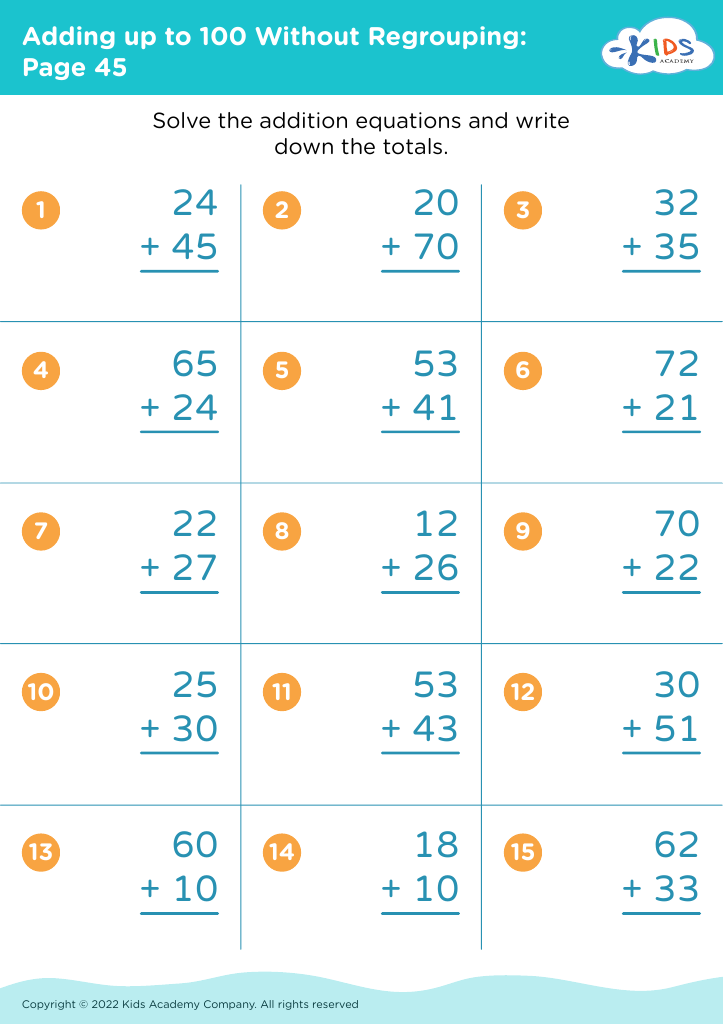
Adding up to 100 Without Regrouping: Page 45
Worksheet
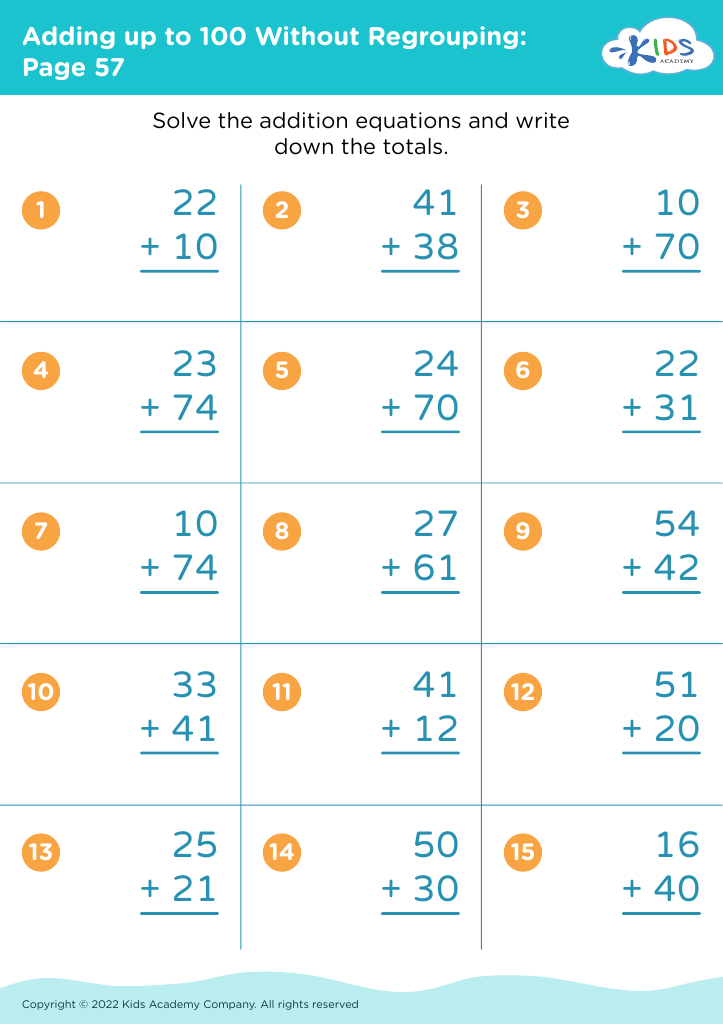
Adding up to 100 Without Regrouping: Page 57
Worksheet
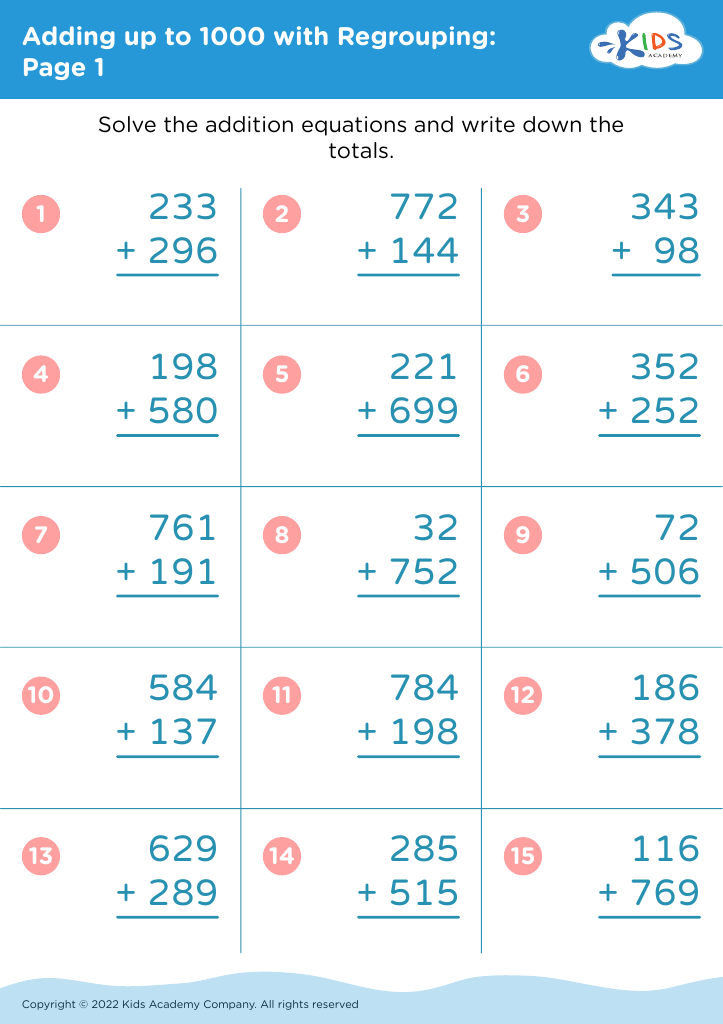
Adding up to 1000 with Regrouping: Page 1
Worksheet
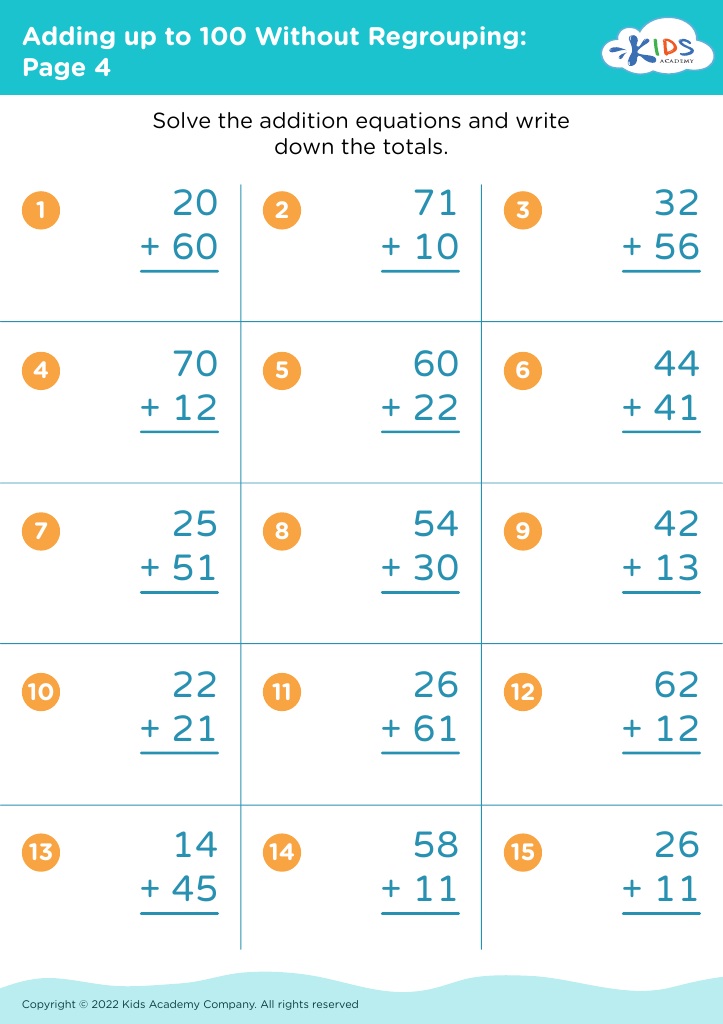
Adding up to 100 Without Regrouping: Page 4
Worksheet
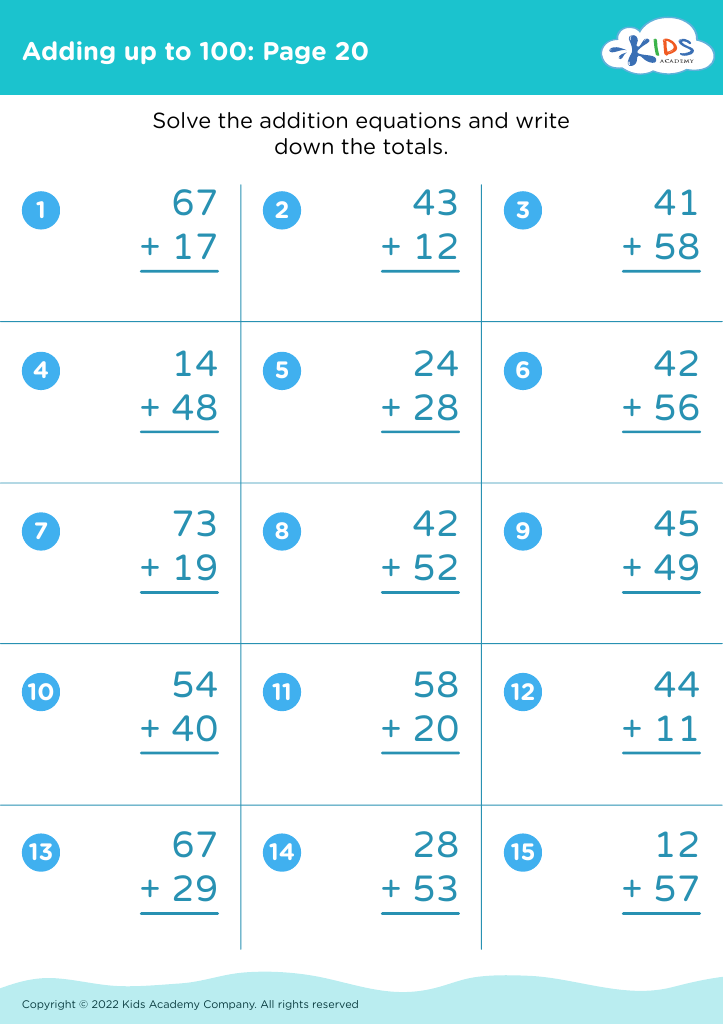
Adding up to 100: Page 20

Adding up to 100: Page 20

Adding up to 100: Page 20
Worksheet
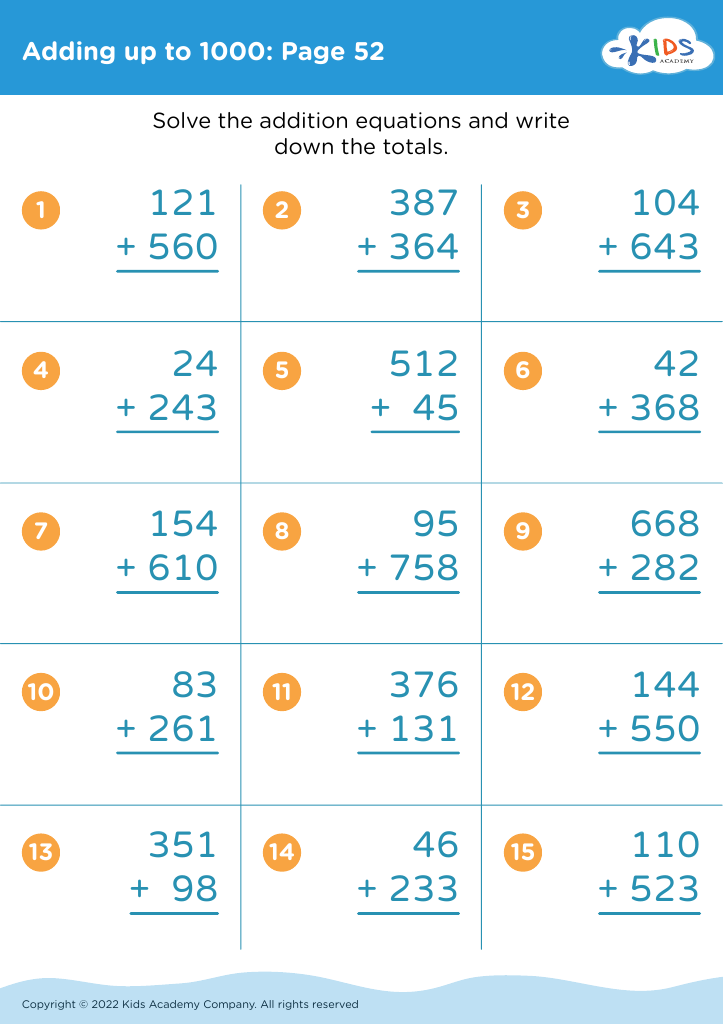
Adding up to 1000: Page 52

Adding up to 1000: Page 52

Adding up to 1000: Page 52
Worksheet
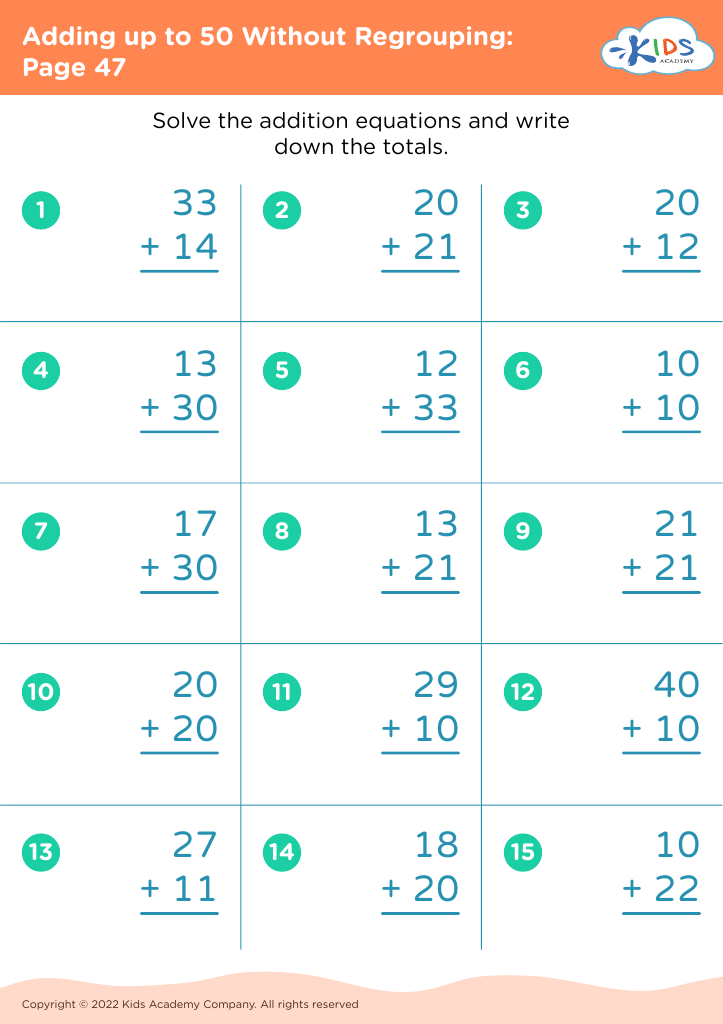
Adding up to 50 Without Regrouping: Page 47
Worksheet
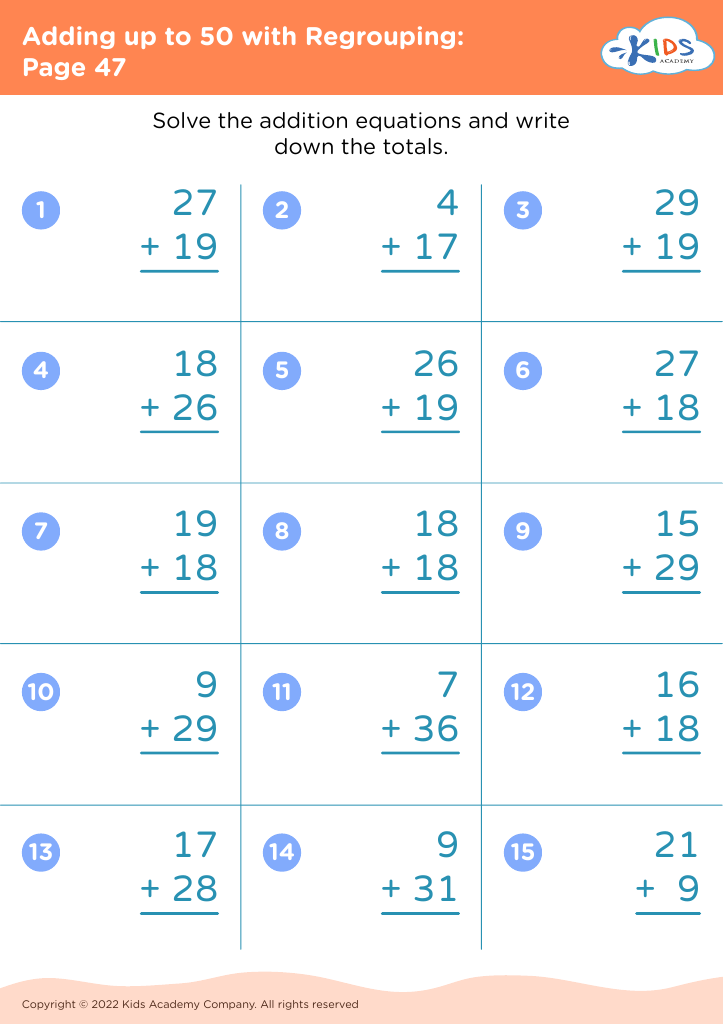
Adding up to 50 with Regrouping: Page 47
Worksheet
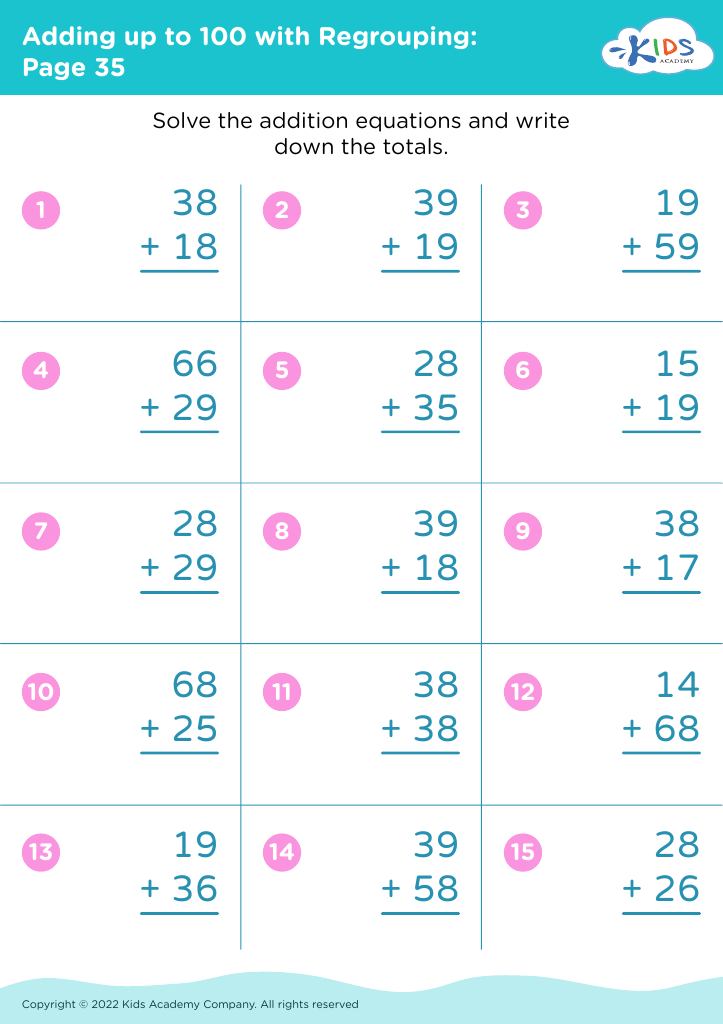
Adding up to 100 with Regrouping: Page 35
Worksheet
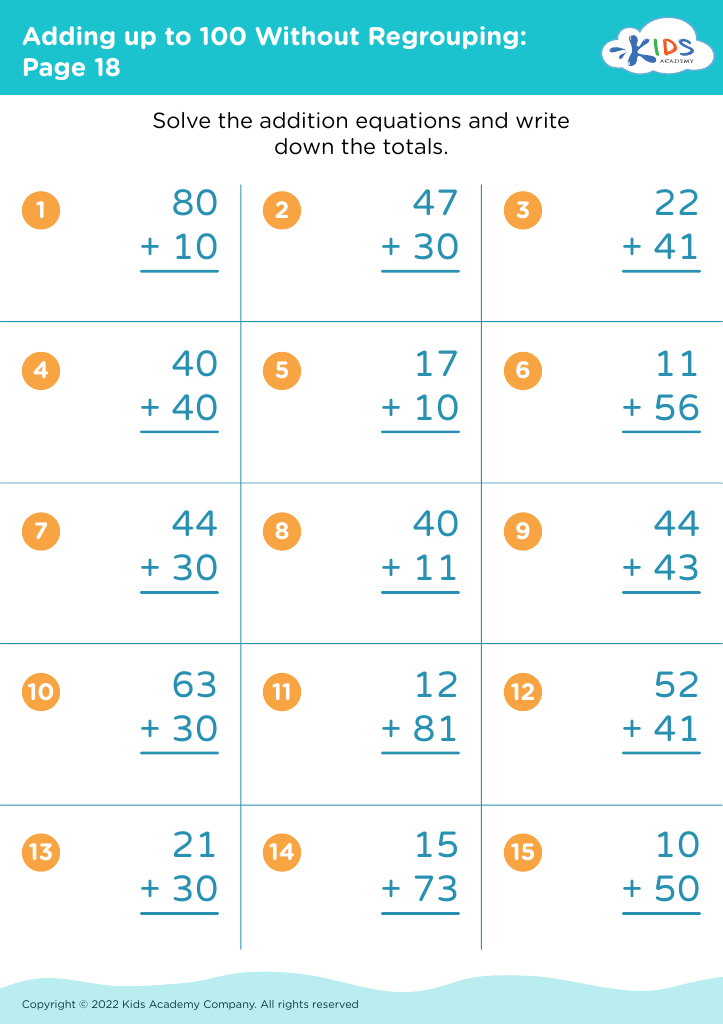
Adding up to 100 Without Regrouping: Page 18
Worksheet
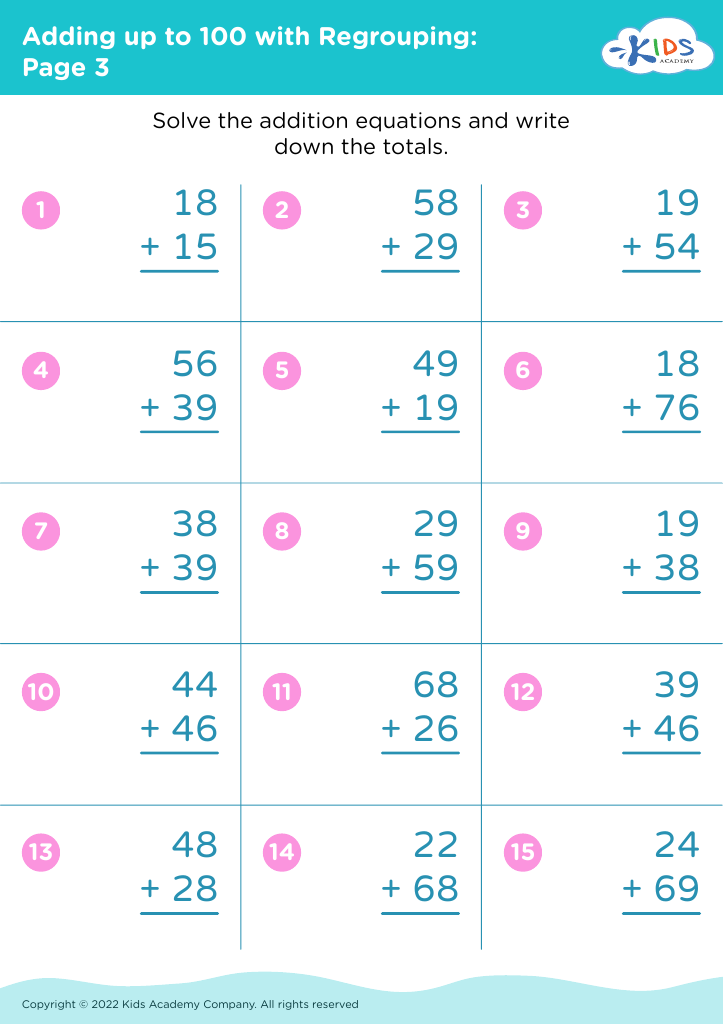
Adding up to 100 with Regrouping: Page 3
Worksheet
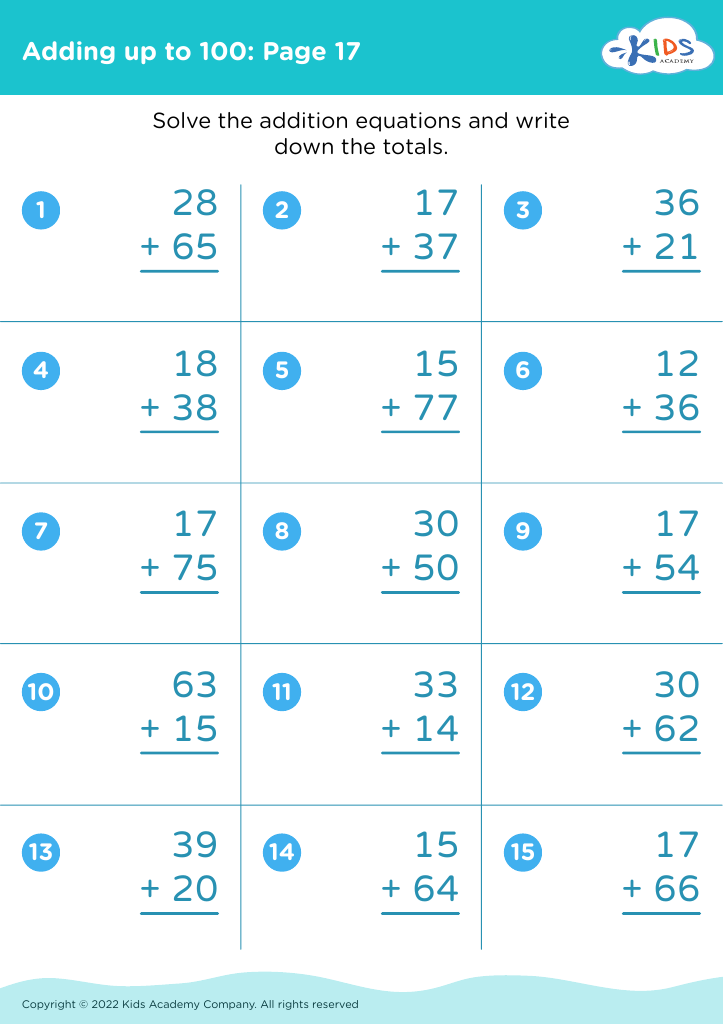
Adding up to 100: Page 17

Adding up to 100: Page 17

Adding up to 100: Page 17
Worksheet
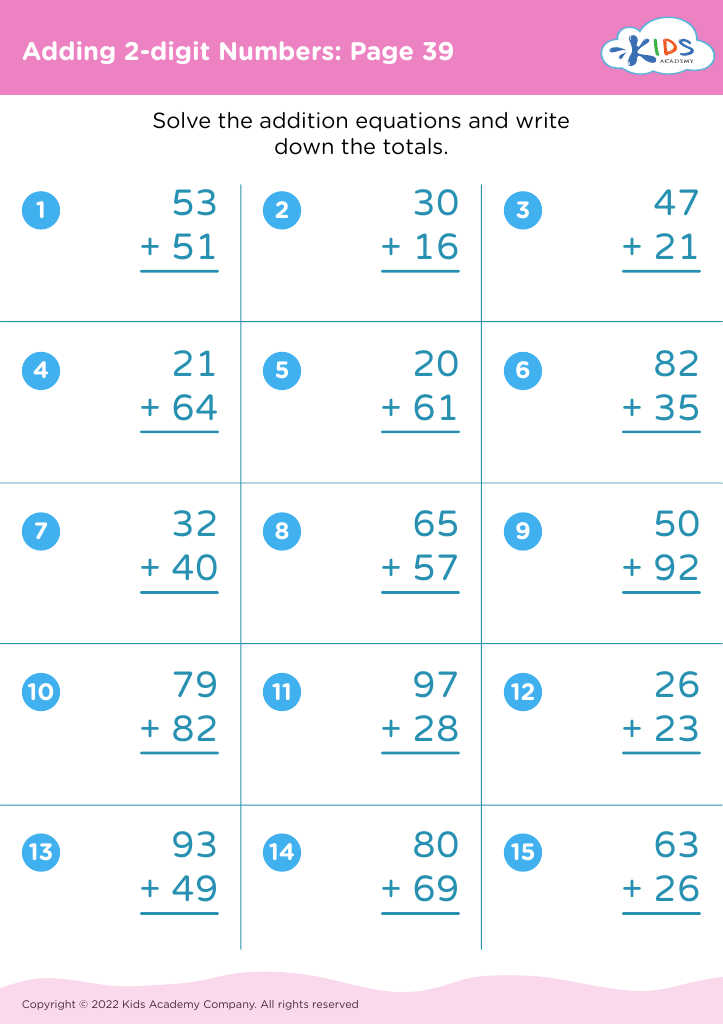
Adding 2-digit Numbers: Page 39

Adding 2-digit Numbers: Page 39

Adding 2-digit Numbers: Page 39
Worksheet
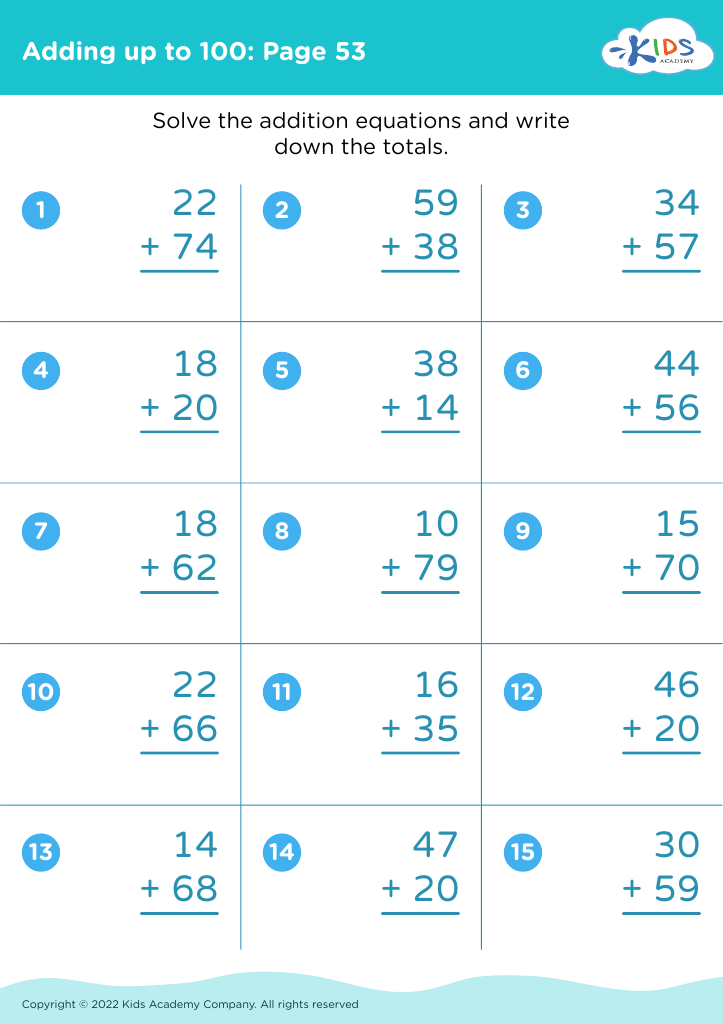
Adding up to 100: Page 53

Adding up to 100: Page 53

Adding up to 100: Page 53
Worksheet
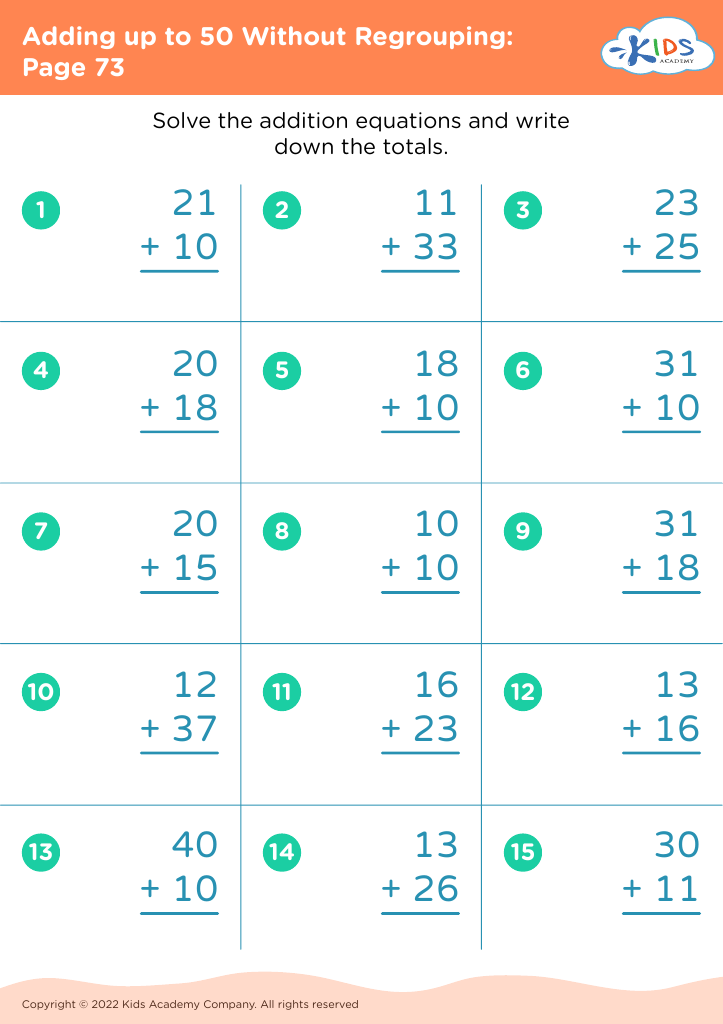
Adding up to 50 Without Regrouping: Page 73
Worksheet
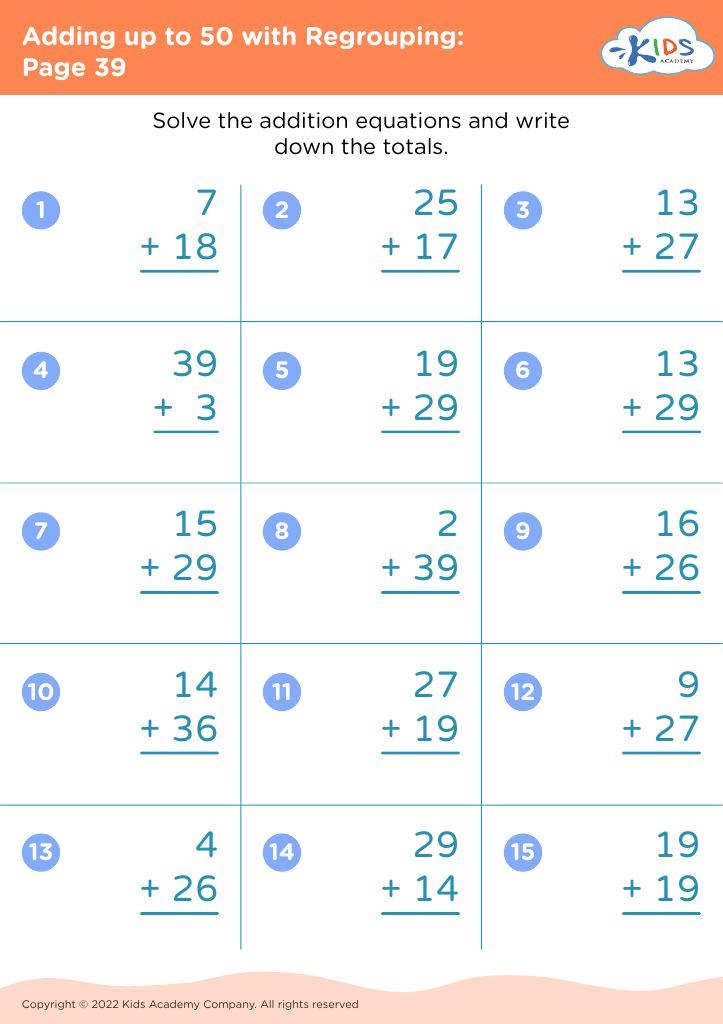
Adding up to 50 with Regrouping: Page 39
Worksheet
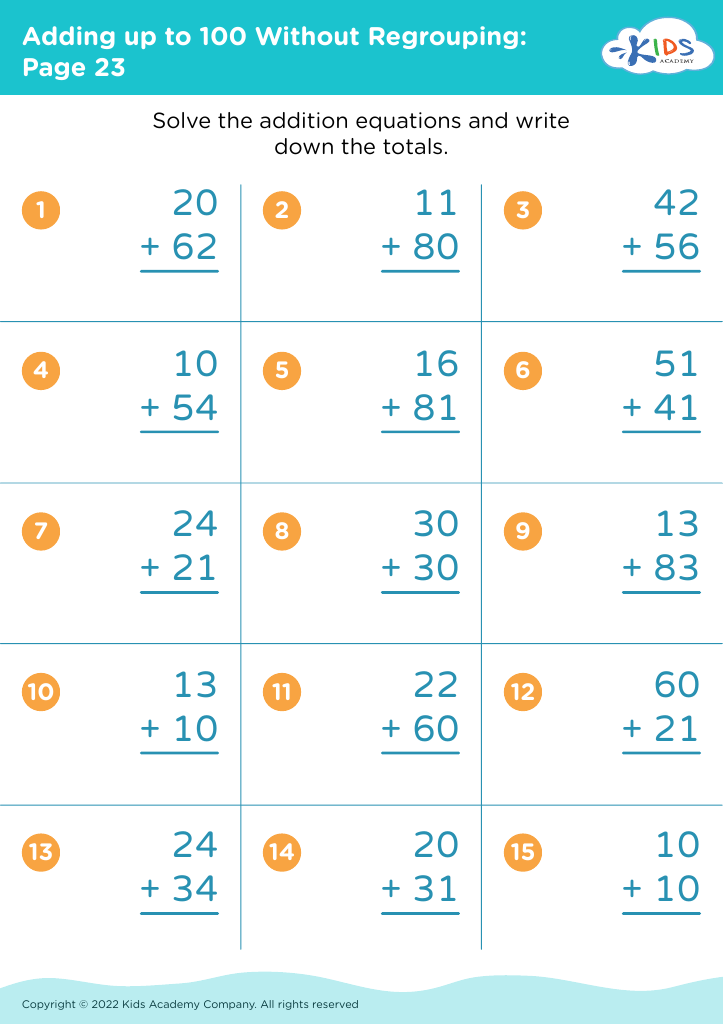
Adding up to 100 Without Regrouping: Page 23
Worksheet
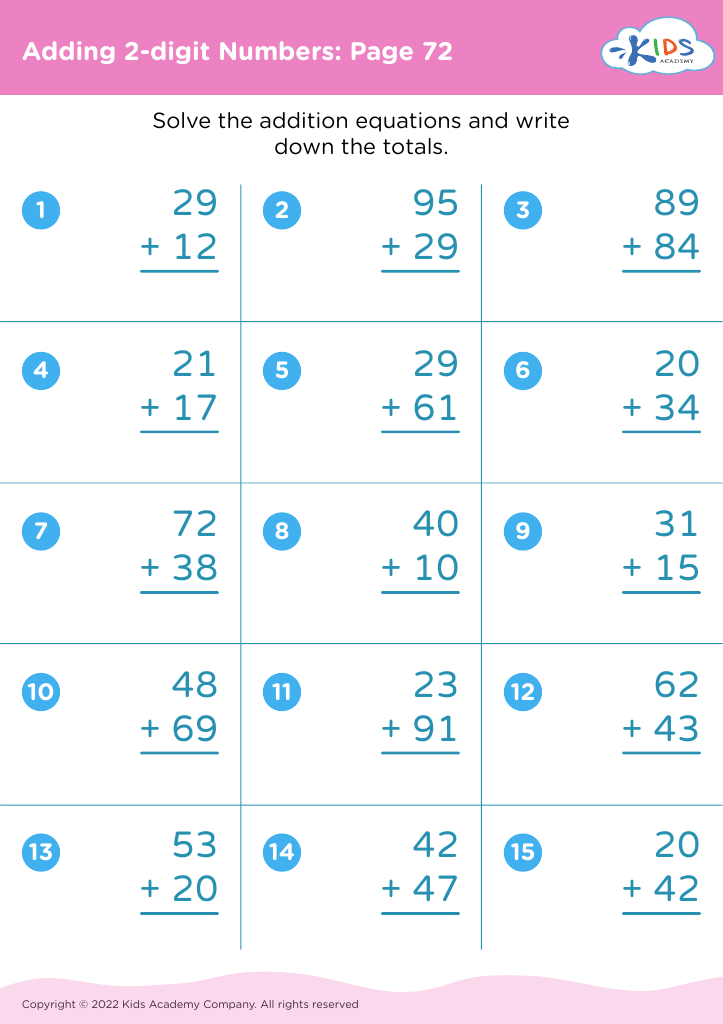
Adding 2-digit Numbers: Page 72

Adding 2-digit Numbers: Page 72

Adding 2-digit Numbers: Page 72
Worksheet


Understanding fraction simplification and addition is essential for children aged 4-7 as it lays the groundwork for their mathematical literacy and problem-solving skills. Early exposure to such concepts enhances a child's ability to think critically and develop number sense. When children learn about fractions, they grasp the idea of parts of a whole, which is foundational for future learning in mathematics.

For parents and teachers, facilitating learning in fraction simplification and addition encourages a growth mindset in children. When youngsters engage with fractions, they become familiar with concepts such as equivalence, which enhances their confidence in tackling more complex calculations later in their educational journey. Mastering these concepts early leads to better performance in higher-level math skills, such as subtraction, multiplication, and eventually, algebra.

Additionally, learning fractions helps children make sense of real-world situations, such as cooking or sharing, fostering connections between classroom learning and practical life skills. Encouraging children to explore and understand fractions through hands-on activities can make learning enjoyable and impactful. Thus, parents and teachers must emphasize the importance of fraction simplification and addition, ensuring children build a strong mathematical foundation that will support their overall development and academic progress.