
Number identification Addition Worksheets for Ages 4-7
5 filtered results
Difficulty Level
Grade
Age
-
From - To
Subject
Activity
Standards
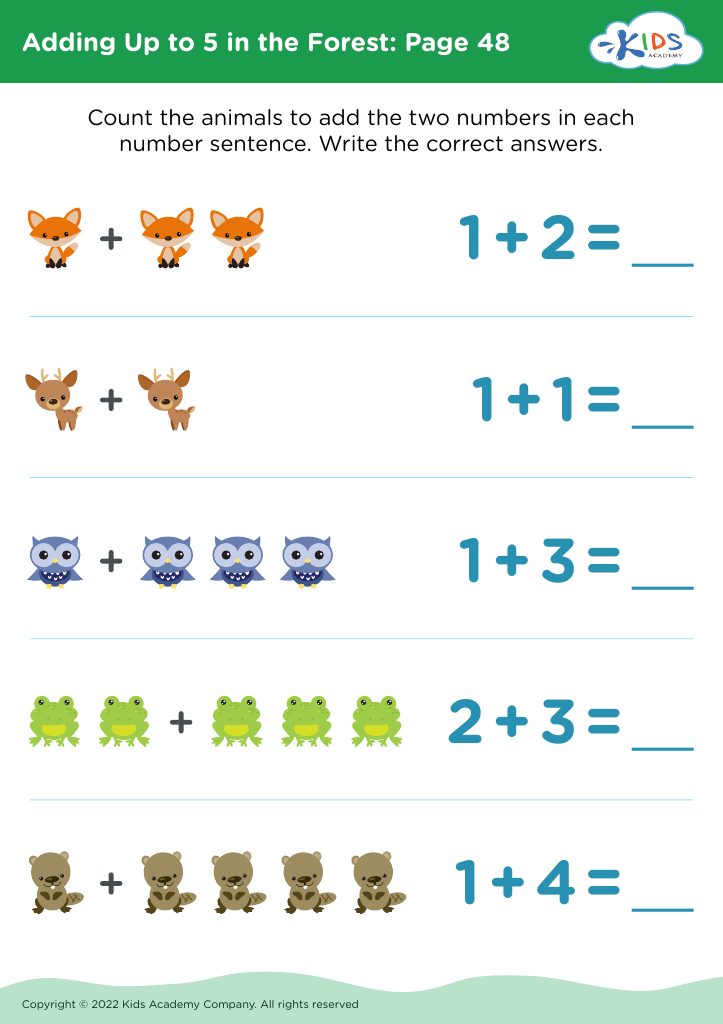
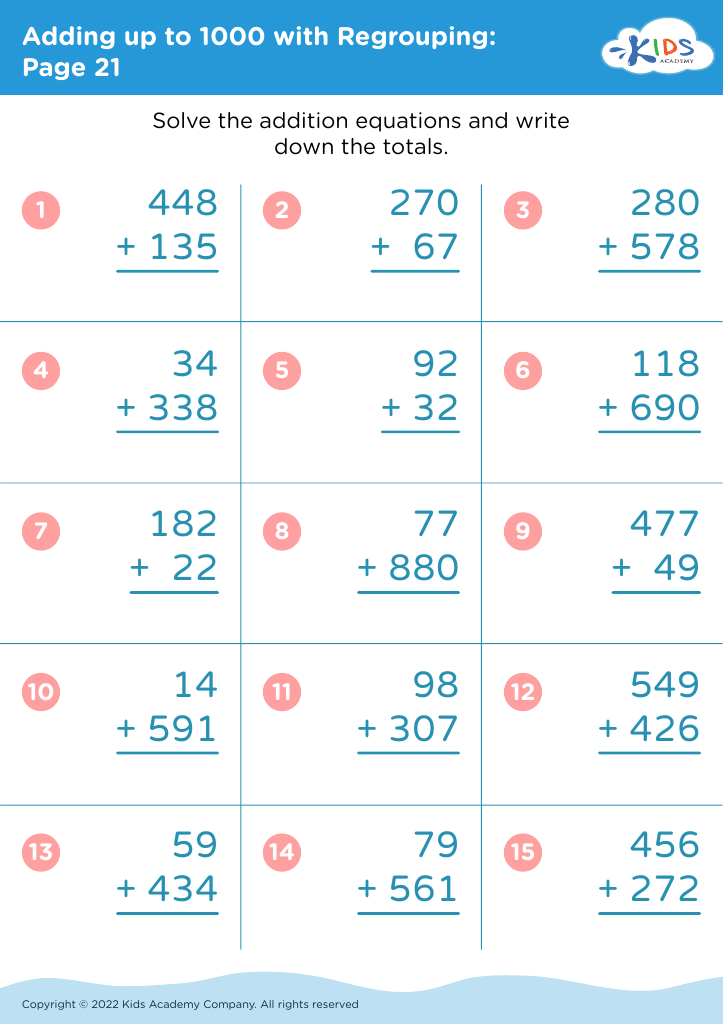
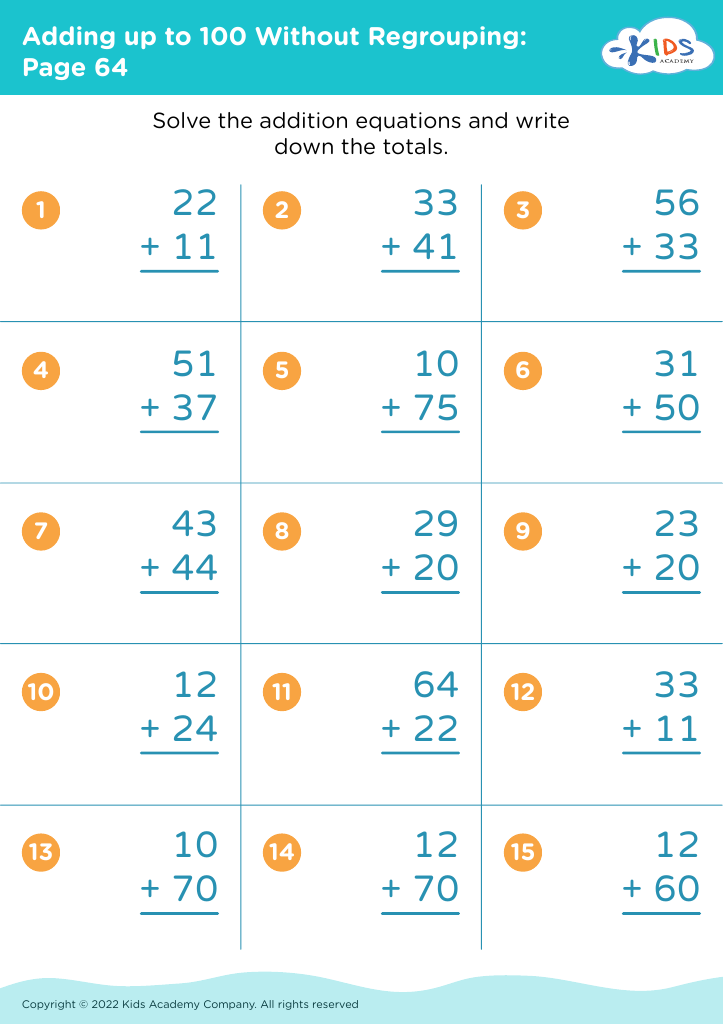
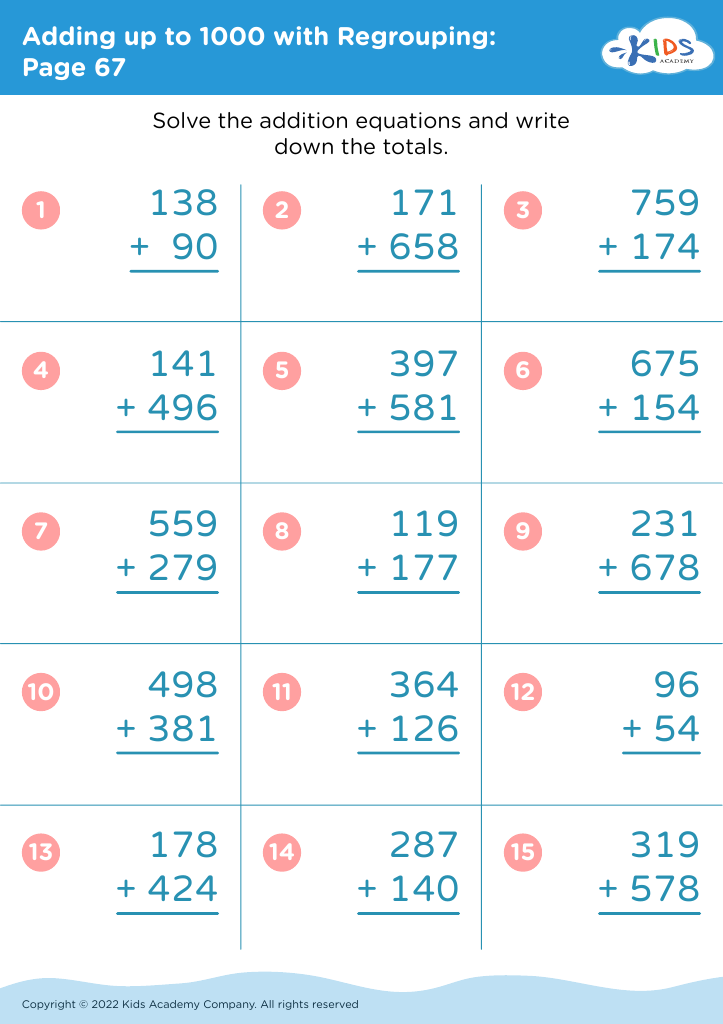
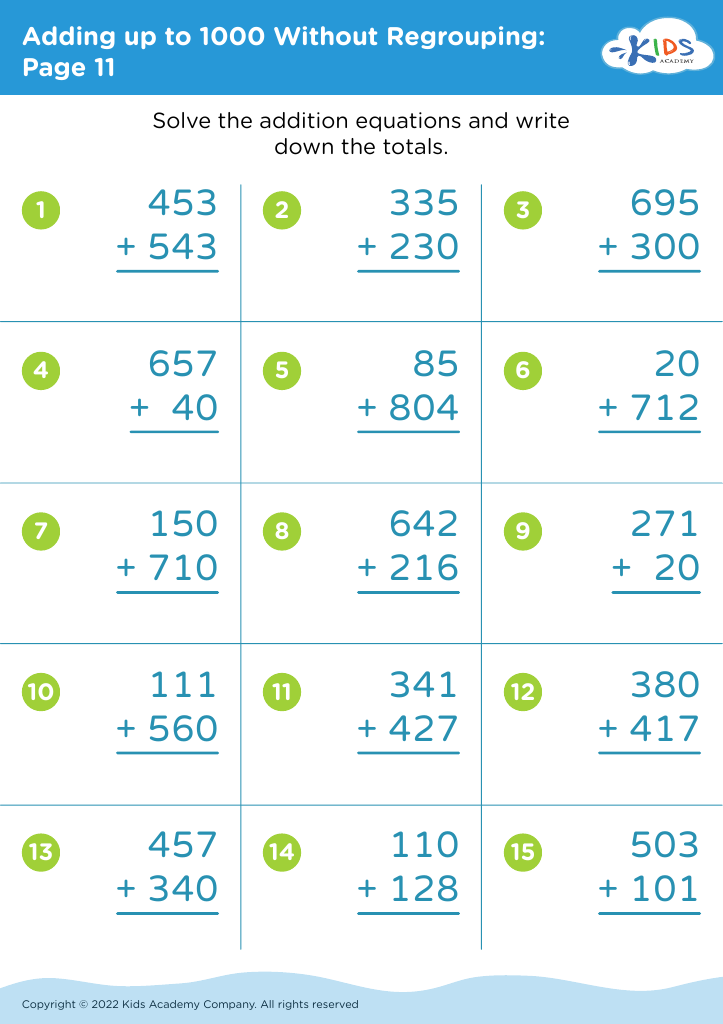
Welcome to our comprehensive collection of Number Identification Addition Worksheets designed specifically for children ages 4-7. These engaging worksheets aim to enhance foundational math skills by combining number recognition with addition practice. Each worksheet is creatively designed to capture young learners' attention, making math fun and accessible. With vibrant illustrations and interactive exercises, children will gain confidence in identifying numbers and mastering basic addition. Perfect for both classroom and home learning, our resources are tailored to support early math education while ensuring a delightful learning experience. Explore our selection today and help your child build essential math skills!
Favorites
With answer key
Interactive
Join Kids Academy for Free
Who is primarily going to use this learning content?








Number identification and addition are foundational skills in early childhood education that significantly impact a child’s overall academic journey. For children aged 4-7, mastering these concepts is crucial as they form the building blocks for more complex mathematical understanding in later years. Parents and teachers should care about number identification because recognizing numbers enables children to make sense of the world around them, including basic concepts related to time, money, and measurement.
Addition, on the other hand, helps develop critical thinking and problem-solving skills. It encourages children to find relationships between numbers and understand quantity, fostering cognitive development. Practices such as counting objects, using fingers, or engaging in simple math games make learning interactive and enjoyable, enhancing retention.
Supporting number identification and addition also boosts children's confidence in their abilities. When children succeed in mastering these skills, they are more likely to engage positively with future math concepts. Moreover, a strong foundation in mathematics can help close educational gaps, leading to better outcomes in both academic performance and lifelong learning. Therefore, fostering these skills at an early age is essential for parents and teachers alike to nurture well-rounded, confident learners.








