Recognizing numbers Addition Worksheets for Ages 4-7
4 filtered results
-
From - To
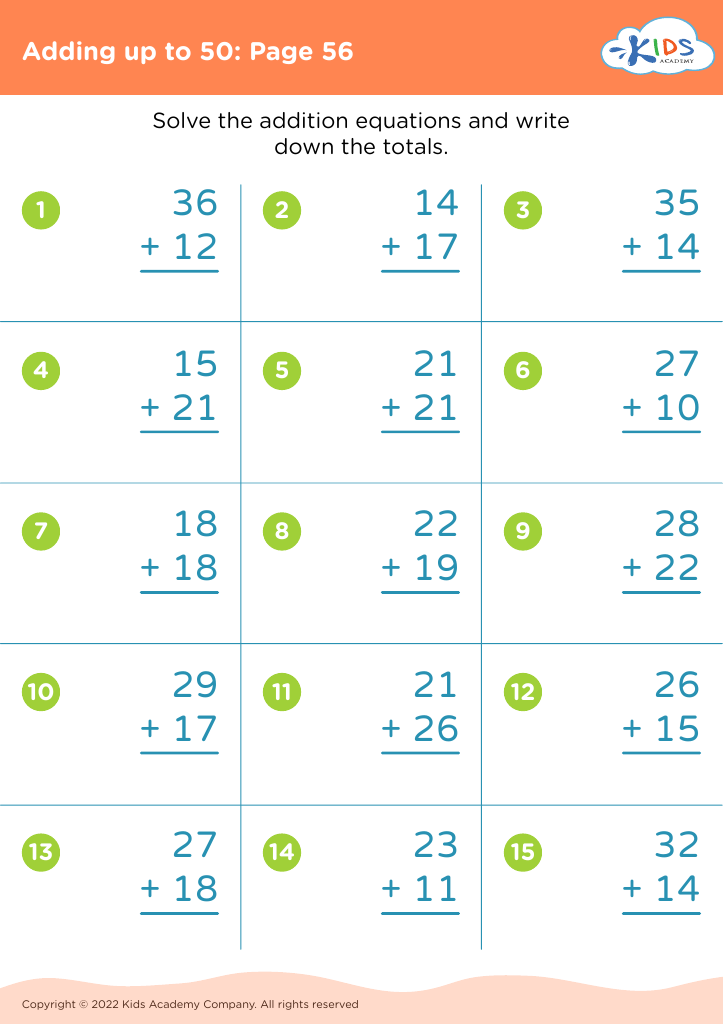
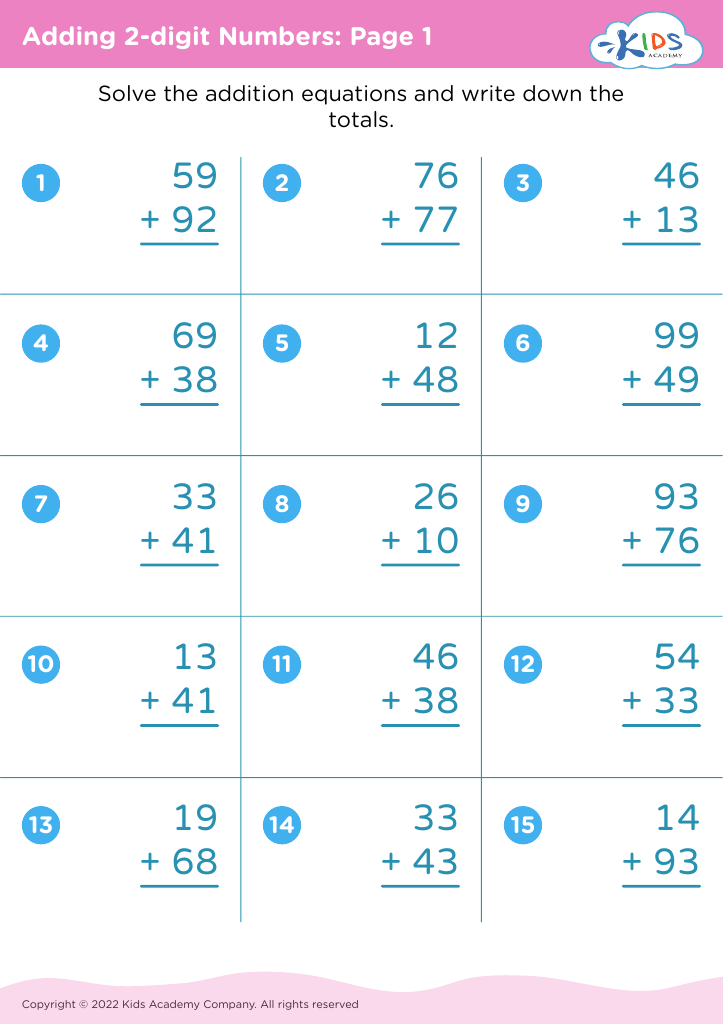
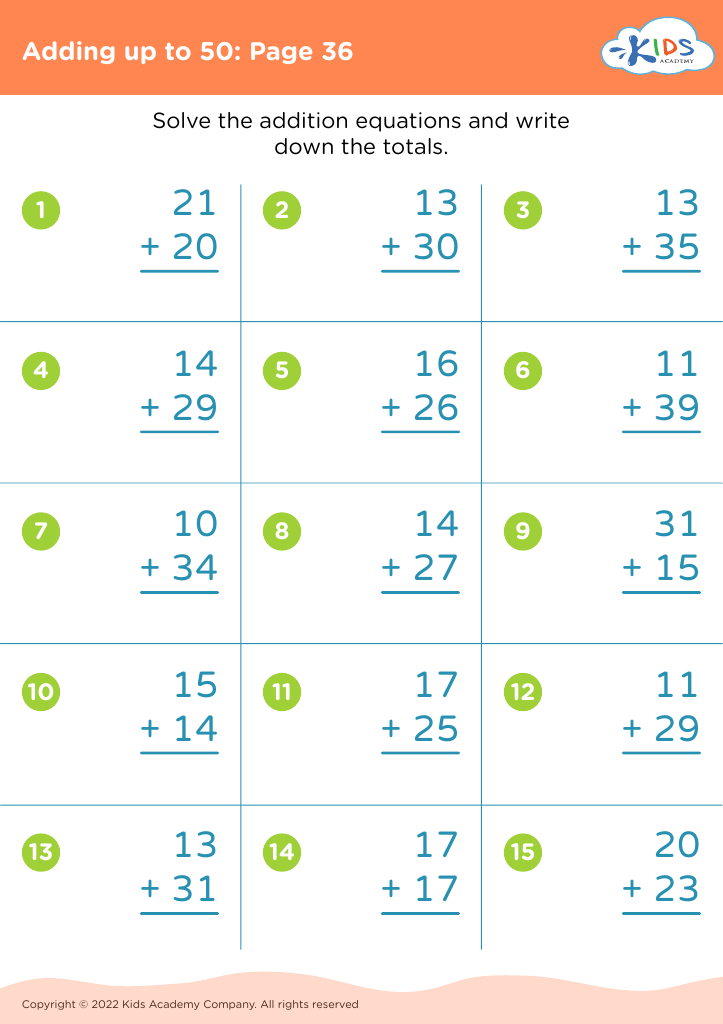
Discover our engaging Recognizing Numbers Addition Worksheets designed specifically for children aged 4-7! These worksheets provide a fun and interactive way for young learners to master the foundational skills of number recognition and simple addition. Featuring colorful illustrations and varied exercises, the activities help kids identify numbers, match them with their quantities, and practice basic addition using visual aids. Our user-friendly format promotes independent learning and ensures that children remain excited about math. Perfect for home or classroom use, these worksheets are a fantastic tool to support early math skills and boost confidence in young learners. Start their math journey today!
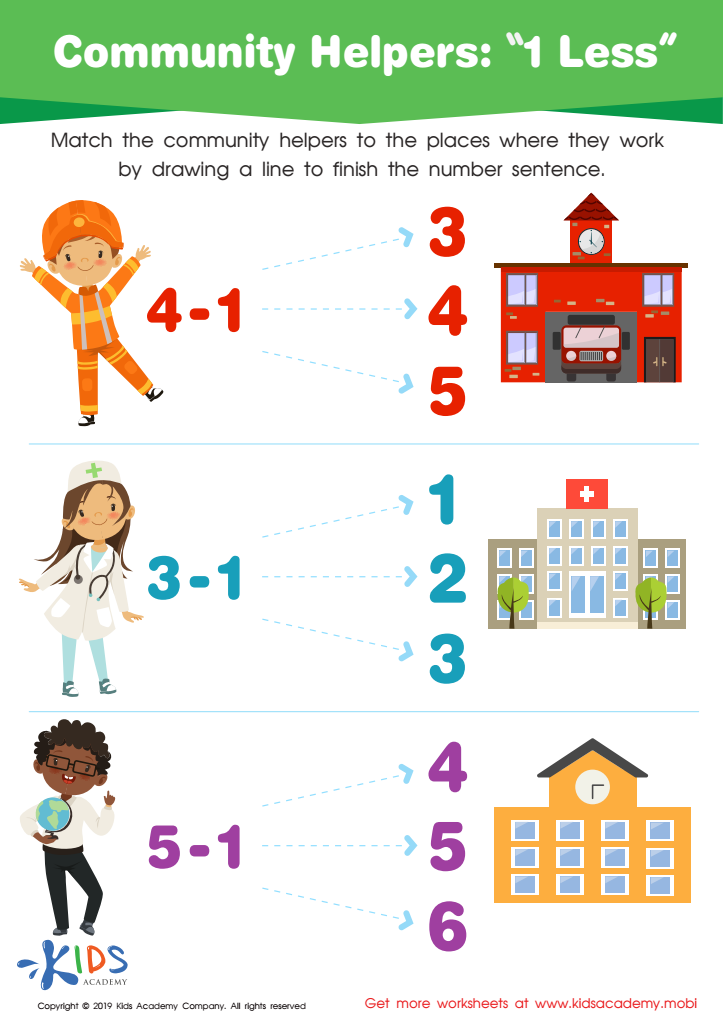
Community Helpers: 1 less Worksheet
 Assign to My Students








Recognizing numbers and understanding addition are foundational skills that shape a child's mathematical understanding, particularly for those aged 4-7. Early exposure to these concepts promotes cognitive development, critical thinking, and problem-solving skills. When children can identify numbers, they begin to grasp the world around them—counting toys, understanding prices, and measuring ingredients during cooking, which empowers them in everyday situations.
Furthermore, fostering addition skills helps children understand the relationships between numbers. It enables them to develop a sense of quantity and enhances their ability to compare and analyze data, laying a robust groundwork for more complex mathematical concepts in later years. Parents and teachers play a critical role in this learning process; by integrating fun, engaging activities—like games, songs, and hands-on activities—they can make learning enjoyable.
When a child shows confidence in recognizing numbers and performing basic addition, it positively impacts their overall academic experience. It builds a sense of accomplishment and encourages an enthusiastic attitude towards learning. Investing in these early skills ensures that children receive a strong foundation, setting them up for future success as learners, thinkers, and problem solvers in various contexts. Ultimately, recognizing numbers and addition is a springboard into more advanced mathematical literacy.








