Shape identification Addition Worksheets for Ages 4-7
13 filtered results
-
From - To
Introducing our Shape Identification Addition Worksheets for Ages 4-7! Designed to make learning fun, these engaging resources help young learners combine shape recognition with basic addition skills. Each worksheet features colorful illustrations and activities that encourage children to identify different shapes while solving simple addition problems. Perfect for homework or homeschooling, our worksheets promote critical thinking and boost confidence in math. With a variety of exercises suitable for early learners, these sheets are tailored to foster a love for math and enhance spatial awareness. Discover the joy of learning shapes and addition with our thoughtfully crafted worksheets today!
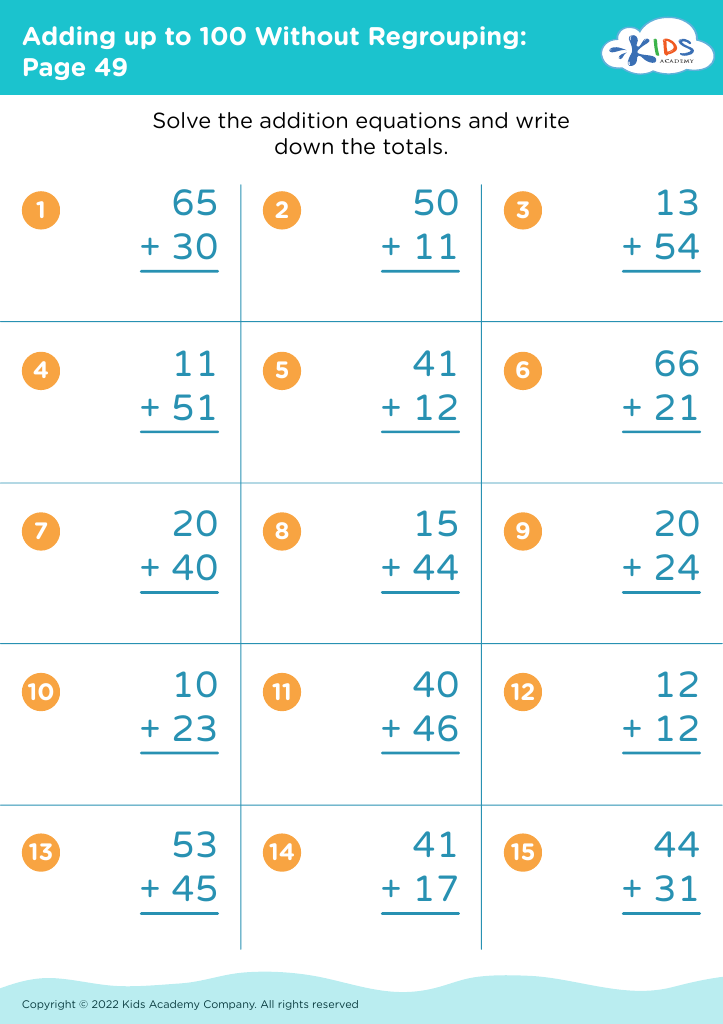
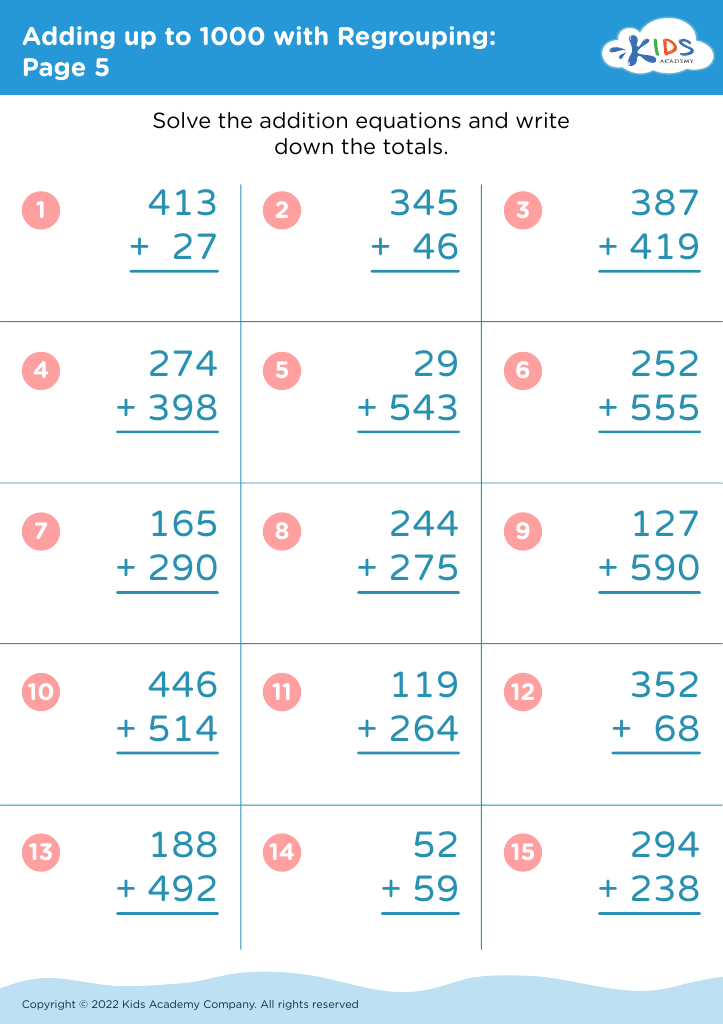
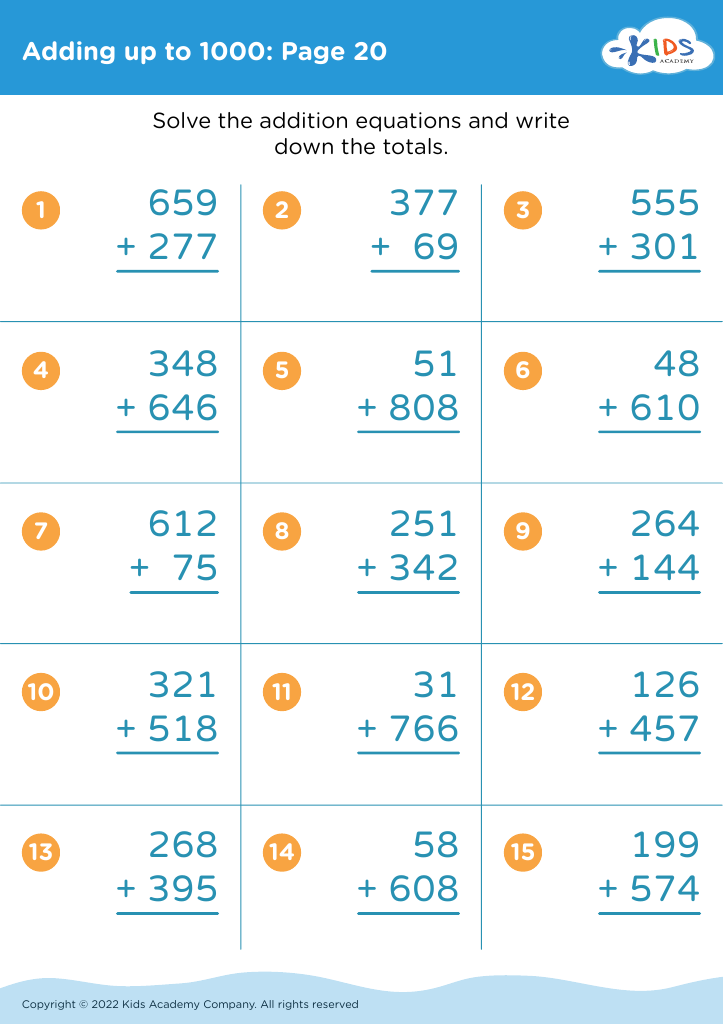
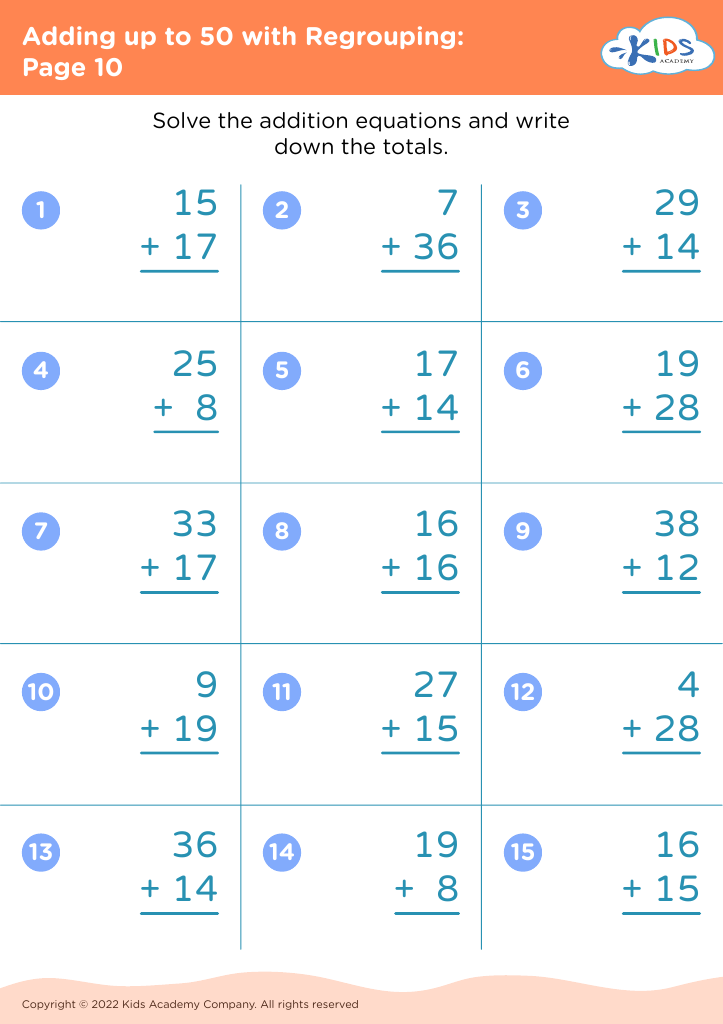
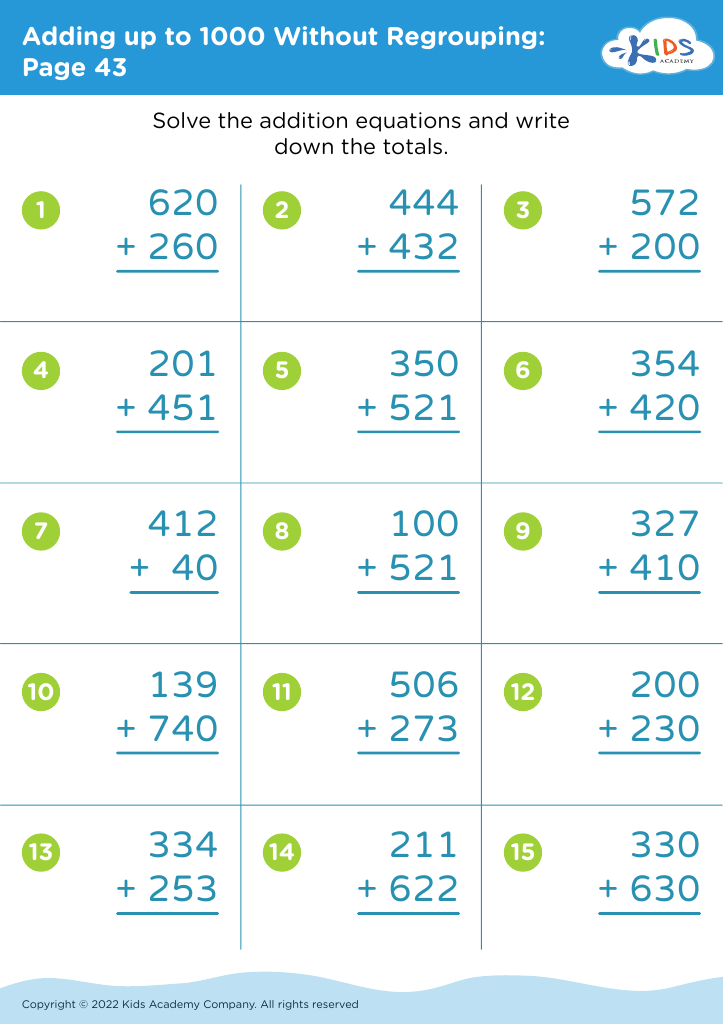








Shape identification and addition are pivotal skills for children aged 4-7, laying a strong foundation for their overall education and cognitive development. Understanding shapes enhances spatial awareness, which is essential not only for math but also for reading and writing. As children identify shapes, they learn to recognize patterns and relationships, fostering critical thinking skills.
Moreover, the integration of shape identification with addition promotes mathematical reasoning. When children count shapes or group them for simple addition problems, they connect visual learning with numerical concepts, making math tangible and enjoyable. This dual-focus encourages engagement and builds confidence in their abilities.
For parents and teachers, supporting these foundational skills can greatly impact a child's enthusiasm for learning. By introducing activities that blend play with education, such as shape-sorting games that involve counting, adults can create an enriching environment that promotes inquiry and exploration.
Additionally, early mastery of these skills helps to mitigate future learning gaps, setting the stage for successful problem-solving and analytical skills. Ultimately, by prioritizing shape identification and addition, caregivers ensure that children cultivate essential life skills that will serve them well beyond the classroom.








