






Understanding quantity addition is a fundamental mathematical skill that provides the foundation for a child's future learning and cognitive development. For children aged 4-7, grasping the concept of addition helps them make sense of the world around them by quantifying and comparing quantities. When parents and teachers prioritize teaching this skill, they facilitate the development of problem-solving and critical thinking abilities.
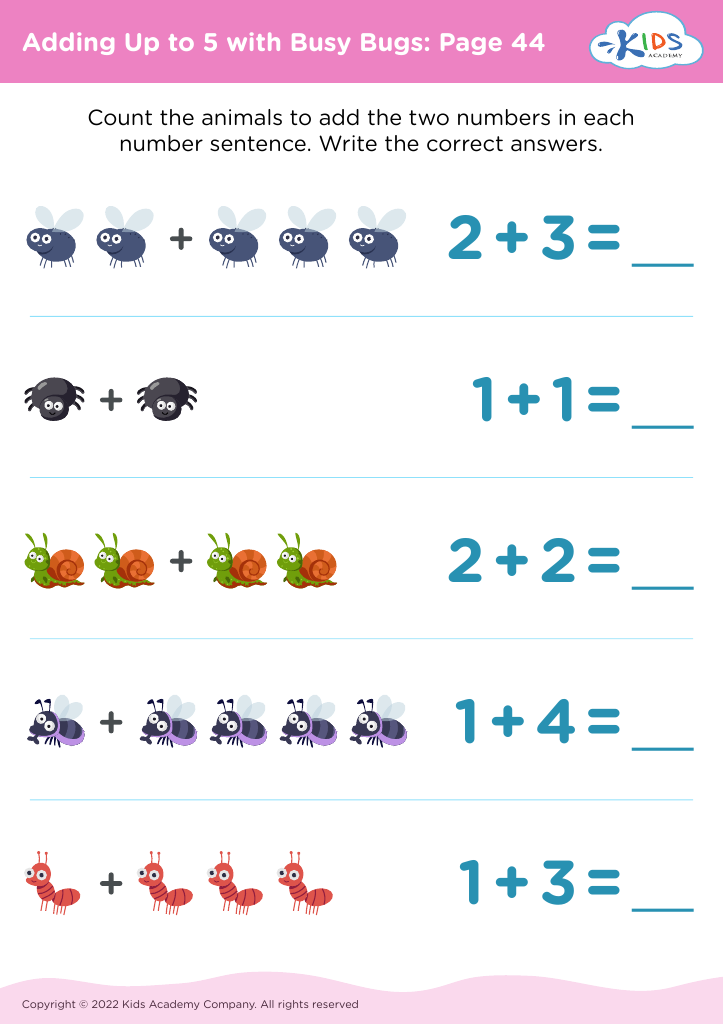
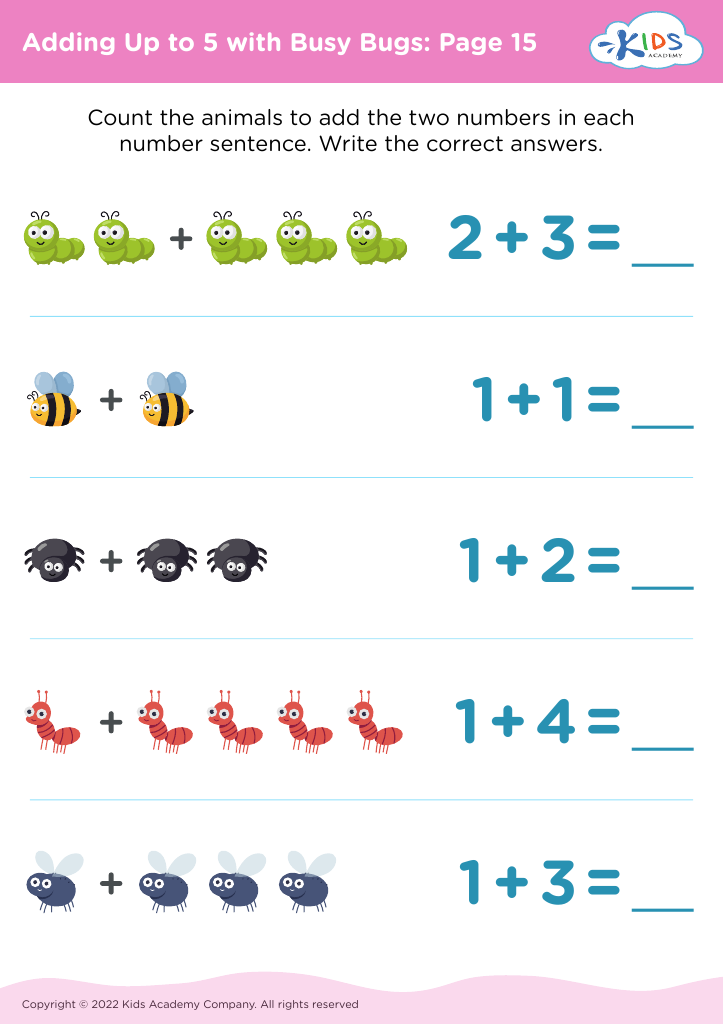
Here's why it's crucial: addition teaches children to recognize patterns, enhances their ability to perform mental calculations, and improves their overall number sense. For example, recognizing that 2+3=5 is not just about memorizing facts; it's about understanding the relationship between numbers. This comprehension is essential for tackling more complex mathematical concepts later on, like subtraction, multiplication, and division.
Furthermore, developing early math skills has been linked to better performance in various academic areas, as these skills encourage a logical and analytical way of thinking. Engaging young children in fun, hands-on activities related to addition, such as counting objects or playing math-based games, not only garners their interest but also reinforces positive learning habits and boosts their confidence.
Ultimately, investing time in teaching children addition at a young age creates a strong educational foundation, promoting lifelong learning and success across multiple disciplines.








