Understanding subtraction Addition Worksheets for Ages 4-7
7 filtered results
-
From - To
Discover the perfect resource to build foundational math skills for young learners with "Understanding Subtraction Addition Worksheets for Ages 4-7". Our worksheets are designed to make learning fun and engaging while ensuring your child grasps key concepts. These activities integrate colorful visuals and interactive challenges to help children practice and master both subtraction and addition. Ideal for early learners, each worksheet aims to enhance critical thinking, boost confidence, and foster a love for math. Developed by education experts at Kids Academy, our resources cater to preschool to 1st-grade students, equipping them with essential skills for their academic journey.
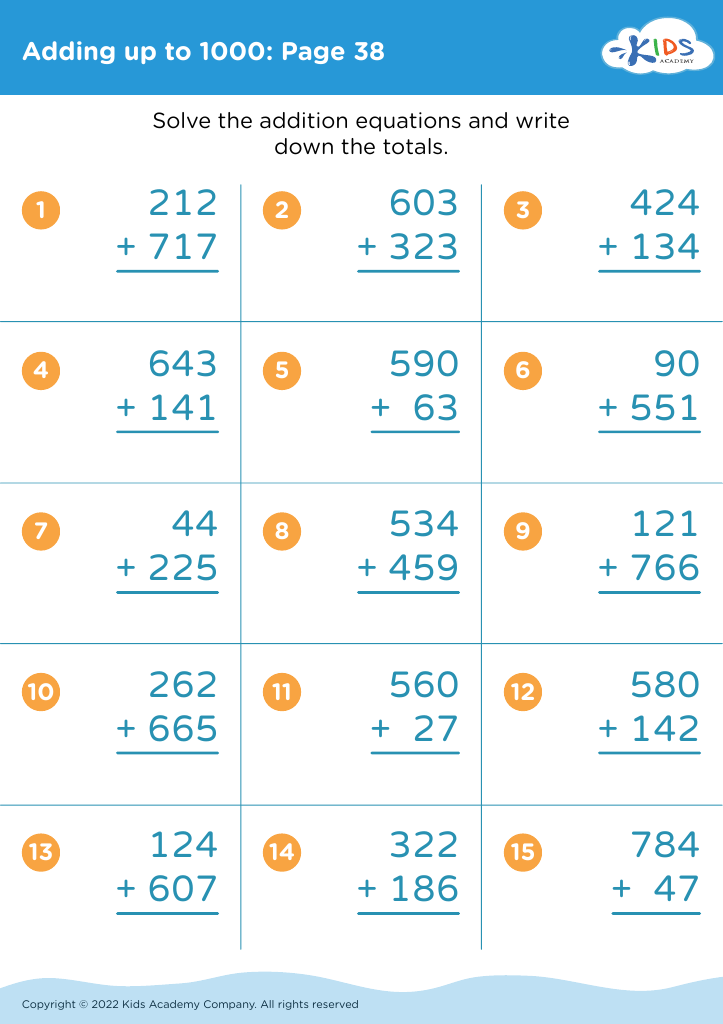
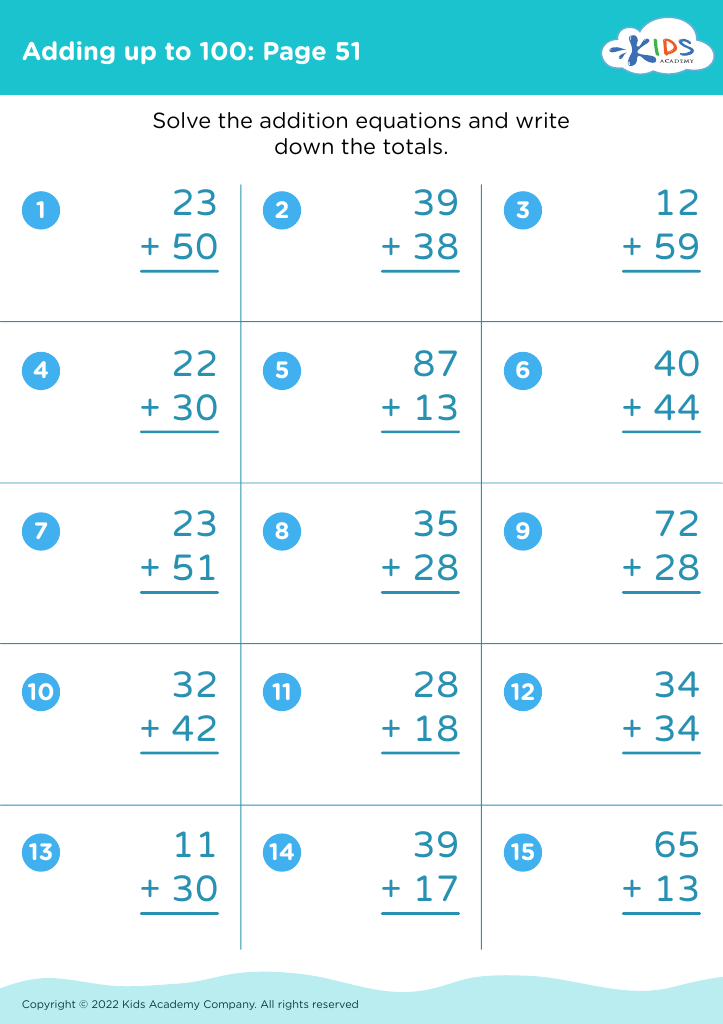
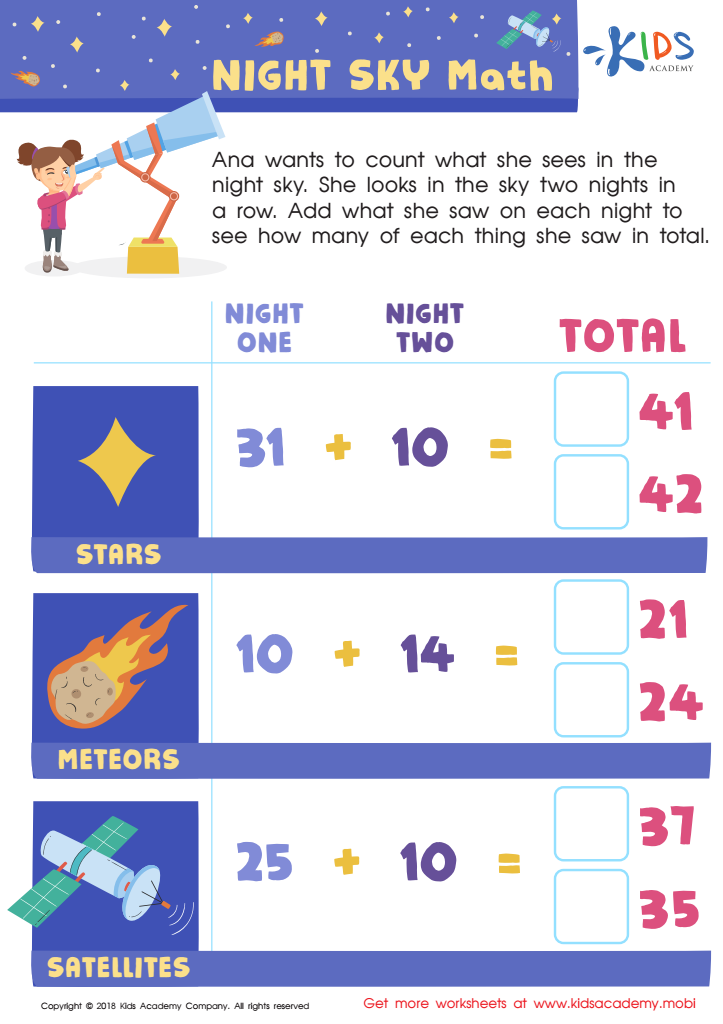
Night Sky Math Worksheet
 Assign to My Students
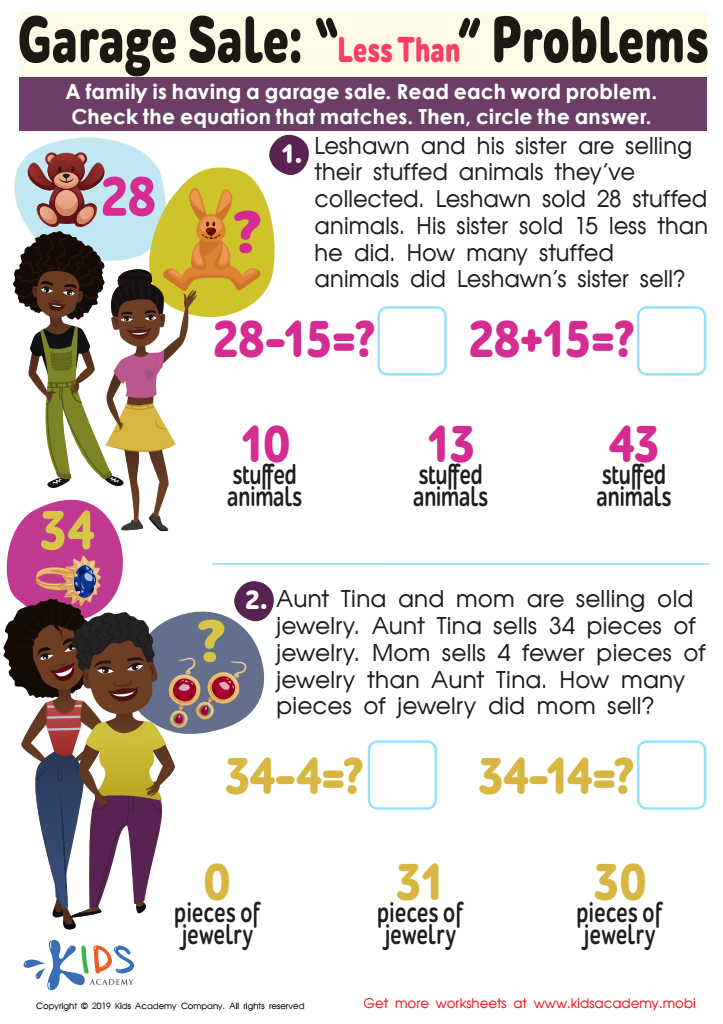
Garage Sale Less Than Worksheet
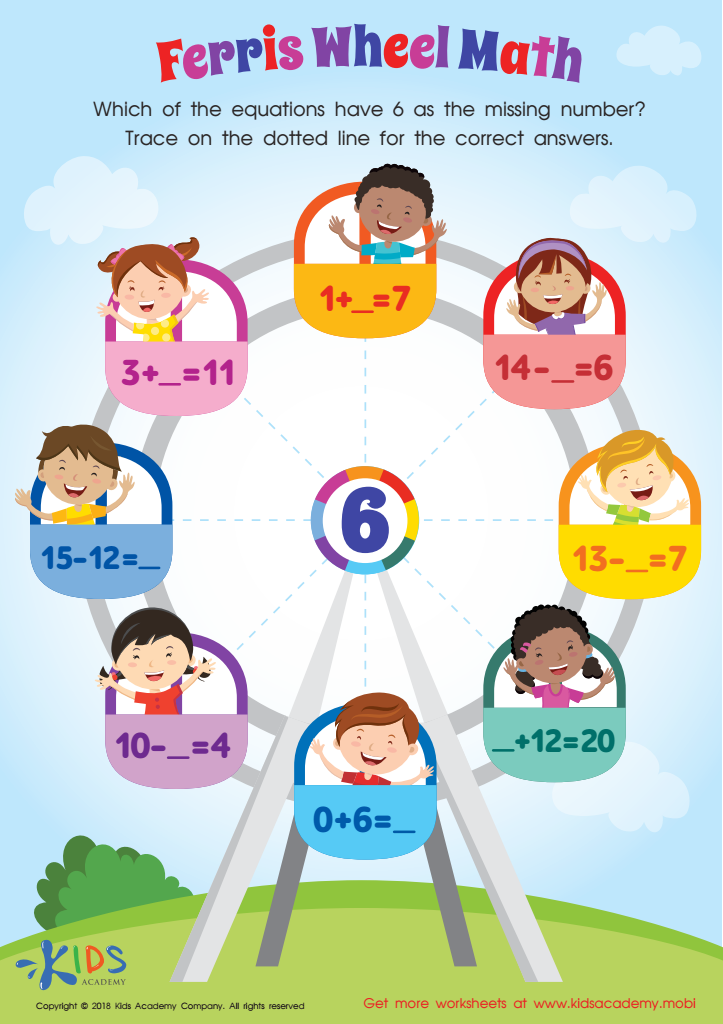
Missing Number: Ferris Wheel Math Worksheet
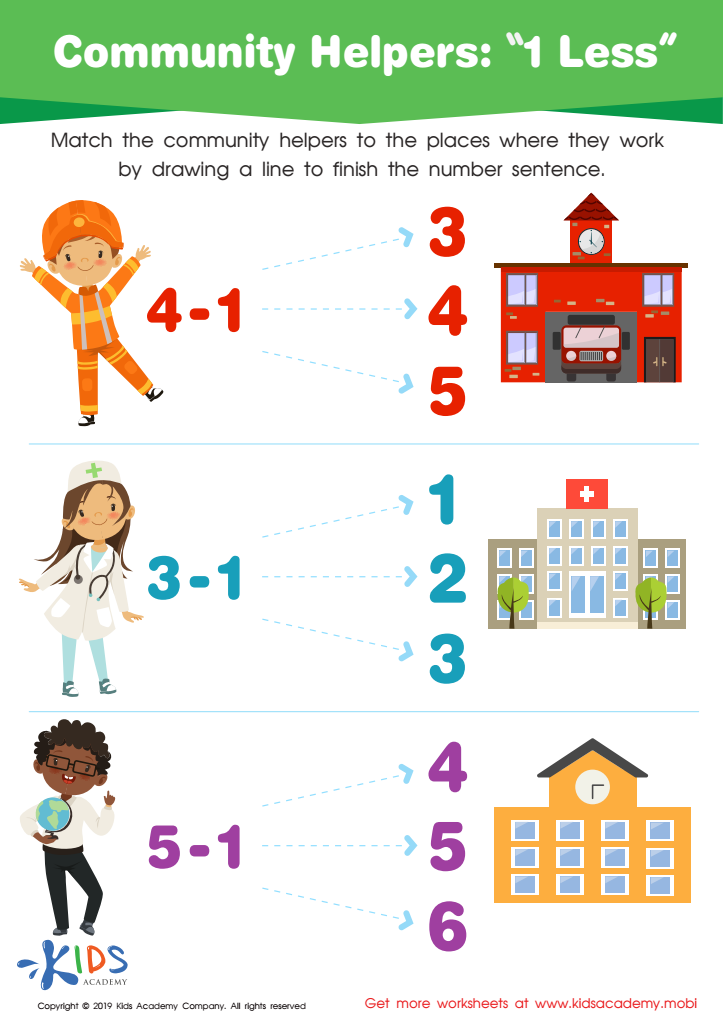
Community Helpers: 1 less Worksheet
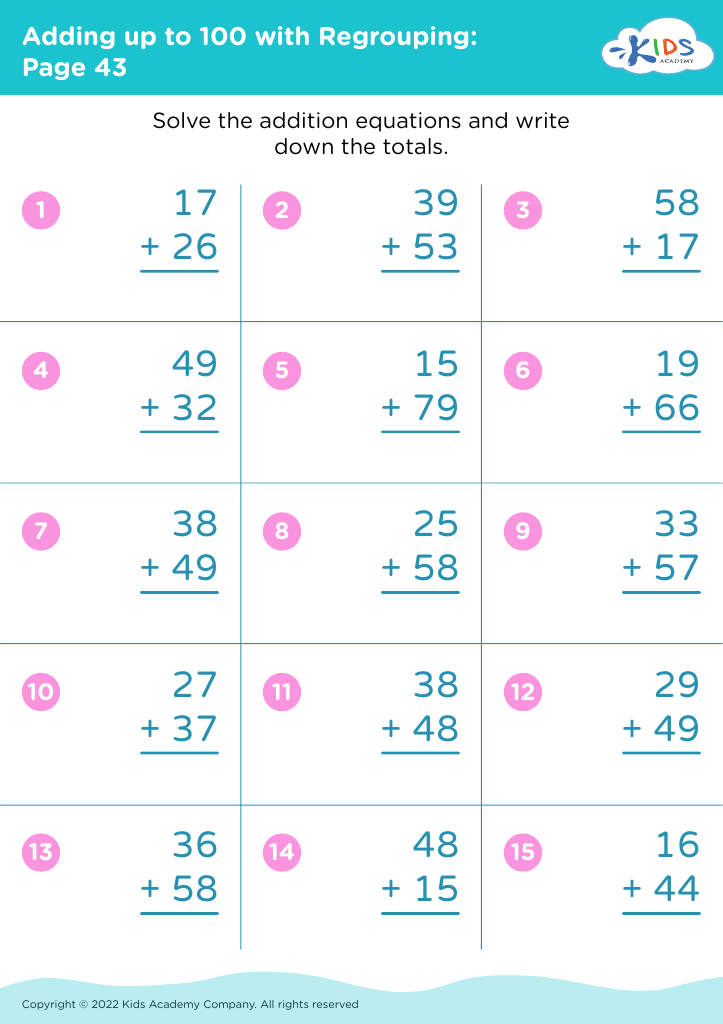





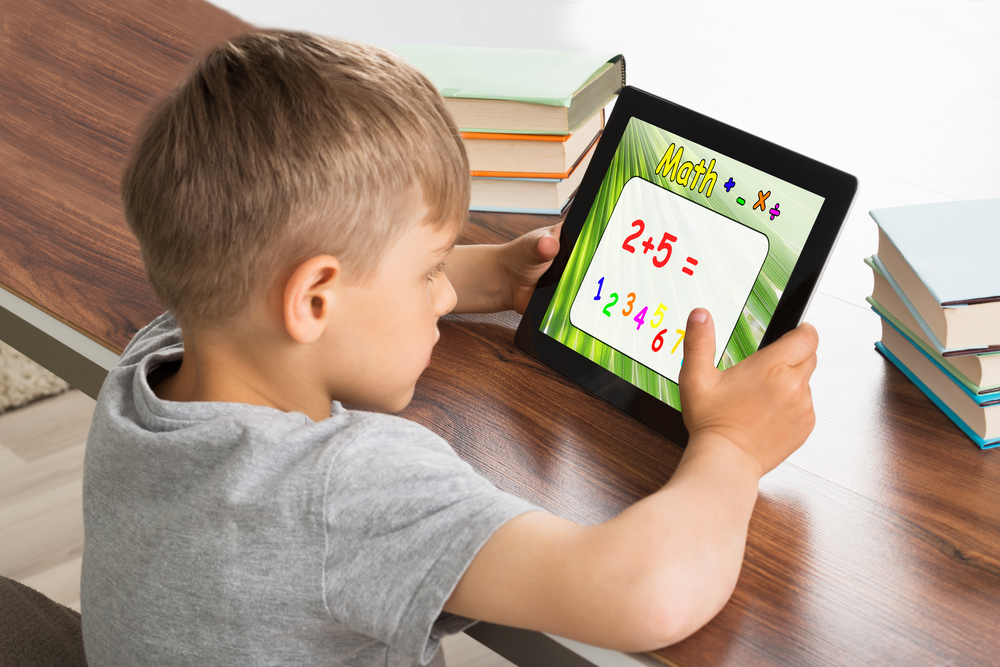


Understanding addition and subtraction is crucial for children ages 4-7 because these concepts form the foundation of early math skills and everyday problem-solving. During this formative period, children are developing cognitive and analytical abilities that are critical for their educational journey.
For parents and teachers, emphasizing these basic arithmetic skills ensures that children can correctly interpret numbers and quantities, which is essential for more complex math in later years. Addition helps young learners grasp the idea of combining groups and understanding that numbers represent quantities that can grow together. Subtraction, on the other hand, introduces them to the concept of reducing or removing items from a group, fostering an understanding of how numbers decrease.
Practicing these skills develops a child’s numerical fluency, boosting confidence and encouraging a positive attitude towards math. It’s directly linked to their ability to solve real-life problems, such as counting objects, understanding more and fewer, and making sense of situations that involve “taking away” or adding quantities.
Moreover, mastery of these concepts can improve children’s abilities in other cognitive areas such as logical thinking, pattern recognition, and memory retention. As such, attentive guidance from parents and teachers in nurturing these abilities helps lay down a strong educational foundation, setting the stage for academic success.








