Improving counting skills Comparing Numbers Worksheets for Ages 4-7
3 filtered results
-
From - To
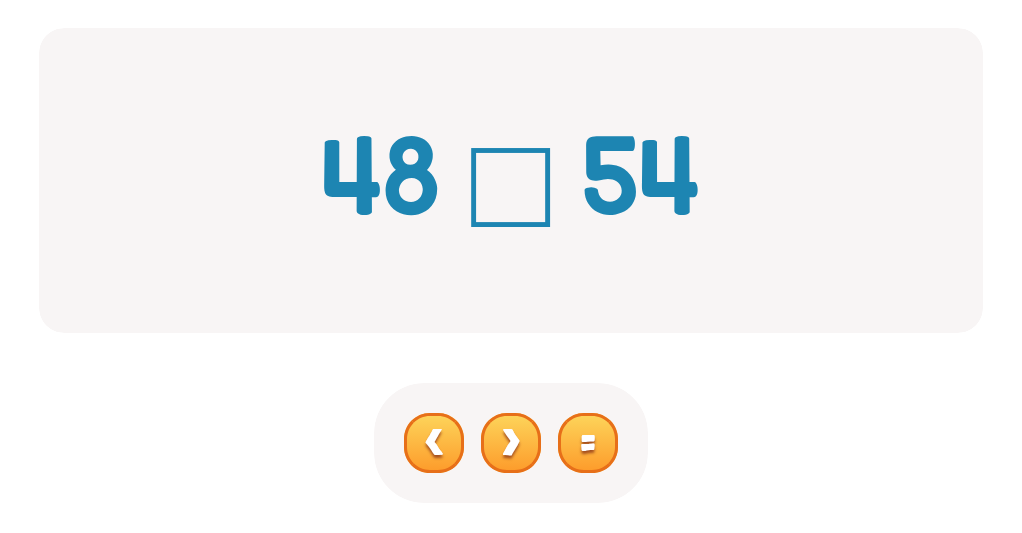
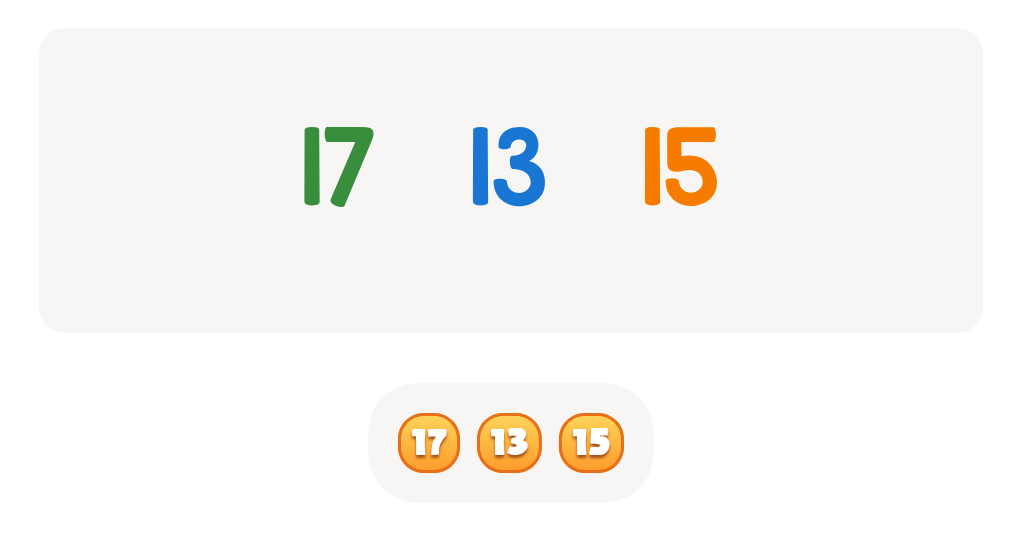
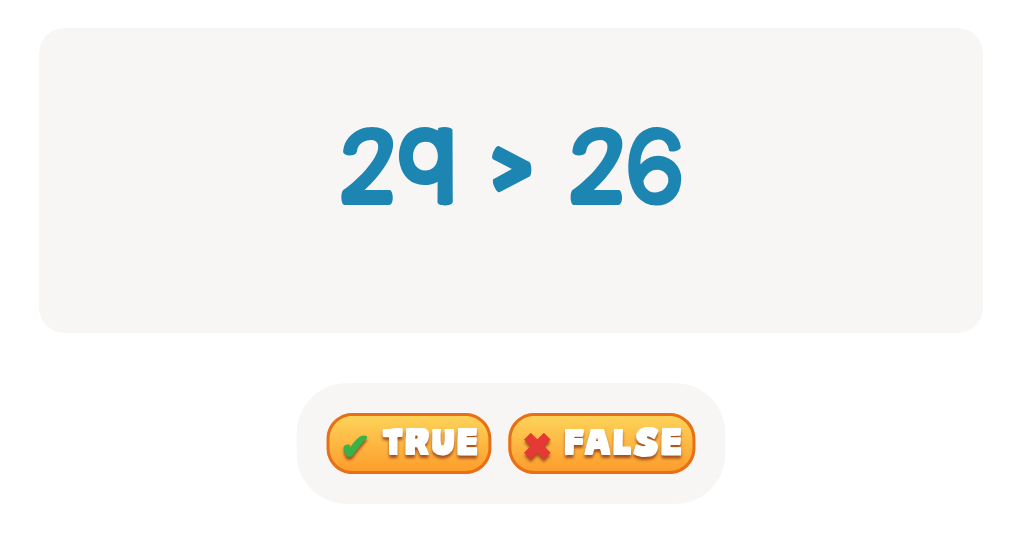
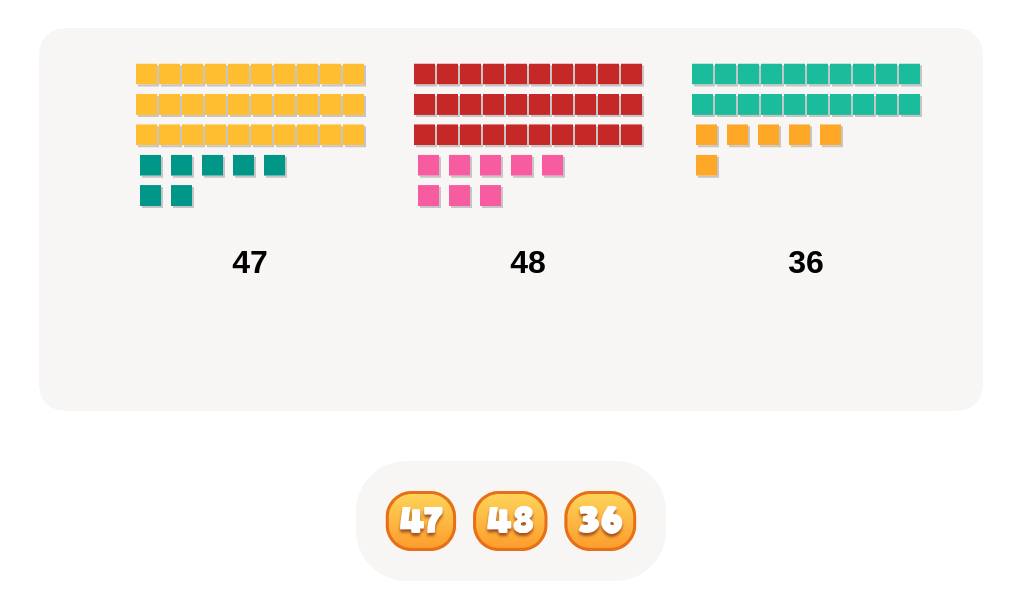
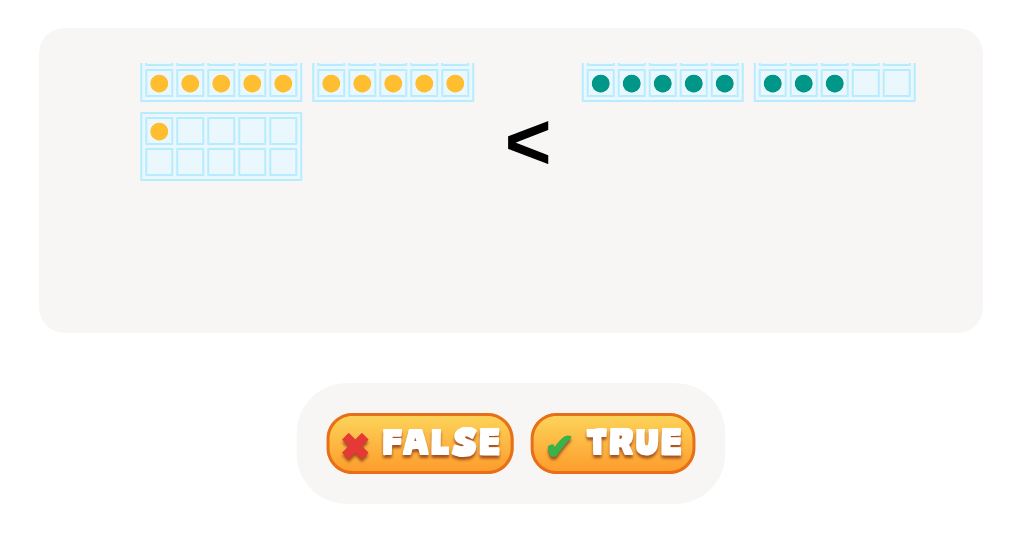
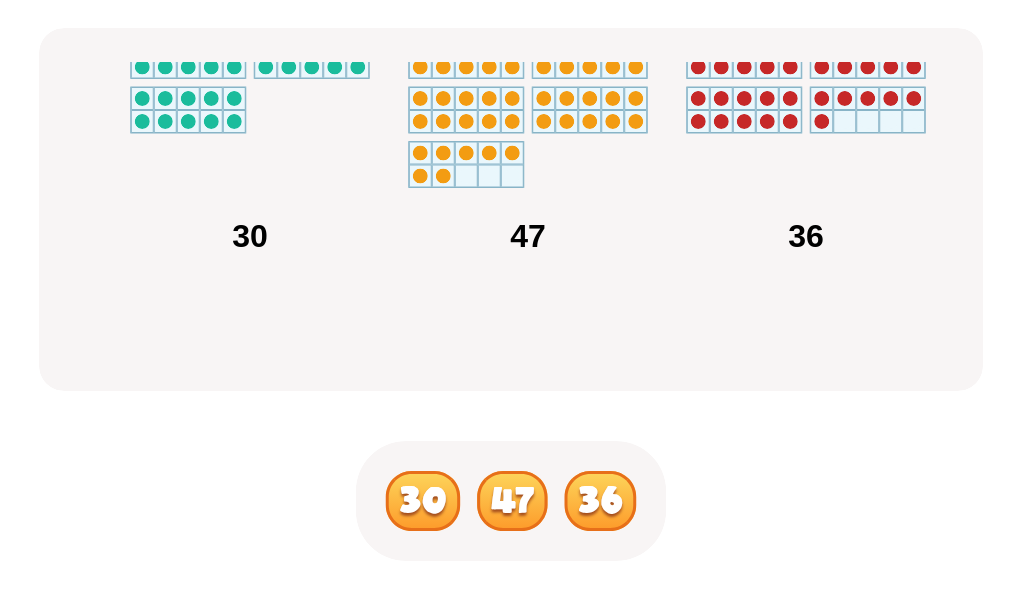
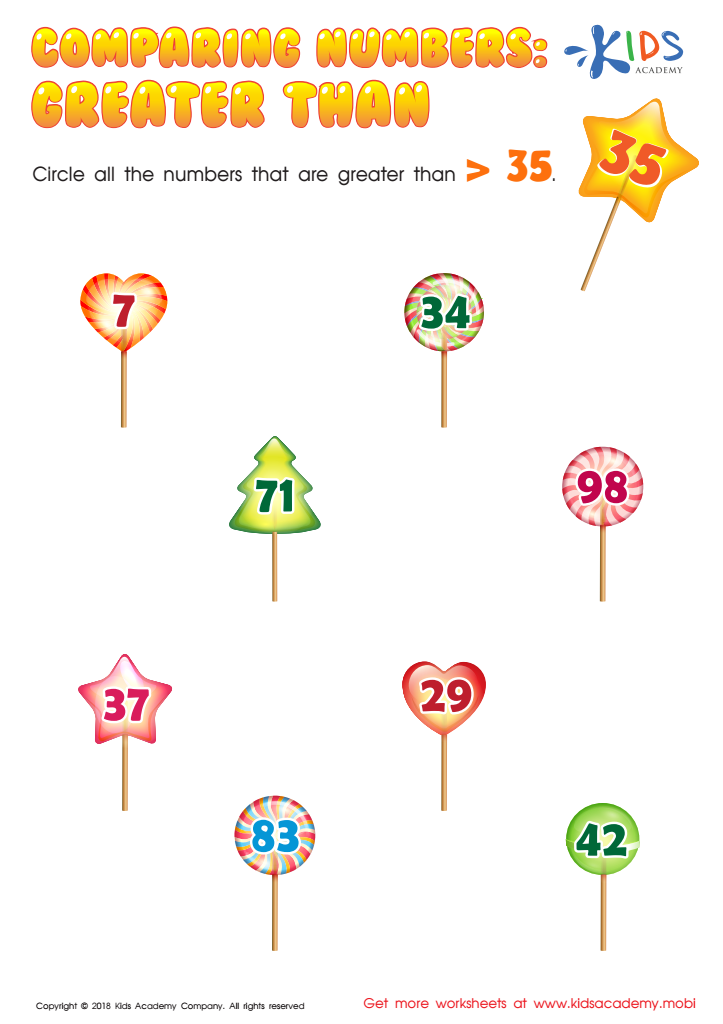
Enhance your child’s math proficiency with our "Improving Counting Skills Comparing Numbers Worksheets." Designed specifically for ages 4-7, these engaging worksheets offer a fun and interactive way for young learners to develop their counting and comparison skills. Children will practice identifying larger and smaller numbers while gaining confidence in their math abilities. With colorful graphics and age-appropriate exercises, these worksheets cater to various learning styles, making math enjoyable and accessible. Ideal for homeschooling or classroom activities, our resources will empower your child to master fundamental math concepts, setting a strong foundation for their future academic success. Start counting with confidence today!
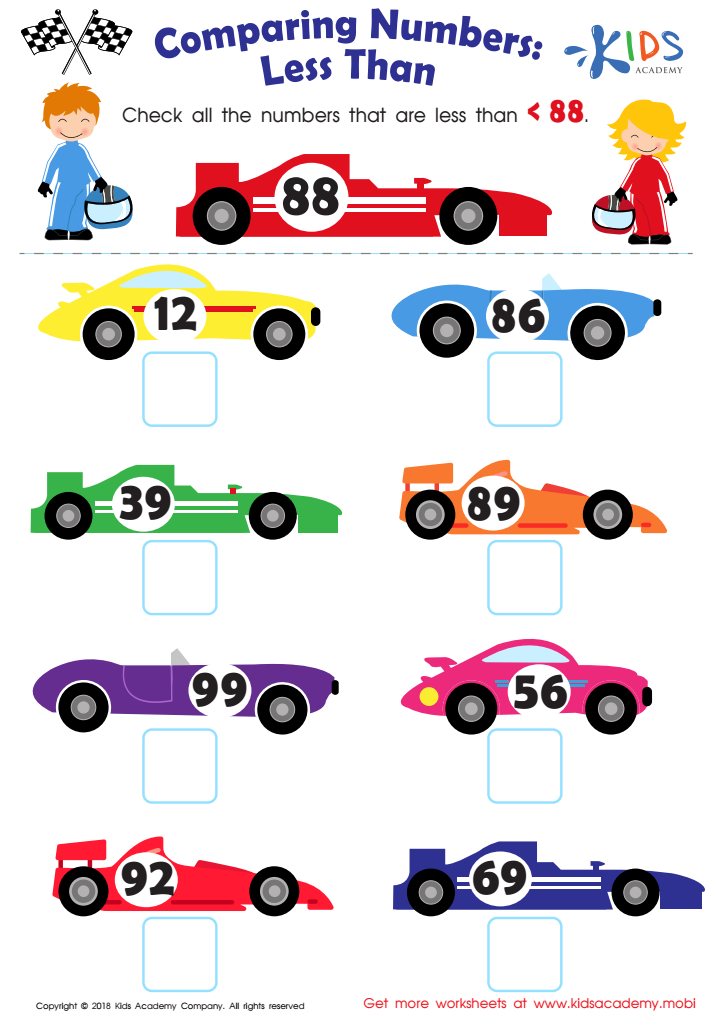
Less Than Worksheet
 Assign to My Students
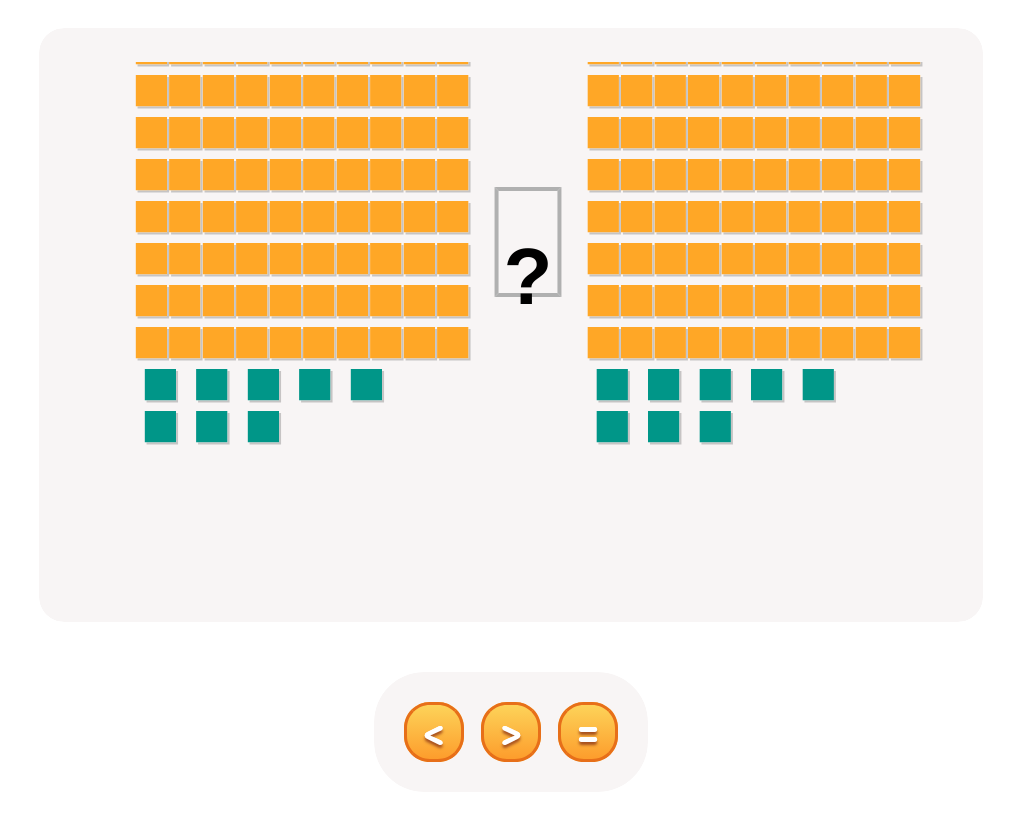

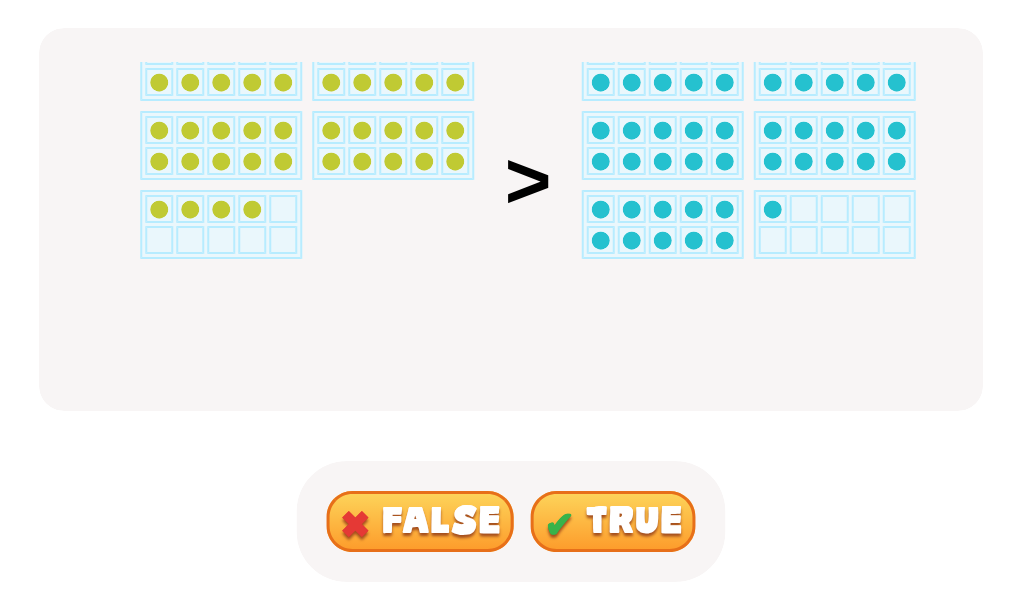
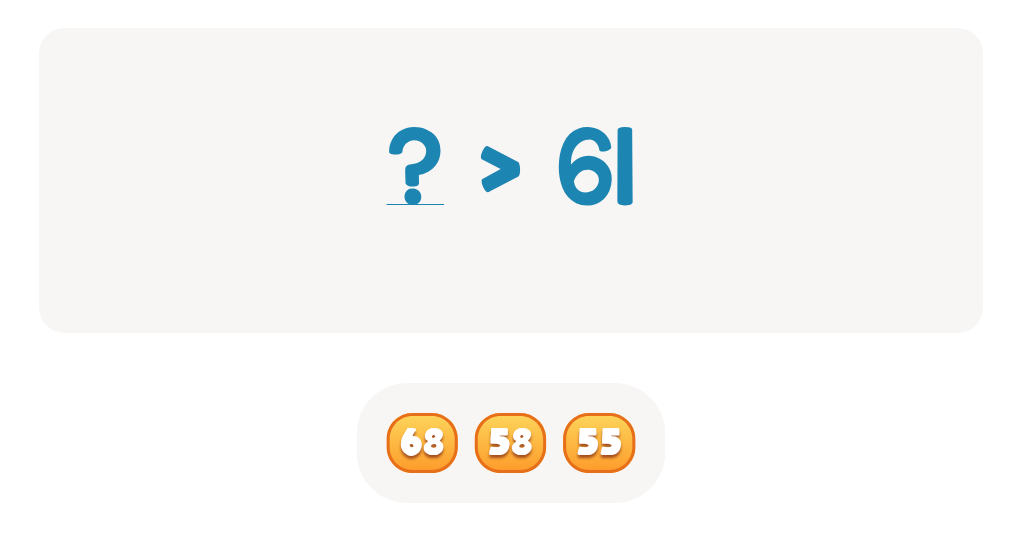
Greater Than Worksheet
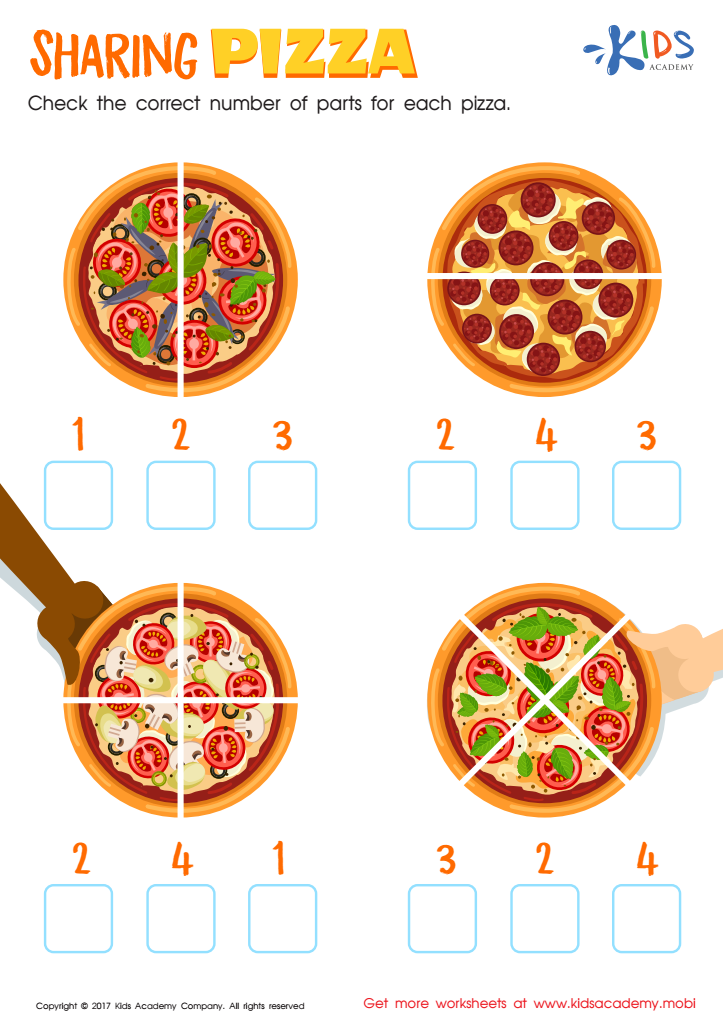
Sharing Pizza Worksheet








Improving counting skills and comparing numbers is crucial for children aged 4-7, as this foundational knowledge significantly contributes to their overall mathematical development and understanding. During these formative years, children learn to recognize numbers, count objects, and make comparisons, which are essential skills for higher-level mathematics.
Fostering these skills not only enhances their ability to engage in daily activities—such as sharing, measuring, and shopping—but also builds critical thinking and problem-solving abilities. When parents and teachers focus on counting and comparing numbers, they encourage children to explore number relationships, cultivate number sense, and understand concepts of more, less, and equal.
Moreover, mastering these skills can positively impact a child's confidence and enthusiasm in learning. A strong grasp of basic math concepts lays the groundwork for future academic success, as children encounter more complex mathematical topics in subsequent years. In an increasingly numerate world, these skills enhance a child’s ability to navigate everyday situations, contributing to their overall cognitive development and self-reliance. By prioritizing the improvement of counting skills and comparing numbers, parents and teachers can help children build a solid foundation for a lifetime of learning and a positive attitude toward mathematics.








