Understanding skip-counting Counting Worksheets for Ages 4-7
3 filtered results
-
From - To
Skip-counting is an exciting and essential math skill that helps young learners develop strong numerical fluency in a fun and engaging way. Our skip-counting worksheets are designed for children ages 4-7, providing a range of activities to foster comprehension and confidence. Each worksheet offers step-by-step exercises that begin with simple sequences such as counting by 2s, 5s, and 10s, gradually increasing in complexity. These printable resources help enhance number sense, pattern recognition, and mathematical reasoning, setting a solid foundation for future math success. Join Kids Academy today and watch your child’s counting skills soar!
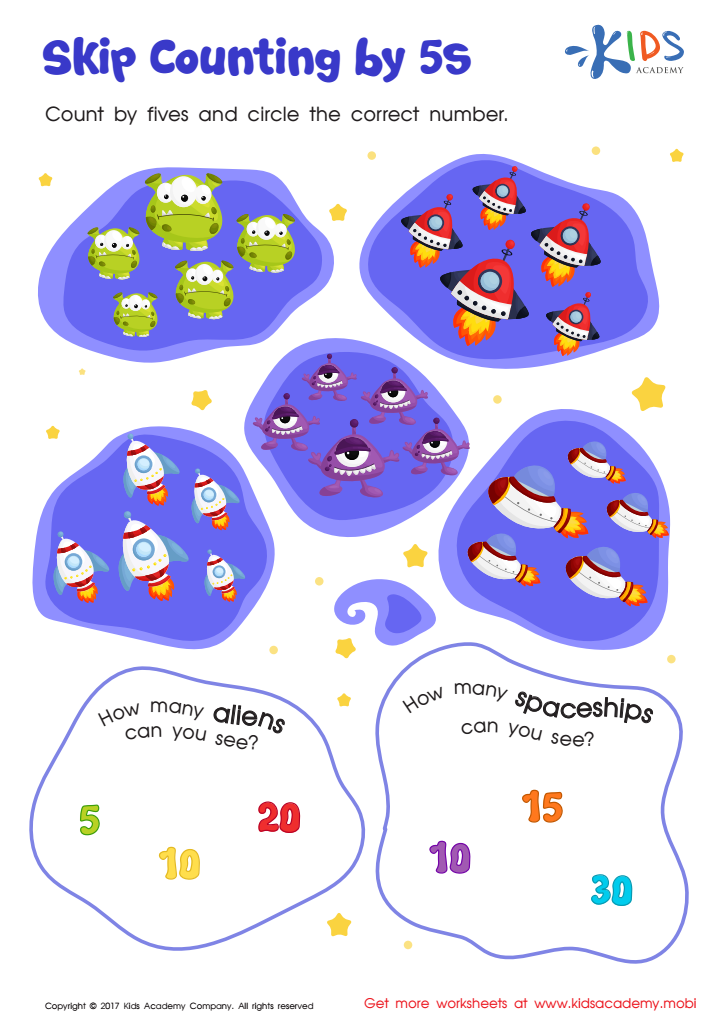
Skip Counting by 5s: Aliens and Spaceships Printable
 Assign to My Students


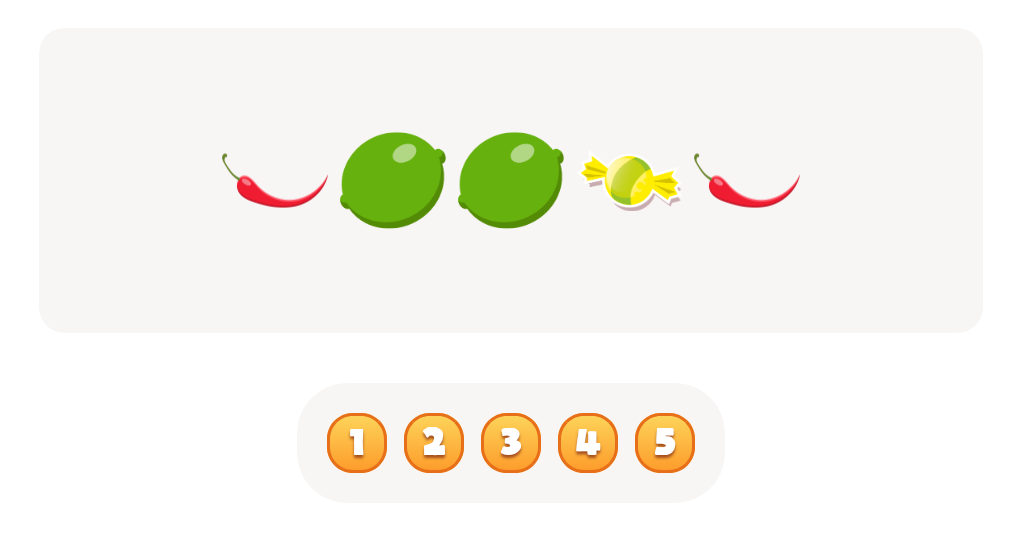
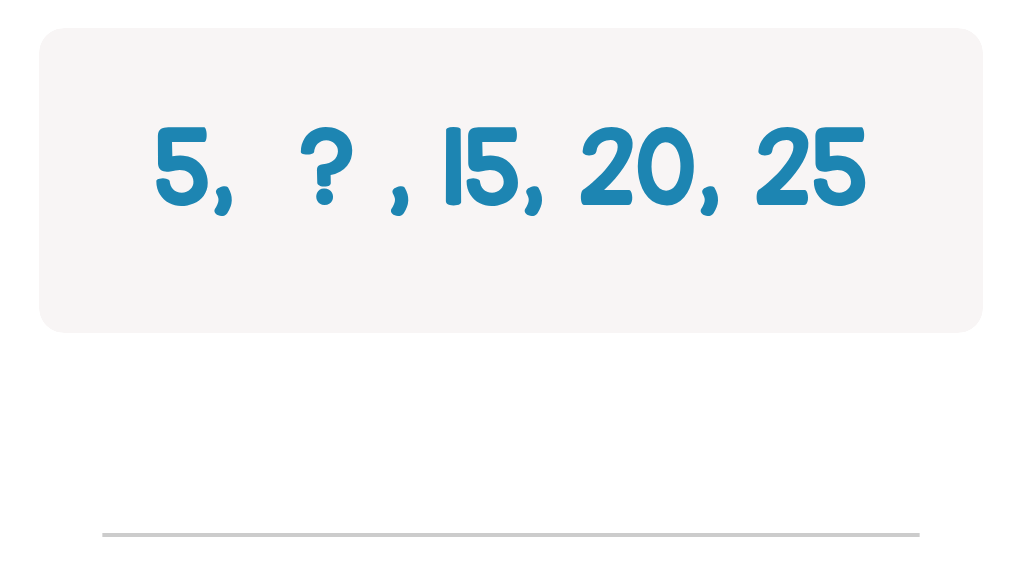
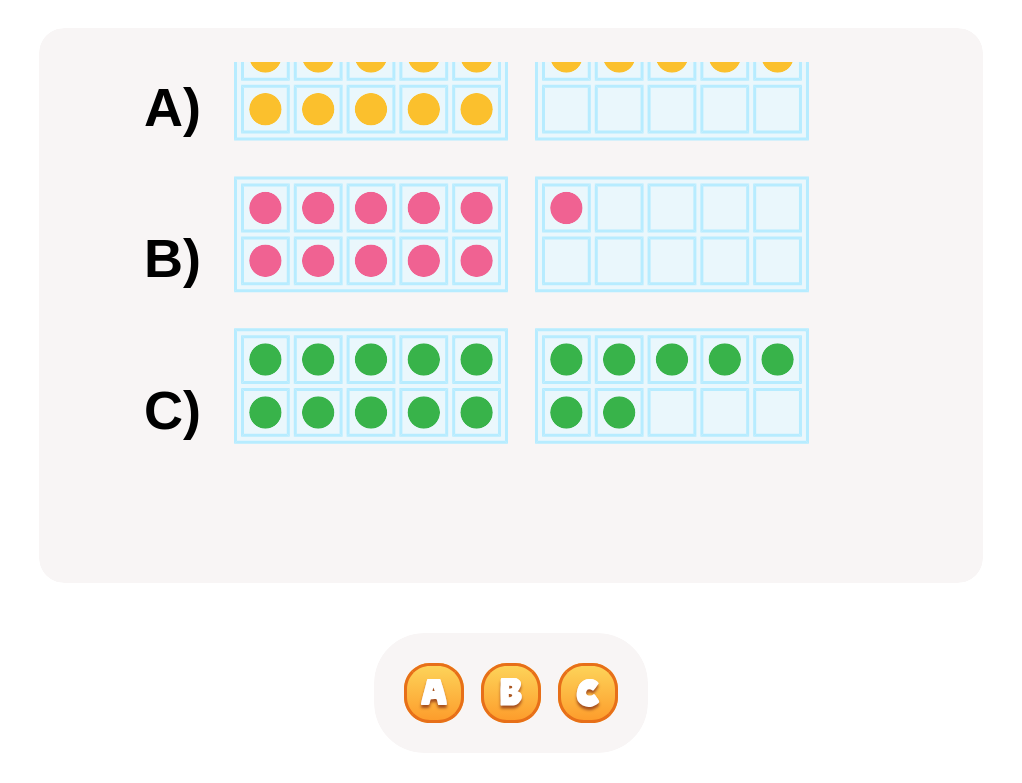
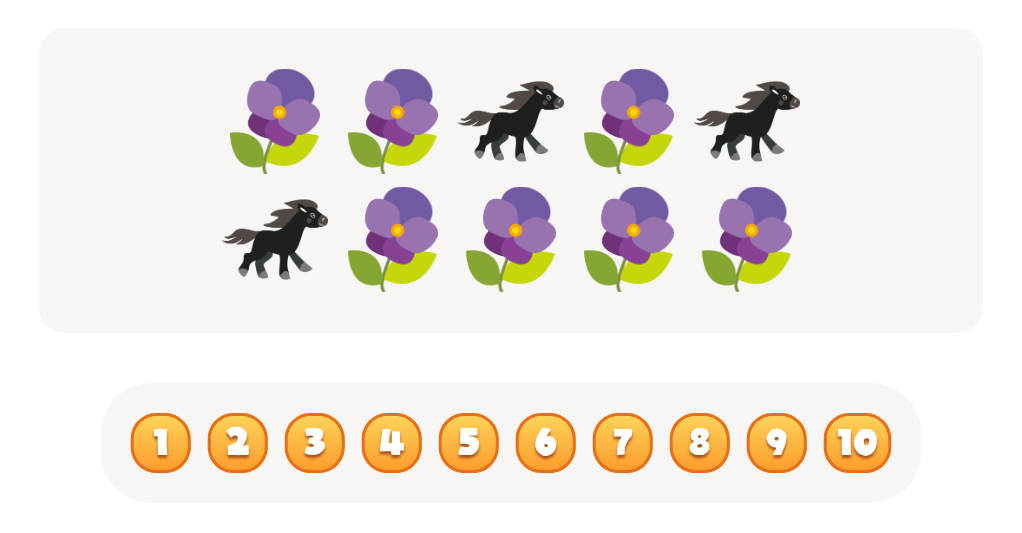
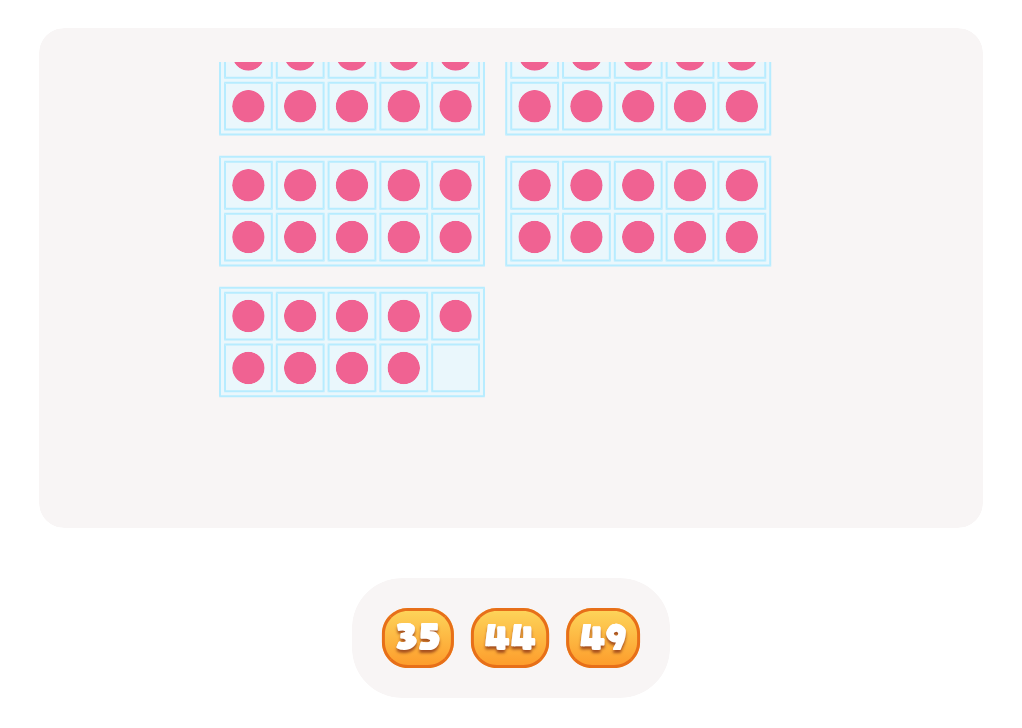
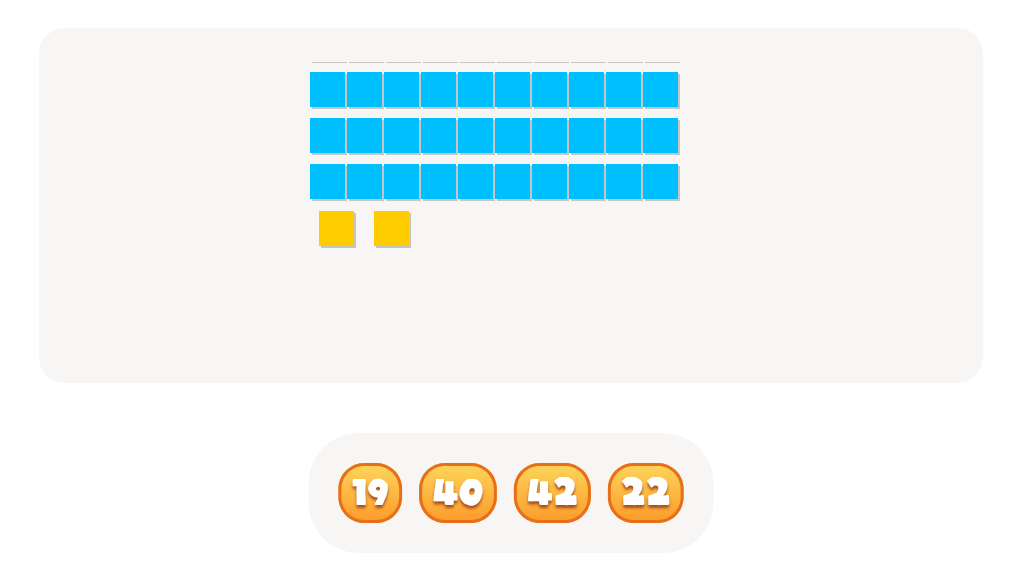
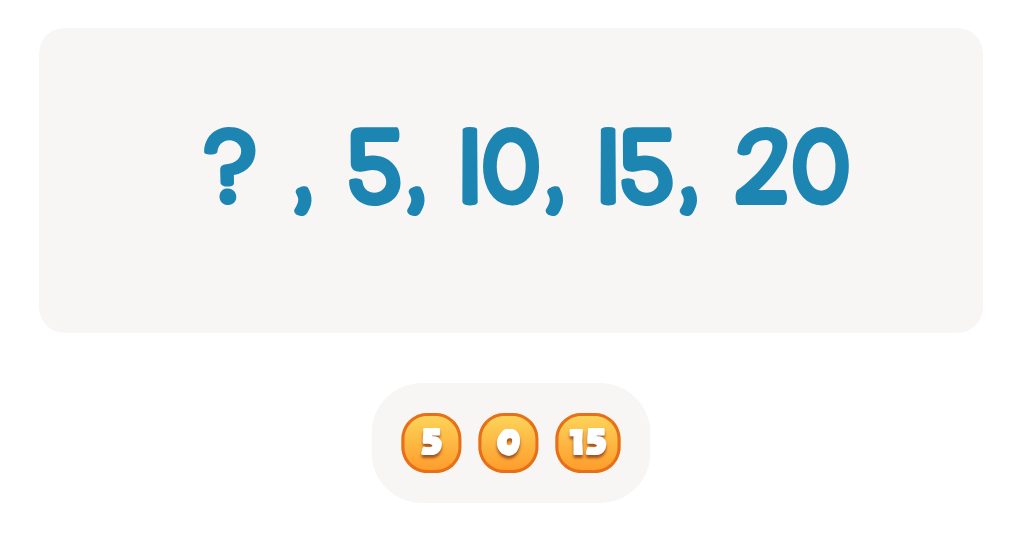
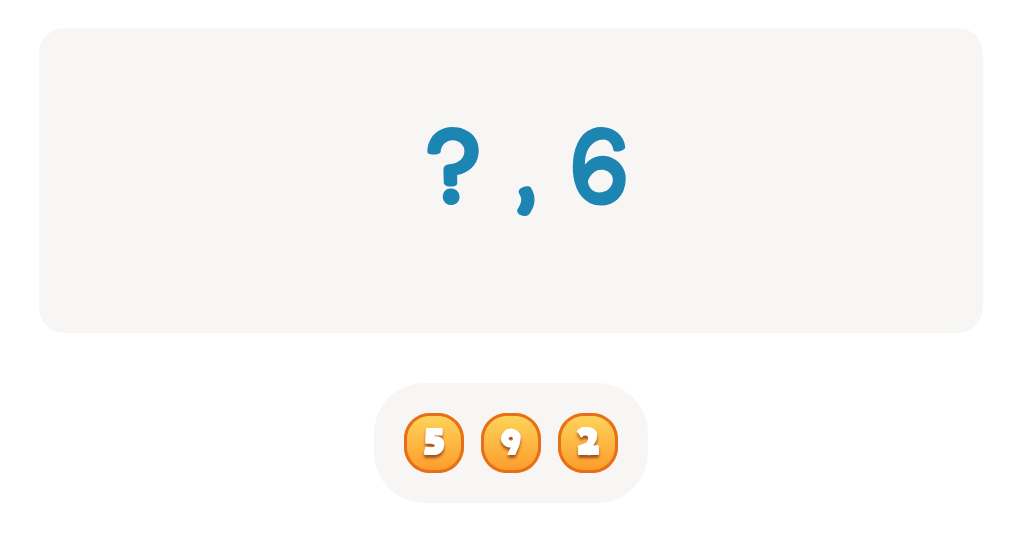
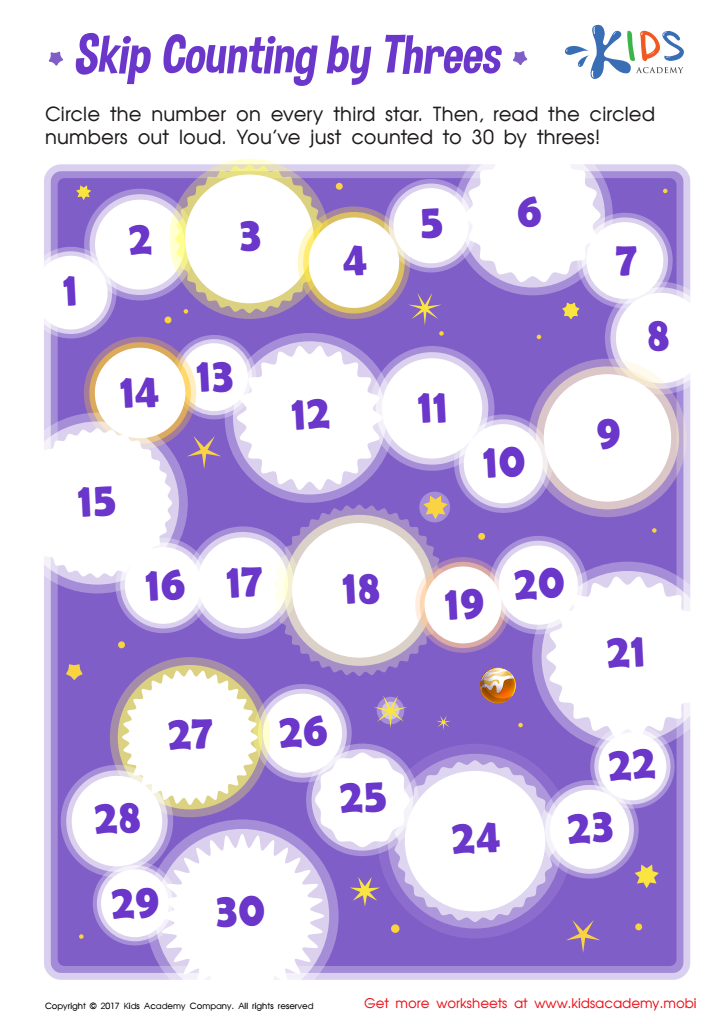
Skip Counting By Three Printable
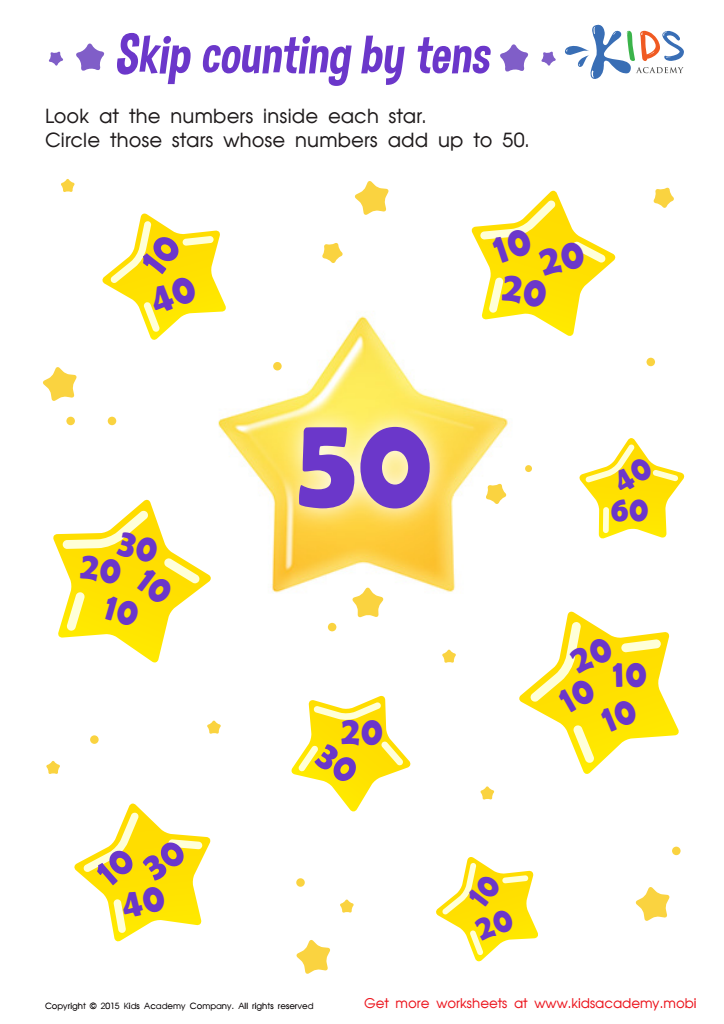
Learn Dozens: Skip Counting by Tens Printable



.jpg)




Understanding skip-counting is crucial for children aged 4-7 as it builds a strong mathematical foundation and enhances number sense. Skip-counting, which involves counting by numbers other than one (e.g., by 2s, 5s, or 10s), helps young learners recognize patterns in numbers, an essential skill for higher-level math concepts.
For parents and teachers, reinforcing skip-counting can significantly impact a child's future academic success. By mastering this skill, children can more easily grasp multiplication tables, which are taught in later grades. This early exposure simplifies more complex operations like addition, subtraction, and introduces the concept of division in a concrete manner.
Furthermore, skip-counting develops cognitive abilities such as memory and attention to detail. It promotes problem-solving skills by teaching children how to approach calculations in a more logical and efficient way.
In a classroom setting, integrating skip-counting activities can make learning fun and engaging. Using songs, games, and visual aids can keep kids interested and excited about numbers, laying the groundwork for a positive attitude towards mathematics.
In conclusion, understanding skip-counting for young children is more than just learning to count in a sequence. It is an important educational step that shapes their numerical literacy and problem-solving abilities, ensuring they remain confident and capable as they progress in their academic journey.








