Categorization skills Geometry Worksheets for Ages 4-7
4 filtered results
-
From - To
Enhance your child's categorization skills while exploring the exciting world of geometry with our tailored worksheets for ages 4-7! These engaging and interactive worksheets are designed to help young learners identify, sort, and group geometric shapes effectively. With fun visuals and age-appropriate activities, children will develop critical thinking and classification abilities as they work through various exercises. Ideal for at-home learning or classroom use, these worksheets ensure a solid foundation in geometry while fostering essential cognitive skills. Download our categorization skills geometry worksheets today and watch your child transform into a confident and skilled young mathematician!
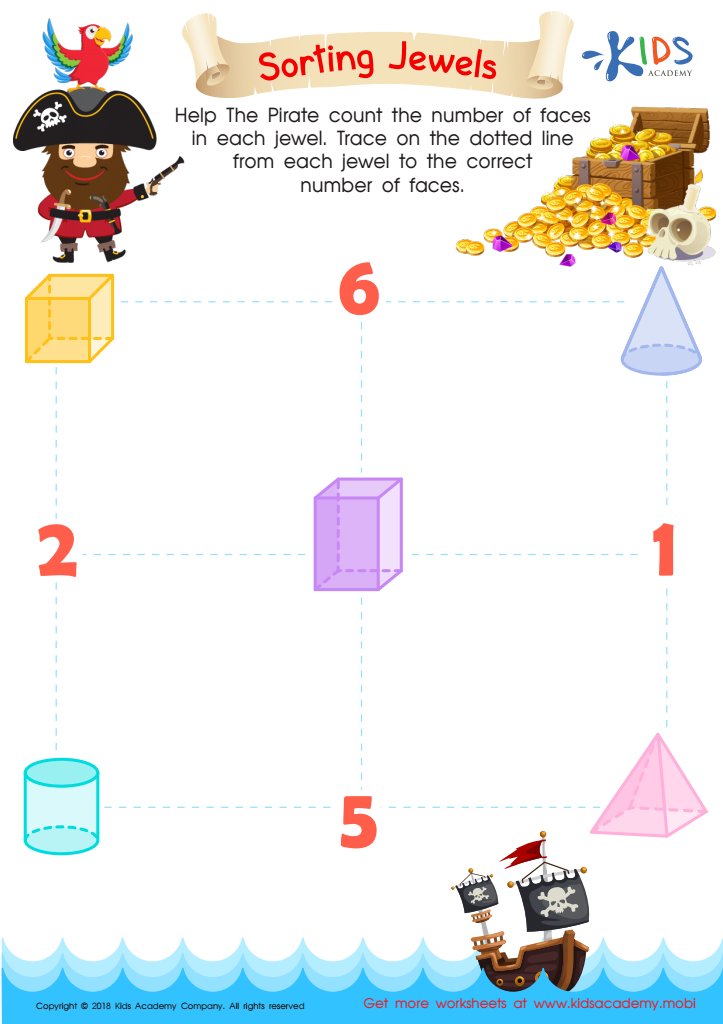
Sorting Jewels Worksheet
 Assign to My Students











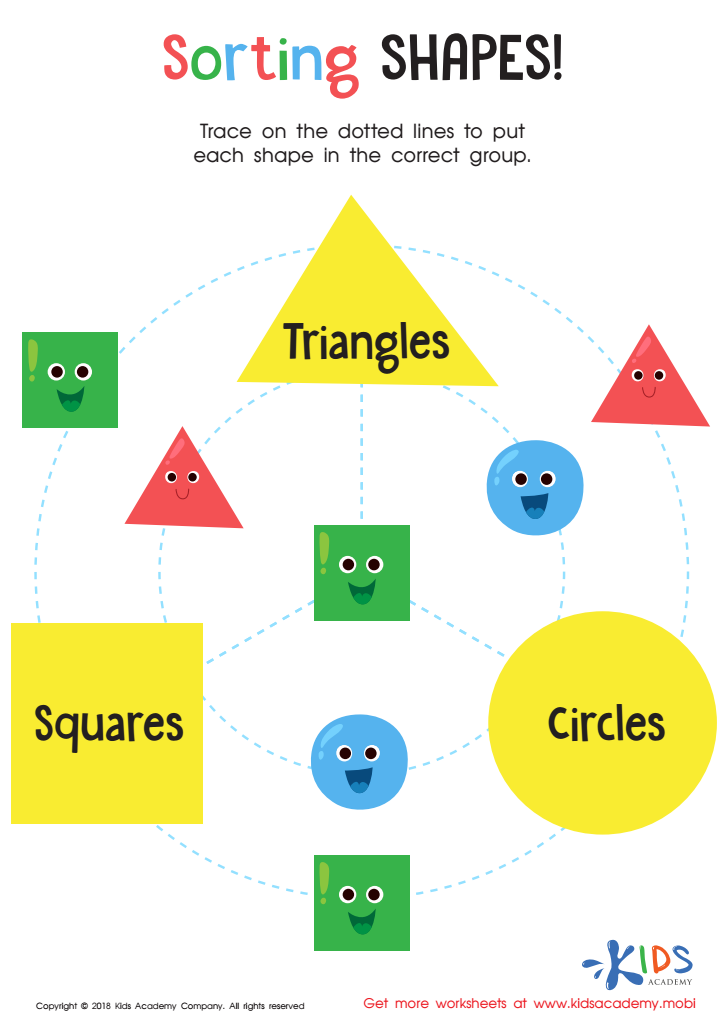
Sorting Shapes - Part 3 Worksheet
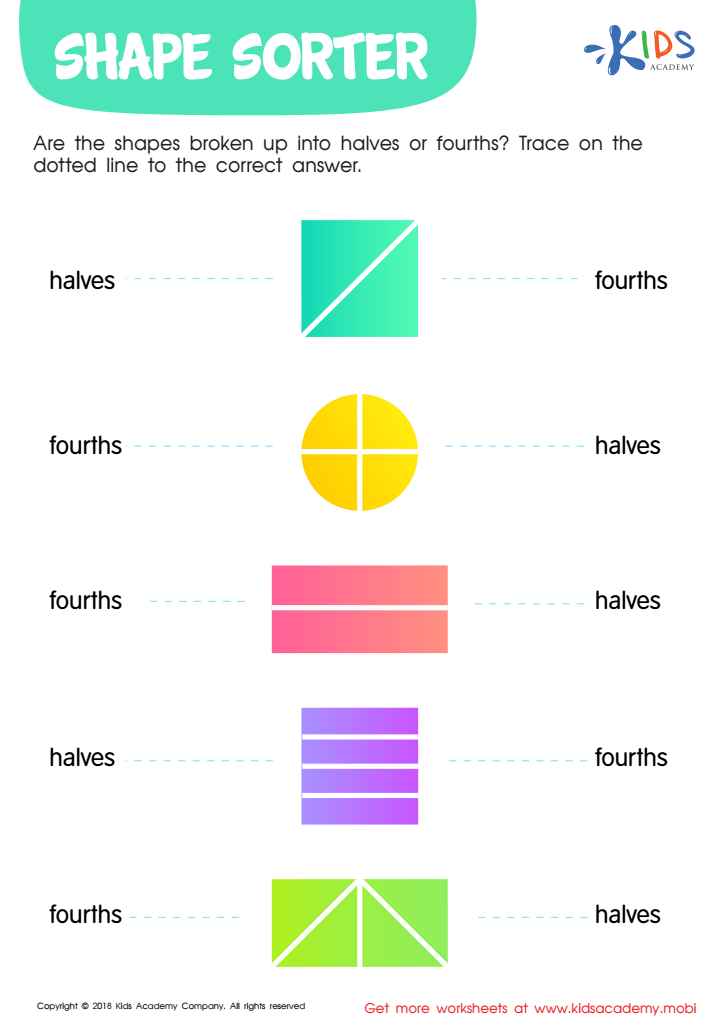
Shape Sorter Worksheet
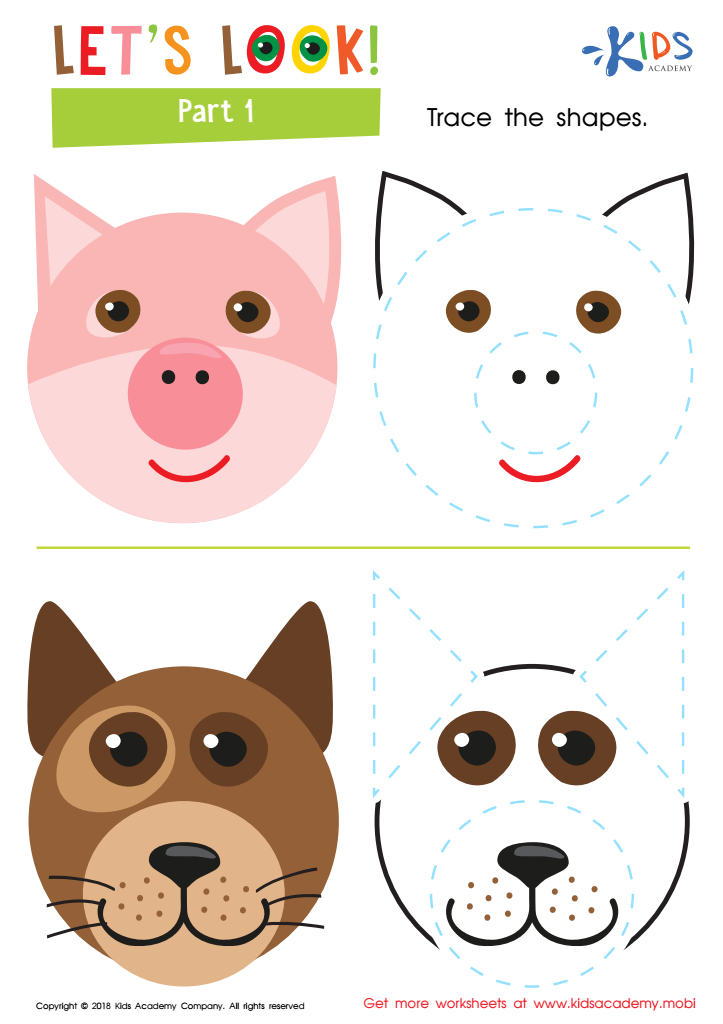
Let's Look! Part 1 Worksheet








Categorization skills in geometry are critical for children aged 4-7 as they lay the foundation for essential mathematical and cognitive development. When parents and teachers focus on these skills, they help young learners differentiate shapes, recognize patterns, and understand spatial relationships, which are pivotal in early childhood education.
First, categorization aids in developing critical thinking and problem-solving abilities. Children learning to group shapes based on attributes like size, color, or angles begin to understand more complex mathematical concepts in the future. For instance, understanding the difference between triangles and squares is not just about shapes; it's about recognizing and articulating properties.
Moreover, these foundational skills enhance language development, as children learn to describe and communicate what they observe. Engaging them in activities such as sorting shapes or creating patterns fosters creativity and arouses curiosity, making learning enjoyable.
Additionally, strong categorization skills in geometry support success in other subjects, from science to literacy. When children can classify and make connections, they are better equipped to tackle new challenges across their educational journey. Ultimately, by nurturing these skills, parents and teachers help build confident, knowledgeable learners prepared for more advanced concepts in mathematics and beyond.








