Comparing quantities Numbers Worksheets for Ages 4-7
4 filtered results
-
From - To
Discover our engaging "Comparing Quantities Numbers Worksheets" designed specifically for children aged 4-7. These interactive worksheets help young learners grasp essential math skills by comparing different quantities with fun visuals and relatable examples. Children will explore greater than, less than, and equal to concepts while developing their critical thinking and analytical skills. Ideal for home or classroom use, these worksheets foster a love for mathematics through playful activities that promote active learning. Easily printable, our resources are perfect for reinforcing counting and comparison skills. Start your child's math journey today with our engaging and educational worksheets!
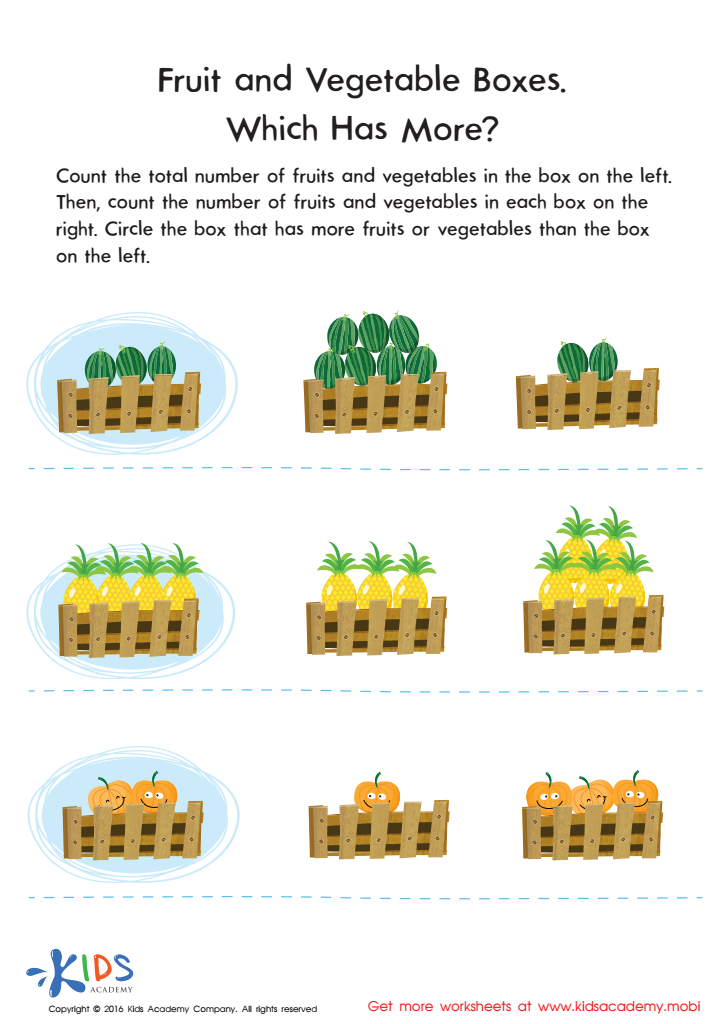
Which Has More? Size Worksheet
 Assign to My Students
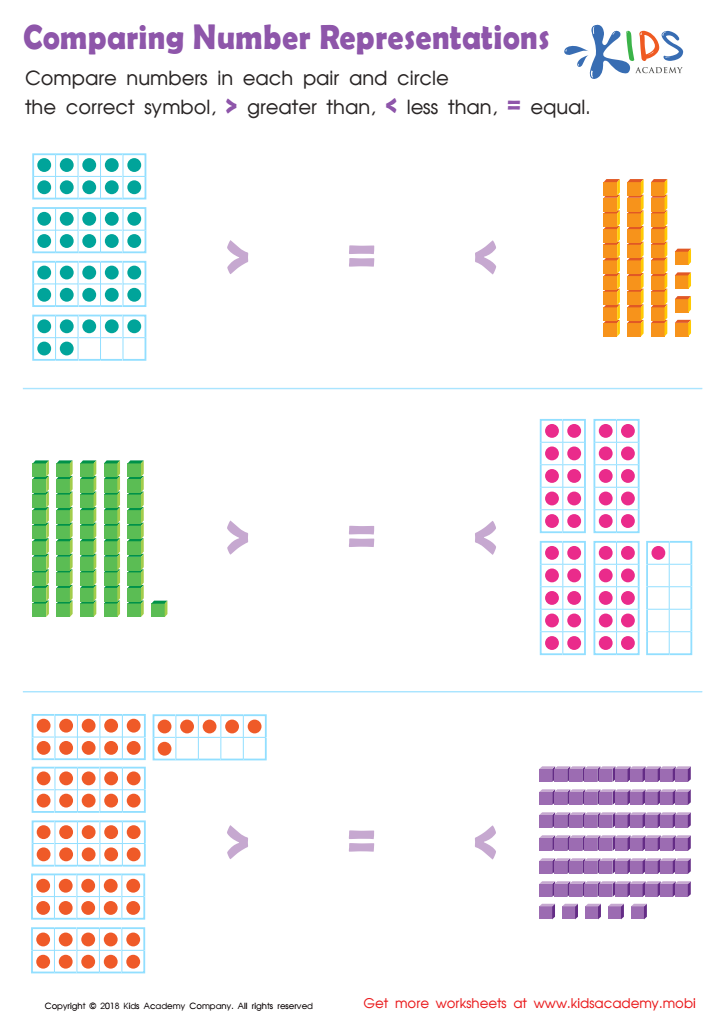
Comparing Number Representations Worksheet
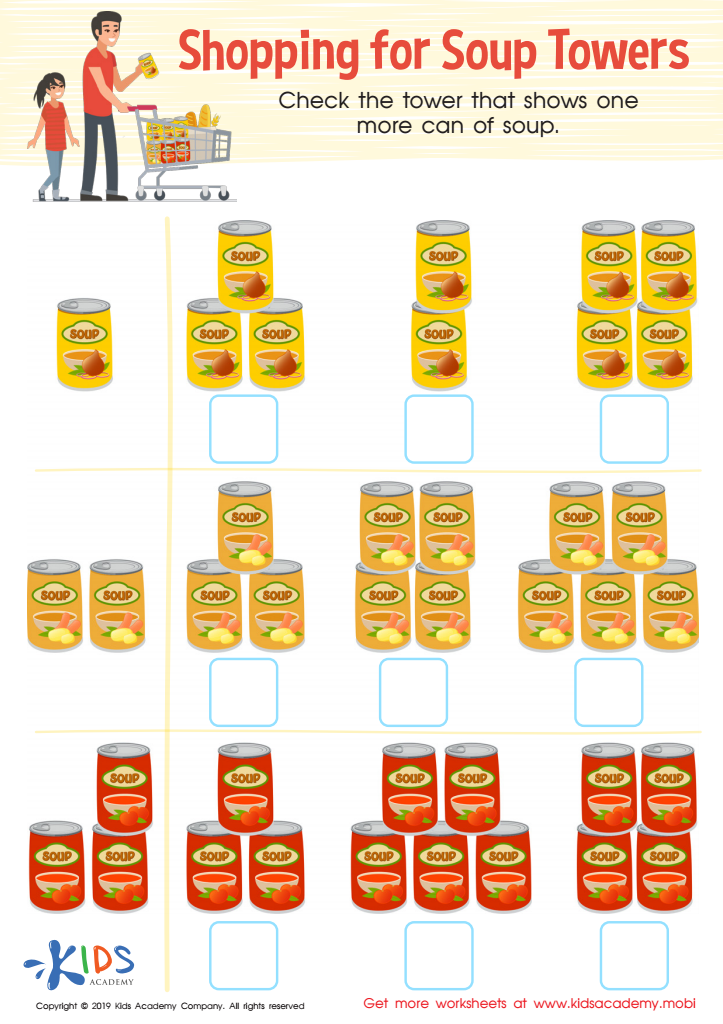
Soup Towers Worksheet
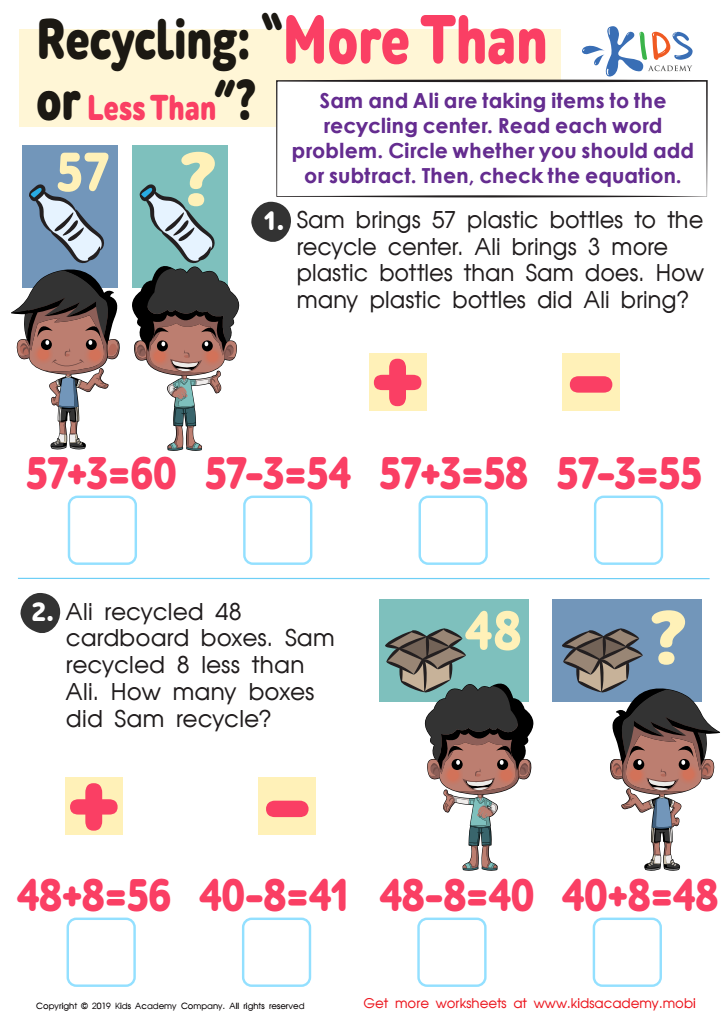
Recycling - More or Less Worksheet



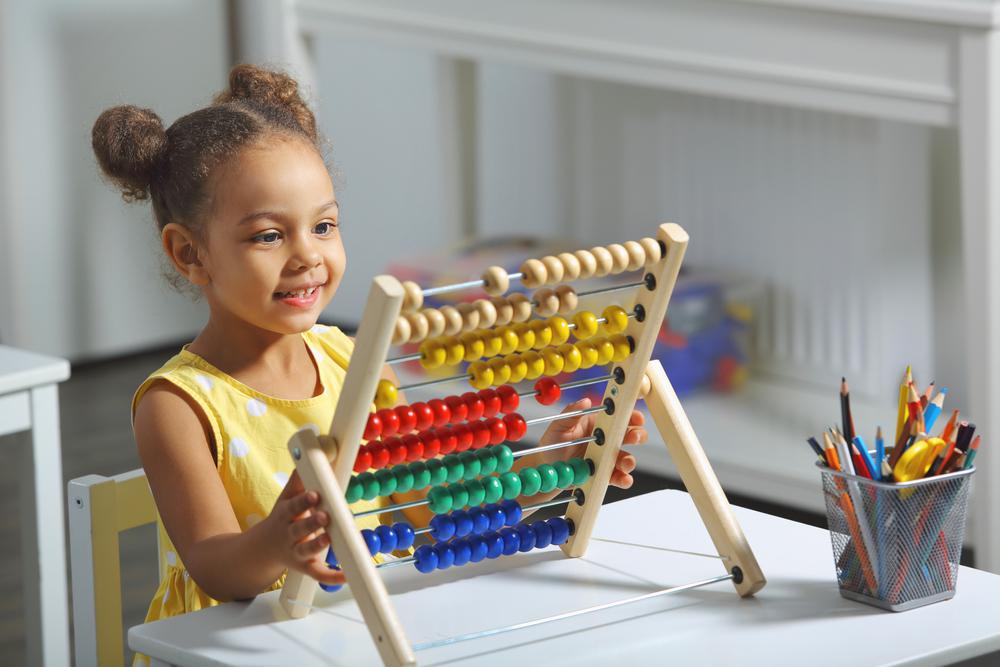




Comparing quantities is a fundamental mathematical skill that forms the backbone of early numeracy for children aged 4-7. Parents and teachers should care about this concept because it fosters critical thinking and problem-solving abilities at a crucial developmental stage. By learning to compare quantities, children begin to grasp essential numerical relationships, such as "more than," "less than," and "equal to."
This skill helps in building a solid foundation for future math concepts, such as addition and subtraction. When kids can visually and mentally evaluate numbers, they become more confident in their mathematical reasoning. Additionally, these comparisons enhance their understanding of real-world situations, such as measuring, estimating, and making decisions based on quantity.
Furthermore, incorporating activities that involve comparing quantities promotes engagement and interest in learning. Games and hands-on activities allow children to explore numbers in a fun and interactive way, catering to diverse learning styles. The ability to compare quantities not only lays the groundwork for mathematical skills but also supports language development as children learn to articulate their thoughts and reasoning. For all these reasons, understanding and practicing comparing quantities should be a priority for parents and educators alike to nurture the mathematical competence of young learners.








