Associative learning Math Worksheets for Ages 4-7
4 filtered results
-
From - To
Enhance your child's mathematical journey with our Associative Learning Math Worksheets, designed specifically for ages 4-7. These fun and interactive worksheets help young learners grasp essential math concepts through pattern recognition, relationships, and problem-solving skills. Each carefully crafted activity fosters critical thinking and lays a solid foundation for future math success. Perfect for both classroom and at-home practice, these worksheets make learning engaging with colorful illustrations and age-appropriate challenges. Empower your child to become confident in their math abilities while nurturing a love for numbers. Discover the magic of associative learning and watch your child thrive!
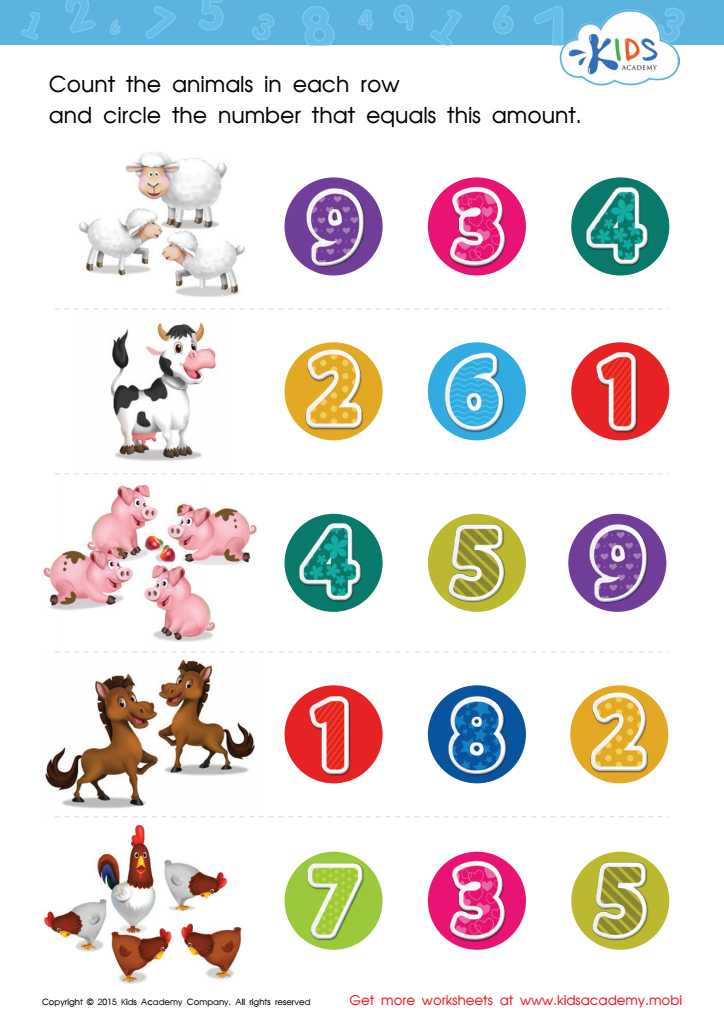
Count and Match 1 – 5 Math Worksheet
 Assign to My Students
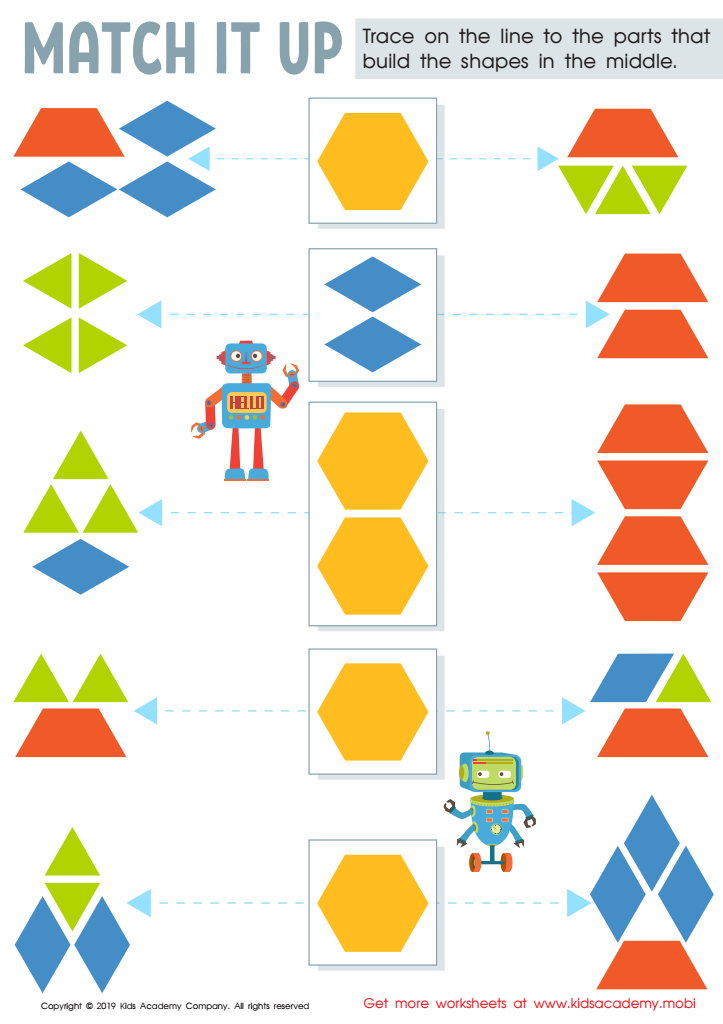
Match It up Worksheet
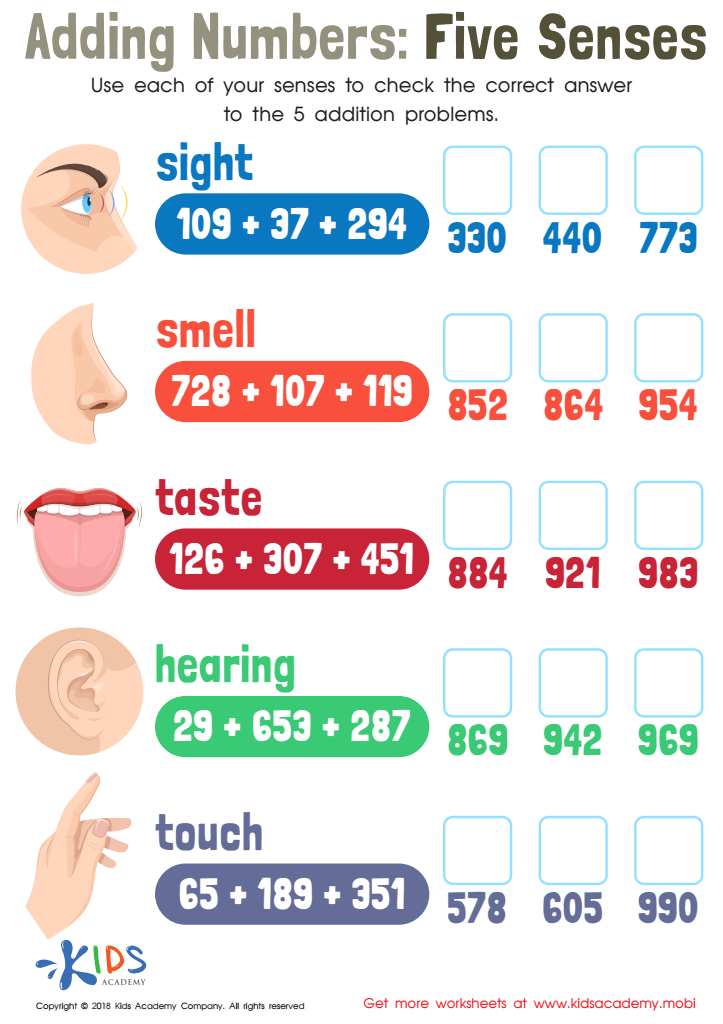
Adding Numbers: Five Senses Worksheet
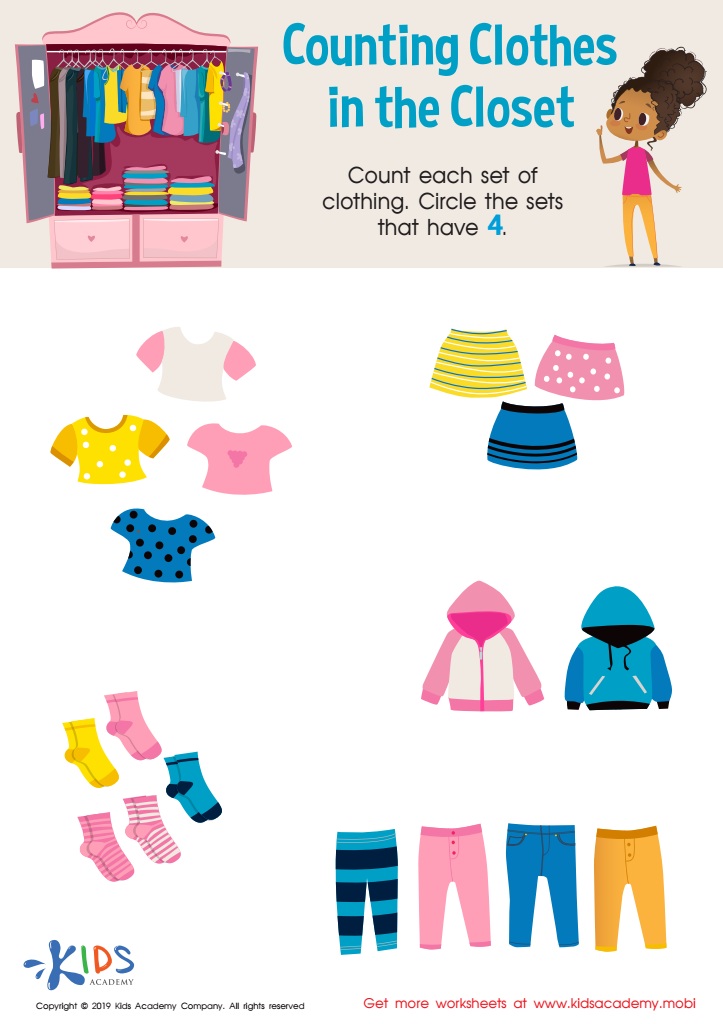
Counting Clothes Worksheet





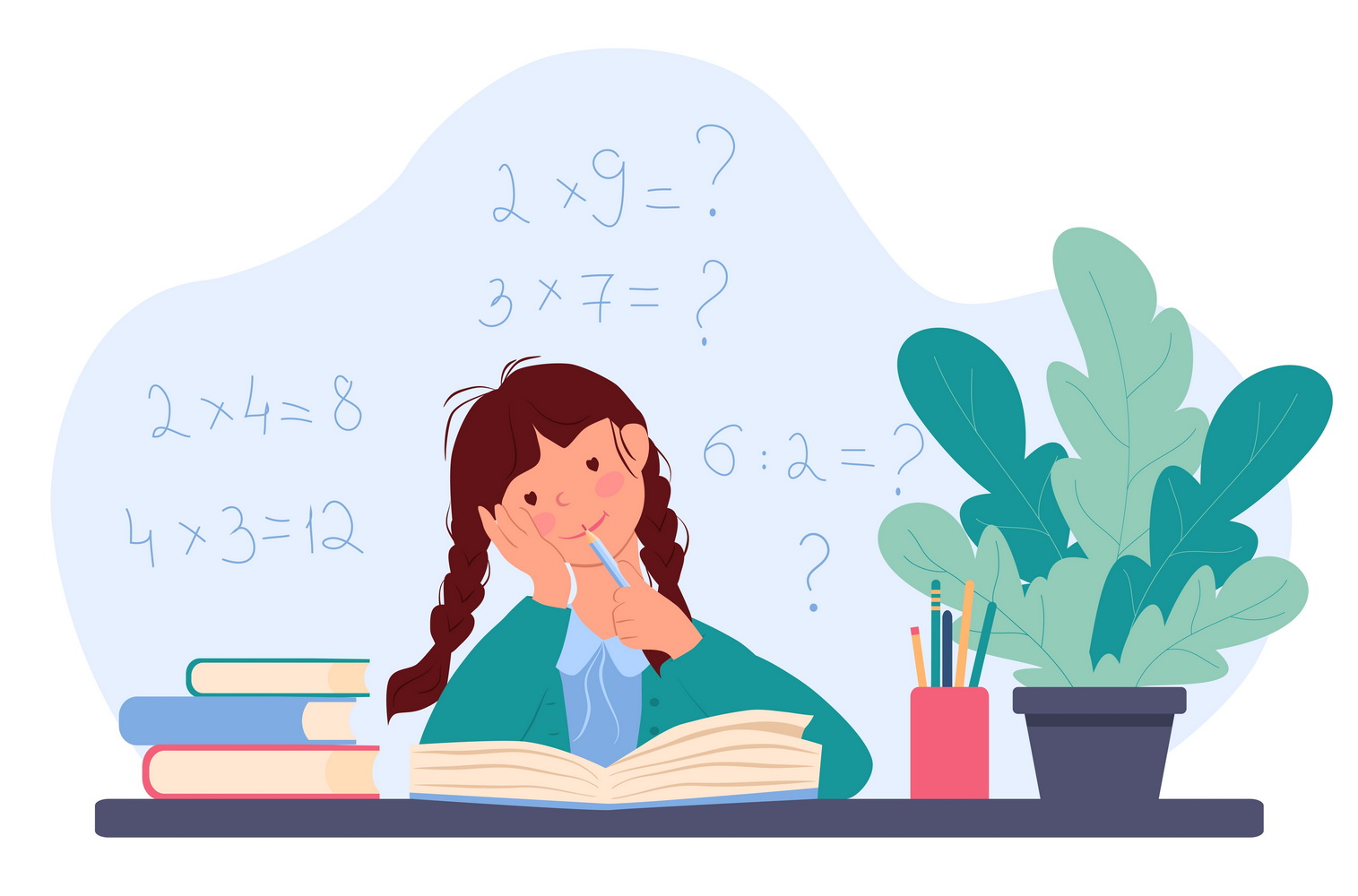

Associative learning in math for children aged 4-7 is crucial for laying a strong foundation for future mathematical understanding and problem-solving skills. At this developmental stage, young minds are highly impressionable and capable of forming connections between ideas, concepts, and experiences. Associative learning helps them relate new information to what they already know, making abstract numerical concepts more concrete and relatable.
When parents and teachers focus on associative learning, children learn to group numbers and shapes, recognize patterns, and understand relationships between different mathematical elements. This encourages cognitive flexibility and ensures that children are not just passively memorizing but actively making sense of math concepts.
For instance, recognizing that 4 + 3 is the same as 3 + 4 through visual and tactile aids can help children understand the basic properties of addition. Through playful activities, like using counting blocks or drawing simple shapes, kids can see the associations between numbers and their real-world applications. Such tangible learning experiences make the abstract nature of math much more accessible.
Moreover, early associative learning fosters a positive attitude toward math, reducing the potential for math anxiety later on. By making math engaging and relevant, parents and teachers help children develop a love for learning, problem-solving skills, and a growth mindset that will benefit them throughout their academic journey and beyond.








